Onishi Shumpei, Jayamohan Sridharan, Chowdhury Ashis, Rivas Sarah, Otani Yoshihiro, Murphy Sara A, Rivera-Caraballo Kimberly A, Walbridge Stuart, Shah Ashish H, Sisay Bayu, Maric Dragan, Elkahloun Abdel, Johnson Kory, Heiss John, Lee Tae Jin, Kumbar Sangamesh G, Brown Desmond A, Yoo Ji Young, Brenner Andrew, Kaur Balveen, Sareddy Gangadhara R, Banasavadi-Siddegowda Yeshavanth Kumar
NINDS, NIH.
University of Texas Health San Antonio.
Res Sq. 2025 Feb 10:rs.3.rs-5936706. doi: 10.21203/rs.3.rs-5936706/v1.
Despite multi-model therapy of maximal surgical resection, radiation, chemotherapy, and tumor-treating fields, glioblastoma patients show dismal prognosis. Protein Arginine Methyltransferase 5 (PRMT5) is overexpressed in glioblastoma and its inhibition imparts an anti-tumor effect. Even though Temozolomide (TMZ) is the standard chemotherapeutic agent in the treatment of glioblastoma, tumor cells invariably develop resistance to TMZ. However, the mechanistic role of PRMT5 in glioblastoma therapy resistance is unknown.
Patient-derived primary glioblastoma neurospheres (GBMNS), treated with PRMT5 inhibitor (LLY-283) or transfected with PRMT5 target-specific siRNA were treated with TMZ and subjected to functional and mechanistic studies. The intracranial mouse xenograft model was used to test the antitumor efficacy of combination treatment.
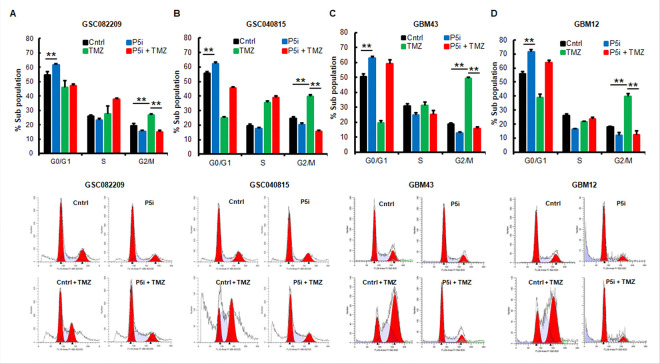
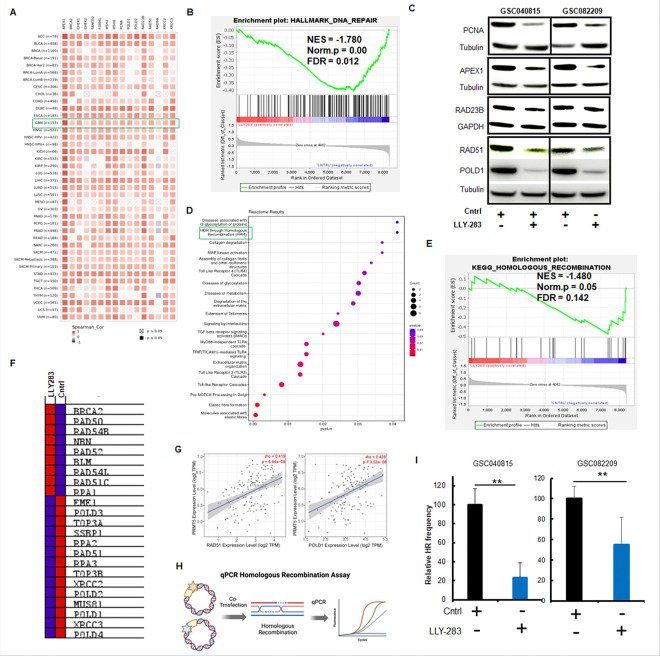
We found that PRMT5 inhibition increased the cytotoxic effect and caspase 3/7 activity of TMZ in GBMNS suggesting that apoptosis is the potential mode of cell death in the combination treatment. PRMT5 inhibition abrogated the TMZ-induced G2/M cell cycle arrest. Unbiased transcriptomic studies indicate that PRMT5 inhibition negatively enriches DNA damage repair genes. Importantly, combination therapy increased DNA double-strand breaks (H2AX foci) and enhanced the DNA damage (comet assay), suggesting that the combination treatment increases the TMZ-induced DNA damage. Specifically, the LLY-283 treatment blocked homologous recombination repair in GBMNS. , LLY-283 and TMZ combination significantly curbed the tumor growth and prolonged the survival of tumor-bearing mice.
Concomitant treatment of LLY-283 and TMZ has significantly greater antitumor efficacy, suggesting that PRMT5 inhibition and TMZ combination could be a new therapeutic strategy for glioblastoma.
尽管胶质母细胞瘤患者接受了最大程度手术切除、放疗、化疗及肿瘤治疗电场等多模式治疗,但其预后仍很差。蛋白精氨酸甲基转移酶5(PRMT5)在胶质母细胞瘤中过表达,抑制该酶具有抗肿瘤作用。虽然替莫唑胺(TMZ)是治疗胶质母细胞瘤的标准化疗药物,但肿瘤细胞总会对TMZ产生耐药性。然而,PRMT5在胶质母细胞瘤治疗耐药中的机制作用尚不清楚。
用PRMT5抑制剂(LLY-283)处理或用PRMT5靶点特异性小干扰RNA转染患者来源的原发性胶质母细胞瘤神经球(GBMNS),然后用TMZ处理并进行功能和机制研究。采用颅内小鼠异种移植模型测试联合治疗的抗肿瘤疗效。
我们发现抑制PRMT5可增强TMZ对GBMNS的细胞毒性作用及半胱天冬酶3/7活性,提示联合治疗中细胞凋亡可能是细胞死亡的潜在方式。抑制PRMT5可消除TMZ诱导的G2/M期细胞周期阻滞。非偏向性转录组学研究表明,抑制PRMT5会使DNA损伤修复基因呈负富集。重要的是,联合治疗增加了DNA双链断裂(H2AX焦点)并增强了DNA损伤(彗星试验),表明联合治疗增加了TMZ诱导的DNA损伤。具体而言,LLY-283处理可阻断GBMNS中的同源重组修复。LLY-283与TMZ联合显著抑制肿瘤生长并延长荷瘤小鼠的生存期。
LLY-283与TMZ联合治疗具有显著更强的抗肿瘤疗效,提示抑制PRMT5与TMZ联合可能是胶质母细胞瘤的一种新治疗策略。