Tanaka Yuki, Takeshita Hideki, Yokota Kazuki, Chon Sonin, Fujii Kenta, Ishida Ayano, Arai Masahiro, Tachibana Kojiro, Nagamoto Shoichi, Kitayama Sachi, Okada Yohei, Yano Akihiro, Satoru Kawakami
Department of Urology, Saitama Medical Center, Saitama Medical University, Kawagoe, Saitama, Japan.
Am J Case Rep. 2025 Mar 7;26:e946924. doi: 10.12659/AJCR.946924.
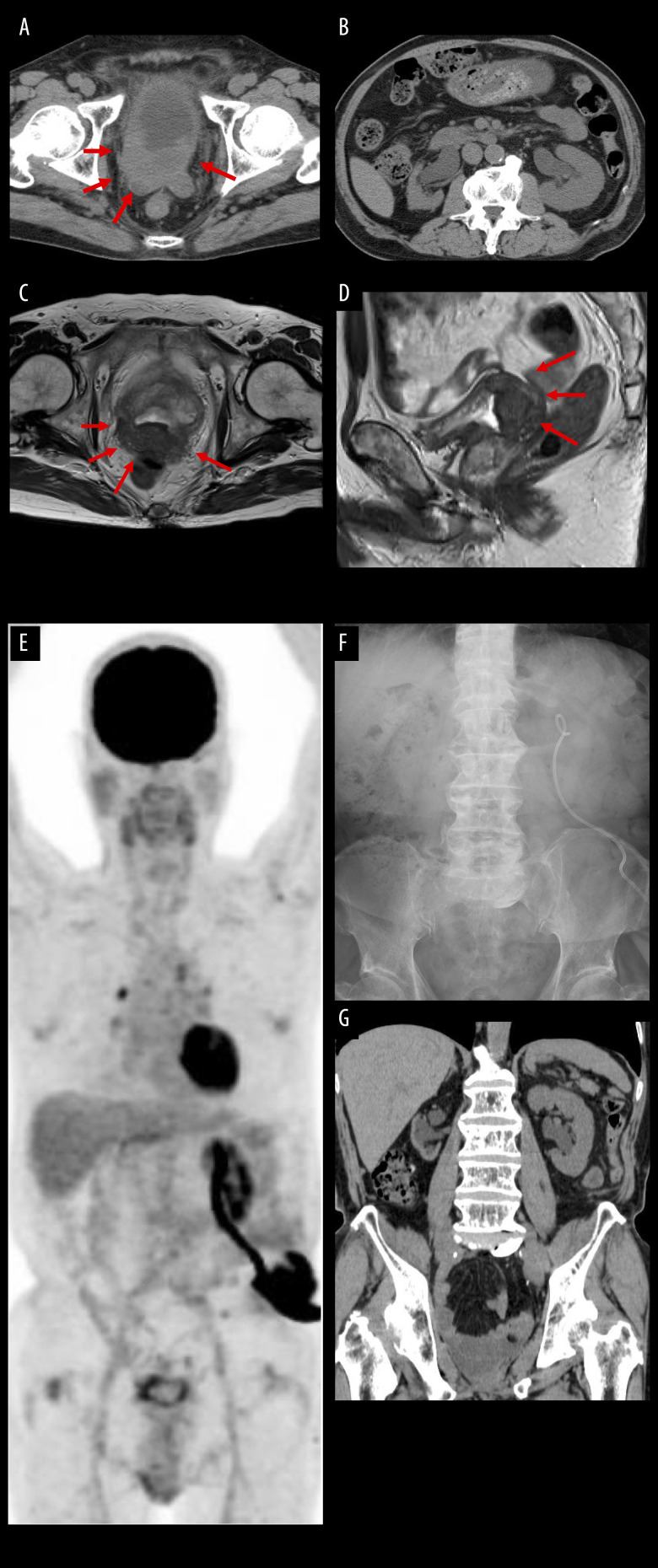
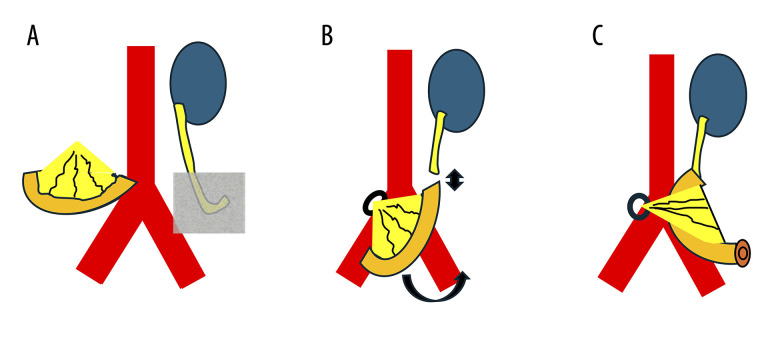
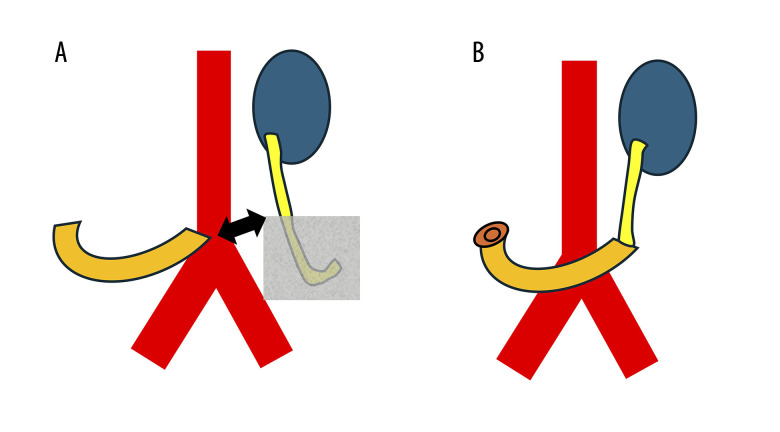
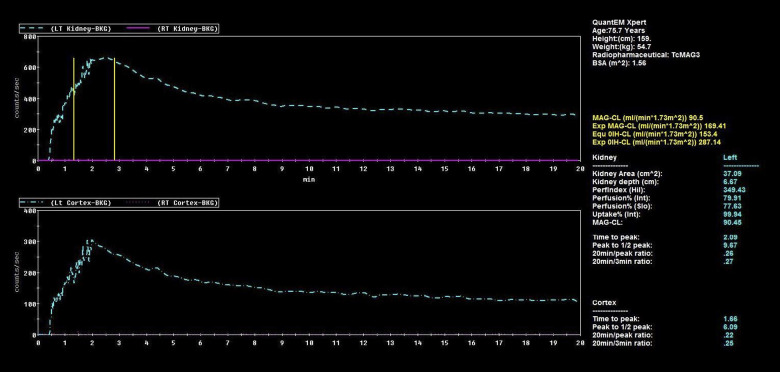
BACKGROUND Cutaneous ureterostomy (CU) is a commonly used urinary diversion procedure, particularly for patients with poor prognosis, such as those with advanced cancer, a single kidney, or older age. CU is technically easier and faster to perform than other procedures, such as ileal conduit and ileal neobladder, as it does not involve the intestines, thus reducing the risk of postoperative intestinal complications and metabolic abnormalities. However, CU has several drawbacks, including difficulty in achieving a catheter-free status, frequent urinary tract infections, and concerns about long-term renal function, which can negatively impact a patient's quality of life. Recent advancements in the treatment of advanced metastatic urothelial cancer, particularly with immune checkpoint inhibitors and antibody-drug conjugates, have significantly improved the prognosis of patients with urothelial carcinoma. As a result, some patients who underwent CU and were initially considered to have poor prognosis achieved long-term remission. For these patients, the next goal is to establish a stable urinary diversion method that minimizes management effort and reduces the risk of infection and renal dysfunction. CASE REPORT This report presents 2 cases of revisional urinary diversion from CU to ileal conduit in patients with locally advanced bladder cancer who initially underwent CU and achieved long-term remission with pembrolizumab. Both patients achieved catheter-free status and preserved renal function postoperatively. CONCLUSIONS These cases highlight the potential benefits of staged urinary diversion in improving the quality of life of bladder cancer survivors in an era of targeted immunotherapy.
背景 皮肤输尿管造口术(CU)是一种常用的尿流改道手术,尤其适用于预后较差的患者,如晚期癌症、单肾或老年患者。与其他手术,如回肠导管和回肠新膀胱相比,CU在技术上更容易实施且更快,因为它不涉及肠道,从而降低了术后肠道并发症和代谢异常的风险。然而,CU有几个缺点,包括难以实现无导管状态、频繁的尿路感染以及对长期肾功能的担忧,这些都会对患者的生活质量产生负面影响。晚期转移性尿路上皮癌治疗的最新进展,特别是免疫检查点抑制剂和抗体药物偶联物的应用,显著改善了尿路上皮癌患者的预后。因此,一些最初被认为预后较差而接受CU手术的患者实现了长期缓解。对于这些患者,下一个目标是建立一种稳定的尿流改道方法,以尽量减少管理工作,并降低感染和肾功能不全的风险。病例报告 本报告介绍了2例局部晚期膀胱癌患者从CU改为回肠导管的修正性尿流改道病例,这些患者最初接受了CU手术,并通过帕博利珠单抗实现了长期缓解。两名患者术后均实现了无导管状态并保留了肾功能。结论 这些病例突出了在靶向免疫治疗时代,分期尿流改道对改善膀胱癌幸存者生活质量的潜在益处。