Morfino Robert, Gawlik Bernd Manfred, Tavazzi Simona, Tessarolo Angela, Gutierrez Ana Burgos, Madhav Nita K, Grimsley Jasmine, Schierhorn Amy, Franklin Andrew, Vargha Marta, Engeli Andrew, Wolfe Mitchell
Ginkgo Bioworks Inc., 27 Drydock Ave 8th Floor, Boston, MA, 02210, USA.
Joint Research Centre, European Commission, Via Enrico Fermi 2749, 21027, Ispra, Italy.
Hum Genomics. 2025 Mar 11;19(1):24. doi: 10.1186/s40246-025-00725-w.
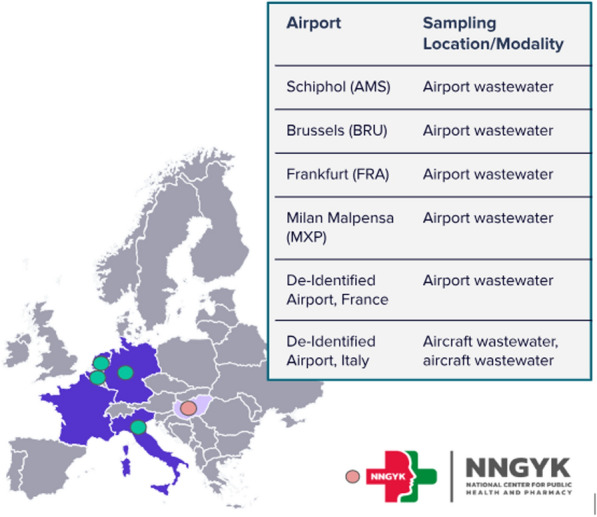
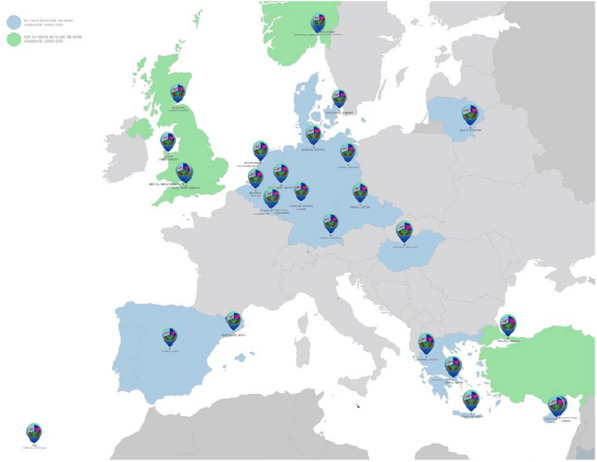
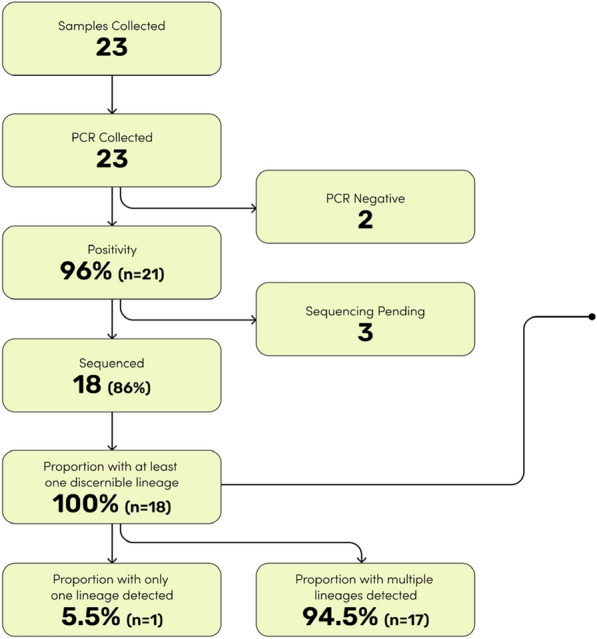
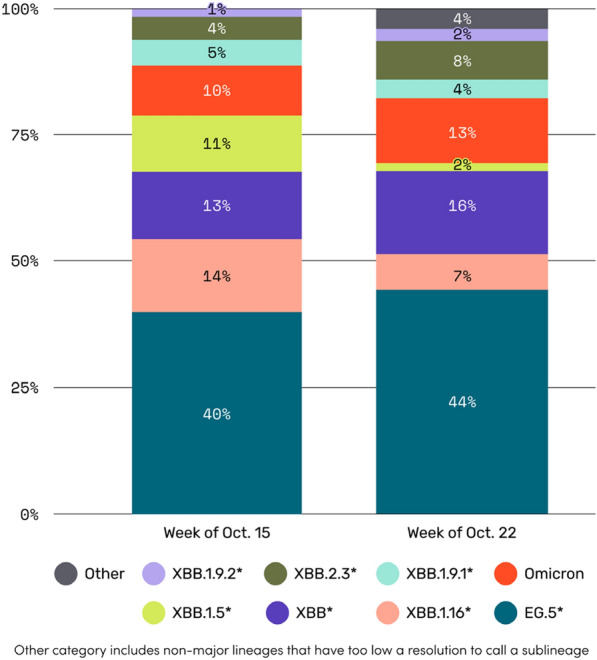
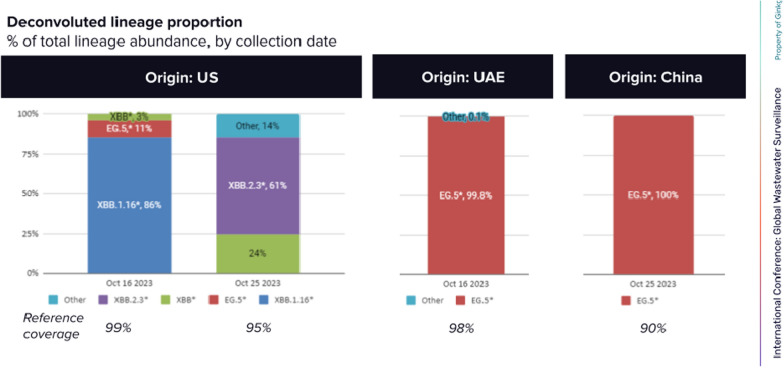
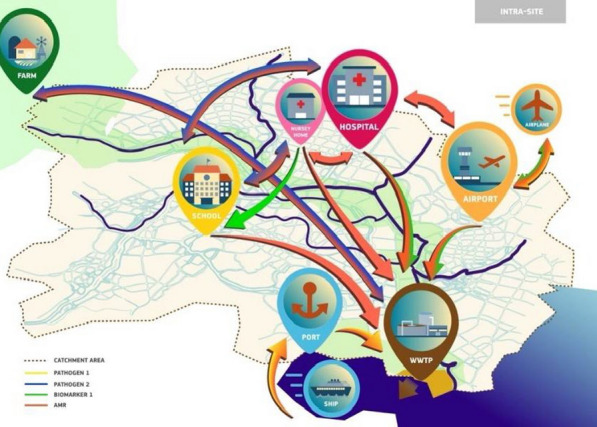
Pathogens know no borders, and the COVID-19 pandemic highlighted the urgent need for comparable, globally accessible pathogen data. This paper proposes a European wastewater pathogen monitoring network using aircraft and airport samples as a proof of concept for an effective cross-national surveillance system. The study emphasizes the importance of genomic data collection from strategic sites to produce high-value data for disease surveillance and epidemiological analysis. The authors suggest establishing "Super Sites" in key locations, particularly major transportation hubs like airports, to serve as focal points for wastewater-based pathogen surveillance. The European Commission has identified over 20 candidate Super Sites and supports their integration into a Global Wastewater Sentinel System. In October 2023, the European Commission's Joint Research Centre (JRC) and Ginkgo Bioworks conducted an ad hoc exercise, collecting and analyzing wastewater samples from airports and aircraft across Europe. This exercise demonstrated the feasibility of coordinated sampling, centralized processing, and data sharing across different countries. Samples were collected from eight airports over two weeks, employing various methods for different types of wastewater, including samples from terminals and aircraft. Across airports, 96% of wastewater samples tested positive for SARS-CoV-2, with similar viral loads between aircraft and airport sewage, and multiple lineages were identified, including the EG.5 variant, which is consistent with the publicly reported variant data. The results underscore the potential of routine aircraft wastewater monitoring as an early warning system for emerging pathogens. The study also highlights the need for standardized protocols and real-time reporting systems and the importance of addressing ethical considerations in handling passenger data. By creating a network of Super Sites, and integrating cross-national wastewater surveillance data with passenger flight data, the European Union aims to strengthen global public health responses to future pandemics. Establishing this surveillance network is a crucial step towards a pan-European surveillance system for pathogens, providing a non-intrusive complement to existing systems that rely on individual testing. This system will significantly improve early detection capabilities, leading to more rapid and robust responses and ultimately enhancing global health security.
病原体无国界,新冠疫情凸显了对可比的、全球可获取的病原体数据的迫切需求。本文提出建立一个欧洲废水病原体监测网络,利用飞机和机场样本作为有效跨国监测系统的概念验证。该研究强调了从战略地点收集基因组数据对于生成用于疾病监测和流行病学分析的高价值数据的重要性。作者建议在关键地点,特别是像机场这样的主要交通枢纽建立“超级站点”,作为基于废水的病原体监测的重点。欧盟委员会已确定了20多个候选超级站点,并支持将它们整合到全球废水哨兵系统中。2023年10月,欧盟委员会联合研究中心(JRC)和银杏生物工程公司进行了一次特别行动,收集并分析了欧洲各地机场和飞机上的废水样本。这次行动证明了不同国家之间协调采样、集中处理和数据共享的可行性。在两周内从八个机场采集了样本,针对不同类型的废水采用了各种方法,包括来自候机楼和飞机的样本。在各个机场,96%的废水样本检测出新冠病毒呈阳性,飞机和机场污水中的病毒载量相似,并且识别出了多个谱系,包括EG.5变体,这与公开报告的变体数据一致。结果强调了常规飞机废水监测作为新兴病原体预警系统的潜力。该研究还强调了标准化协议和实时报告系统的必要性,以及在处理乘客数据时考虑伦理因素的重要性。通过创建超级站点网络,并将跨国废水监测数据与乘客航班数据整合,欧盟旨在加强全球对未来大流行的公共卫生应对。建立这个监测网络是迈向泛欧洲病原体监测系统的关键一步,为依赖个体检测的现有系统提供了一种非侵入性补充。这个系统将显著提高早期检测能力,带来更快速、有力的应对,最终增强全球卫生安全。