Zhou Naru, Wang Xin, Xia Yi, Liu Zongliang, Luo Lei, Jin Rentao, Tong Xianhong, Shi Zhenhu, Wang Zhichao, Sui Heming, Ma Yangyang, Li Yunsheng, Cao Zubing, Zhang Yunhai
Anhui Province Key Laboratory of Local Livestock and Poultry, Genetical Resource Conservation and Breeding, College of Animal Science and Technology, Anhui Agricultural University, Hefei, China.
Center for Reproduction and Genetics, Division of Life Sciences and Medicine, USTC, The First Affiliated Hospital of University of Science and Technology of China (USTC), Hefei, China.
BMC Genomics. 2025 Mar 12;26(1):236. doi: 10.1186/s12864-025-11431-1.
Oocyte maturation is a critical process responsible for supporting preimplantation embryo development and full development to term. Understanding oocyte gene expression is relevant given the unique molecular mechanism present in this gamete. Comparative transcriptome analysis across species offers a powerful approach to uncover conserved and species-specific genes involved in the molecular regulation of oocyte maturation throughout evolution.
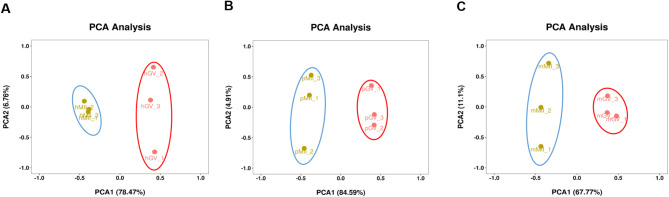
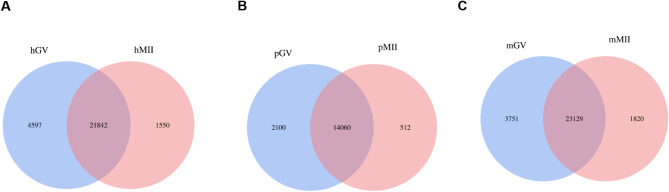
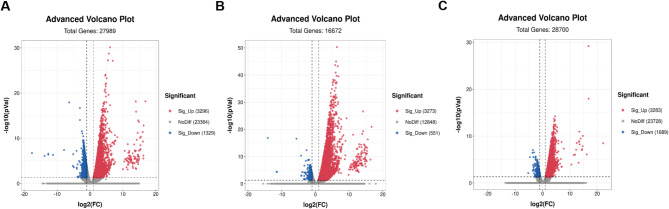
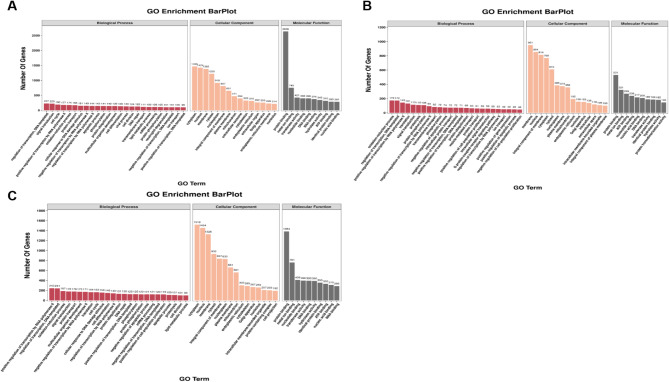
Transcriptome analysis identified 4,625, 3,824, 4,972 differentially expressed genes (DEGs) between the germinal vesicle (GV) and metaphase II (MII) stage in human, porcine and mouse oocytes respectively. These DEGs showed dynamic changes associated with oocyte maturation. Functional enrichment analysis revealed that the DEGs in all three species were mainly involved in DNA replication, cell cycle and redox regulation. Comparative transcriptome analysis identified 551 conserved DEGs in the three species with significant enrichment in mitochondria and mitochondrial intima.
This study provides a systematic comparative analysis of oocyte meiotic maturation in humans, pigs and mice identifying both conserved and species-specific patterns during oocyte meiosis. Our findings also implied that the selection of oocyte expressed genes among these three species could form a basis for further exploring their functional roles in human oocyte maturation.
卵母细胞成熟是支持植入前胚胎发育及足月完全发育的关键过程。鉴于这种配子中存在独特的分子机制,了解卵母细胞基因表达具有重要意义。跨物种的比较转录组分析为揭示在整个进化过程中参与卵母细胞成熟分子调控的保守基因和物种特异性基因提供了一种强大的方法。
转录组分析分别在人、猪和小鼠卵母细胞的生发泡(GV)期和减数第二次分裂中期(MII)期之间鉴定出4625、3824和4972个差异表达基因(DEG)。这些DEG显示出与卵母细胞成熟相关的动态变化。功能富集分析表明,所有三个物种中的DEG主要参与DNA复制、细胞周期和氧化还原调节。比较转录组分析在这三个物种中鉴定出551个保守的DEG,它们在线粒体和线粒体内膜中显著富集。
本研究对人、猪和小鼠的卵母细胞减数分裂成熟进行了系统的比较分析,确定了卵母细胞减数分裂过程中的保守模式和物种特异性模式。我们的研究结果还表明,在这三个物种中选择卵母细胞表达的基因可为进一步探索它们在人类卵母细胞成熟中的功能作用奠定基础。