Khongrum Jurairat, Mairuae Nootchanat, Thanchomnang Tongjit, Zhang Man, Bai Gang, Palachai Nut
Multidisciplinary Research Institute, Chiang Mai University, Chiang Mai 50200, Thailand.
Functional Food Research Center for Well-Being, Multidisciplinary Research Institute, Chiang Mai University, Chiang Mai 50200, Thailand.
Foods. 2025 Mar 5;14(5):892. doi: 10.3390/foods14050892.
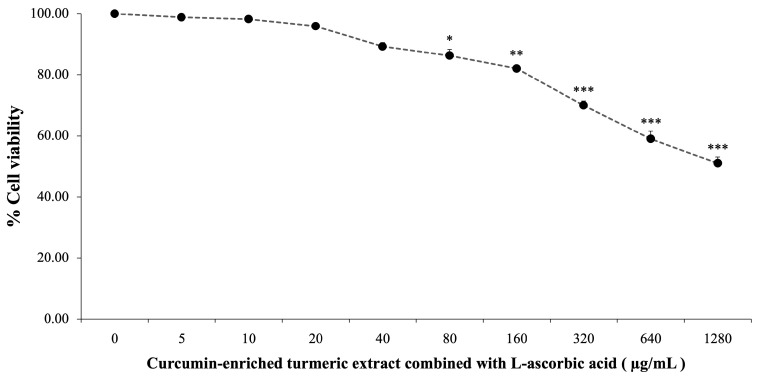
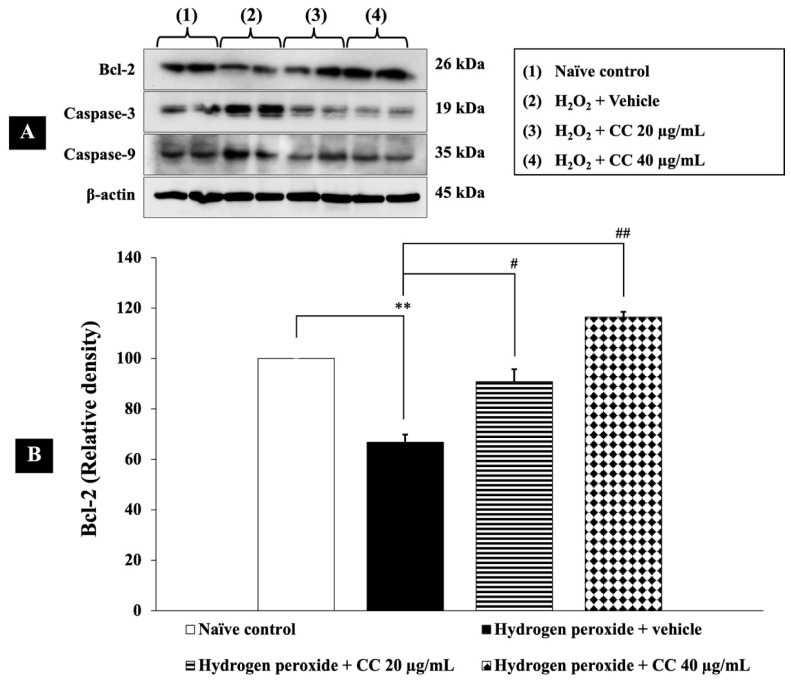
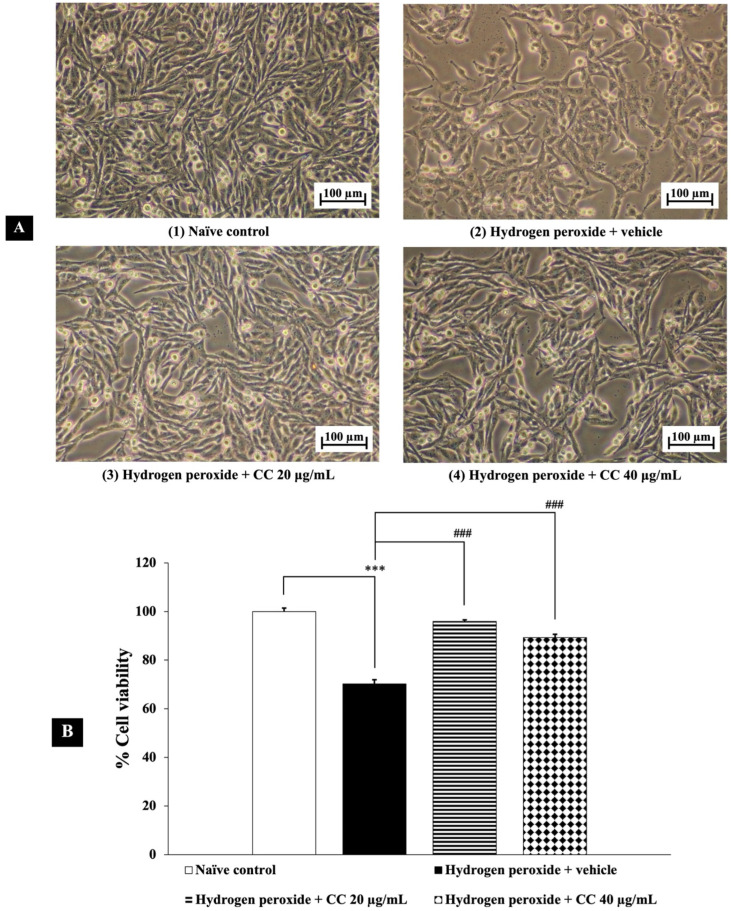
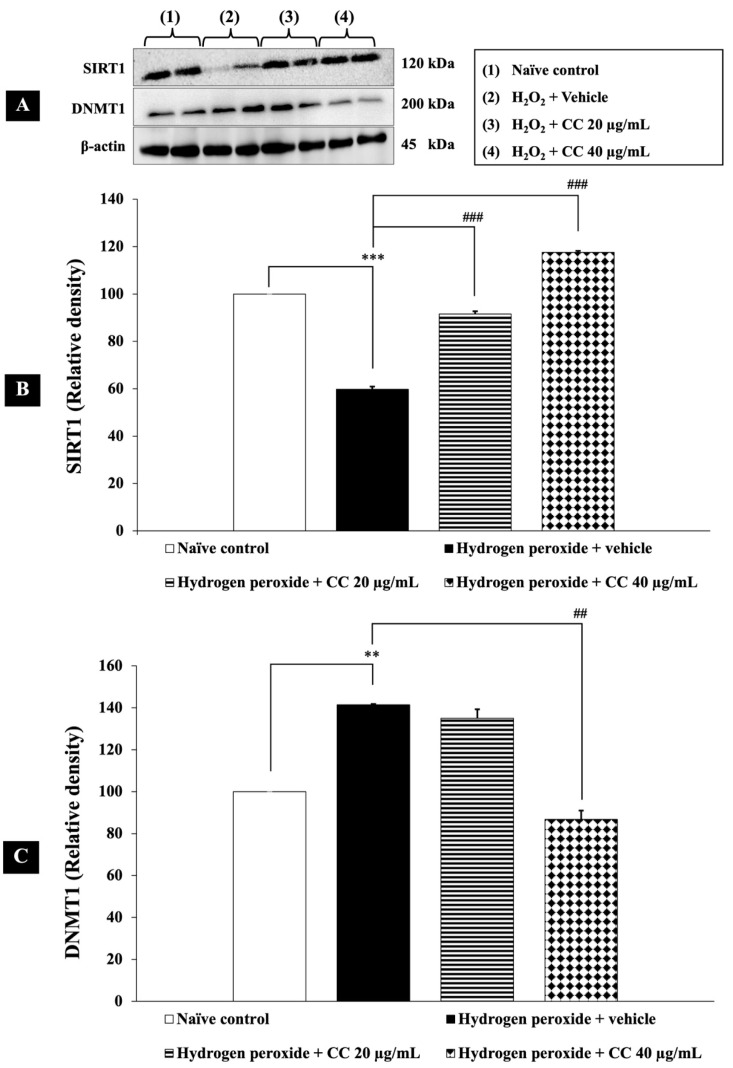
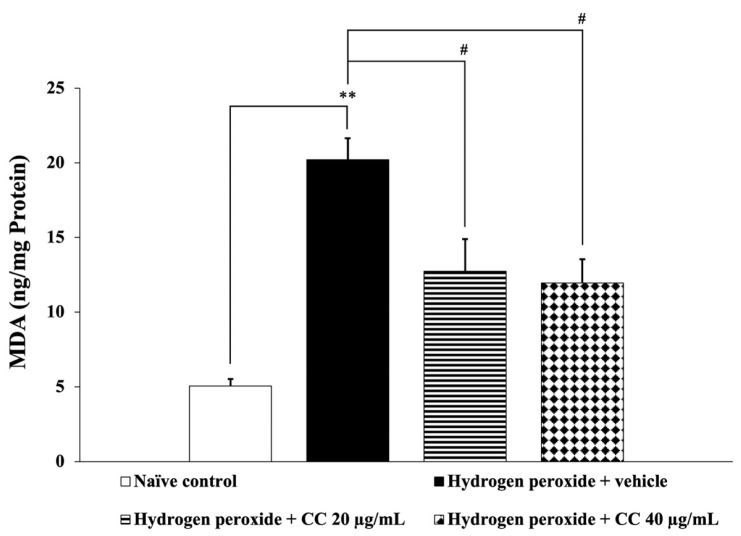
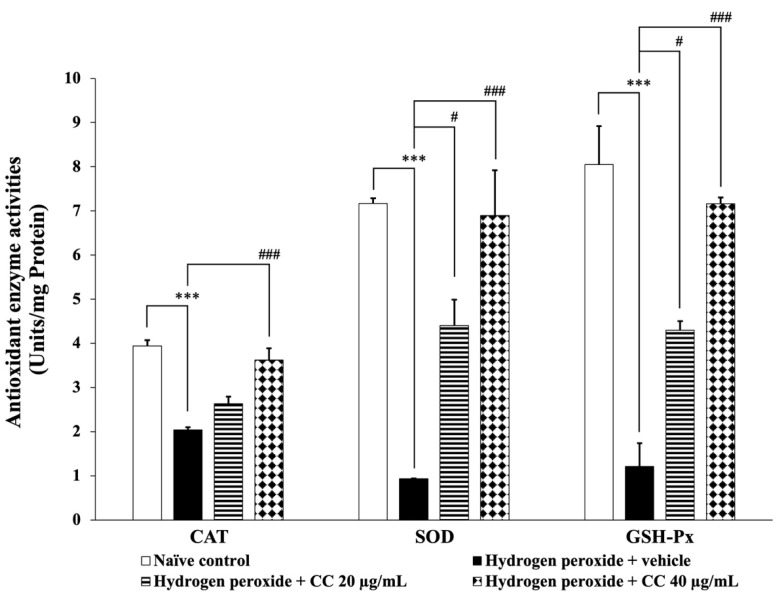
Epigenetic modulation plays a crucial role in neuroprotection by regulating cellular responses to stress, inflammation, and oxidative damage, particularly in neurodegenerative diseases. Recognizing the therapeutic potential of epigenetic regulators, this study investigated the synergistic neuroprotective effects of curcumin-enriched turmeric extract combined with L-ascorbic acid, focusing on its modulation of epigenetic pathways in oxidative stress-induced neuronal damage. SH-SY5Y neuronal cells were treated with the combination at 20 and 40 µg/mL, and subsequently exposed to 200 µM hydrogen peroxide (HO) to induce oxidative stress. Cell viability was assessed using the MTT assay, while neuroprotective mechanisms were evaluated by analyzing the markers of epigenetic modulation, oxidative stress, inflammation, and apoptosis. The combination significantly enhanced cell viability, upregulated sirtuin-1 (SIRT1), and reduced DNA methyltransferase 1 (DNMT1) expression, indicating effective epigenetic modulation. Enhanced antioxidant defenses were observed, as evidenced by increased activities of superoxide dismutase (SOD), catalase (CAT), and glutathione peroxidase (GSH-Px), along with decreased malondialdehyde (MDA) and reactive oxygen species (ROS) levels, alleviating oxidative stress. Additionally, it suppressed nuclear factor kappa B (NF-κB) activity and its downstream mediator interleukin-6 (IL-6), thereby mitigating inflammation. The treatment also increased anti-apoptotic Bcl-2 expression while reducing pro-apoptotic markers, including caspase-3 and caspase-9, suggesting inhibition of the intrinsic apoptotic pathway. These findings highlight the novel neuroprotective effects of this combination, demonstrating its ability to modulate epigenetic pathways while reducing oxidative stress, suppressing inflammation, and preventing undesired apoptosis. Its multifaceted neuroprotective properties make it a promising functional ingredient in functional foods for neurodegenerative disease intervention. However, further investigations, including animal studies and clinical trials, are essential to evaluate its safety and therapeutic potential.
表观遗传调控通过调节细胞对应激、炎症和氧化损伤的反应,在神经保护中发挥关键作用,尤其是在神经退行性疾病中。认识到表观遗传调节剂的治疗潜力,本研究调查了富含姜黄素的姜黄提取物与L-抗坏血酸联合使用的协同神经保护作用,重点关注其对氧化应激诱导的神经元损伤中表观遗传途径的调节。用20和40μg/mL的组合处理SH-SY5Y神经元细胞,随后暴露于200μM过氧化氢(HO)以诱导氧化应激。使用MTT法评估细胞活力,同时通过分析表观遗传调控、氧化应激、炎症和凋亡的标志物来评估神经保护机制。该组合显著提高了细胞活力,上调了沉默调节蛋白1(SIRT1),并降低了DNA甲基转移酶1(DNMT1)的表达,表明有效的表观遗传调控。观察到抗氧化防御增强,超氧化物歧化酶(SOD)、过氧化氢酶(CAT)和谷胱甘肽过氧化物酶(GSH-Px)的活性增加,丙二醛(MDA)和活性氧(ROS)水平降低,减轻了氧化应激。此外,它抑制了核因子κB(NF-κB)活性及其下游介质白细胞介素-6(IL-6),从而减轻了炎症。该处理还增加了抗凋亡蛋白Bcl-2的表达,同时减少了包括半胱天冬酶-3和半胱天冬酶-9在内的促凋亡标志物,表明抑制了内源性凋亡途径。这些发现突出了该组合新的神经保护作用,证明了其调节表观遗传途径的能力,同时减少氧化应激、抑制炎症和防止不必要的凋亡。其多方面的神经保护特性使其成为用于神经退行性疾病干预的功能性食品中有前景的功能成分。然而,包括动物研究和临床试验在内的进一步研究对于评估其安全性和治疗潜力至关重要。