Shi Xiangguo, Li Minhua, Liu Zian, Tiessen Jonathan, Li Yuan, Zhou Jing, Zhu Yudan, Mahesula Swetha, Ding Qing, Tan Lin, Feng Mengdie, Kageyama Yuki, Hara Yusuke, Tao Jacob J, Luo Xuan, Patras Kathryn A, Lorenzi Philip L, Huang Suming, Stevens Alexandra M, Takahashi Koichi, Issa Ghayas C, Samee Md Abul Hassan, Agathocleous Michalis, Nakada Daisuke
Division of Pediatric Hematology/Oncology, Department of Pediatrics, Pennsylvania State University College of Medicine, Hershey, PA, 17033, USA.
Department of Molecular and Precision Medicine, Pennsylvania State University College of Medicine, Hershey, PA, 17033, USA.
Nat Commun. 2025 Mar 18;16(1):2641. doi: 10.1038/s41467-025-57544-9.
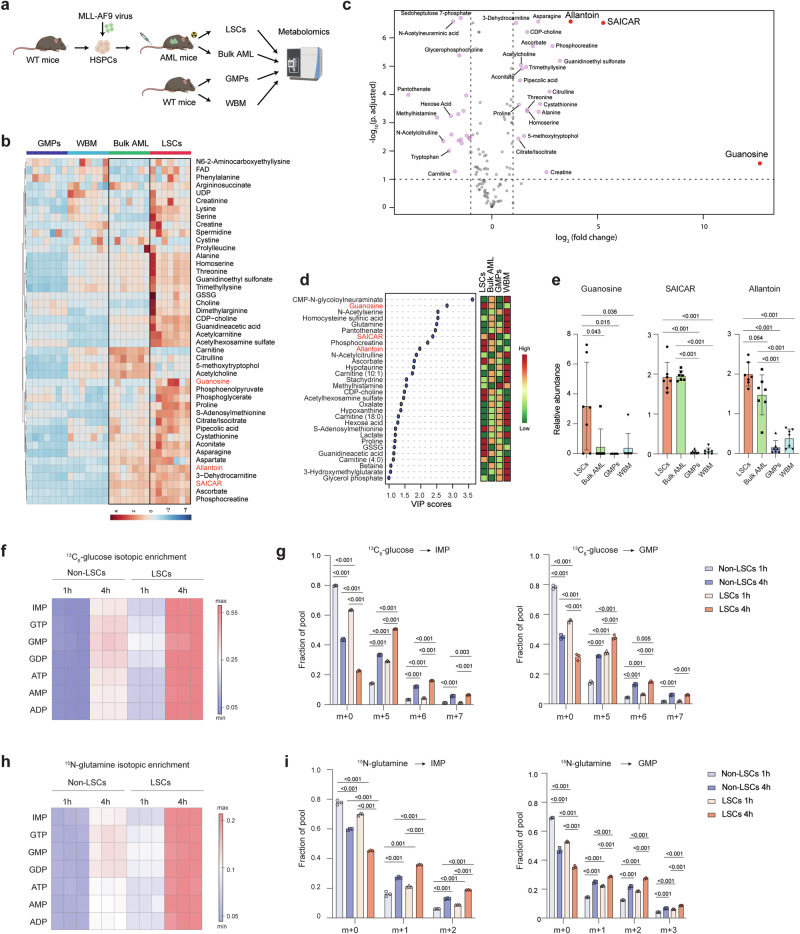
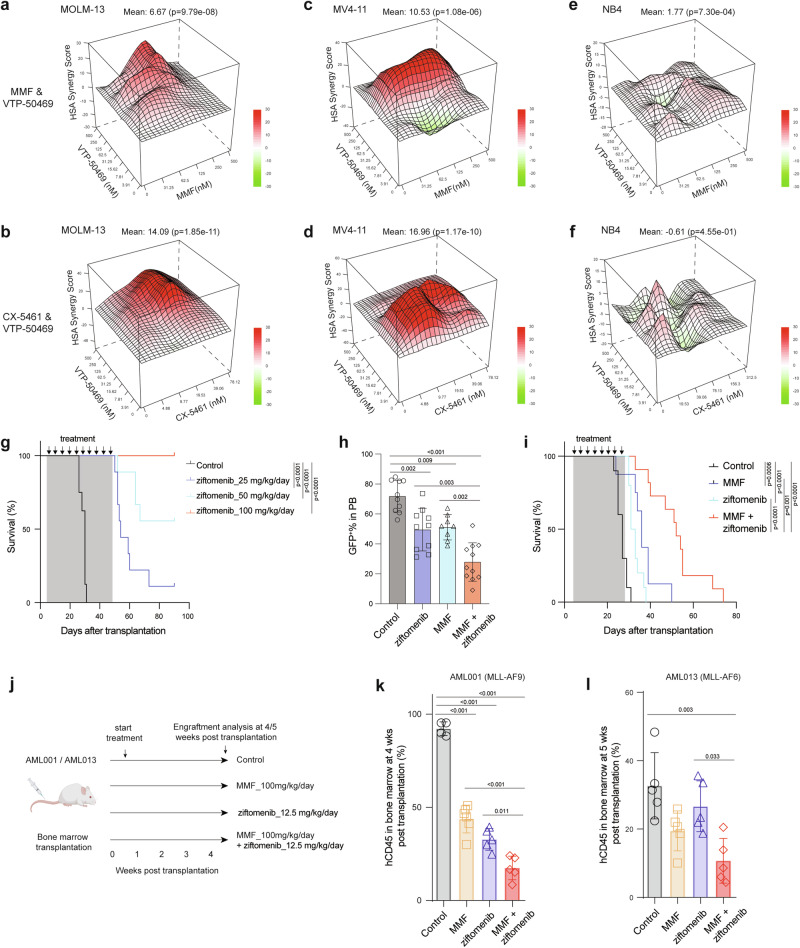
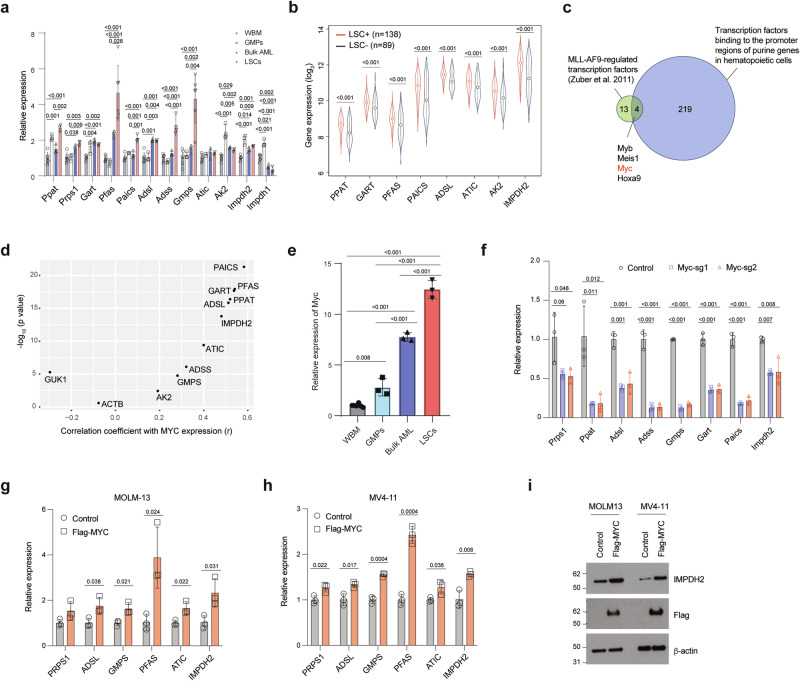
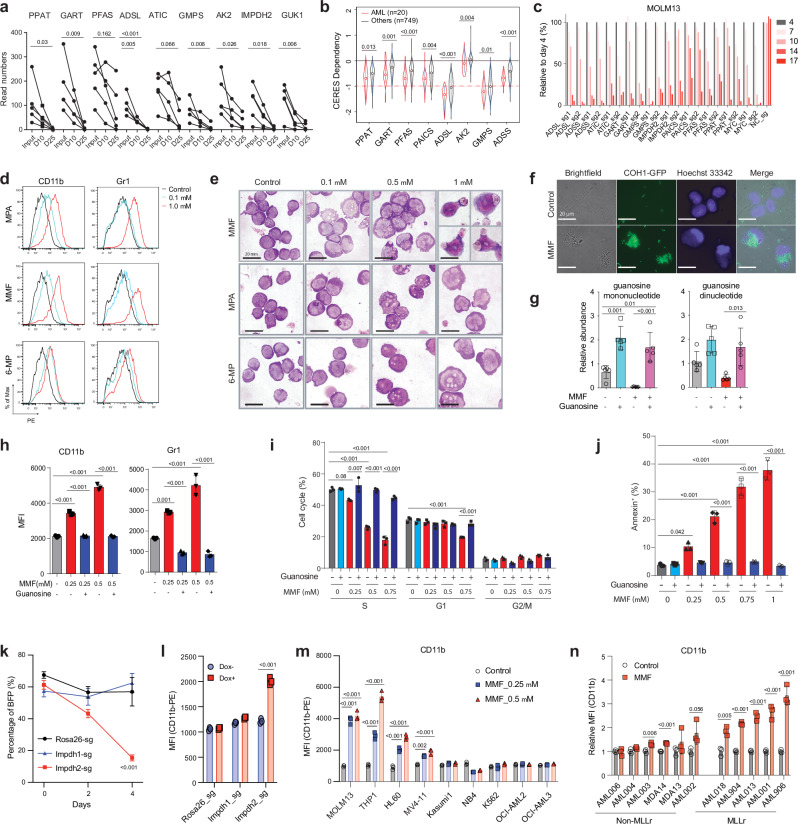
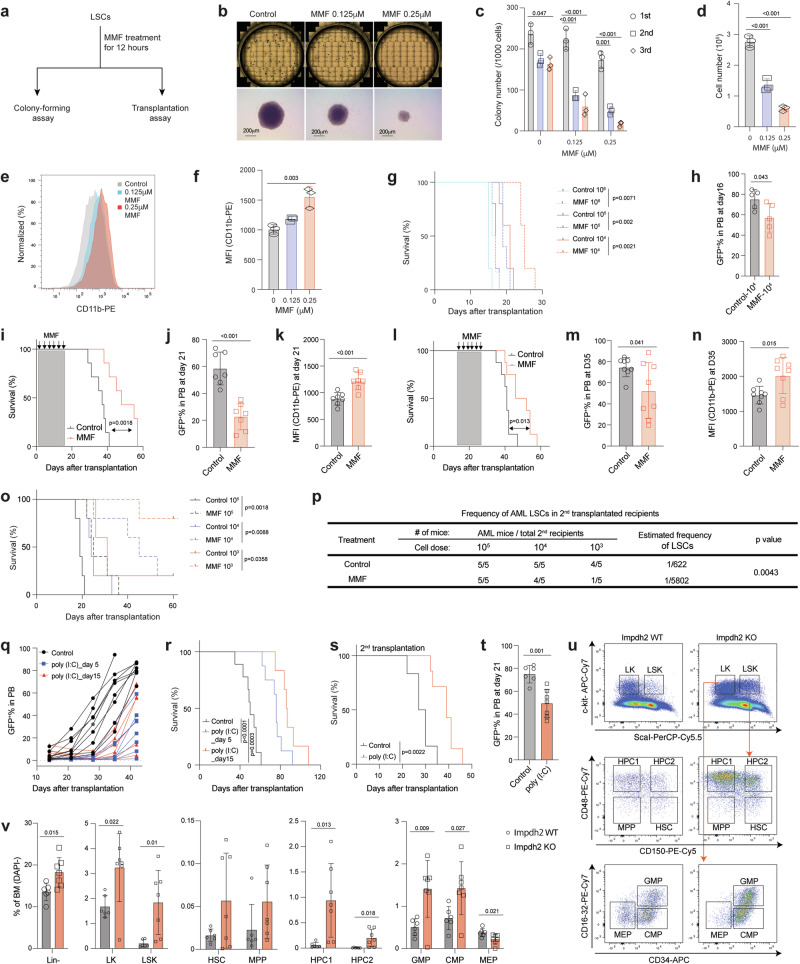
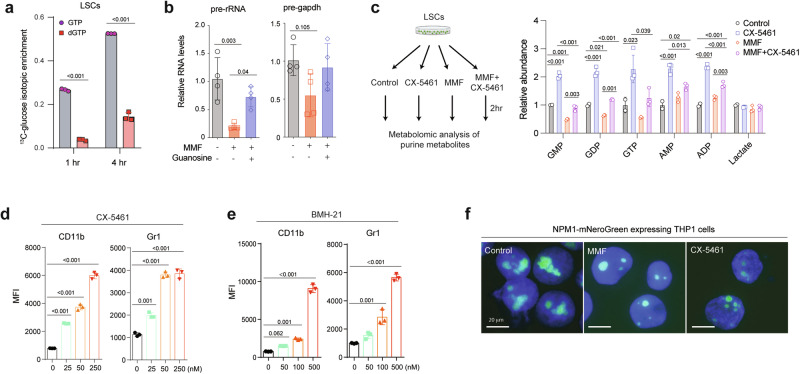
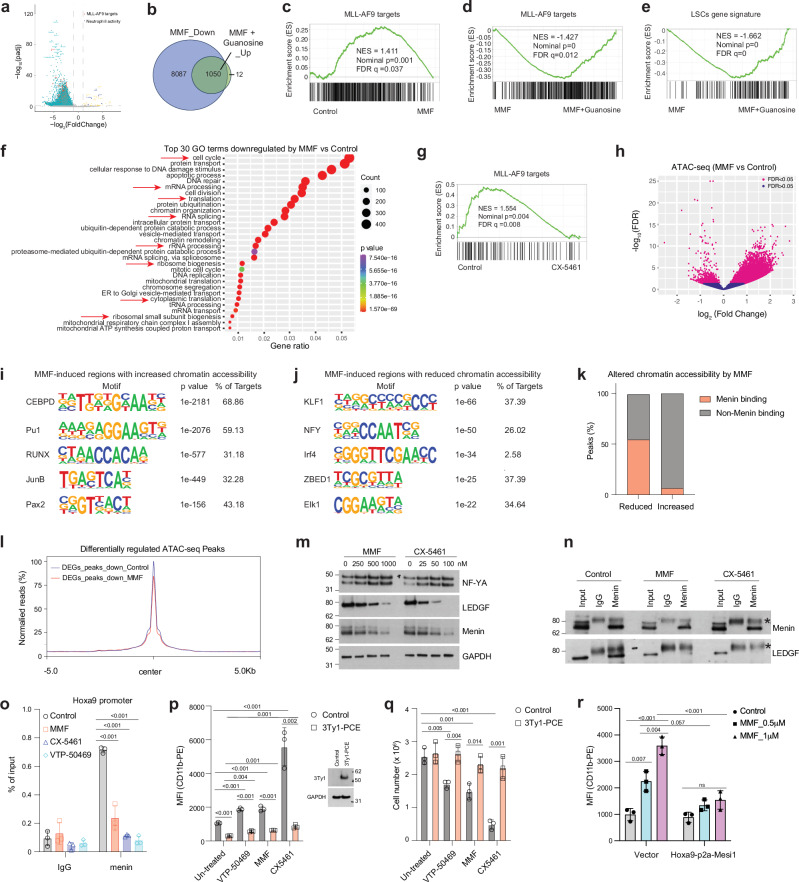
Targeting the dependency of MLL-rearranged (MLLr) leukemias on menin with small molecule inhibitors has opened new therapeutic strategies for these poor-prognosis diseases. However, the rapid development of menin inhibitor resistance calls for combinatory strategies to improve responses and prevent resistance. Here we show that leukemia stem cells (LSCs) of MLLr acute myeloid leukemia (AML) exhibit enhanced guanine nucleotide biosynthesis, the inhibition of which leads to myeloid differentiation and sensitization to menin inhibitors. Mechanistically, targeting inosine monophosphate dehydrogenase 2 (IMPDH2) reduces guanine nucleotides and rRNA transcription, leading to reduced protein expression of LEDGF and menin. Consequently, the formation and chromatin binding of the MLL-fusion complex is impaired, reducing the expression of MLL target genes. Inhibition of guanine nucleotide biosynthesis or rRNA transcription further suppresses MLLr AML when combined with a menin inhibitor. Our findings underscore the requirement of guanine nucleotide biosynthesis in maintaining the function of the LEDGF/menin/MLL-fusion complex and provide a rationale to target guanine nucleotide biosynthesis to sensitize MLLr leukemias to menin inhibitors.
用小分子抑制剂靶向MLL重排(MLLr)白血病对menin的依赖性,为这些预后不良的疾病开辟了新的治疗策略。然而,menin抑制剂耐药性的迅速发展需要联合策略来改善疗效并预防耐药。在此,我们表明MLLr急性髓性白血病(AML)的白血病干细胞(LSC)表现出增强的鸟嘌呤核苷酸生物合成,抑制该生物合成会导致髓系分化并增加对menin抑制剂的敏感性。从机制上讲,靶向肌苷单磷酸脱氢酶2(IMPDH2)可减少鸟嘌呤核苷酸和rRNA转录,导致LEDGF和menin的蛋白表达降低。因此,MLL融合复合物的形成和染色质结合受到损害,从而降低了MLL靶基因的表达。当与menin抑制剂联合使用时,抑制鸟嘌呤核苷酸生物合成或rRNA转录可进一步抑制MLLr AML。我们的研究结果强调了鸟嘌呤核苷酸生物合成在维持LEDGF/menin/MLL融合复合物功能中的必要性,并为靶向鸟嘌呤核苷酸生物合成以使MLLr白血病对menin抑制剂敏感提供了理论依据。