Joulaei Hassan, Morshed-Behbahani Bahar, Ghadimi Parnian, Nadimi Parashkouhi Sadar, Mansoori Yasaman
Health Policy Research Center, Institute of Health, Shiraz University of Medical Sciences, Shiraz, Iran.
Department of Midwifery, School of Nursing and Midwifery, Shiraz University of Medical Sciences, Shiraz, Iran.
Int J Equity Health. 2025 Apr 7;24(1):96. doi: 10.1186/s12939-025-02469-4.
Governments strategically shape their population policies to effectively harness and sustain vital human resources, responding to the evolving dynamics of demographic trends and the intricate interplay of economic, social, and political conditions. Nevertheless, they strive to uphold their populations'health and fundamental rights. Iran's population policies have undergone significant shifts over the past four decades, reflecting changing socio-political dynamics and demographic challenges. This study aims to analyze Iran's population policies, emphasizing their implications for health outcomes and the status of human rights, offering important insights for governance in population policy.
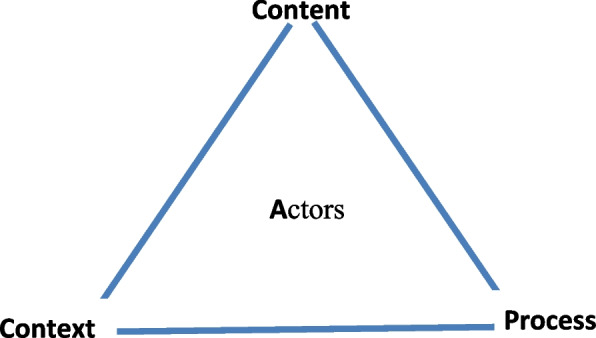
We conducted a qualitative study using Walt Gilson's Policy Analysis Triangle framework. Data were collected through in-depth interviews and national policy documents. Thematic analysis was employed to identify themes across policy context, content, process, and actors.
In the realm of population policies that impact the health and rights of individuals, members of parliament and pressure groups wielded the greatest power and influence. The policy-making environment was intricate and turbulent; governance exhibited poor and biased implementation; and, regarding content, an ineffective and inconsistent population policy package existed.
Population policies that overlook ethical principles and do not adequately address social needs or adapt to the evolving dynamics of societies pose a risk to individual health and infringe upon fundamental human rights.
政府战略性地制定人口政策,以有效利用和维持重要的人力资源,应对人口趋势的不断变化以及经济、社会和政治状况的复杂相互作用。尽管如此,它们仍努力维护其民众的健康和基本权利。在过去四十年里,伊朗的人口政策发生了重大转变,反映出社会政治动态和人口挑战的变化。本研究旨在分析伊朗的人口政策,强调其对健康结果和人权状况的影响,为人口政策治理提供重要见解。
我们使用沃尔特·吉尔森的政策分析三角框架进行了一项定性研究。通过深入访谈和国家政策文件收集数据。采用主题分析来确定政策背景、内容、过程和行为者方面的主题。
在影响个人健康和权利的人口政策领域,议员和压力团体拥有最大的权力和影响力。政策制定环境复杂且动荡;治理表现出执行不力和有偏见;而且,在内容方面,存在一套无效且不一致的人口政策。
忽视伦理原则、未充分满足社会需求或未适应社会不断变化动态的人口政策,对个人健康构成风险并侵犯基本人权。