
整合网络药理学与实验验证以探究穿心莲内酯抗哮喘的药理机制。
Integration of network pharmacology and experimental validation to explore the pharmacological mechanism of andrographolide against asthma.
作者信息
Yu Qian, Zhu LiHong, Ding XuChun, Lou YaFang
机构信息
Department of Pulmonary and Critical Care Medicine, Hangzhou TCM Hospital Affiliated to Zhejiang Chinese Medical University, Hangzhou, Zhejiang, China.
出版信息
Bioresour Bioprocess. 2025 Apr 8;12(1):30. doi: 10.1186/s40643-025-00869-6.
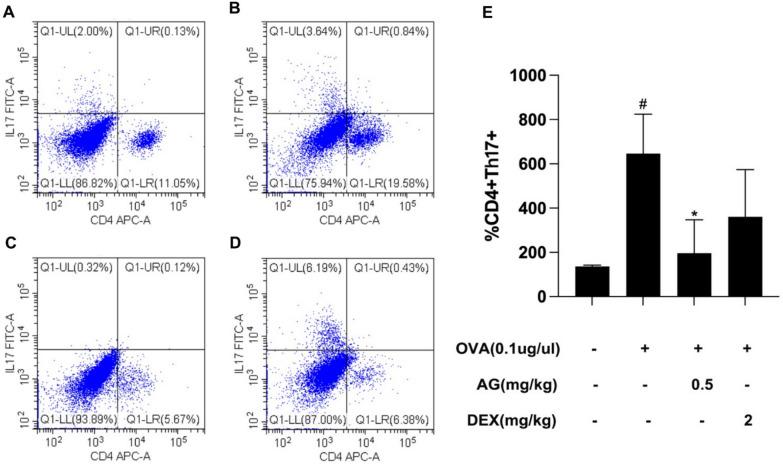
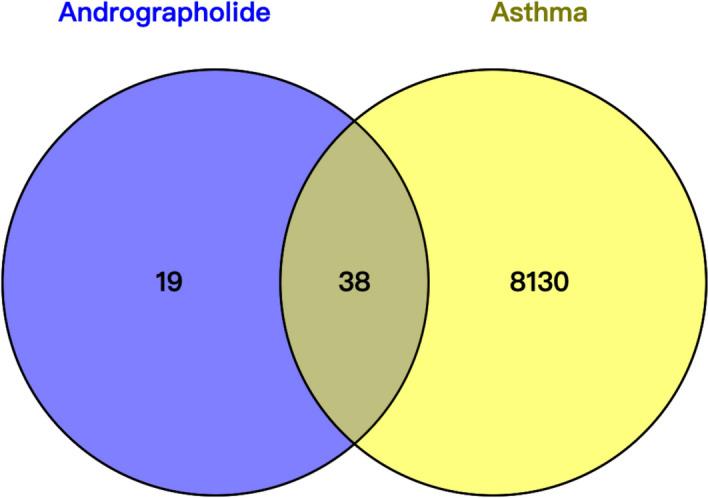
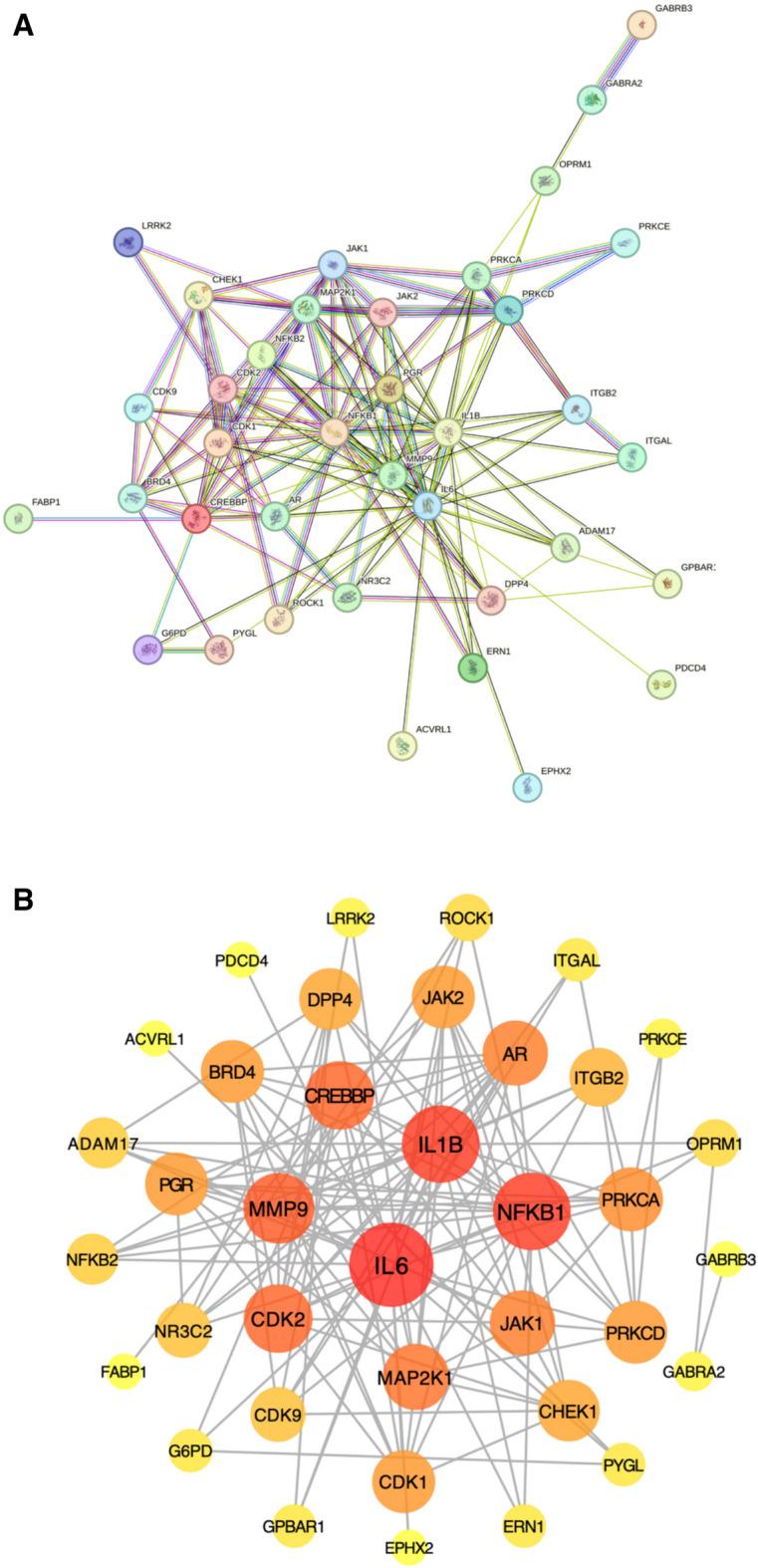
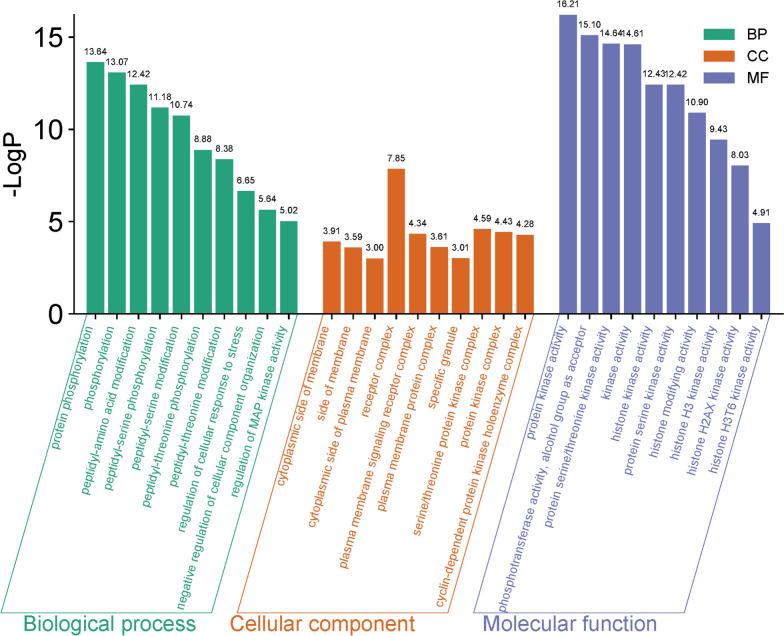
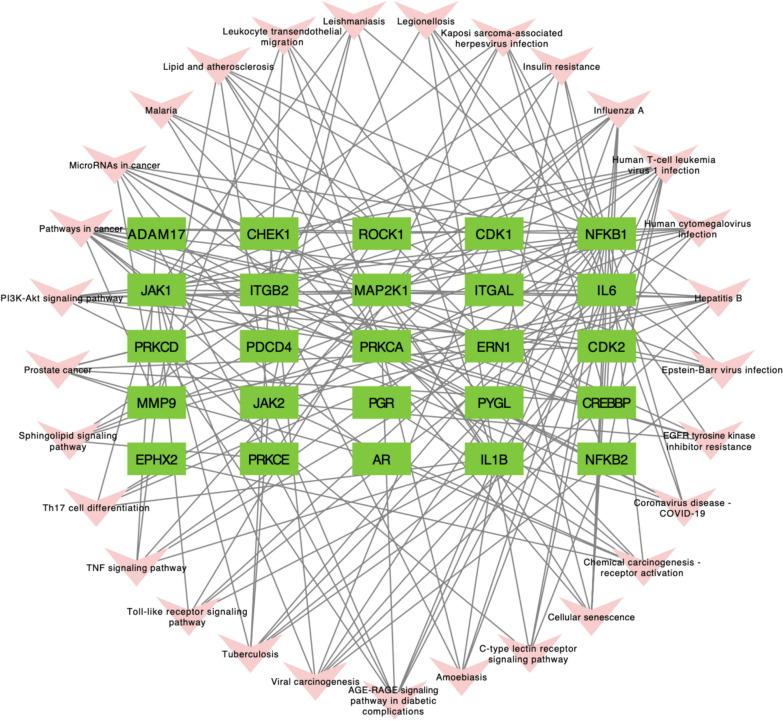
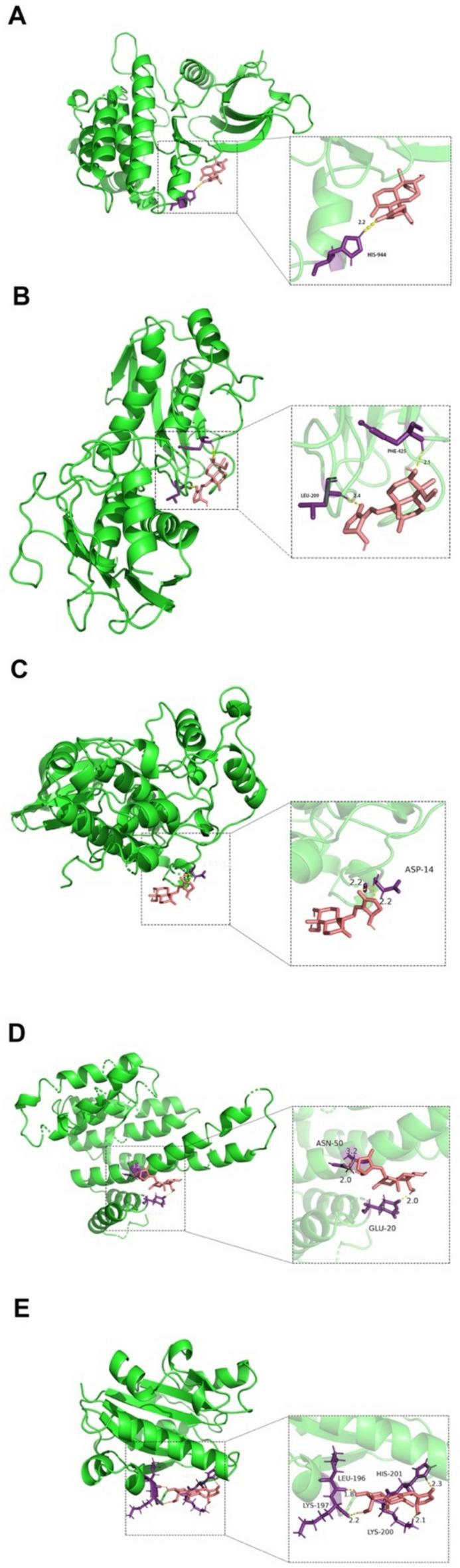
Andrographolide (AG), one of the main active components of Andrographis paniculata (Burm.f.) Wall. ex Nees, has been proved to possess the pharmacological function of anti-inflammation in multiple disease including asthma. But the potential mechanism is still not clear. In this study, network pharmacology, molecular docking and experimental validation were utilized to explore the molecular mechanism of AG in the treatment of asthma. AG-related targets and asthma-related targets were screened by Swiss Target Prediction, DrugBank, STITCH, OMIM, Genecards and TTD databases. A protein-protein interaction (PPI) network was obtained through the STRING Database. The plug-in of "Network Analyzer" in Cytoscape 3.7.1 software was used to conduct the topological analysis. GO enrichment and KEGG pathway analysis were achieved by Metascape database and Bioinformatics platform. The target-pathway network was acquired by Cytoscape 3.7.1 software. The binding affinity between AG and the target genes was evaluated by Molecular docking with AutoDockTools 1.5.6. Flow cytometry was also used to verify the mechanism behind the treatment of asthma by AG, which was predicted in network pharmacology. In total, 38 targets were identified as potential targets of AG against asthma. The top 10 targets revealed by PPI are: IL-6, IL-1B, NFKB1, MMP9, CDK2, CREBBP, MAP2K1, JAK1, AR, PRKCA. GO and KEGG analysis showed that AG treatment of asthma mainly involved protein phosphorylation, peptidyl-serine phosphorylation, peptidyl-amino acid modification and other biological processes. The main signaling pathways are Th17 cell differentiation, JAK-STAT signaling pathway and PI3K-Akt signaling pathway. Molecular docking showed that AG has higher affinity with MMP9, PRKCA, JAK2, LTGAL and LRRK2. Flow cytometry showed that Th17 cell differentiation may be the potential target of AG in the treatment of asthma. This study successfully revealed the underlying target genes and mechanism involved in the treatment of asthma for AG, providing a reference and guidance for future mechanism research.
穿心莲内酯(AG)是穿心莲(Andrographis paniculata (Burm.f.) Wall. ex Nees)的主要活性成分之一,已被证明在包括哮喘在内的多种疾病中具有抗炎药理作用。但其潜在机制仍不清楚。本研究利用网络药理学、分子对接和实验验证来探讨AG治疗哮喘的分子机制。通过瑞士靶点预测、药物银行、STITCH、在线孟德尔遗传性人类疾病数据库、基因卡片和治疗靶点数据库筛选出AG相关靶点和哮喘相关靶点。通过STRING数据库获得蛋白质-蛋白质相互作用(PPI)网络。使用Cytoscape 3.7.1软件中的“网络分析器”插件进行拓扑分析。通过Metascape数据库和生物信息学平台进行基因本体(GO)富集和京都基因与基因组百科全书(KEGG)通路分析。通过Cytoscape 3.7.1软件获得靶点-通路网络。使用AutoDockTools 1.5.6通过分子对接评估AG与靶基因之间的结合亲和力。还使用流式细胞术验证网络药理学中预测的AG治疗哮喘的潜在机制。总共确定了38个靶点为AG抗哮喘的潜在靶点。PPI显示的前10个靶点为:白细胞介素-6(IL-6)、白细胞介素-1β(IL-1B)、核因子κB亚基1(NFKB1)、基质金属蛋白酶9(MMP9)、细胞周期蛋白依赖性激酶2(CDK2)、环磷腺苷效应元件结合蛋白(CREBBP)、丝裂原活化蛋白激酶激酶1(MAP2K1)、 Janus激酶1(JAK1)、雄激素受体(AR)、蛋白激酶Cα(PRKCA)。GO和KEGG分析表明,AG治疗哮喘主要涉及蛋白质磷酸化、肽基丝氨酸磷酸化、肽基氨基酸修饰等生物学过程。主要信号通路为辅助性T细胞17(Th17)细胞分化、JAK-信号转导和转录激活因子(STAT)信号通路和磷脂酰肌醇-3激酶(PI3K)-蛋白激酶B(Akt)信号通路。分子对接显示AG与MMP9、PRKCA、JAK2、白细胞介素-1β(LTGAL)和富含亮氨酸重复激酶2(LRRK2)具有更高的亲和力。流式细胞术显示Th17细胞分化可能是AG治疗哮喘的潜在靶点。本研究成功揭示了AG治疗哮喘的潜在靶基因和机制,为今后的机制研究提供了参考和指导。

 Zotero 插件