Zeng Xingying, Chen Yong, Yu Xiongying, Che Yuanyuan, Chen Hui, Yi Zhaoshi, Qin Jie, Zhong Jianmin
Molecular Diagnostic Laboratory, Children's Hospital of Jiangxi Province, Nanchang, 330006, China.
Department of Neurology, Children's Hospital of Jiangxi Province, Nanchang, 330006, China.
Acta Epileptol. 2023 Feb 21;5(1):6. doi: 10.1186/s42494-022-00114-z.
SYNGAP1 is a significant genetic risk factor for global developmental delay, autism spectrum disorder, and epileptic encephalopathy. De novo loss-of-function variants in this gene cause a neurodevelopmental disorder, for example, early-onset and drug-refractory seizures. We report two children with global developmental delay and epileptic encephalopathy, which are caused by SYNGAP1 gene novel mutations, and drug treatment is effective.
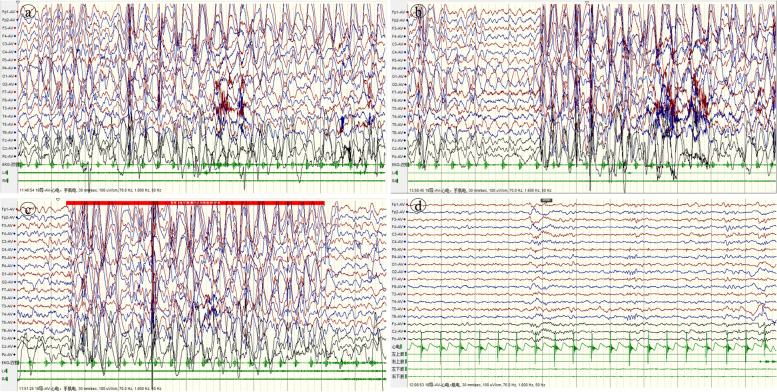
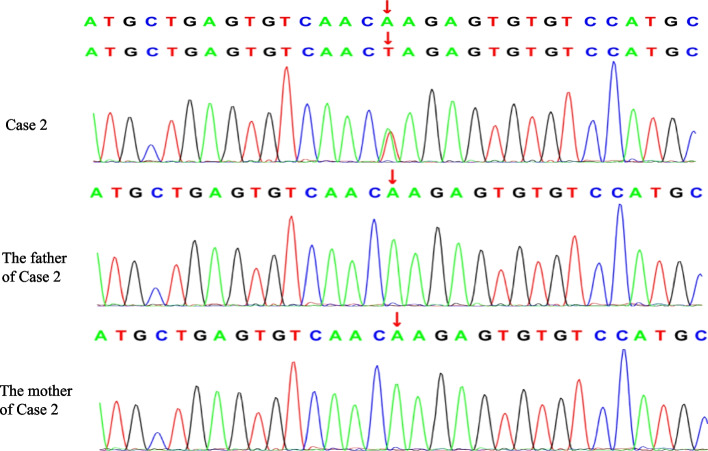
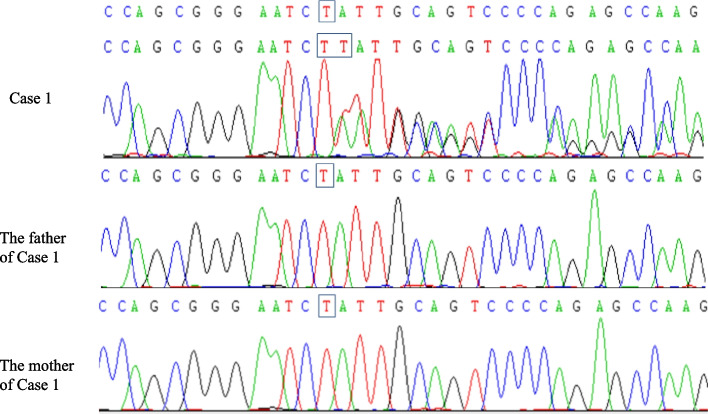
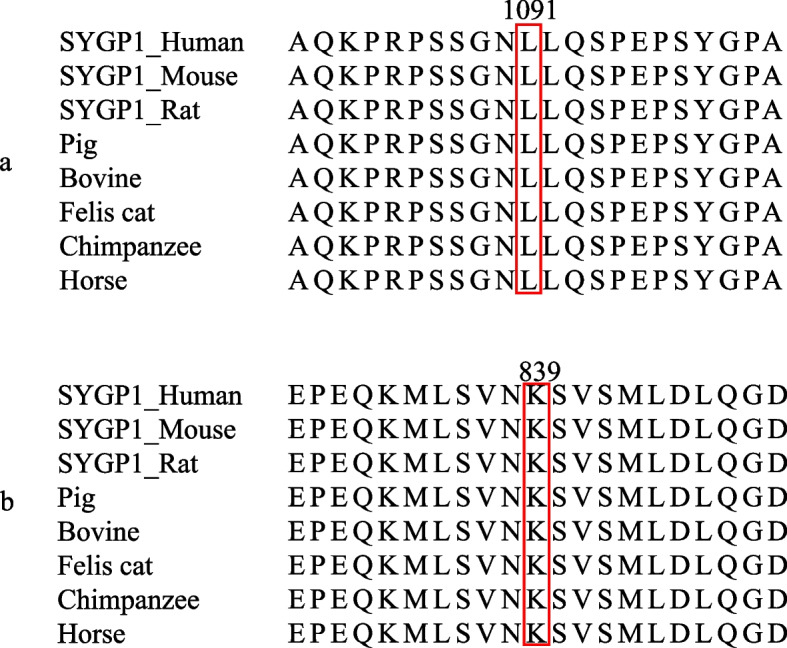
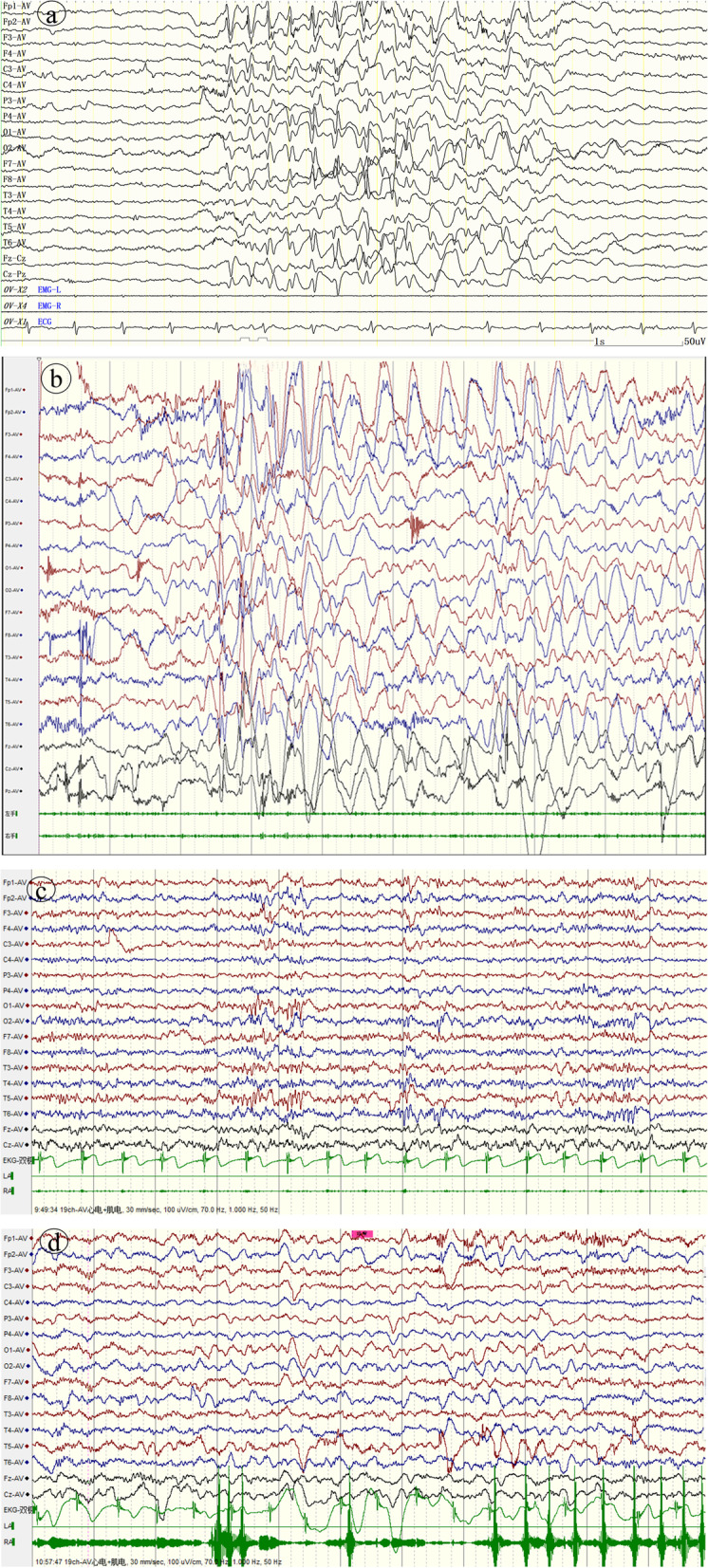
We report a boy and a girl presented with global developmental delay when they were young babies; as they grew up, cognitive impairment and social-communication disorder became more and more prominent; unfortunately, the patients developed into various seizure types, including eyelid myoclonia, myoclonic and absences when the boy was 1 year 8 mouths old and the girl was 3 years old. The two patients were found two previously unknown mutations by high throughput sequencing [c.3271_ c.3272insT; (p.L1091L fs62), c.2515A > T (p.K839)] in exon 15 of the SYNGAP in the proband. Sanger sequencing confirmed the heterozygous nature, and neither of their parents carried the same mutation. The girl treated with valproic acid and prednisone became seizure-free, and valproic acid and levetiracetam combined with clonazepam were influential in the other.
The global developmental delay and epileptic encephalopathy of the children were probably due to the pathogenic mutation of the SYNGAP1 gene, and prednisone and clonazepam may be effective in achieving seizure-free.
SYNGAP1是全球发育迟缓、自闭症谱系障碍和癫痫性脑病的重要遗传风险因素。该基因的新生功能丧失变异会导致神经发育障碍,例如早发性和药物难治性癫痫发作。我们报告了两名因SYNGAP1基因新突变导致全球发育迟缓和癫痫性脑病的儿童,药物治疗有效。
我们报告一名男孩和一名女孩,他们在婴儿期就出现了全球发育迟缓;随着年龄增长,认知障碍和社交沟通障碍越来越突出;不幸的是,男孩1岁8个月大、女孩3岁时,患者出现了各种癫痫发作类型,包括眼睑肌阵挛、肌阵挛和失神发作。通过高通量测序在先证者的SYNGAP第15外显子中发现了两个此前未知的突变[c.3271_c.3272insT; (p.L1091L fs62), c.2515A>T (p.K839)]。桑格测序证实了杂合性质,且他们的父母均未携带相同突变。接受丙戊酸和泼尼松治疗的女孩无癫痫发作,另一名患者使用丙戊酸、左乙拉西坦联合氯硝西泮治疗有效。
儿童的全球发育迟缓和癫痫性脑病可能是由于SYNGAP1基因的致病突变所致,泼尼松和氯硝西泮可能对实现无癫痫发作有效。