Karageorgos Filippos F, Karakasi Konstantina-Eleni, Kofinas Athanasios, Antoniadis Nikolaos, Katsanos Georgios, Tsoulfas Georgios
Department of Transplantation Surgery, Center for Research and Innovation in Solid Organ Transplantation, Aristotle University School of Medicine, 54642 Thessaloniki, Greece.
Diagnostics (Basel). 2025 Mar 24;15(7):820. doi: 10.3390/diagnostics15070820.
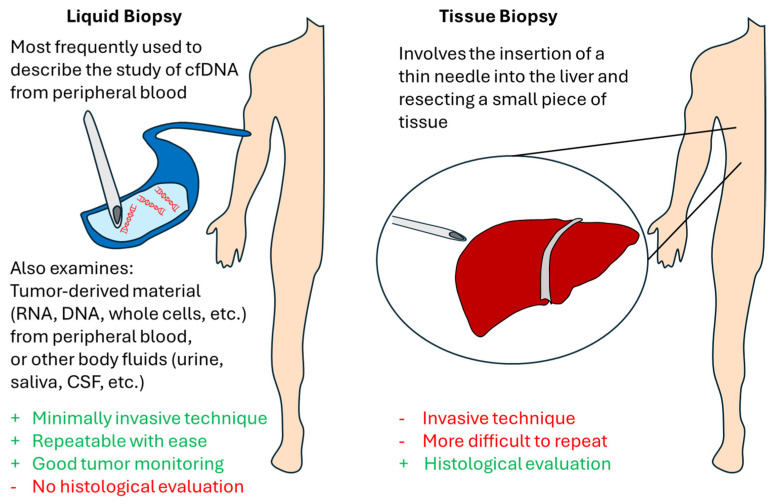
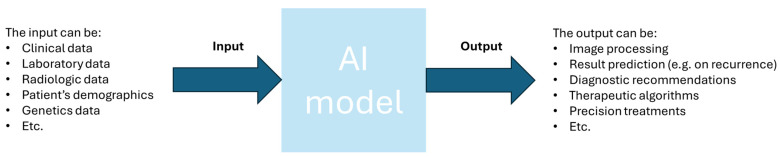
Transplant oncology integrates a wide variety of fields, such as surgery, oncology, and transplant medicine, intending to increase the range of studies and treatments for hepatobiliary cancers and other liver-related malignant lesions. Liver transplantation (LT) has proven to be an effective treatment for hepatocellular carcinoma. While the Milan criteria are still the gold standard, several new, more inclusive criteria have been proposed, and hepatocellular carcinoma has become a major indication for liver transplantation. The continuous evolution of diagnostic technologies supported this with higher image quality and more accurate staging. This review describes the current applications of transplant oncology in hepatocellular carcinoma, cholangiocarcinoma, neuroendocrine tumors, and liver metastatic disease from colorectal cancer and discusses the path that led to the development of transplant oncology as an organized approach to managing gastrointestinal malignancies through transplantation. More importantly, the significance of a multidisciplinary approach and criteria in the selection of suitable candidates are discussed. In addition, newer aspects of transplant oncology, such as immunotherapy, circulating tumor DNA (ctDNA), novel surgical techniques, and the utilization of artificial intelligence, are presented. Finally, the opportunities and challenges involved in the field's future, as well as the evolution of the criteria used over the years and insightful thoughts for the future of the criteria, are discussed.
移植肿瘤学整合了广泛的领域,如外科、肿瘤学和移植医学,旨在扩大对肝胆癌和其他肝脏相关恶性病变的研究和治疗范围。肝移植(LT)已被证明是治疗肝细胞癌的有效方法。虽然米兰标准仍然是金标准,但已经提出了一些新的、更具包容性的标准,肝细胞癌已成为肝移植的主要适应证。诊断技术的不断发展以更高的图像质量和更准确的分期为此提供了支持。本综述描述了移植肿瘤学在肝细胞癌、胆管癌、神经内分泌肿瘤以及结直肠癌肝转移疾病中的当前应用,并讨论了移植肿瘤学作为一种通过移植管理胃肠道恶性肿瘤的有组织方法的发展历程。更重要的是,讨论了多学科方法和标准在选择合适候选者中的重要性。此外,还介绍了移植肿瘤学的一些新方面,如免疫疗法、循环肿瘤DNA(ctDNA)、新型手术技术以及人工智能的应用。最后,讨论了该领域未来所涉及的机遇和挑战,以及多年来使用的标准的演变情况和对未来标准的深刻思考。