Ciaffi Jacopo, Mancarella Luana, Ripamonti Claudio, D'Amuri Andrea, Brusi Veronica, Pignatti Federica, Lisi Lucia, Ursini Francesco
Medicine & Rheumatology Unit, IRCCS Istituto Ortopedico Rizzoli, 40136 Bologna, Italy.
Department of Biomedical and Neuromotor Sciences (DIBINEM), Alma Mater Studiorum University of Bologna, 40123 Bologna, Italy.
Nutrients. 2025 Mar 28;17(7):1188. doi: 10.3390/nu17071188.
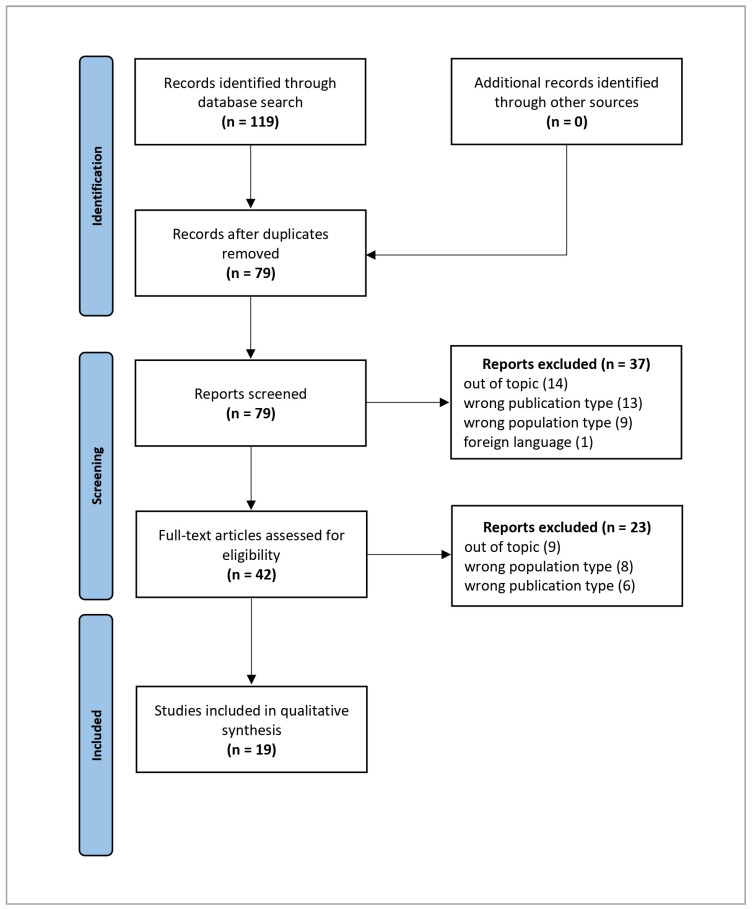
: This scoping review explores the relationship between ultra-processed food (UPF), bone health, and joint diseases, focusing on its potential impact on bone mineral density (BMD), osteoporosis, osteoarthritis, and inflammatory arthritis, including rheumatoid arthritis (RA), gout, and spondyloarthritis. : A search strategy was developed using key terms such as "ultra-processed food" and related terms like "fast food," alongside various definitions of bone health impairment, chronic degenerative joint diseases, and inflammatory arthritis. : A total of 19 studies were included: 12 on bone health, 3 on osteoarthritis, and 4 on inflammatory arthritis. Preclinical studies showed that UPF consumption negatively affects bone structure and strength. In studies on children and adults, four investigations (2013-2017) found no association between fast food intake and BMD. However, more recent large-scale cross-sectional studies linked higher UPF consumption to lower BMD, increased osteoporosis risk, and greater prevalence of osteopenia, particularly in postmenopausal women. UPF intake was associated with knee osteoarthritis risk, with evidence suggesting an interaction with cartilage thickness, though no association was found for hip osteoarthritis. In inflammatory arthritis, UK Biobank data indicated a higher risk of RA and gout in UPF consumers, while a Brazilian study reported worse metabolic profiles in RA patients. No significant differences in UPF intake were found in spondyloarthritis. : This review highlights relevant considerations about the deleterious role of UPF on bone health and joint diseases, providing additional evidence to suggest healthier dietary patterns to patients and to the general population.
本综述探讨了超加工食品(UPF)与骨骼健康和关节疾病之间的关系,重点关注其对骨矿物质密度(BMD)、骨质疏松症、骨关节炎和炎症性关节炎(包括类风湿性关节炎(RA)、痛风和脊柱关节炎)的潜在影响。
制定了一项搜索策略,使用了“超加工食品”等关键词以及“快餐”等相关术语,同时还涉及骨骼健康受损、慢性退行性关节疾病和炎症性关节炎的各种定义。
总共纳入了19项研究:12项关于骨骼健康,3项关于骨关节炎,4项关于炎症性关节炎。临床前研究表明,食用超加工食品会对骨骼结构和强度产生负面影响。在针对儿童和成人的研究中,四项调查(2013 - 2017年)发现快餐摄入量与骨矿物质密度之间没有关联。然而,最近的大规模横断面研究将较高的超加工食品消费量与较低的骨矿物质密度、骨质疏松症风险增加以及骨质减少的更高患病率联系起来,尤其是在绝经后女性中。超加工食品摄入量与膝关节骨关节炎风险相关,有证据表明与软骨厚度存在相互作用,不过未发现与髋关节骨关节炎有关联。在炎症性关节炎方面,英国生物银行的数据表明,食用超加工食品的人群患类风湿性关节炎和痛风的风险更高,而一项巴西研究报告称类风湿性关节炎患者的代谢状况更差。在脊柱关节炎患者中,超加工食品摄入量没有显著差异。
本综述强调了关于超加工食品对骨骼健康和关节疾病有害作用的相关考虑因素,为向患者和普通人群推荐更健康的饮食模式提供了更多证据。