Rivera-Tovar Pamela Raquel, Contreras-Contreras Gabriela, Rivas-Reyes Paulina Isabel, Pérez-Jiménez Jara, Martínez-Cifuentes Maximiliano, Pérez-Correa José Ricardo, Mariotti-Celis María Salomé
Nutrition and Dietetics School, Faculty of Medicine, Universidad Finis Terrae, Pedro de Valdivia 1509, Providencia, Santiago 7501015, Chile.
Food Technology Section, Department of Analytical Chemistry, Nutrition and Food Science, School of Veterinary Sciences, University of Santiago de Compostela, 27002 Lugo, Spain.
Antioxidants (Basel). 2025 Feb 21;14(3):250. doi: 10.3390/antiox14030250.
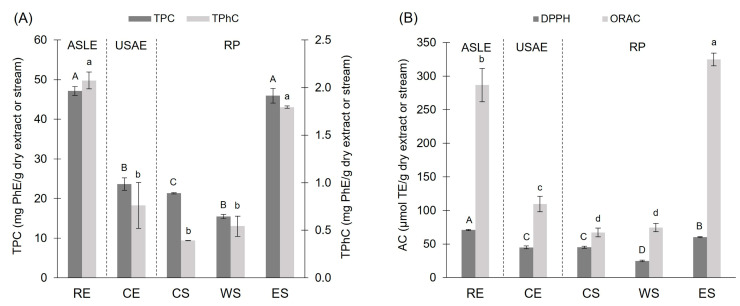
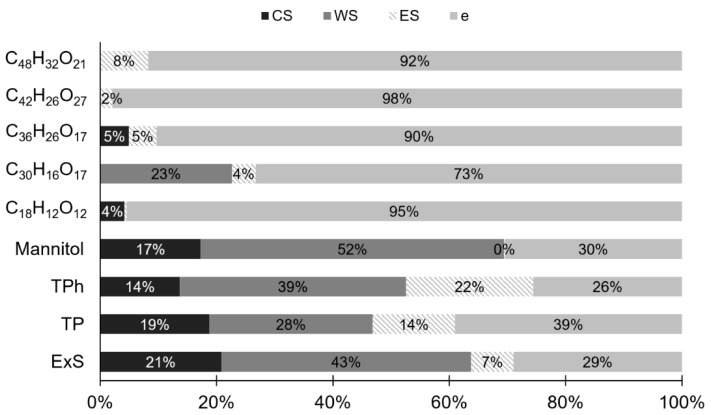
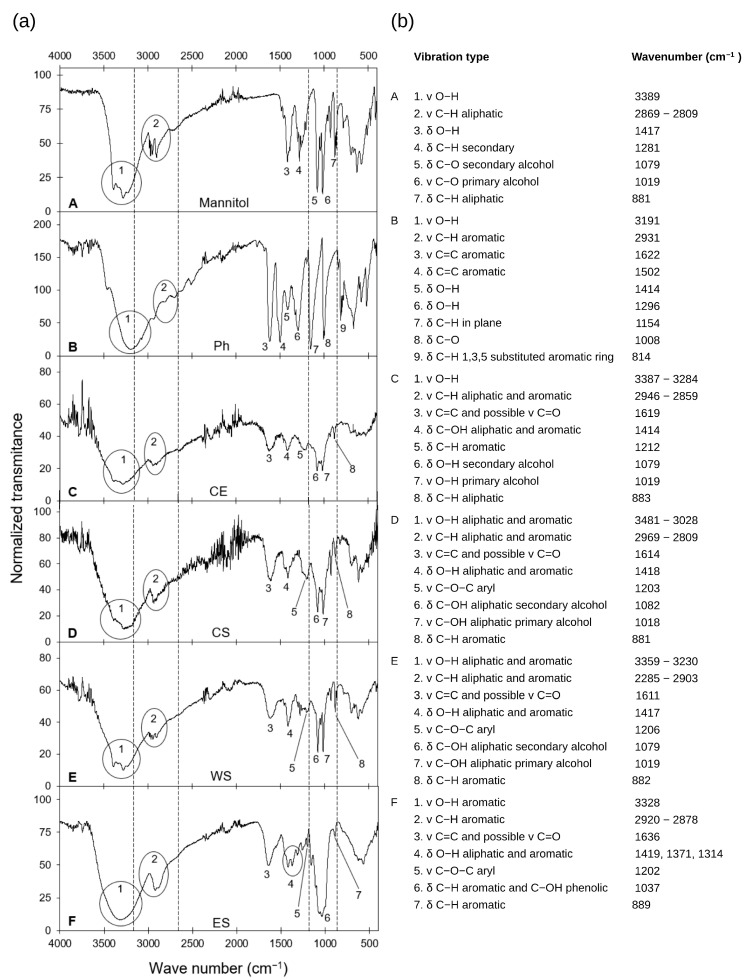
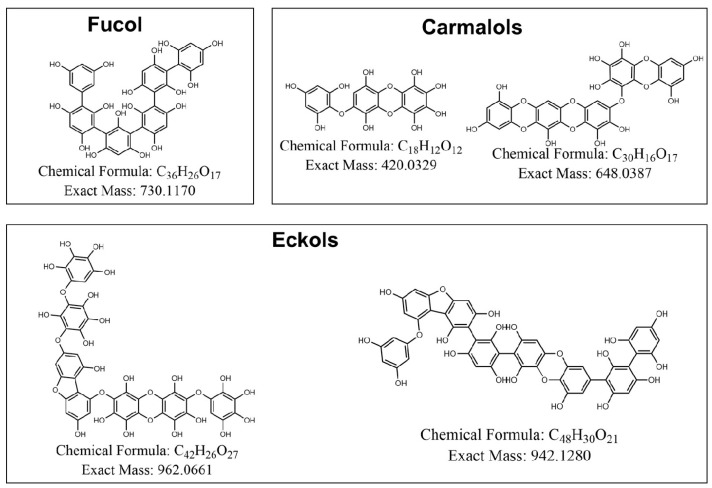
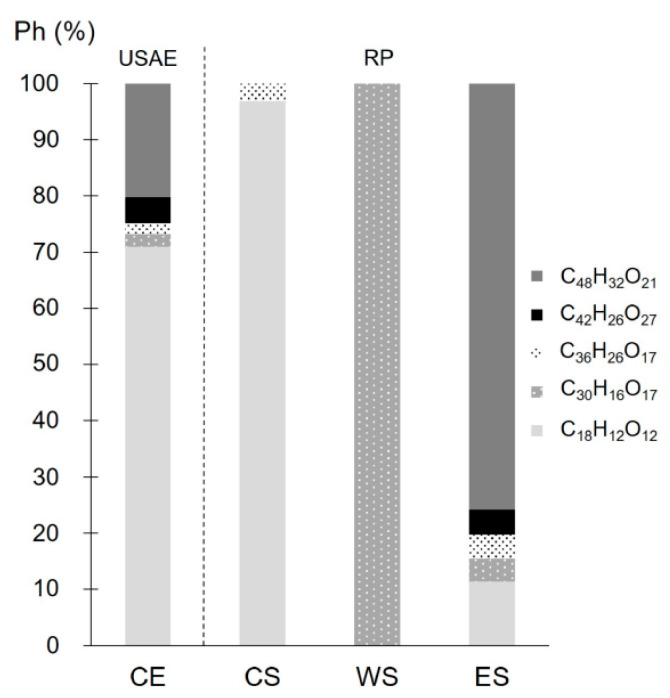
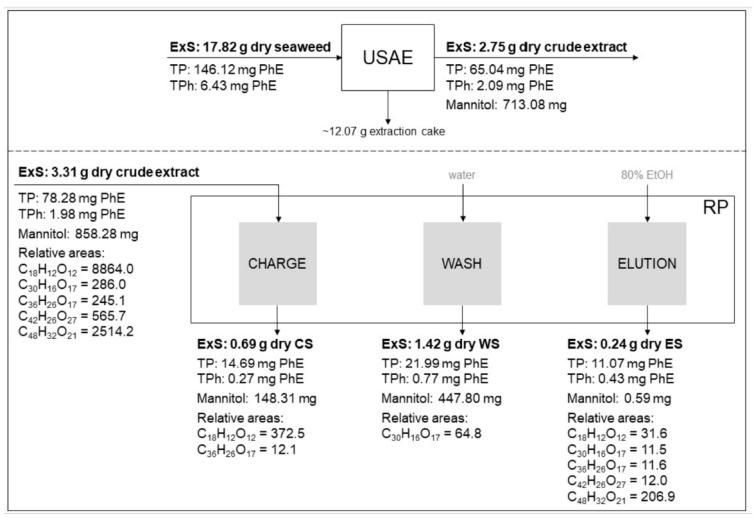
The rising demand for bioactive compounds from marine resources highlights the need for sustainable separation technologies. This study introduces an integrated process combining ultrasound-assisted extraction (USAE) and resin purification (RP) to isolate phlorotannins from , a brown seaweed with significant biomedical potential. Using a 32.5% ethanol-water solvent system for USAE followed by RP on Diaion HP-20 resin, phlorotannins were enriched 2.4-fold, with simultaneous removal of interfering compounds such as mannitol (~100%), which was demonstrated by FTIR and HPLC-IR analysis. Advanced characterization using UHPLC-QToF-MS/MS identified five novel phlorotannins with polymerization degrees of 3 to 8 phloroglucinol units in both USAE extracts and post-RP. Mass balance based on spectrophotometric measurements indicated a purification factor of ~2, confirming process effectiveness. RP streams showed distinct phlorotannin profiles, with one phlorotannin exceeding 70% relative abundance. However, MS/MS results showed significantly lower recoveries than spectrophotometric data, revealing a novel insight into RP purification. These findings highlight the critical role of comprehensive chemical characterization in optimizing sustainable phlorotannin extraction from seaweed. They propose a framework for scalable, eco-efficient technologies for achieving high-purity phlorotannin recovery. This approach facilitates the development of phlorotannin-based applications in the nutraceutical and pharmaceutical industries.
对海洋资源中生物活性化合物不断增长的需求凸显了可持续分离技术的必要性。本研究引入了一种将超声辅助提取(USAE)和树脂纯化(RP)相结合的综合工艺,从具有显著生物医学潜力的褐藻中分离出间苯三酚鞣质。使用32.5%的乙醇-水溶剂体系进行超声辅助提取,然后在Diaion HP-20树脂上进行树脂纯化,间苯三酚鞣质得到了2.4倍的富集,同时去除了甘露醇等干扰化合物(约100%),傅里叶变换红外光谱(FTIR)和高效液相色谱-红外光谱(HPLC-IR)分析证明了这一点。使用超高效液相色谱-四极杆飞行时间串联质谱(UHPLC-QToF-MS/MS)进行的高级表征在超声辅助提取提取物和树脂纯化后均鉴定出五种新型间苯三酚鞣质,其聚合度为3至8个间苯三酚单元。基于分光光度测量的质量平衡表明纯化因子约为2,证实了该工艺的有效性。树脂纯化流出物显示出不同的间苯三酚鞣质谱,其中一种间苯三酚鞣质的相对丰度超过70%。然而,串联质谱结果显示回收率明显低于分光光度数据,揭示了树脂纯化的一个新见解。这些发现突出了全面化学表征在优化从海藻中可持续提取间苯三酚鞣质方面的关键作用。他们提出了一个可扩展的、生态高效的技术框架,以实现高纯度间苯三酚鞣质的回收。这种方法有助于在营养保健品和制药行业开发基于间苯三酚鞣质的应用。