Nie Jiangbo, Wang Shijiang, Zhong Yanxin, Yang Feng, Liu Jiaming, Liu Zhili
Department of Orthopedic Surgery, The First Hospital of Nanchang, The Third Affiliated Hospital of Nanchang University, Nanchang, China.
Department of Orthopedic Surgery, The First Affiliated Hospital, Jiangxi Medical College, Nanchang University, Nanchang, China.
Cancer Cell Int. 2025 Apr 22;25(1):159. doi: 10.1186/s12935-025-03775-1.
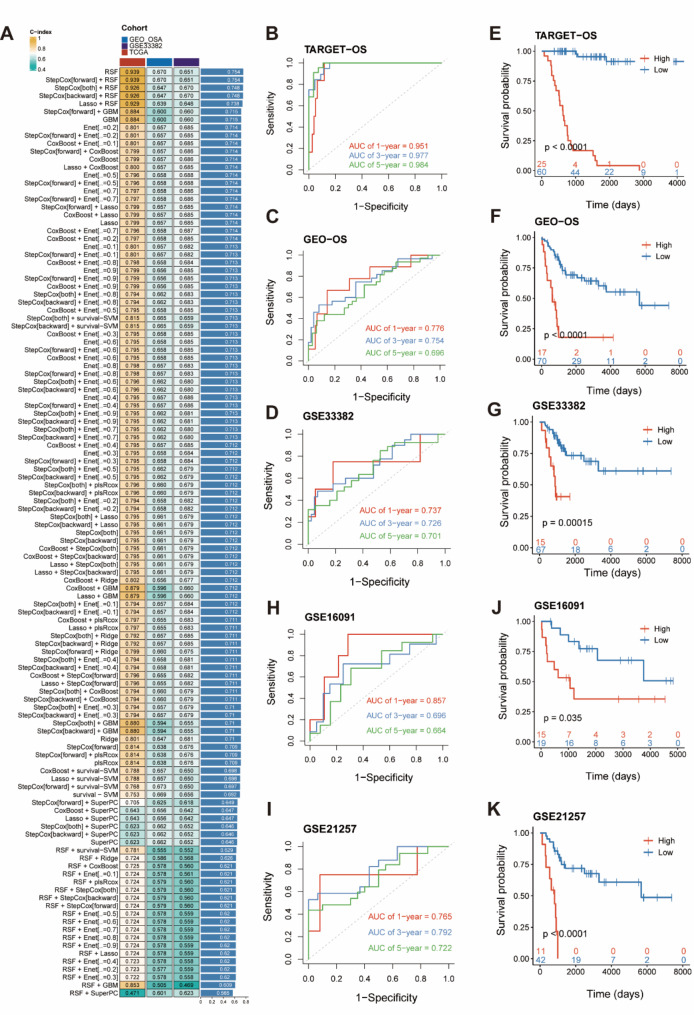
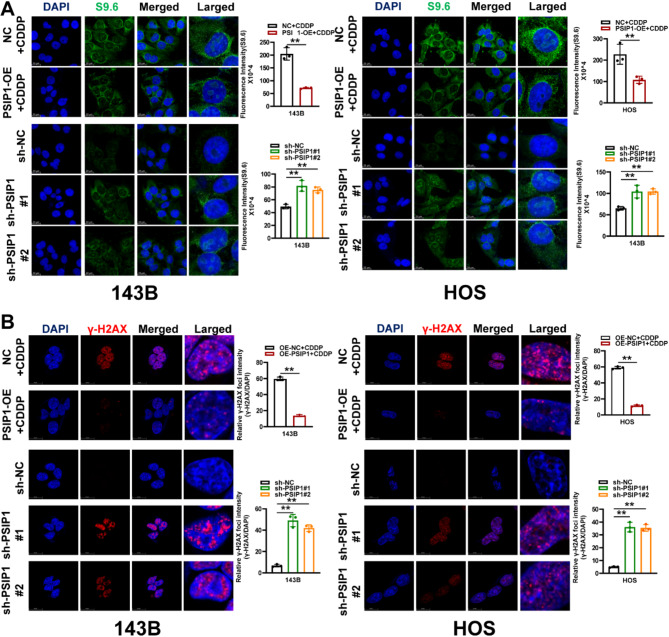
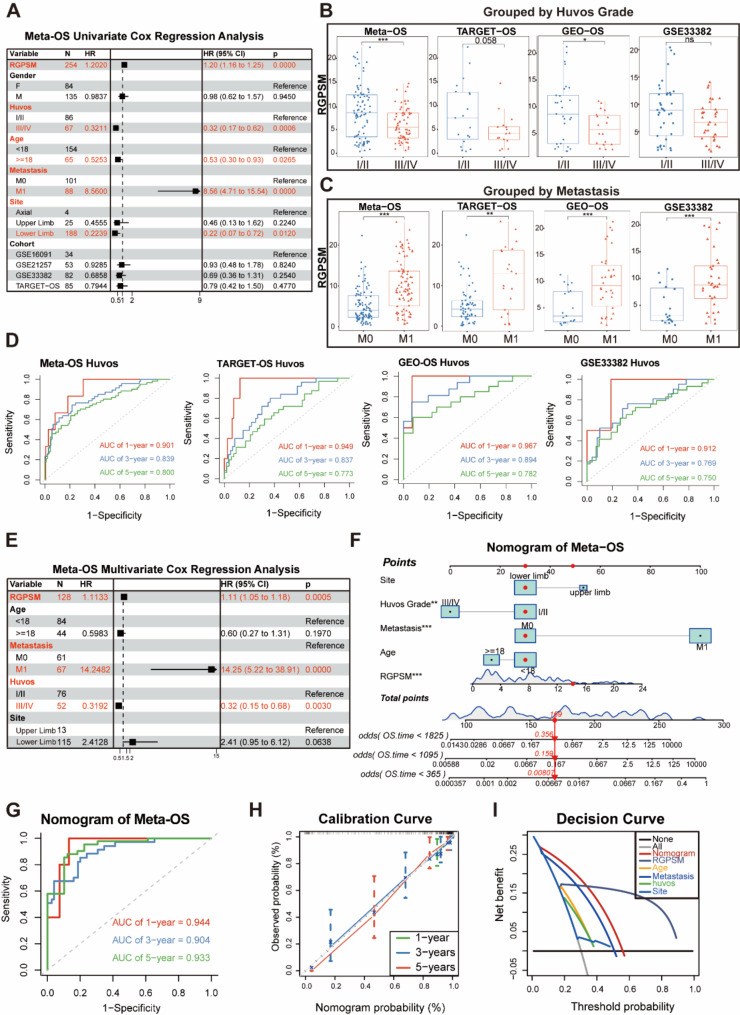
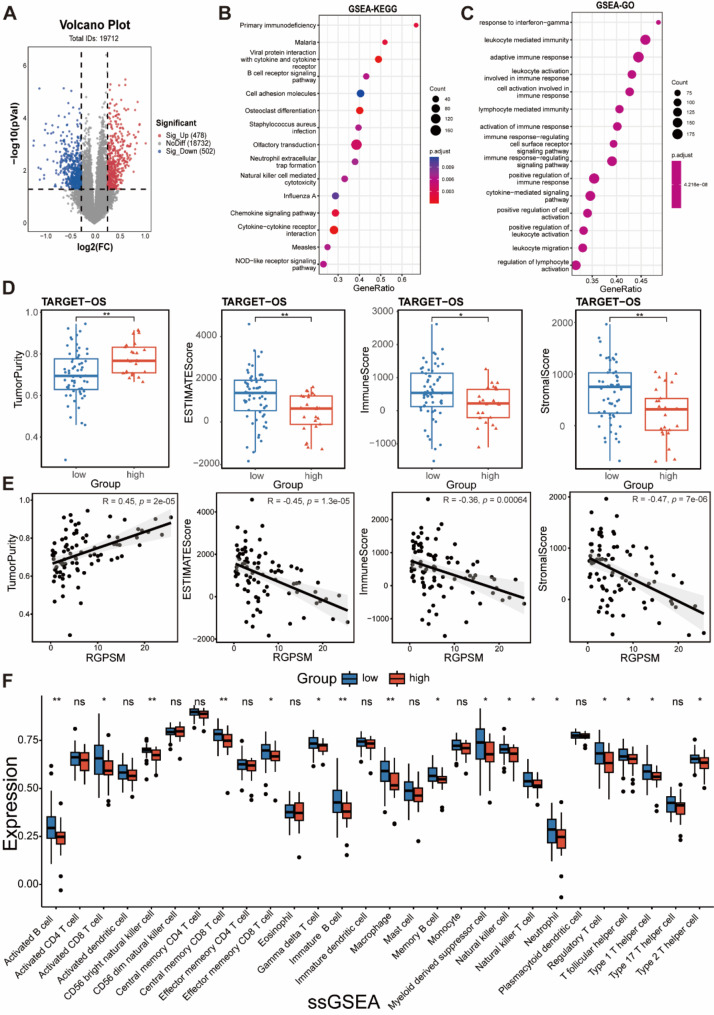
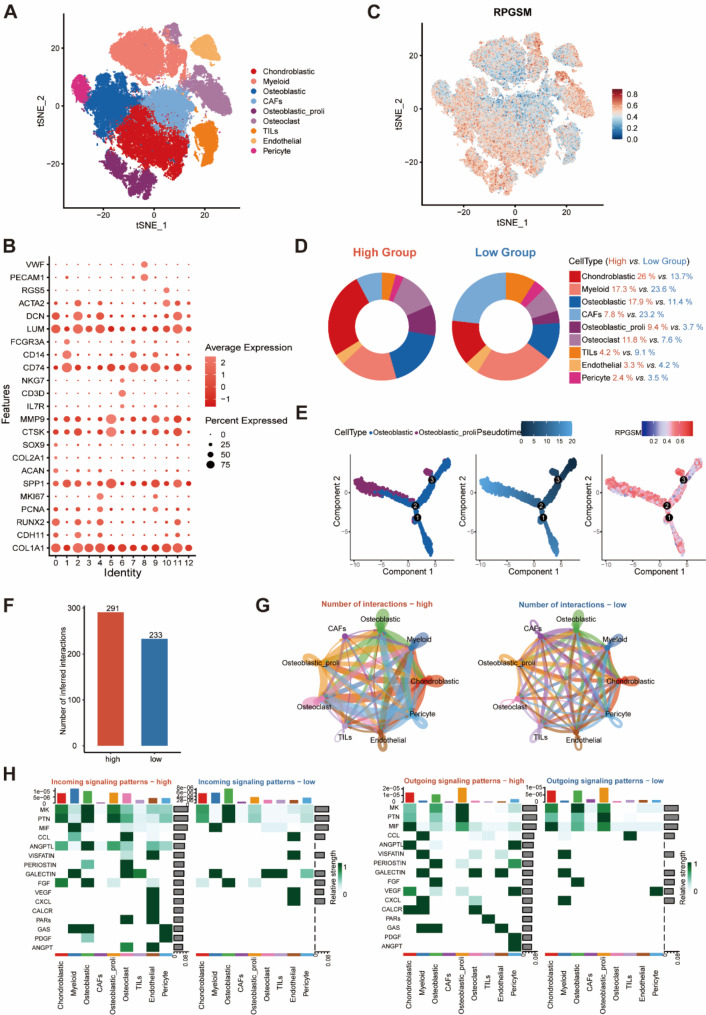
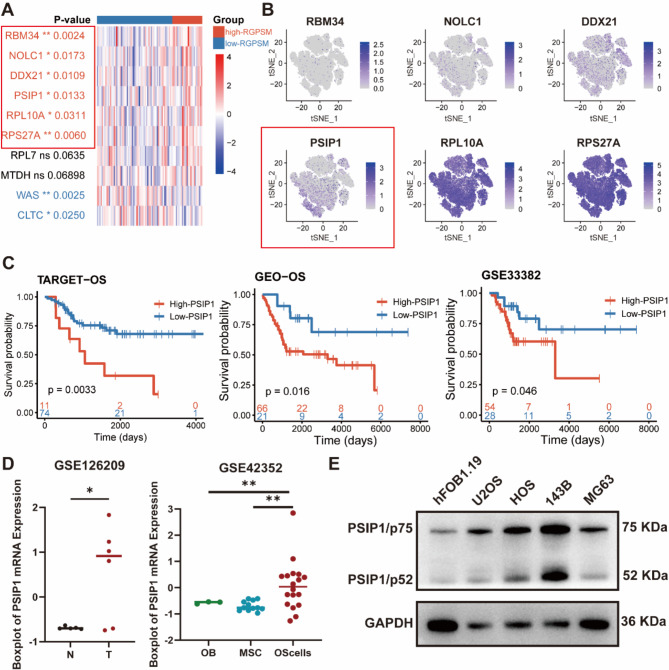
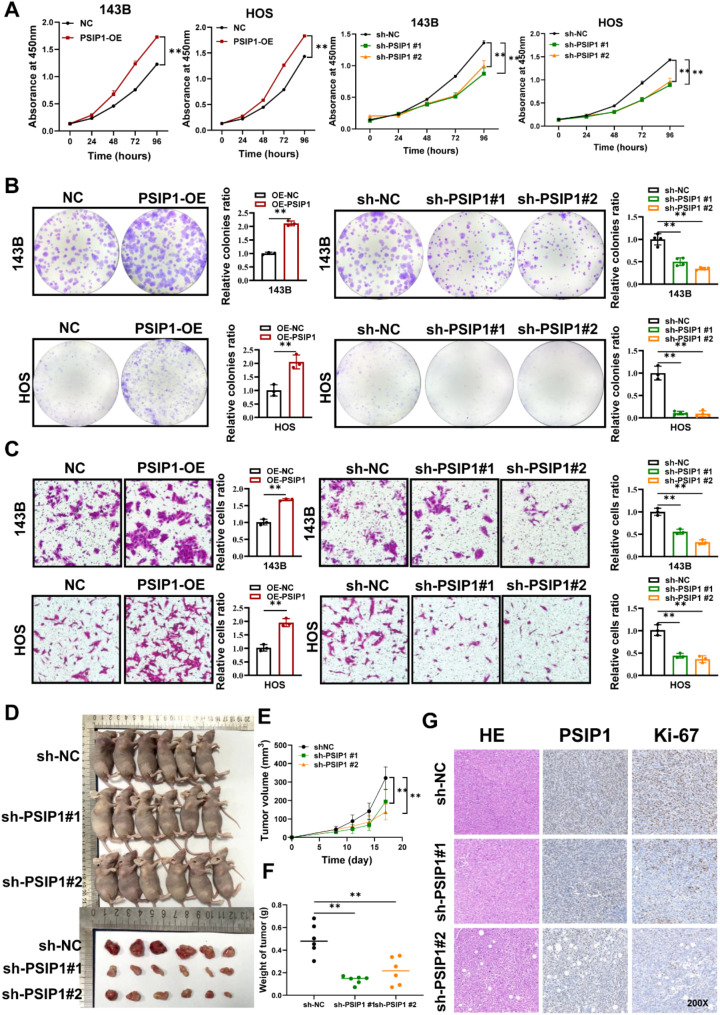
Dysregulation of R-loops has been implicated in tumor development, progression, and the regulation of tumor immune microenvironment (TME). However, their roles in osteosarcoma (OS) remain underexplored. In this study, we firstly constructed a novel R-loop Gene Prognostic Score Model (RGPSM) based on the RNA-sequencing (RNA-seq) datasets and evaluated the relationships between the RGPSM scores and the TME. Additionally, we identified key R-loop-related genes involved in OS progression using single-cell RNA sequencing (scRNA-seq) dataset, and validated these findings through experiments. We found that patients with high-RGPSM scores exhibited poorer prognosis, lower Huvos grades and a more suppressive TME. Moreover, the proportion of malignant cells was significantly higher in the high-RGPSM group. And integrated analysis of RNA-seq and scRNA-seq datasets revealed that PC4 and SRSF1 Interacting Protein 1 (PSIP1) was highly expressed in osteoblastic and proliferative OS cells. Notably, high expression of PSIP1 was associated with poor prognosis of OS patients. Subsequent experiments demonstrated that knockdown of PSIP1 inhibited OS progression both in vivo and in vitro, leading increased R-loop accumulation and DNA damage. Conversely, overexpression of PSIP1 facilitated R-loop resolution and reduced DNA damage induced by cisplatin. In conclusion, we developed a novel RGPSM that effectively predicted the outcomes of OS patients across diverse cohorts and identified PSIP1 as a critical modulator of OS progression by regulating R-loop accumulation and DNA damage.
R环失调与肿瘤的发生、发展以及肿瘤免疫微环境(TME)的调控有关。然而,它们在骨肉瘤(OS)中的作用仍未得到充分探索。在本研究中,我们首先基于RNA测序(RNA-seq)数据集构建了一种新型的R环基因预后评分模型(RGPSM),并评估了RGPSM评分与TME之间的关系。此外,我们使用单细胞RNA测序(scRNA-seq)数据集鉴定了参与OS进展的关键R环相关基因,并通过实验验证了这些发现。我们发现,RGPSM评分高的患者预后较差,Huvos分级较低,TME更具抑制性。此外,高RGPSM组中的恶性细胞比例明显更高。RNA-seq和scRNA-seq数据集的综合分析显示,PC4和SRSF1相互作用蛋白1(PSIP1)在成骨和增殖性OS细胞中高表达。值得注意的是,PSIP1的高表达与OS患者的不良预后相关。随后的实验表明,敲低PSIP1在体内和体外均抑制OS进展,导致R环积累增加和DNA损伤。相反,PSIP1的过表达促进R环的分解并减少顺铂诱导的DNA损伤。总之,我们开发了一种新型的RGPSM,它能有效预测不同队列中OS患者的预后,并通过调节R环积累和DNA损伤将PSIP1鉴定为OS进展的关键调节因子。