Tanabe Hirokazu, Maeda Sumihiro, Sano Etsuko, Sakai Norio, Endoh-Yamagami Setsu, Okano Hideyuki
FUJIFILM Corporation, Bio Science & Engineering Laboratories, Kanagawa, Japan.
Department of Physiology, Keio University School of Medicine, Tokyo, Japan.
Aging Brain. 2025 Apr 11;7:100136. doi: 10.1016/j.nbas.2025.100136. eCollection 2025.
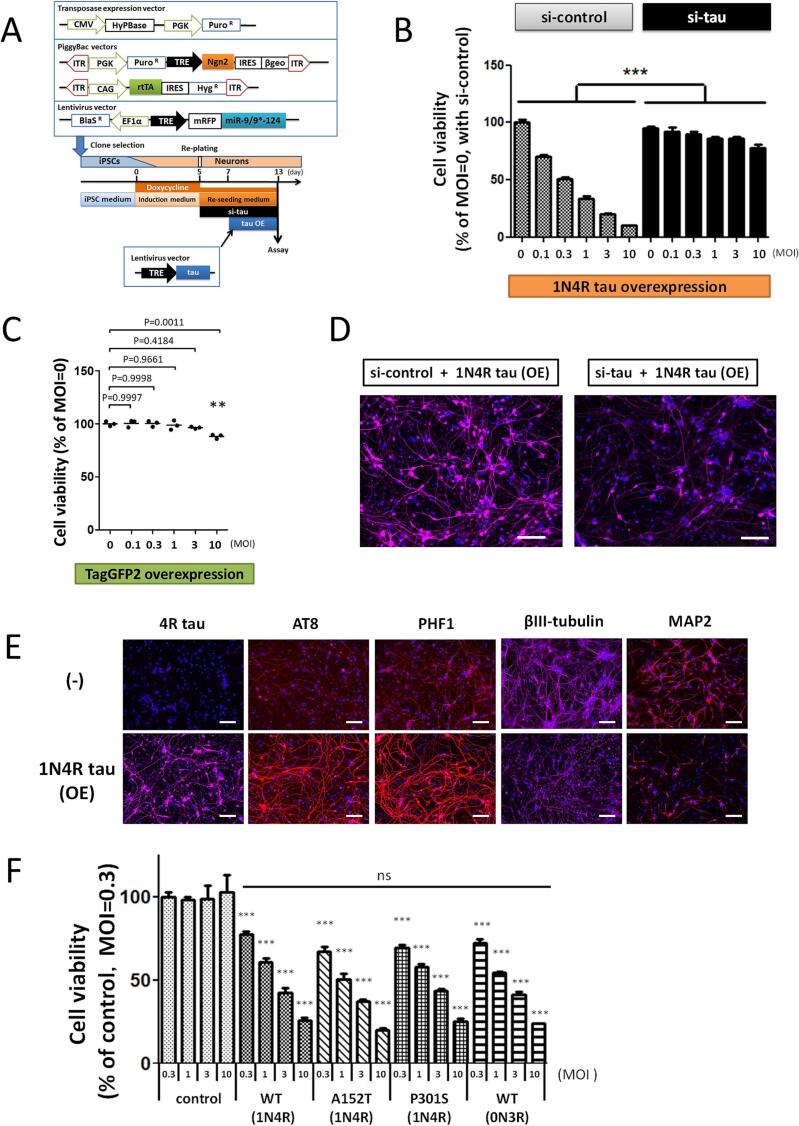
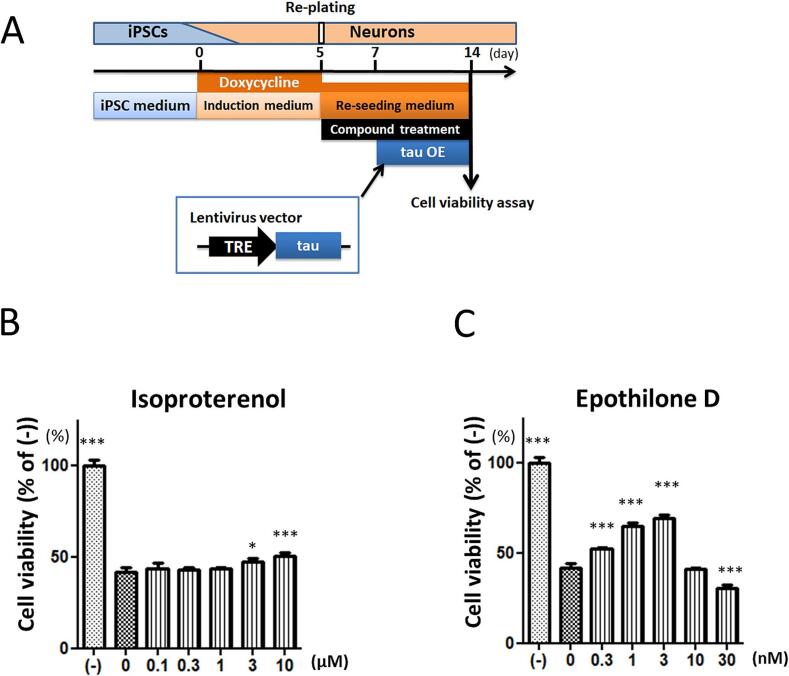
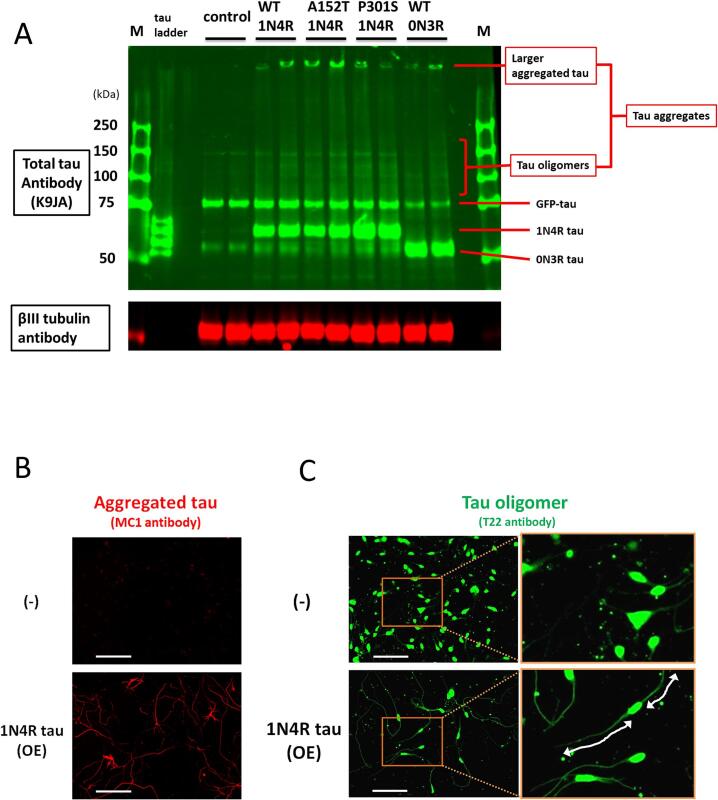
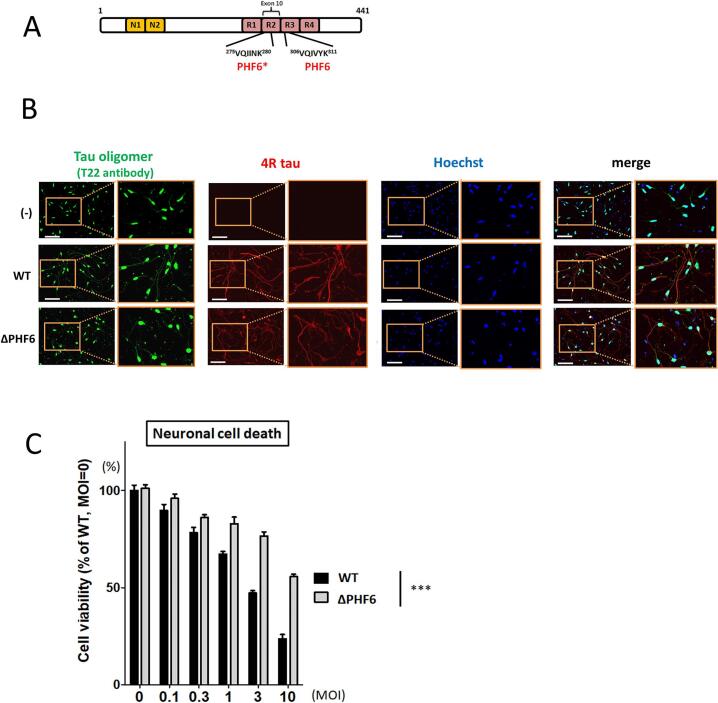
Abnormal accumulation of tau proteins in the brain is a hallmark of neurodegenerative diseases such as Alzheimer's disease and is closely linked with neuronal cell death. Tau accumulation is a prominent therapeutic target for Alzheimer's disease, since tau accumulation correlates well with the disease progression, and tau-targeting drugs hold potentials to halt the disease progression. Given the differential response of human and mouse neuronal cells, there is a critical need for a human cellular platform to quickly screen for tau-related neurodegenerative disease therapeutics. However, inducing rapid, tau-dependent neuronal cell death in human models remains challenging. In this study, we established a human cellular model capable of inducing tau aggregation-dependent neuronal cell death within two weeks via tau overexpression. Additionally, we demonstrated the neuroprotective efficacy of known tau-targeting compounds within this system. These findings suggest that our cellular model recapitulates the molecular pathogenesis of tau-induced neurodegeneration and could serve as a valuable platform for drug screening in tauopathies.
大脑中tau蛋白的异常积累是阿尔茨海默病等神经退行性疾病的一个标志,并且与神经元细胞死亡密切相关。tau蛋白积累是阿尔茨海默病的一个重要治疗靶点,因为tau蛋白积累与疾病进展密切相关,且靶向tau蛋白的药物有潜力阻止疾病进展。鉴于人类和小鼠神经元细胞的不同反应,迫切需要一个人类细胞平台来快速筛选与tau相关的神经退行性疾病治疗药物。然而,在人类模型中诱导快速的、tau蛋白依赖性的神经元细胞死亡仍然具有挑战性。在本研究中,我们建立了一个人类细胞模型,该模型能够通过tau蛋白过表达在两周内诱导tau蛋白聚集依赖性的神经元细胞死亡。此外,我们在该系统中证明了已知的靶向tau蛋白化合物的神经保护作用。这些发现表明,我们的细胞模型概括了tau蛋白诱导神经退行性变的分子发病机制,并且可以作为tau蛋白病药物筛选的一个有价值的平台。