Gélat Pierre, Van't Wout Elwin, Haqshenas Reza, Melbourne Andrew, David Anna L, Mufti Nada, Henriques Julian, Thibaut de Maisières Aude, Jauniaux Eric
Department of Surgical Biotechnology, Division of Surgery and Interventional Science, University College London, London, UK.
Institute for Mathematical and Computational Engineering, Pontificia Universidad Católica de Chile, Santiago, Chile.
Nat Commun. 2025 Apr 25;16(1):3916. doi: 10.1038/s41467-025-58983-0.
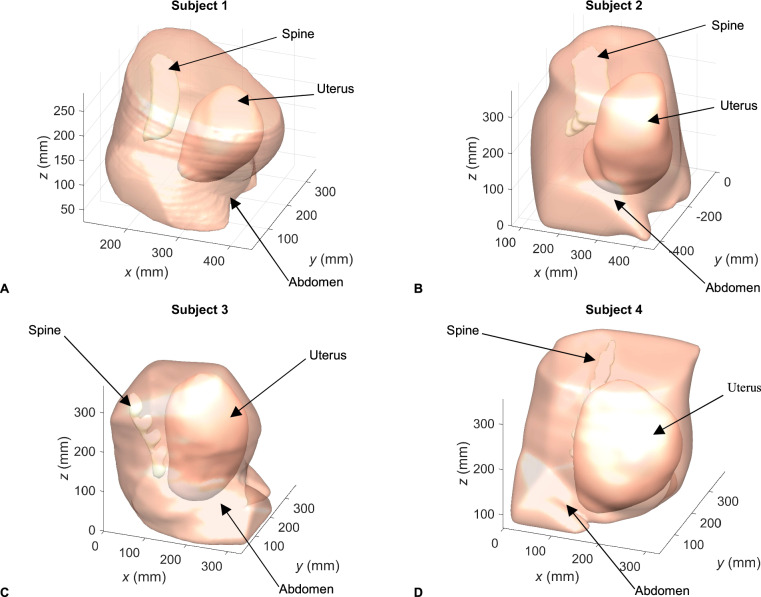
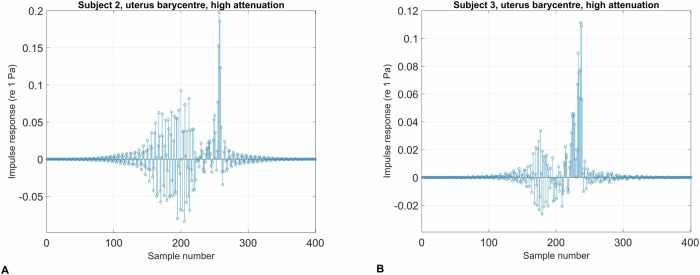
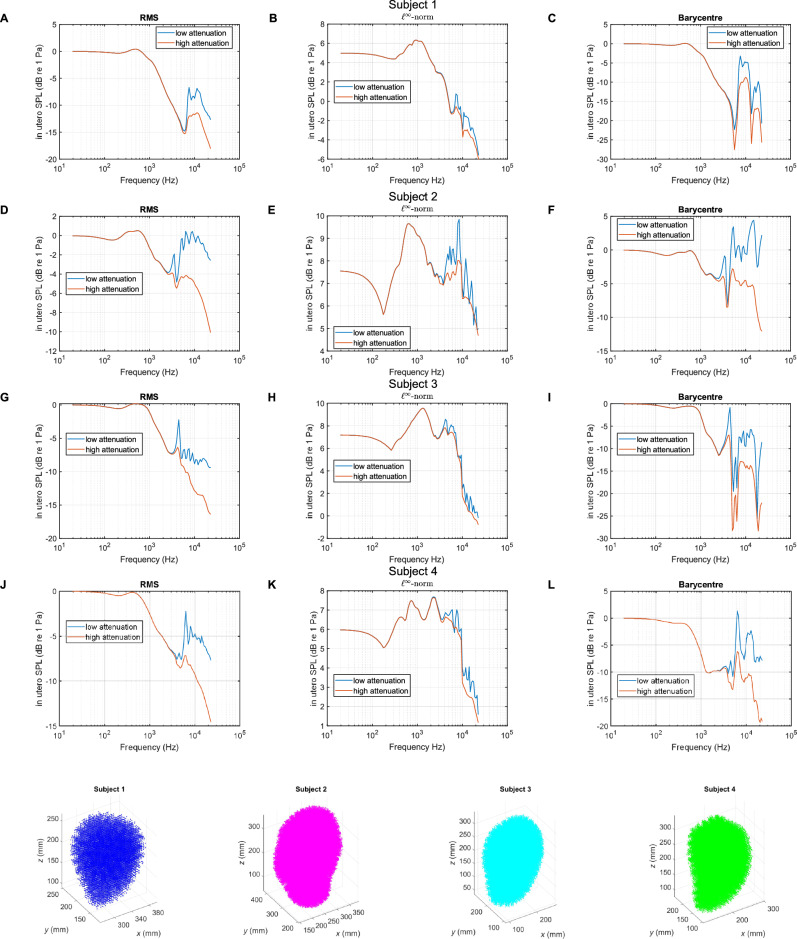
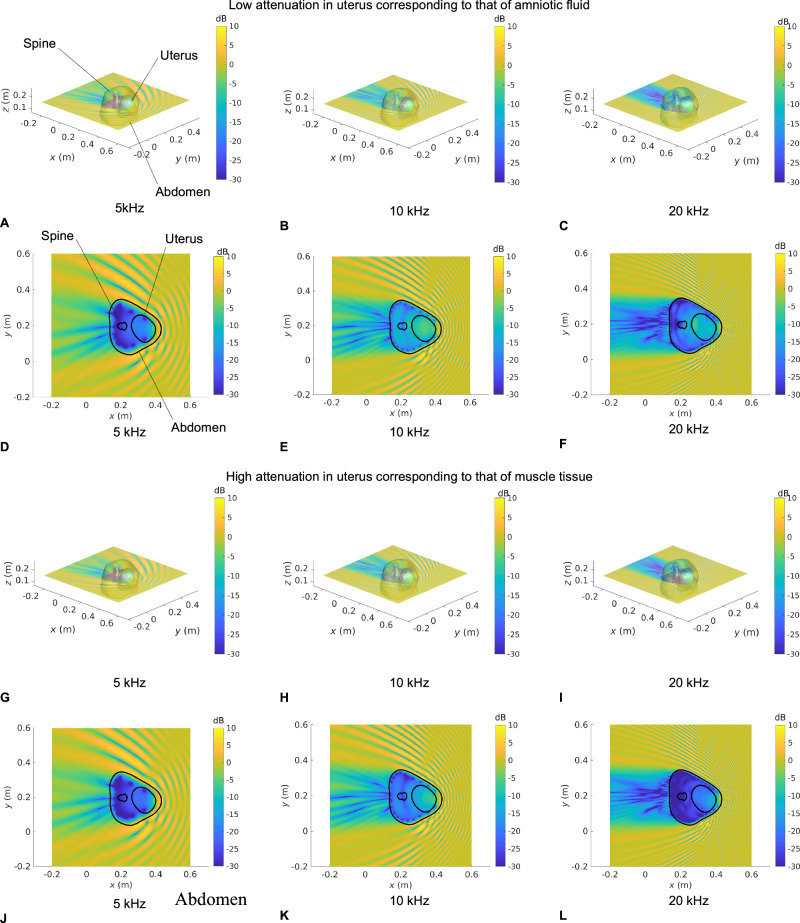
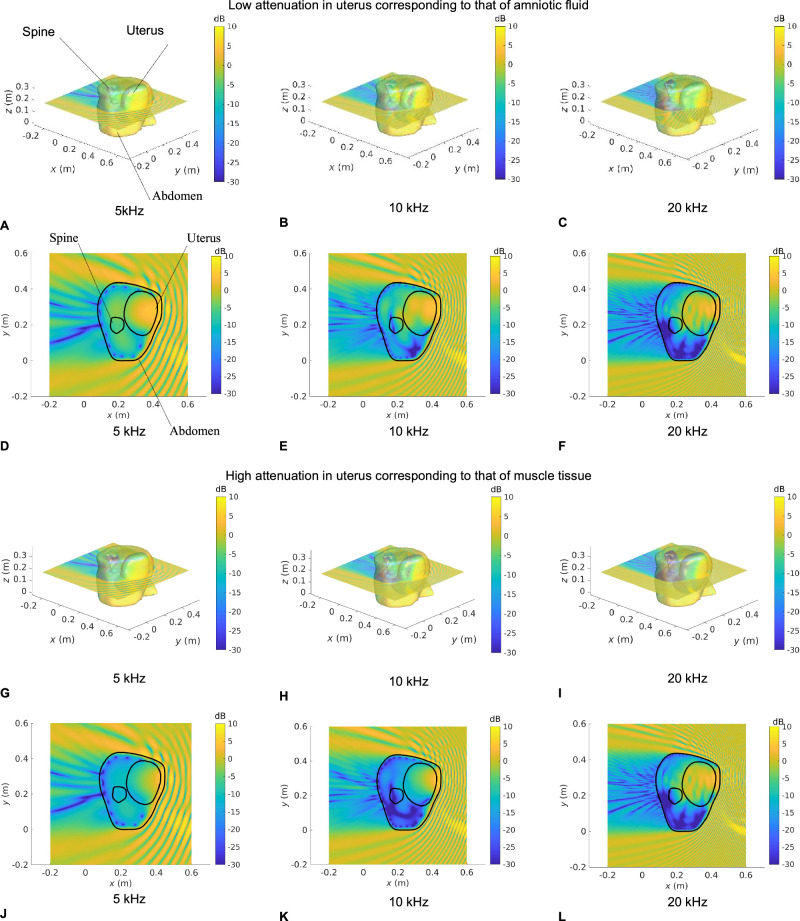
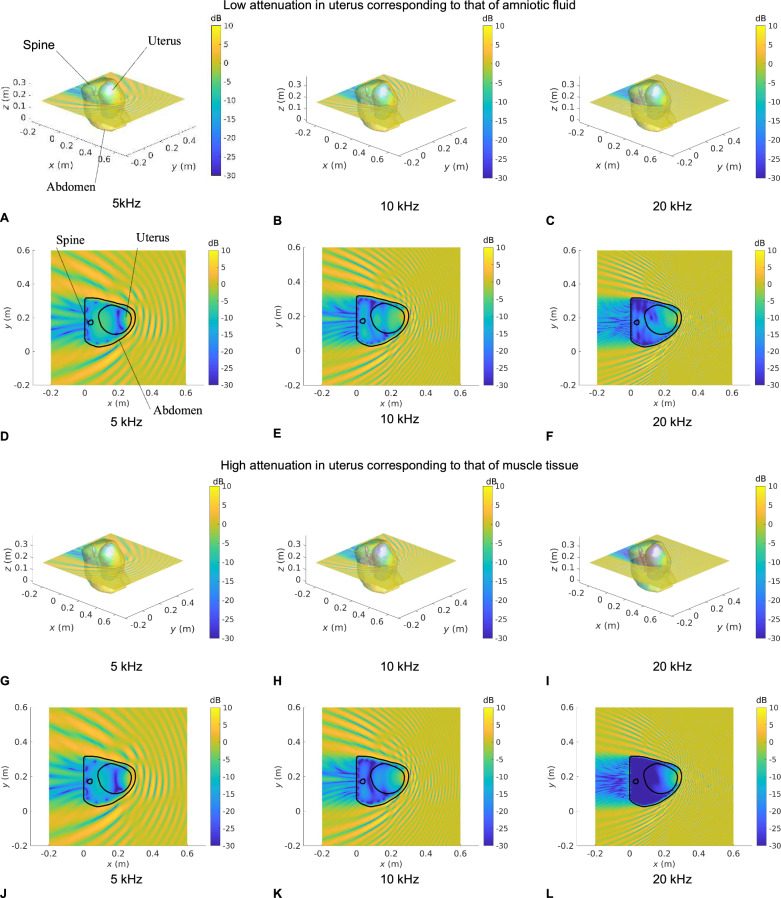
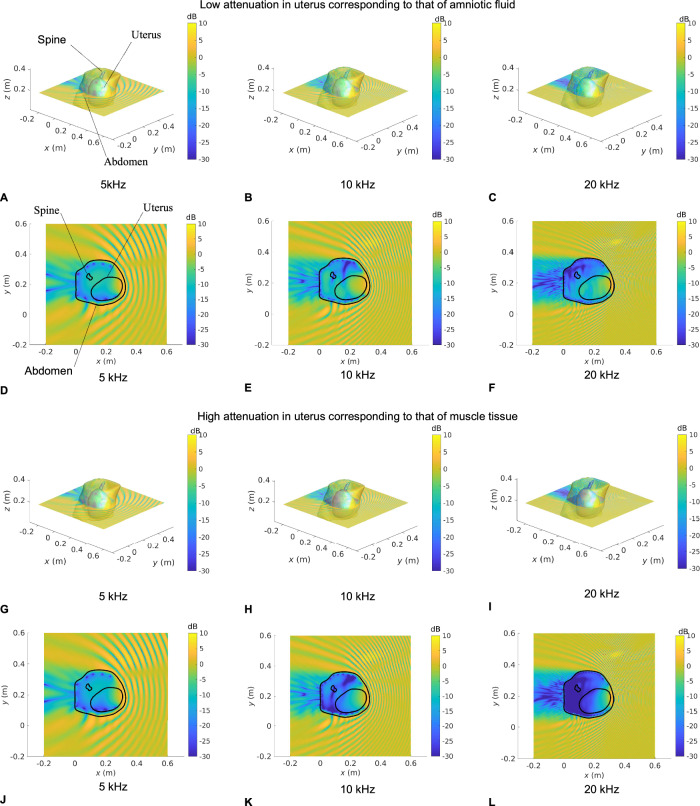
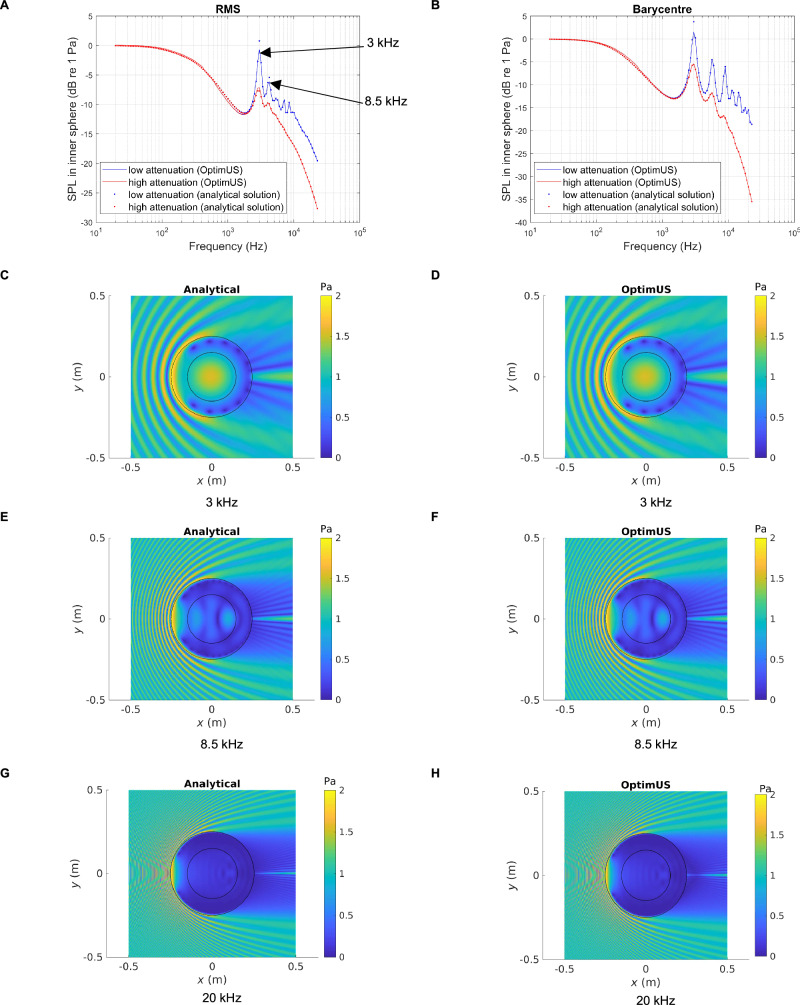
Acoustic noise can have profound effects on wellbeing, impacting the health of pregnant women and their fetus. Mounting evidence suggests neural memory traces are formed by auditory learning in utero. A better understanding of the fetal auditory environment is therefore critical to avoid exposure to damaging noise levels. Using anatomical data from MRI scans of pregnant patients ( ) from 24 weeks of gestation, we develop a computational model to quantify fetal exposure to acoustic field. We obtain acoustic transfer characteristics across the human audio range and pressure maps in transverse planes passing through the uterus at 5 kHz, 10 kHz and 20 kHz, showcasing multiple scattering and modal patterns. Our calculations show that the sound transmitted in utero is attenuated by as little as 6 dB below 1 kHz, confirming results from animal studies that the maternal abdomen and pelvis do not shelter the fetus from external noise.
噪音会对健康产生深远影响,影响孕妇及其胎儿的健康。越来越多的证据表明,神经记忆痕迹是在子宫内通过听觉学习形成的。因此,更好地了解胎儿的听觉环境对于避免暴露于有害噪音水平至关重要。利用妊娠24周孕妇的MRI扫描解剖数据,我们开发了一个计算模型来量化胎儿对声场的暴露情况。我们获得了整个人类音频范围内的声学传递特性以及在5kHz、10kHz和20kHz穿过子宫的横平面中的压力图,展示了多重散射和模态模式。我们的计算表明,子宫内传播的声音在1kHz以下仅衰减6dB,这证实了动物研究的结果,即母体腹部和骨盆并不能保护胎儿免受外部噪音的影响。