Drozd Miłosz, Luboń Wojciech, Turpin Jose Antonio Perez, Grzyb Wojciech
Institute of Sport Sciences, The Jerzy Kukuczka Academy of Physical Education, 40-065 Katowice, Poland.
Department of Ophthalmology, Faculty of Medical Sciences, Medical University of Silesia, 40-752 Katowice, Poland.
J Clin Med. 2025 Apr 8;14(8):2549. doi: 10.3390/jcm14082549.
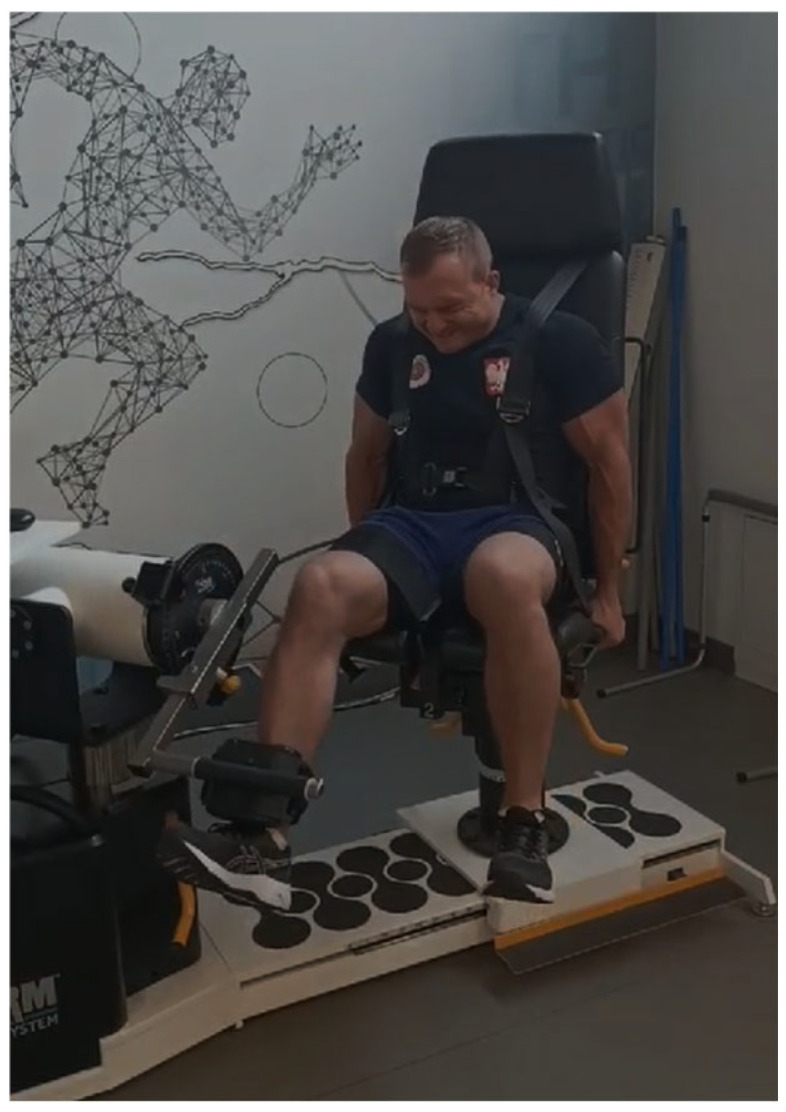
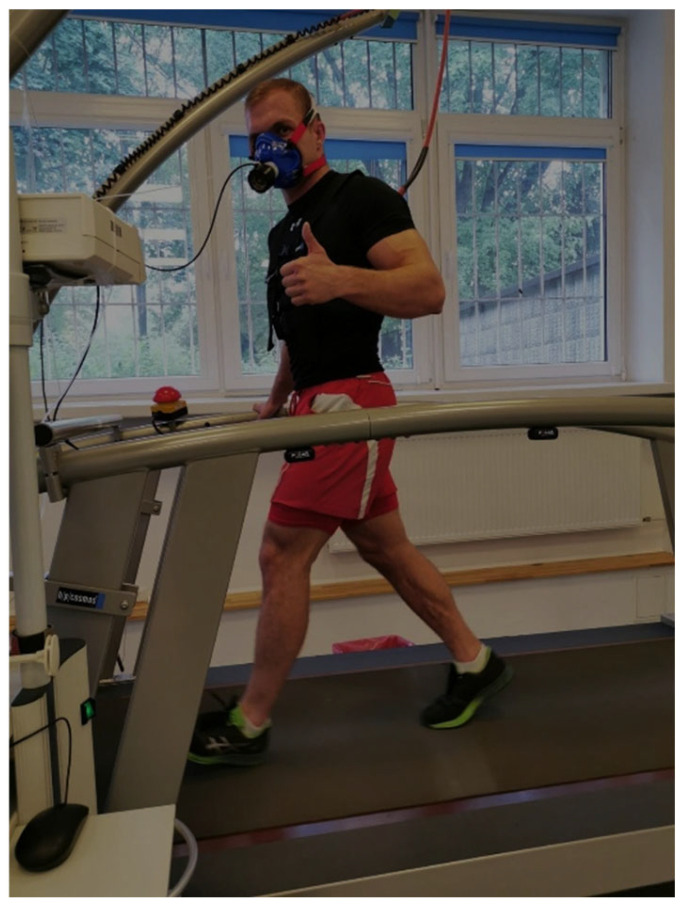
The aim of this study was to determine the effect of a step load periodisation protocol for the rehabilitation of the anterior cruciate ligament (ACL) based on the variables of both the tempo of movement and time under tension (TUT) in normobaric hypoxia using a case study. : We verified the influence of variables such as time under tension (TUT) and the tempo of movement in hypoxia on the concentration of insulin-like growth factor 1 (IGF-1), growth hormone (GH), and erythropoietin (EPO). The effectiveness of the protocol also concerned variables such as peak torque of the knee flexors and extensors and maximum oxygen uptake (VOmax), as well as body composition analysis. The study used a 28-year-old judoka athlete from the national team, competing in the weight category up to 73 kg. The use of short partial rest breaks between series (80s) in combination with six exercises in four series and a hypoxic environment (FiO = 15%) significantly increased metabolic stress, resulting in the highest increase in GH and IGF in the main phase of accumulation of the 3:1 step load. During 16 running sessions, the rehabilitated athlete achieved a significant increase in individual variables in the running test. The combination of a hypoxic environment combined with a periodized rehabilitation protocol can induce a number of positive hormonal, circulatory and respiratory reactions as well as positively influence muscle asymmetry, which can ultimately shorten the time it takes for an athlete to return to sport (RTS).
本研究旨在通过一项案例研究,基于常压低氧环境下运动节奏和张力下时间(TUT)的变量,确定阶梯负荷周期化方案对前交叉韧带(ACL)康复的影响。我们验证了诸如张力下时间(TUT)和低氧环境下运动节奏等变量对胰岛素样生长因子1(IGF-1)、生长激素(GH)和促红细胞生成素(EPO)浓度的影响。该方案的有效性还涉及诸如膝关节屈伸肌的峰值扭矩、最大摄氧量(VOmax)以及身体成分分析等变量。该研究使用了一名来自国家队的28岁柔道运动员,参加73公斤及以下体重级别的比赛。在系列练习之间使用短暂的部分休息时间(80秒),结合四个系列的六项练习以及低氧环境(FiO = 15%),显著增加了代谢应激,在3:1阶梯负荷积累的主要阶段,导致GH和IGF的增加最为显著。在16次跑步训练中,康复后的运动员在跑步测试中的各项变量均有显著增加。低氧环境与周期化康复方案相结合,可以引发一系列积极的激素、循环和呼吸反应,并对肌肉不对称产生积极影响,最终可以缩短运动员恢复运动(RTS)所需的时间。