Nwaogu Janet Mayowa, Chan Albert P C, Naslund John A, Anwer Shahnawaz
School of Property, Construction and Project Management, Royal Melbourne Institute of Technology University, GPO Box 2476, Melbourne, VIC 3001, Australia.
Department of Building and Real Estate, The Hong Kong Polytechnic University, Block Z, 181 Chatham Road South, Hung Hom, Hong Kong, China.
Int J Environ Res Public Health. 2025 Mar 31;22(4):533. doi: 10.3390/ijerph22040533.
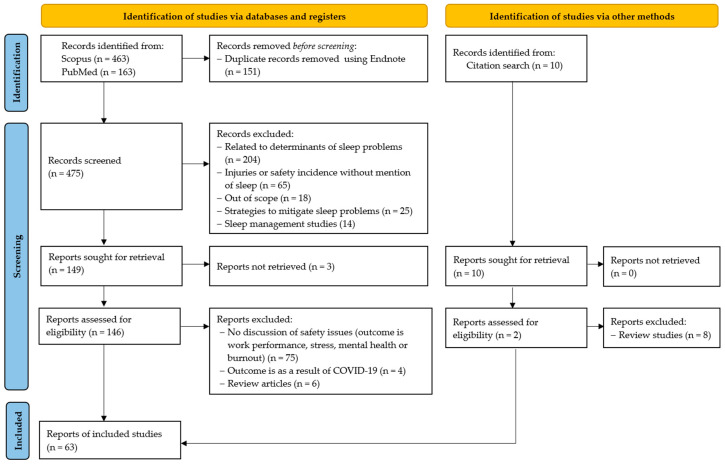
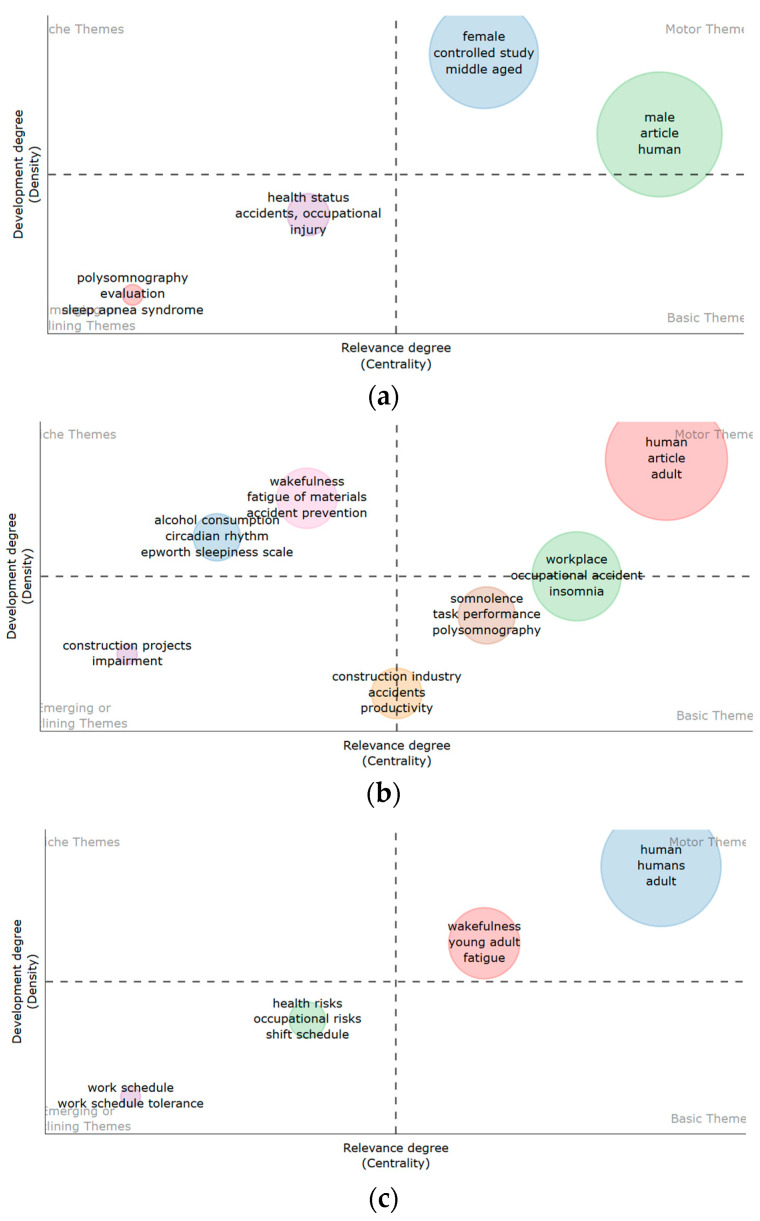
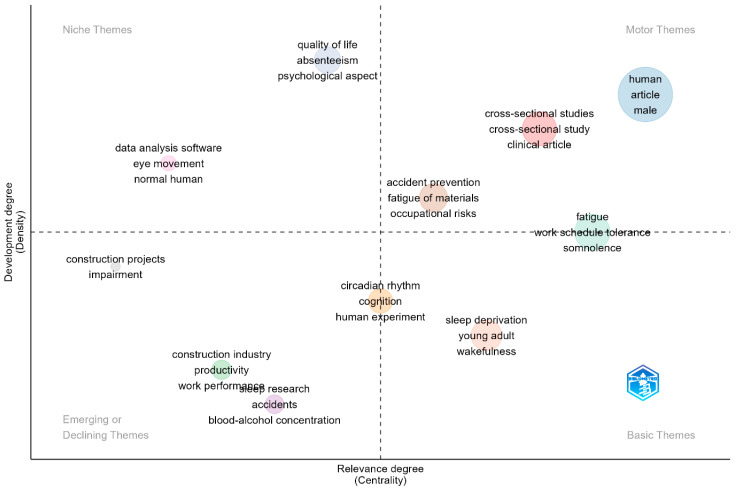
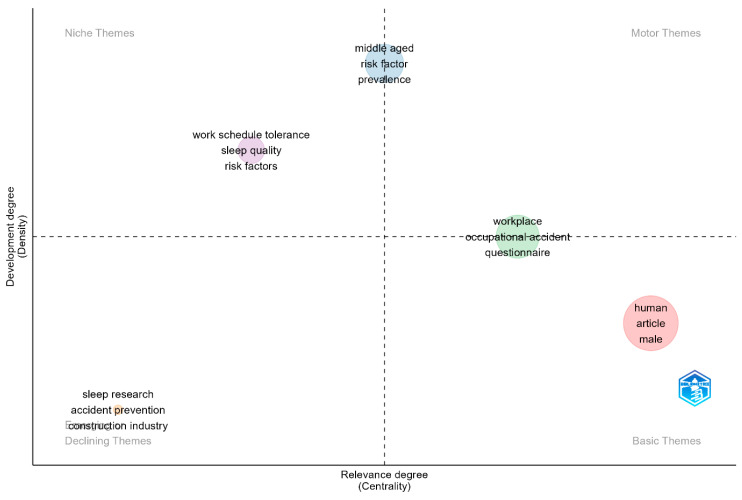
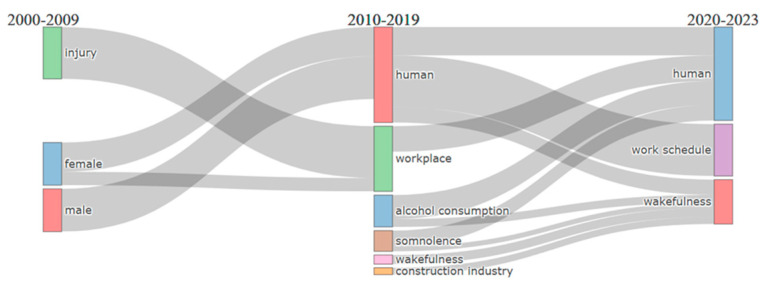
Occupational incidents comprising injuries and accidents remain a serious concern globally. With sleep deprivation and fatigue representing key drivers of many workplace incidents, one strategy to reduce occupational incidents is implementing effective sleep management systems. Yet, to date, there are complaints about the methodological approach in sleep-safety studies. The extent of work carried out with respect to the impact of sleep on safety outcomes needs to be reviewed to highlight the state of the art in the face of increasing technological advancement and changing lifestyle attitudes. A systematic search of the Scopus and PubMed databases retrieved 63 journal articles published up to 2023. The units of analysis included article performance and thematic analysis. It was deduced that workers in healthcare and construction have been the focus of most studies, pointing to the prevalence of safety issues in both these sectors. Most of the studies adopted a quantitative methodology employing validated sleep questionnaires, especially the Pittsburgh Sleep Quality Index. Using thematic analysis, the research focus was mapped into six areas, including sleep disorders, cognition and performance, and injury and accident prevention in the construction sector. In objective studies, alertness and cognitive performance were considered a proxy for sleep deprivation and safety performance. Harmonising sleep questionnaires is necessary to prevent excessive paperwork and ineffective safety systems. This study has the potential to provide occupational health and safety researchers outside of the medicine and psychology disciplines with knowledge on baseline information that could advance efforts to address sleep deprivation and the resulting safety concerns in the workplace.
包括受伤和事故在内的职业事故仍是全球严重关切的问题。由于睡眠不足和疲劳是许多工作场所事故的关键驱动因素,减少职业事故的一项策略是实施有效的睡眠管理系统。然而,迄今为止,人们对睡眠安全研究的方法存在抱怨。鉴于技术进步不断加快和生活方式态度不断变化,需要对睡眠对安全结果影响方面所开展工作的程度进行审查,以突出当前的技术水平。对Scopus和PubMed数据库进行系统检索后,找到了截至2023年发表的63篇期刊文章。分析单位包括文章表现和主题分析。推断出医疗保健和建筑行业的工人一直是大多数研究的重点,这表明这两个行业安全问题普遍存在。大多数研究采用定量方法,使用经过验证的睡眠问卷,尤其是匹兹堡睡眠质量指数。通过主题分析,研究重点被归纳为六个领域,包括睡眠障碍、认知与表现,以及建筑行业的伤害和事故预防。在客观研究中,警觉性和认知表现被视为睡眠不足和安全表现的替代指标。统一睡眠问卷很有必要,以避免过多的文书工作和无效的安全系统。本研究有可能为医学和心理学学科以外的职业健康与安全研究人员提供基线信息方面的知识,从而推动解决工作场所睡眠不足及由此产生的安全问题。