Su Cuicui, Zhang Shengyin, Zhou Yanfang, Tan Hao, Zhang Shuncun, Wang Tao, Ding Zhaoyun, Liao Jie
Gansu Academy of Agri-Engineering and Technology, Lanzhou 730000, China.
Northwest Institute of Eco-Environment and Resource, CAS, Lanzhou 730000, China.
Microorganisms. 2025 Apr 16;13(4):921. doi: 10.3390/microorganisms13040921.
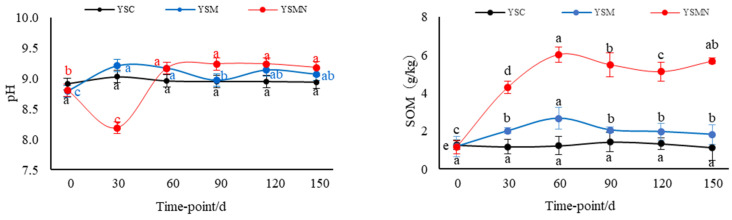
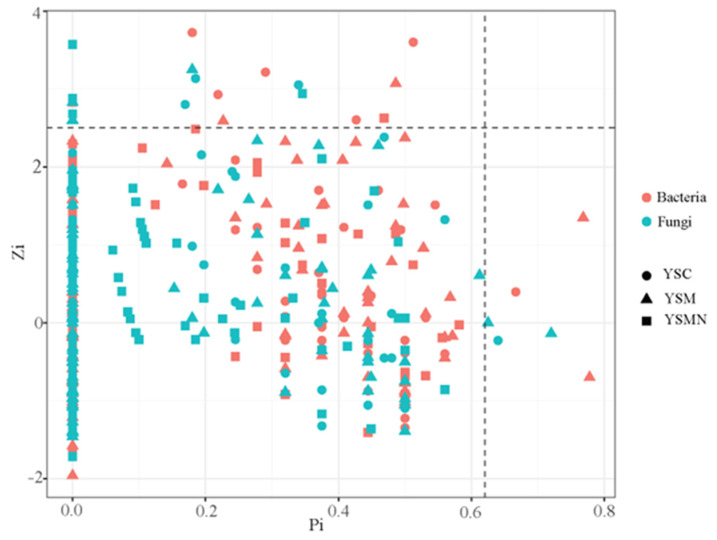
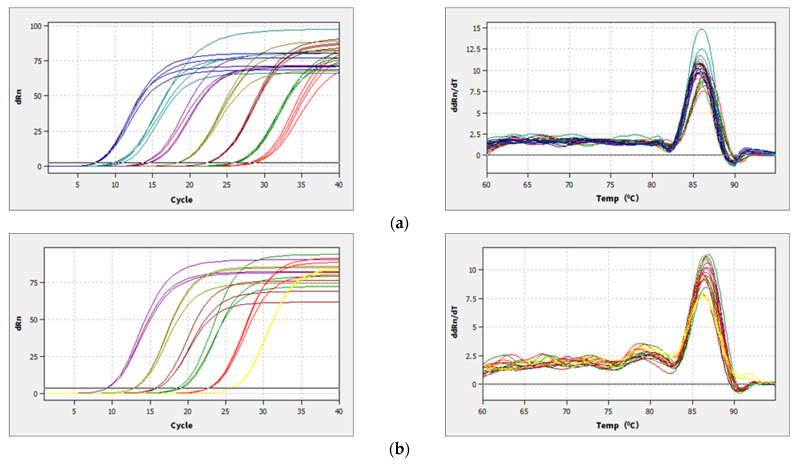
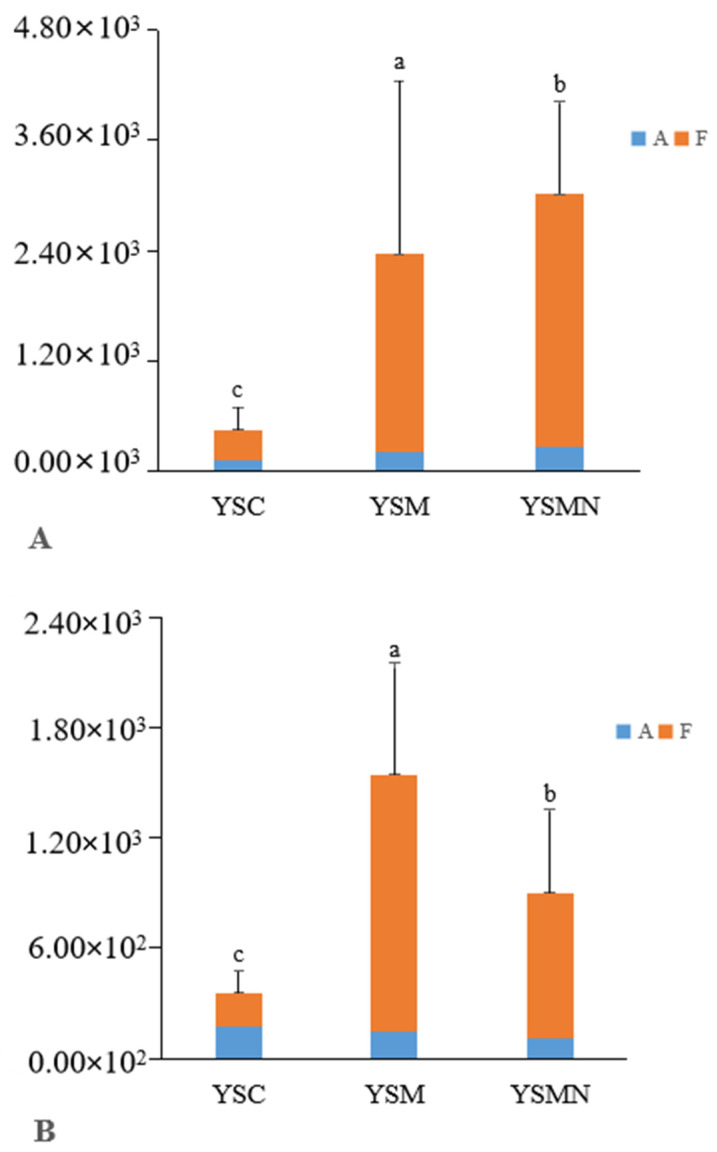
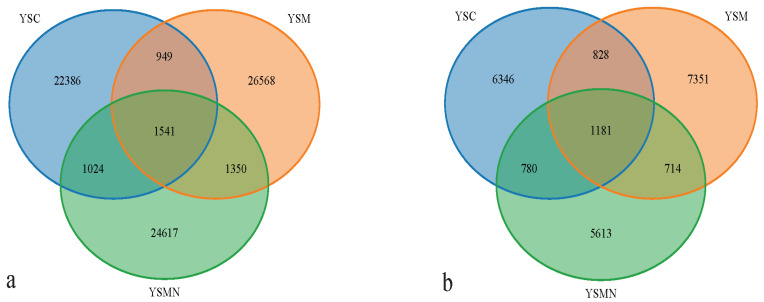
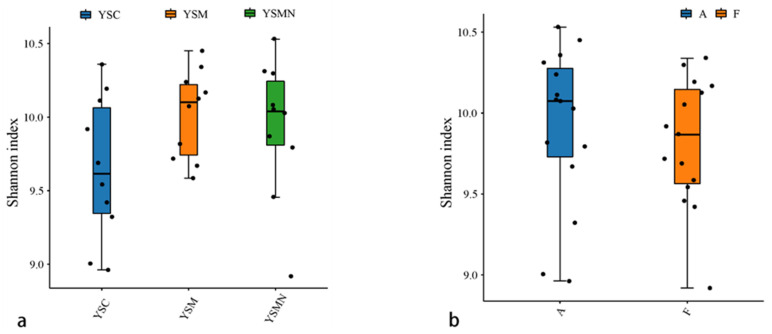
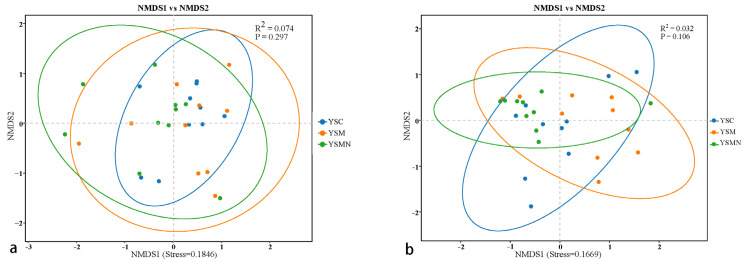
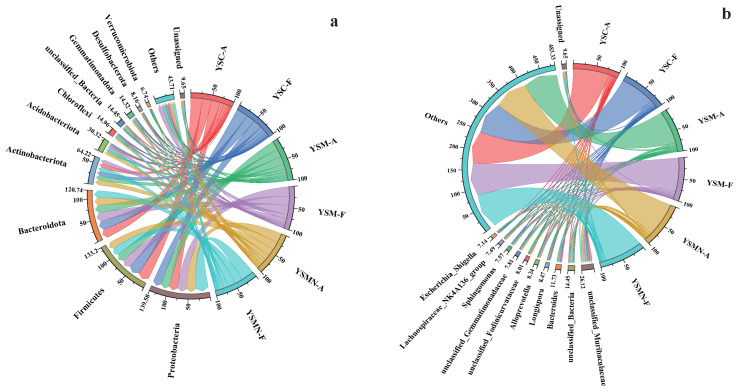
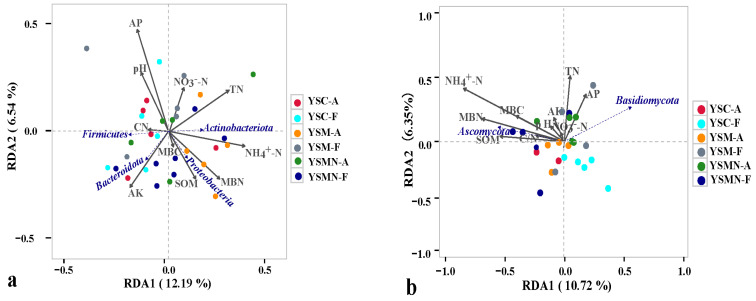
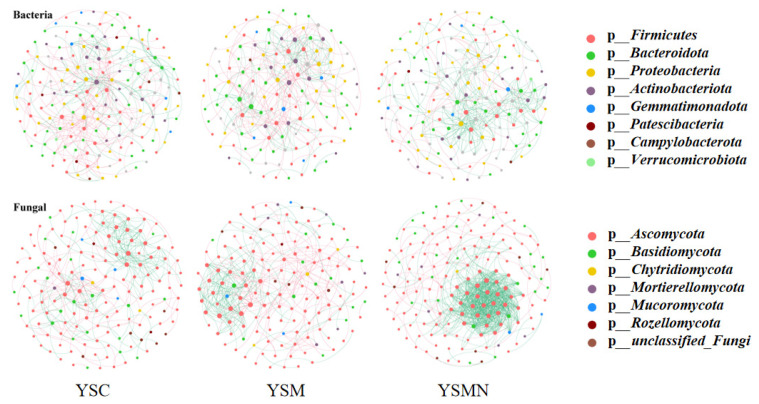
In this study, we investigated the adaptation of yellow-sand-substrate cultivation in the desert fringe and its effect on soil physicochemical properties and microbial communities. The qPCR and high-throughput sequencing with null modeling analyzed microbial diversity, networks, and assembly of cultivation under nutrient supplementation, linking physicochemical changes to microbial dynamics. The results showed that the yellow sand substrate can be planted with Morchella in the desert fringe area, as the cultivation with nutrient bags resulted in a yield of 691 g/m of fruit units. Cultivation of could significantly increase the physicochemical properties of the yellow sand substrate, such as soil organic matter (SOM), total nitrogen (TN), ammonium nitrogen (NH-N), and the microbial amount of carbon and nitrogen (MBC/MBN). The fungal community was dominated by , and , , , and . RDA analysis showed that and were positively correlated with NH-N, MBN, SOM, MBC, acting potassium (AK), TN, and C/N. cultivation promoted a positive correlation-dominant microbial network pattern in the yellow sand substrate. The nutrient bag treatment reduced bacterial network complexity while enhancing fungal network complexity, connectivity and stability, accompanied by significant increases in , , , and relative abundances during cultivation until original substrate degradation. Deterministic processes dominated bacterial and fungal communities, and morel cultivation drove bacterial and fungal community assembly toward heterogeneous selection processes. The results of the study revealed the economic value of cultivation in the desert fringe and the application potential of improving the physicochemical properties of yellow sandy soil, which is of great importance for practical cultivation and application of morel mushrooms in the desert.
在本研究中,我们调查了沙漠边缘黄沙基质栽培的适应性及其对土壤理化性质和微生物群落的影响。采用定量聚合酶链反应(qPCR)和高通量测序结合空模型分析了营养补充条件下栽培的微生物多样性、网络结构和群落组装,将理化变化与微生物动态联系起来。结果表明,在沙漠边缘地区,黄沙基质可以种植羊肚菌,使用营养袋栽培时,子实体产量为691克/平方米。羊肚菌栽培可显著提高黄沙基质的理化性质,如土壤有机质(SOM)、全氮(TN)、铵态氮(NH₄-N)以及微生物碳氮量(MBC/MBN)。真菌群落以[具体真菌名称1]、[具体真菌名称2]、[具体真菌名称3]、[具体真菌名称4]和[具体真菌名称5]为主。冗余分析(RDA)表明,[具体真菌名称1]和[具体真菌名称2]与NH₄-N、MBN、SOM、MBC、有效钾(AK)、TN和C/N呈正相关。羊肚菌栽培促进了黄沙基质中以正相关为主的微生物网络模式。营养袋处理降低了细菌网络的复杂性,同时增强了真菌网络的复杂性、连通性和稳定性,在栽培过程中,伴随着[具体细菌名称1]、[具体细菌名称2]、[具体细菌名称3]和[具体细菌名称4]相对丰度的显著增加,直至原始基质降解。确定性过程主导细菌和真菌群落,羊肚菌栽培促使细菌和真菌群落组装朝着异质性选择过程发展。研究结果揭示了沙漠边缘羊肚菌栽培的经济价值以及改善黄沙土壤理化性质的应用潜力,这对于沙漠地区羊肚菌的实际栽培和应用具有重要意义。