Daliri Eric Banan-Mwine, Megur Ashwinipriyadarshini, Mingaila Jonas, Vijaya Akshay Kumar, Balnionytė Toma, Sakar Debalina, Carnicero-Mayo Yaiza, Behrends Volker, Costabile Adele, Burokas Aurelijus
Department of Biological Models, Institute of Biochemistry, Life Sciences Center, Vilnius University, Sauletekio Ave. 7, LT-10257, Vilnius, Lithuania.
School of Life and Health Sciences, University of Roehampton, London, SW15 4JD, UK.
Curr Res Food Sci. 2025 Apr 12;10:101052. doi: 10.1016/j.crfs.2025.101052. eCollection 2025.
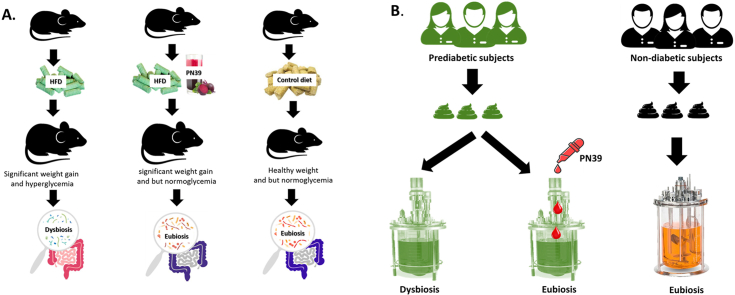
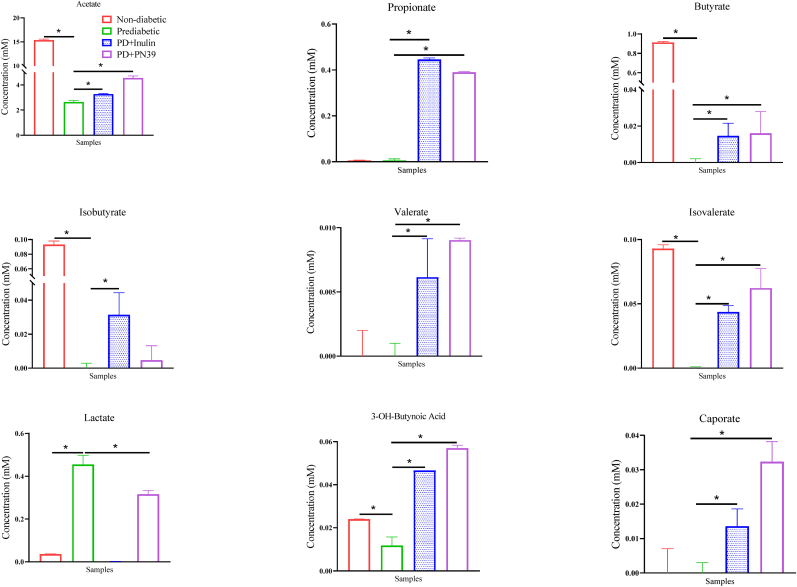
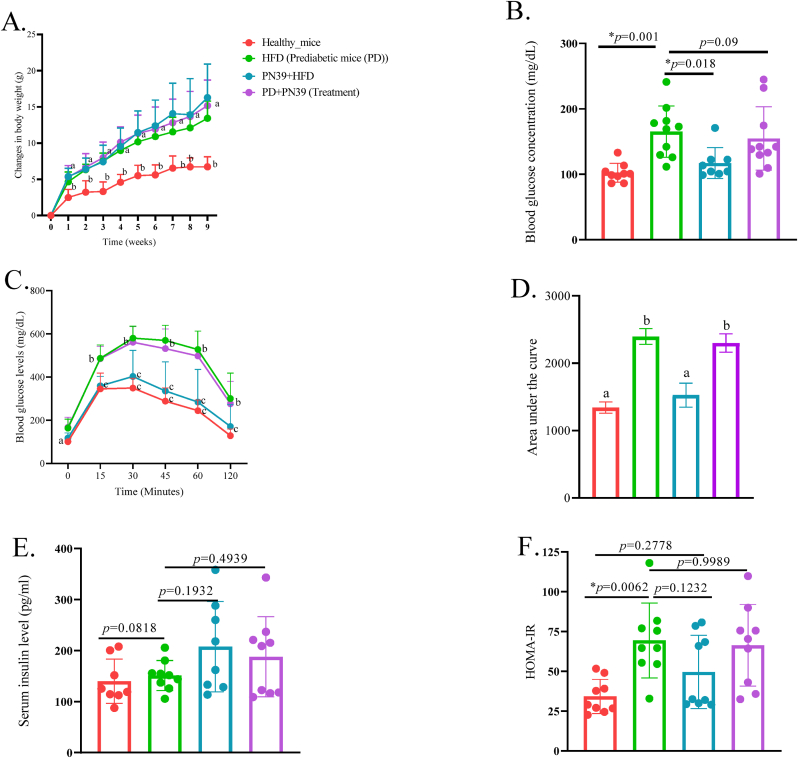
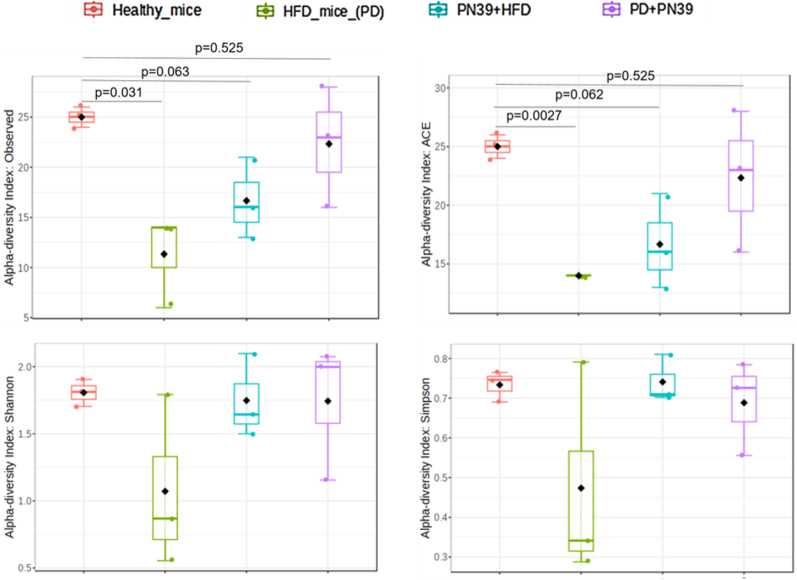
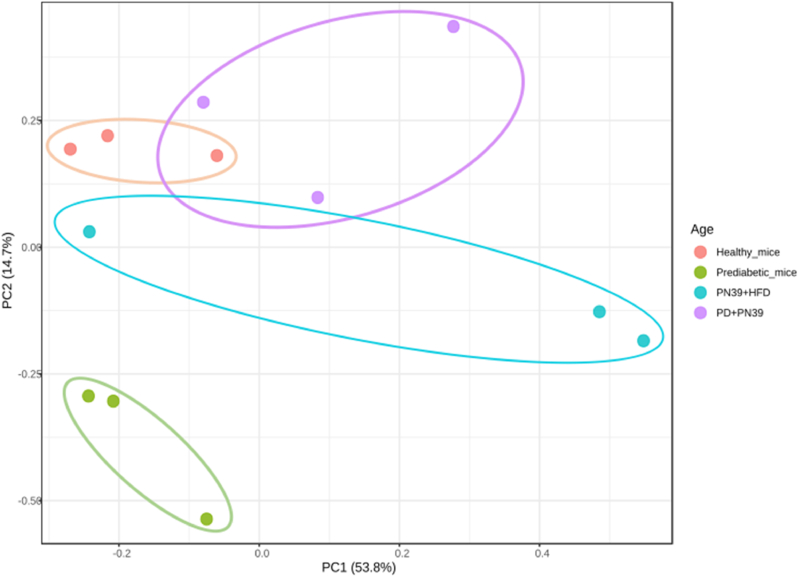
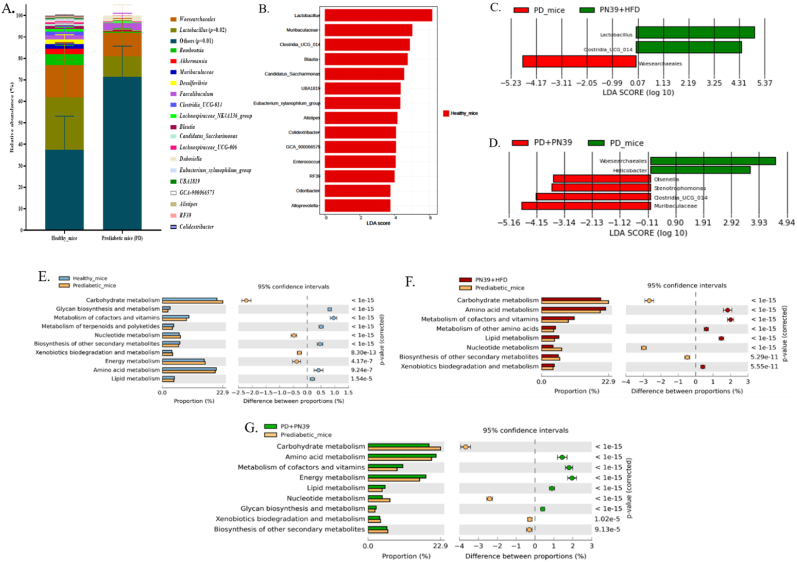
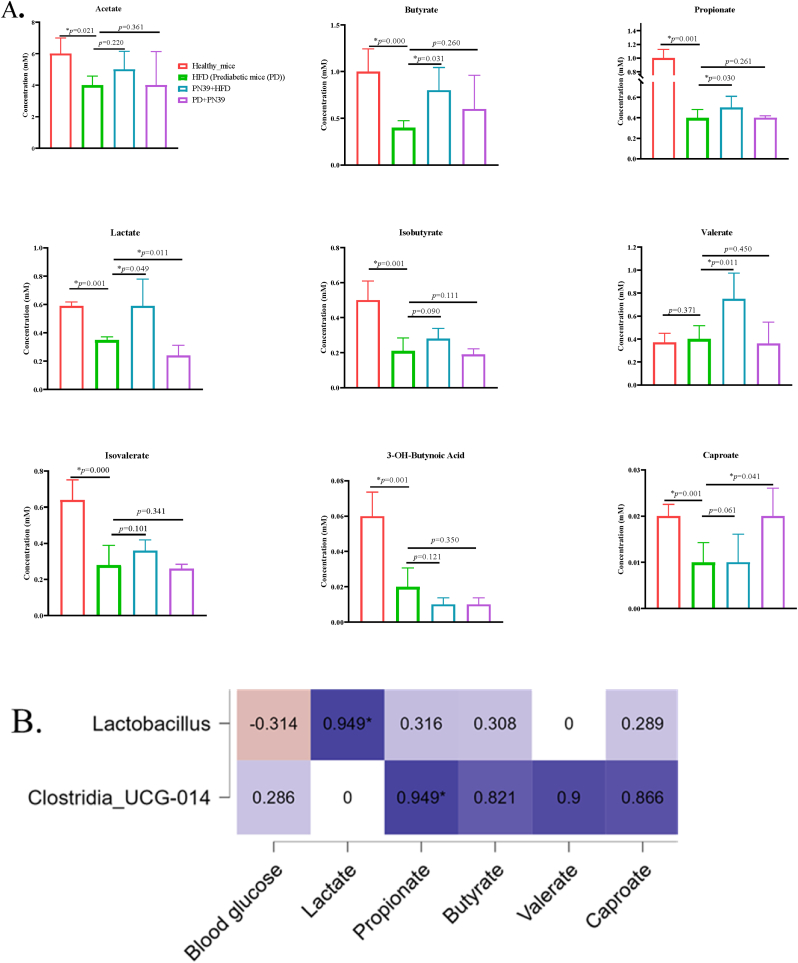
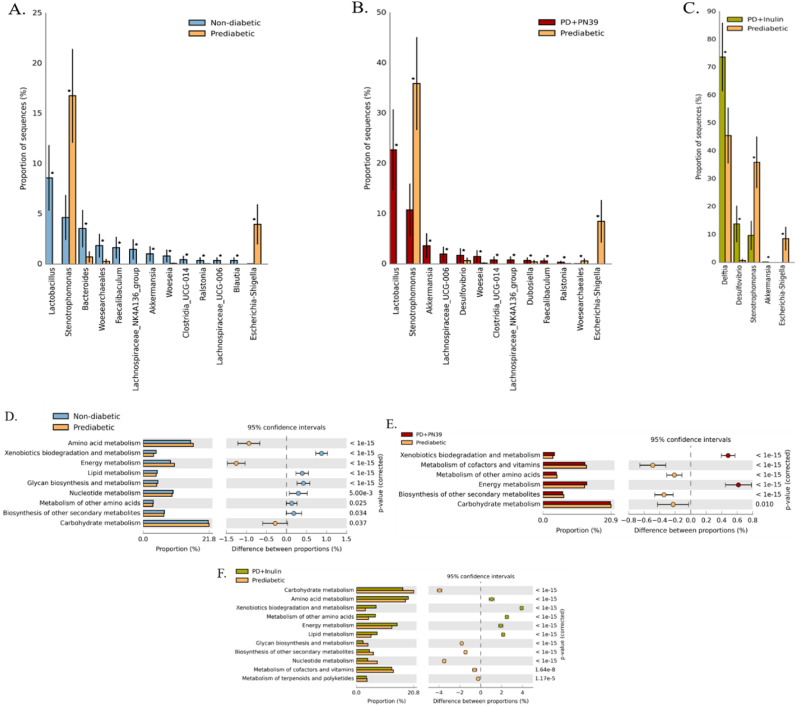
The global increase in prevalence of (pre-)diabetes demands immediate intervention strategies. In our earlier work, we demonstrated antidiabetic potential of a fermented beetroot product (PN39). Here, we examined the impact of PN39 on glucose tolerance and gut microbiota in C57BL/6J male mice and on prediabetic (PD) subjects' stool microbiota. In mice, high-fat diet (HFD) consumption for 9 weeks resulted in hyperglycemia and impaired glucose tolerance (GT) while concomitant consumption of PN39 and HFD (PN39+HFD) prevented GT impairment. Meanwhile, feeding the mice with HFD for 5 weeks to induce PD and later administering them with PN39 for 4 weeks (PD + PN39) neither improved fasting blood glucose nor GT. Relative to control groups, the gut microbiota of both PD mice and humans were characterized by decreased and Lactobacilli as well as significantly altered gut microbial carbohydrate metabolism. Feeding PN39 together with HFD preserved and Lactobacilli, increased short chain fatty acid production relative to mice fed with HFD only. Treating gut microbiota of PD subjects with PN39 however increased and Lactobacilli populations and increased short chain fatty acids concentrations in the stools. In both mice and humans, PN39 treatment rectified the altered microbial carbohydrate metabolism observed in their PD counterparts. This suggests that the gut microbial modulatory effects of PN39 coupled with its capacity to regulate gut microbial glucose metabolism, likely played a role in preventing PD in mice receiving PN39+HFD. Taken together, our results indicate that PN39 could act as a potent antidiabetic functional food for preventing diabetes and its associated dysbiosis.
全球(前)糖尿病患病率的上升需要立即采取干预策略。在我们早期的研究中,我们证明了一种发酵甜菜根产品(PN39)具有抗糖尿病潜力。在此,我们研究了PN39对C57BL/6J雄性小鼠葡萄糖耐量和肠道微生物群以及糖尿病前期(PD)受试者粪便微生物群的影响。在小鼠中,9周的高脂饮食(HFD)导致高血糖和葡萄糖耐量(GT)受损,而同时食用PN39和HFD(PN39 + HFD)可预防GT受损。同时,给小鼠喂食5周HFD以诱导PD,随后给它们施用PN39 4周(PD + PN39),既未改善空腹血糖也未改善GT。相对于对照组,PD小鼠和人类的肠道微生物群的特征是双歧杆菌和乳酸杆菌减少,以及肠道微生物碳水化合物代谢显著改变。与仅喂食HFD的小鼠相比,将PN39与HFD一起喂食可保留双歧杆菌和乳酸杆菌,增加短链脂肪酸的产生。然而,用PN39处理PD受试者的肠道微生物群可增加双歧杆菌和乳酸杆菌的数量,并增加粪便中短链脂肪酸的浓度。在小鼠和人类中,PN39处理均纠正了在其PD对应物中观察到的改变的微生物碳水化合物代谢。这表明PN39的肠道微生物调节作用及其调节肠道微生物葡萄糖代谢的能力,可能在预防接受PN39 + HFD的小鼠的PD中发挥了作用。综上所述,我们的结果表明,PN39可以作为一种有效的抗糖尿病功能性食品,用于预防糖尿病及其相关的生态失调。