Zhang Xiangqian, Zhou Yiran, Li Hang, Chen Mengru, Peng Fang, Li Ning
Department of Blood Transfusion, Clinical Transfusion Research Center, Xiangya Hospital, Central South University, Changsha 410008, China.
Department of Clinical Laboratory, Xiangya Hospital, Central South University, Changsha 410008, China.
Biomedicines. 2025 Apr 11;13(4):942. doi: 10.3390/biomedicines13040942.
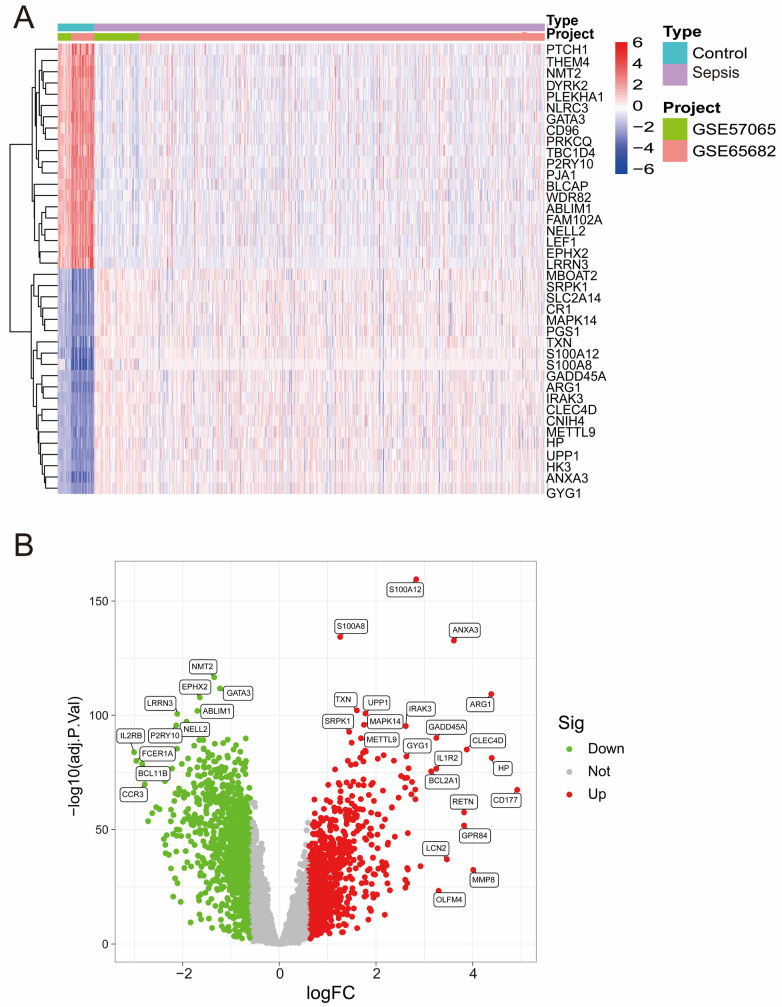
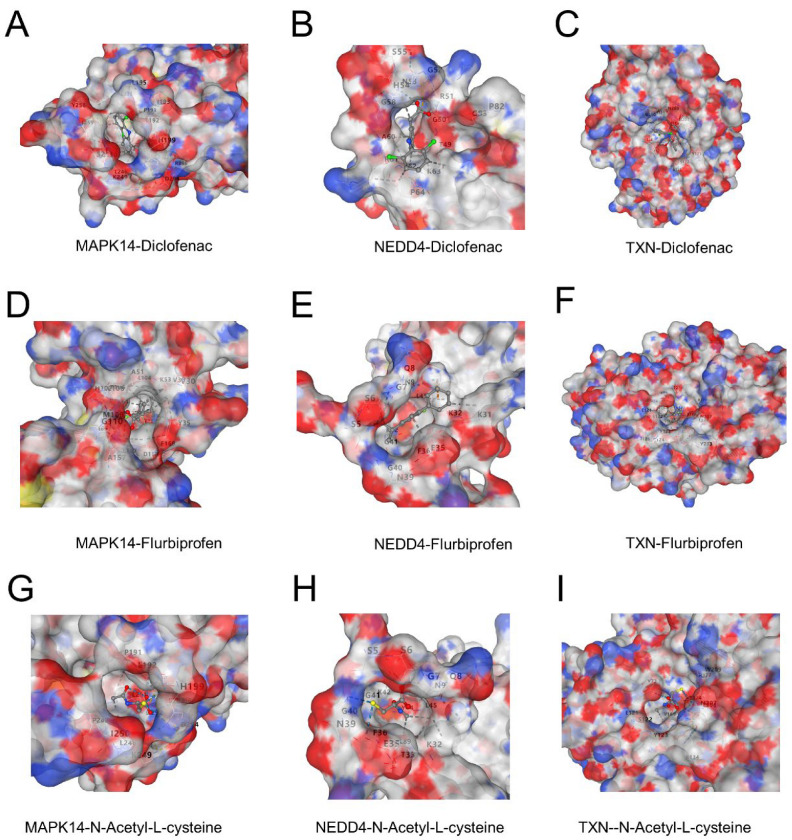
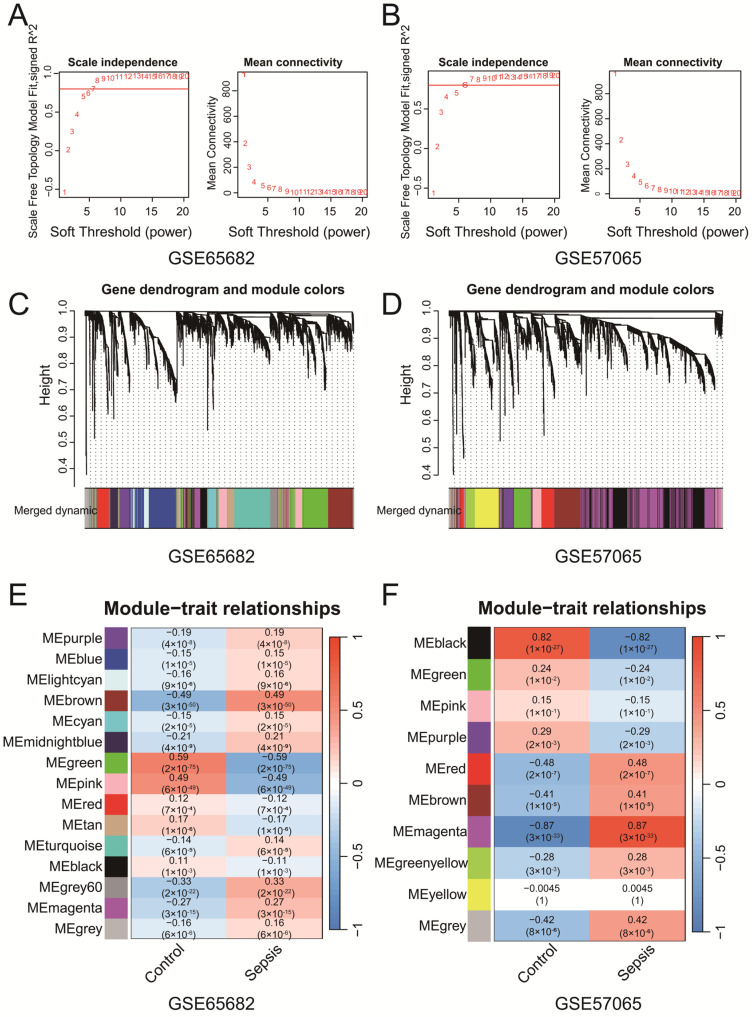
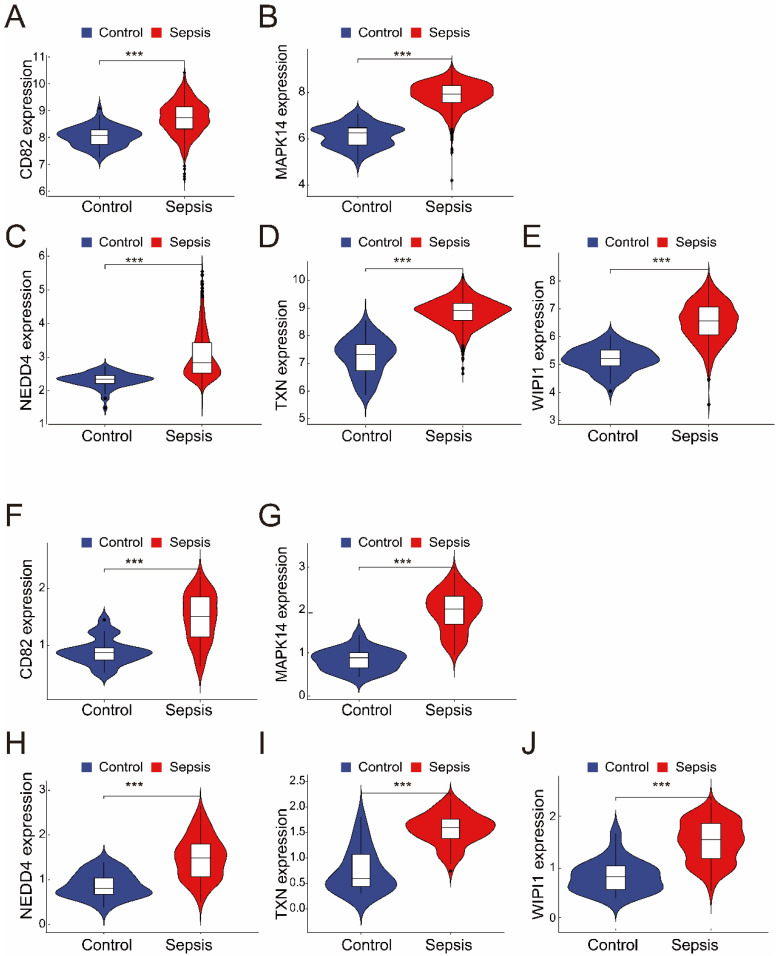
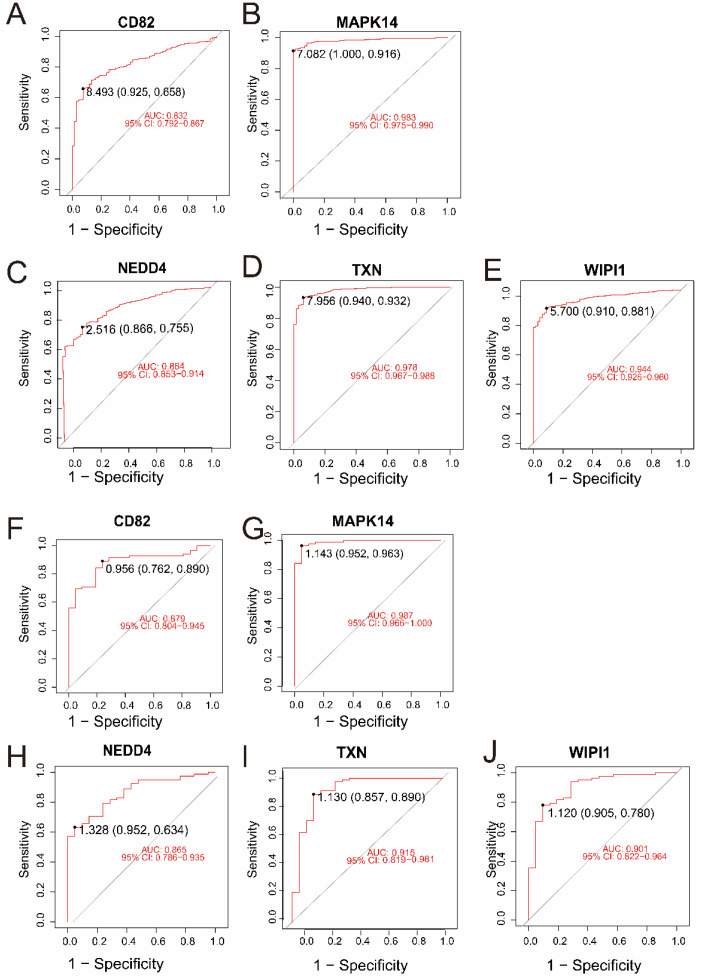
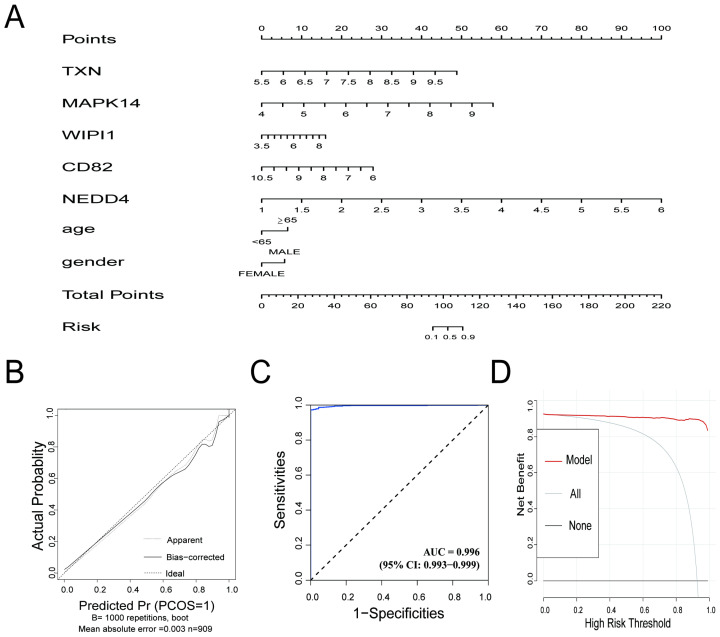
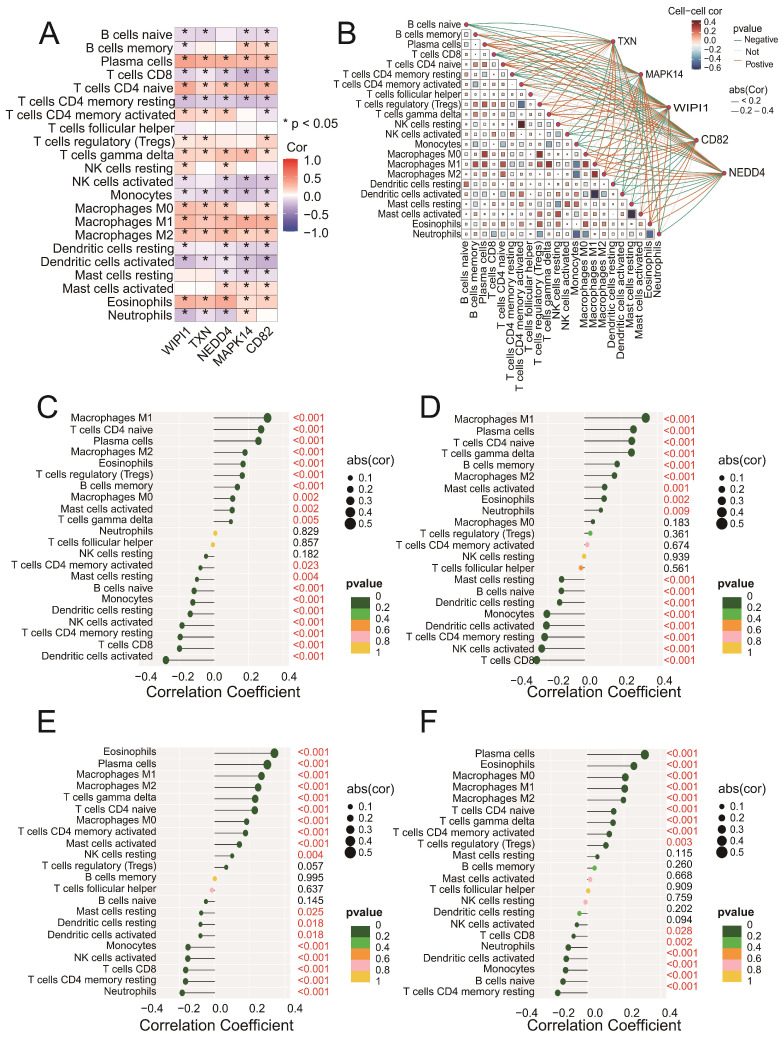
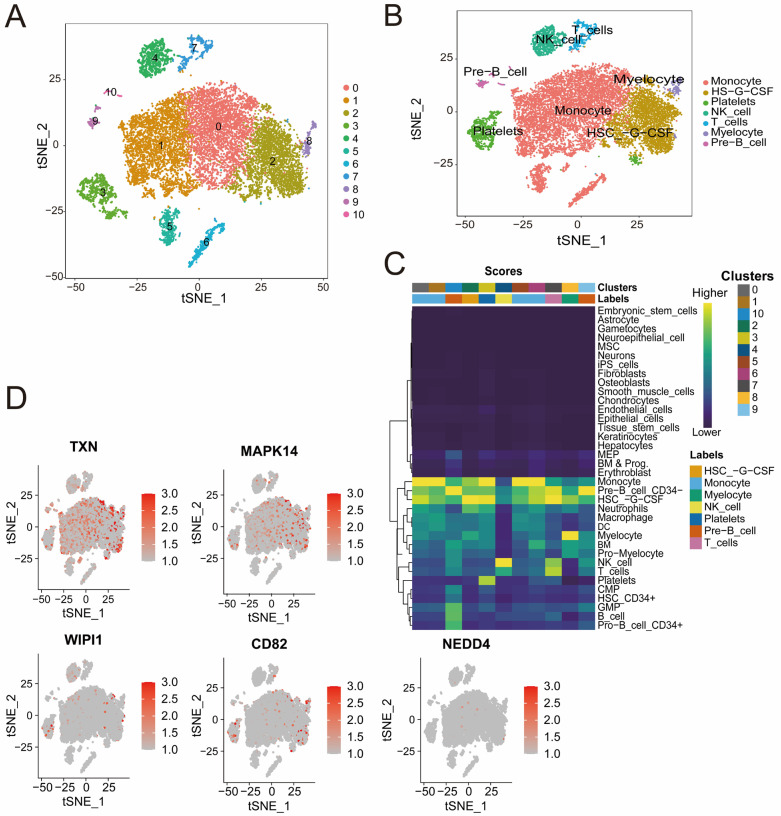
Sepsis is a life-threatening condition characterized by organ dysfunction due to an imbalanced immune response to infection, with high mortality. Ferroptosis, an iron-dependent cell death process, and cellular senescence, which exacerbates inflammation, have recently been implicated in sepsis pathophysiology. Weighted gene co-expression network analysis (WGCNA) was used to identify ferroptosis- and senescence-related gene modules in sepsis. Differentially expressed genes (DEGs) were analyzed using public datasets (GSE57065, GSE65682, and GSE26378). Receiver operating characteristic (ROC) analysis was performed to evaluate their diagnostic potential, while single-cell RNA sequencing (scRNA-seq) was used to assess their immune-cell-specific expression. Molecular docking was conducted to predict drug interactions with key proteins. Five key genes (, , , , and ) were significantly upregulated in sepsis patients and highly correlated with immune cell infiltration. and exhibited strong diagnostic potential (AUC = 0.983, 0.978). Molecular docking suggested potential therapeutic interactions with diclofenac, flurbiprofen, and N-acetyl-L-cysteine. This study highlights ferroptosis and senescence as critical mechanisms in sepsis and identifies promising biomarkers for diagnosis and targeted therapy. Future studies should focus on clinical validation and precision medicine applications.
脓毒症是一种危及生命的病症,其特征为因对感染的免疫反应失衡导致器官功能障碍,死亡率很高。铁死亡是一种铁依赖性细胞死亡过程,而细胞衰老会加剧炎症,最近它们都与脓毒症的病理生理学有关。加权基因共表达网络分析(WGCNA)被用于识别脓毒症中与铁死亡和衰老相关的基因模块。使用公共数据集(GSE57065、GSE65682和GSE26378)分析差异表达基因(DEG)。进行受试者工作特征(ROC)分析以评估其诊断潜力,同时使用单细胞RNA测序(scRNA-seq)评估其在免疫细胞中的特异性表达。进行分子对接以预测药物与关键蛋白的相互作用。五个关键基因(、、、和)在脓毒症患者中显著上调,且与免疫细胞浸润高度相关。和表现出很强的诊断潜力(AUC = 0.983、0.978)。分子对接表明与双氯芬酸、氟比洛芬和N-乙酰-L-半胱氨酸存在潜在的治疗相互作用。本研究强调铁死亡和衰老为脓毒症的关键机制,并识别出有前景的诊断和靶向治疗生物标志物。未来的研究应聚焦于临床验证和精准医学应用。