Li Jipin, Yong Tao, Chen Yali, Zeng Tingyu, Zhang Kaifeng, Wang Shuping, Zhang Youcheng
Department of General Surgery, The Second Hospital of Lanzhou University, Lanzhou, China.
Key Laboratory of Preclinical Study for New Drugs of Gansu Province, Institute of Biochemistry and Molecular Biology, School of Basic Medical Sciences, Lanzhou University, Lanzhou, China.
Front Pharmacol. 2025 Apr 17;16:1571786. doi: 10.3389/fphar.2025.1571786. eCollection 2025.
Proliferating cell nuclear antigen (PCNA) is associated with the proliferation and recurrence of various cancers, and its high expression is associated with poor prognosis in hepatocellular carcinoma (HCC) patients. However, the mechanistic role of PCNA in HCC progression remains poorly understood. This study aimed to investigate how PCNA regulates DNA damage repair and cell cycle progression in HCC, with a focus on its interaction with poly (ADP-ribose) polymerase 1 (PARP1) and therapeutic implications.
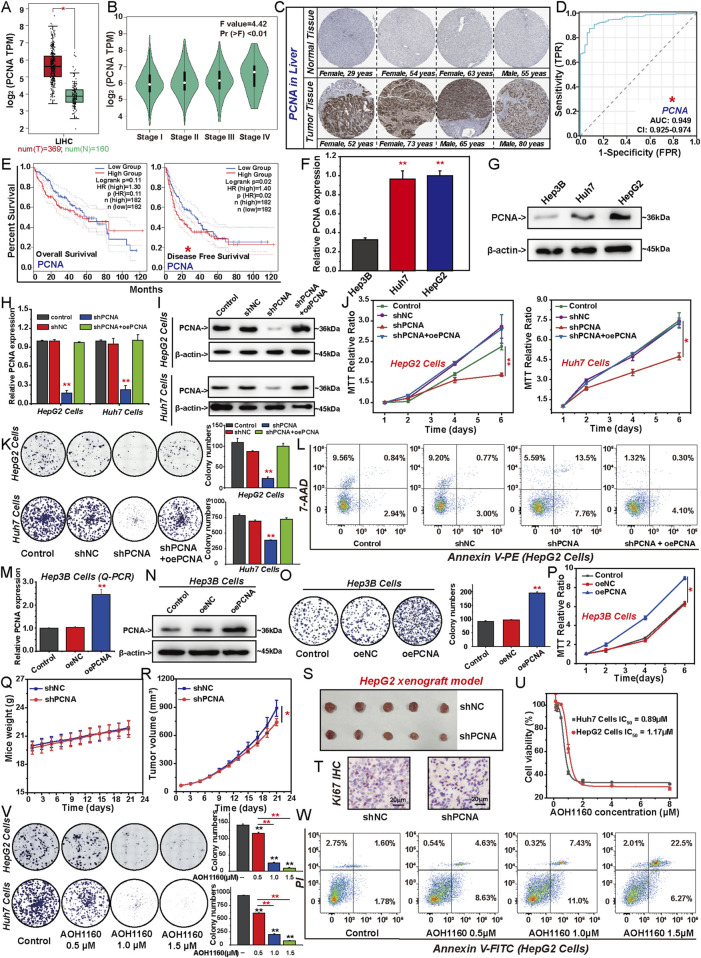
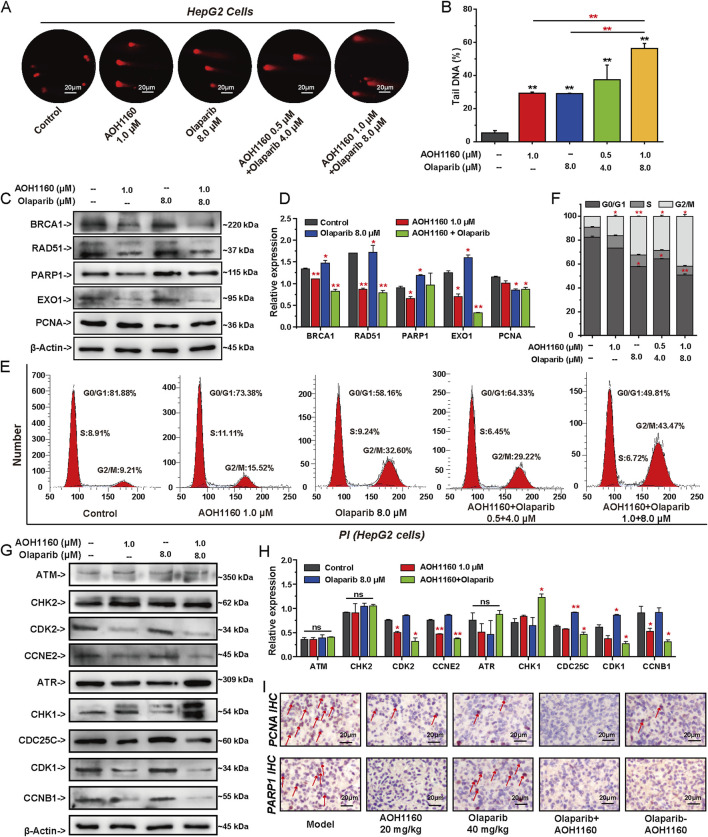
PCNA was targeted genetically and pharmacologically in HCC cells to assess its effects on DNA damage repair and cell cycle arrest. Protein-protein interactions between PCNA and PARP1 were validated through co-immunoprecipitation and functional assays. The sensitivity of HCC cells to the PARP1 inhibitor Olaparib was evaluated under PCNA inhibition. Synergistic effects of AOH1160 (a PCNA inhibitor) and Olaparib were tested in vitro and in vivo using proliferation assays, DNA damage quantification, and cell cycle analysis. Prognostic relevance of PCNA expression was analyzed using TCGA datasets.
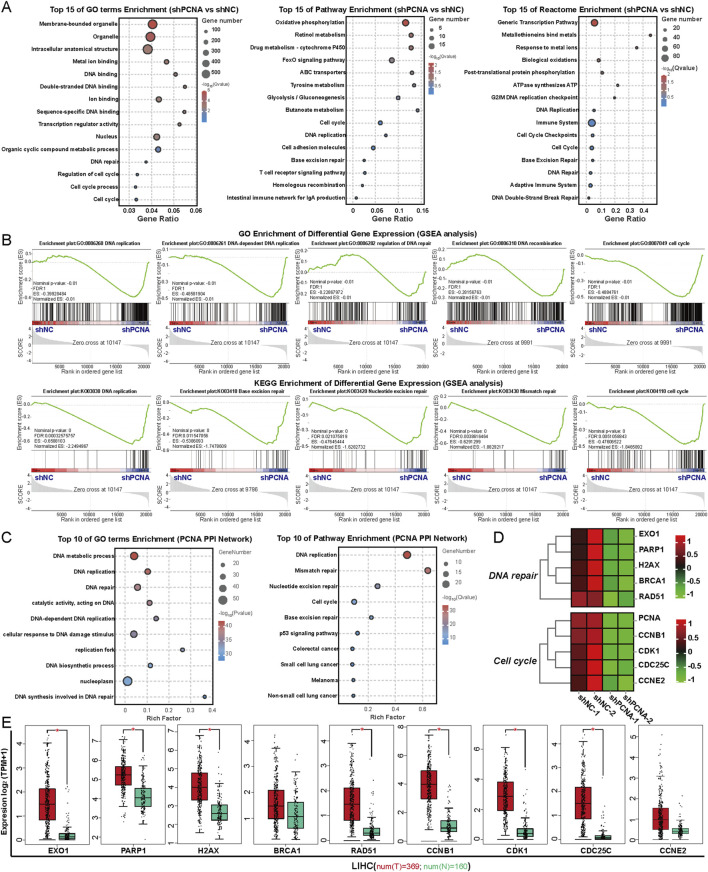
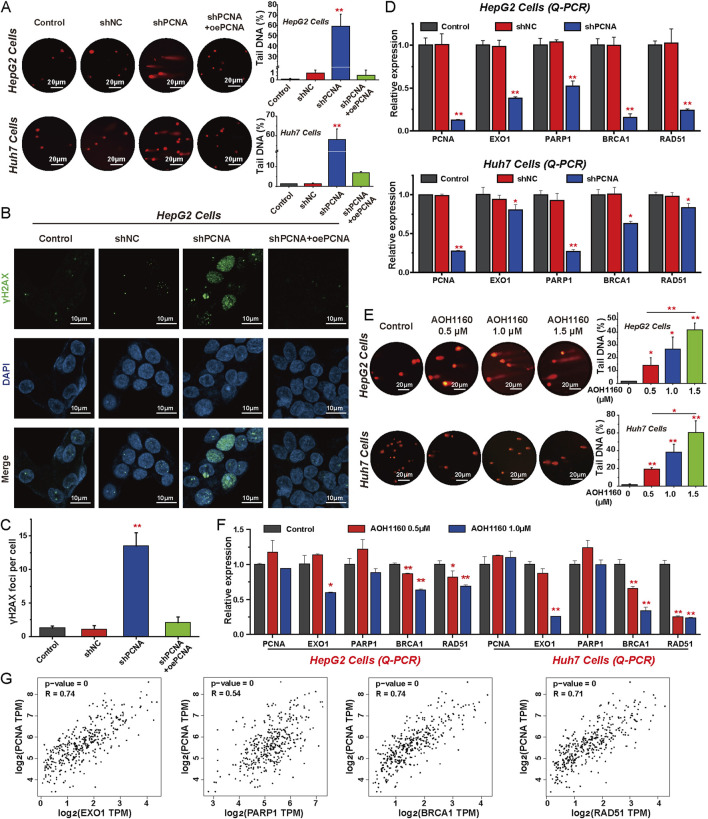
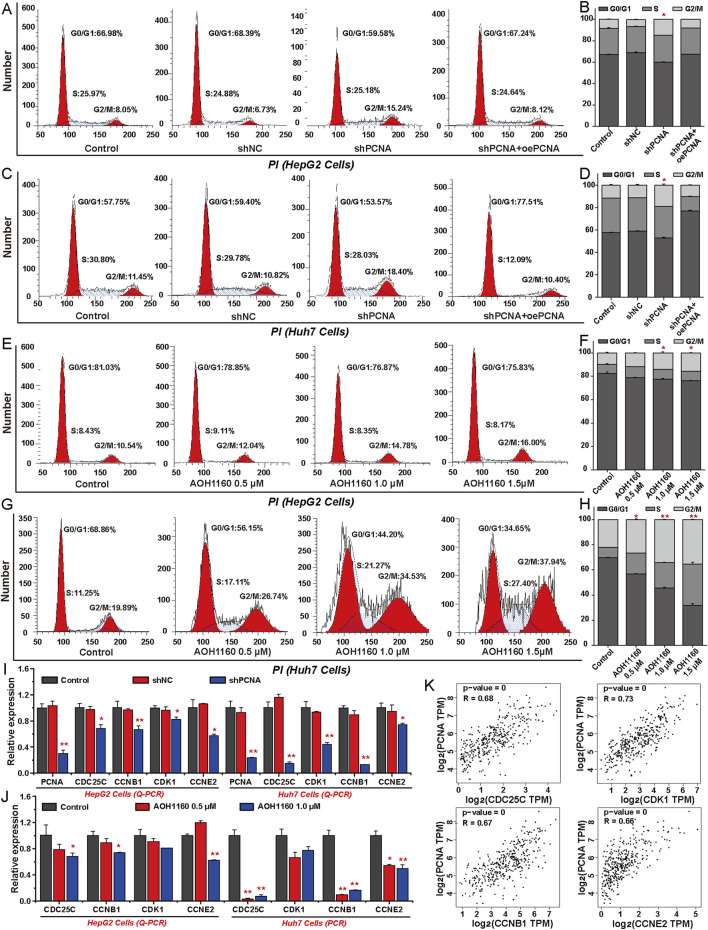
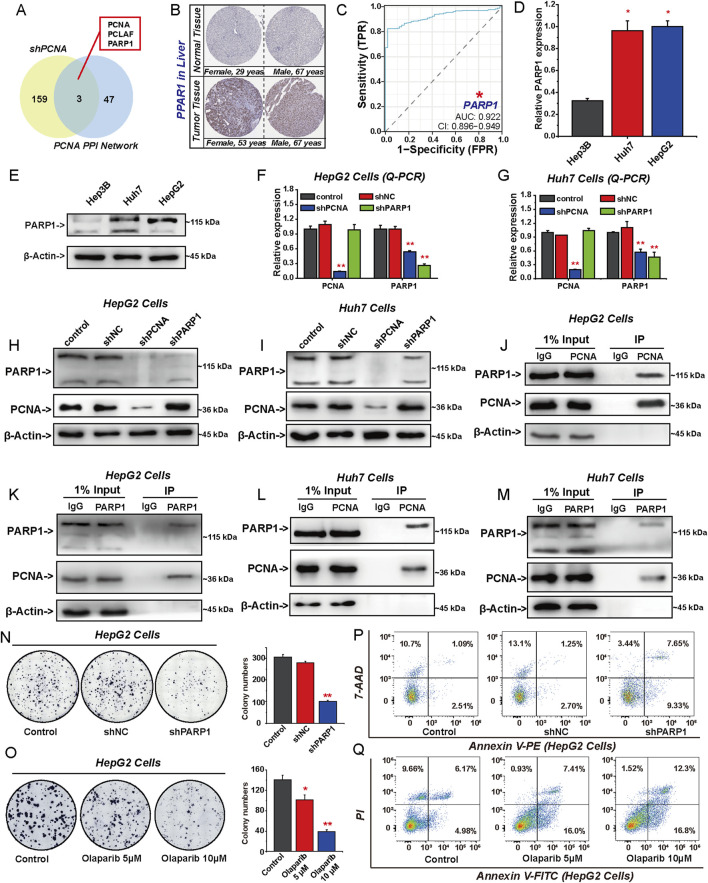
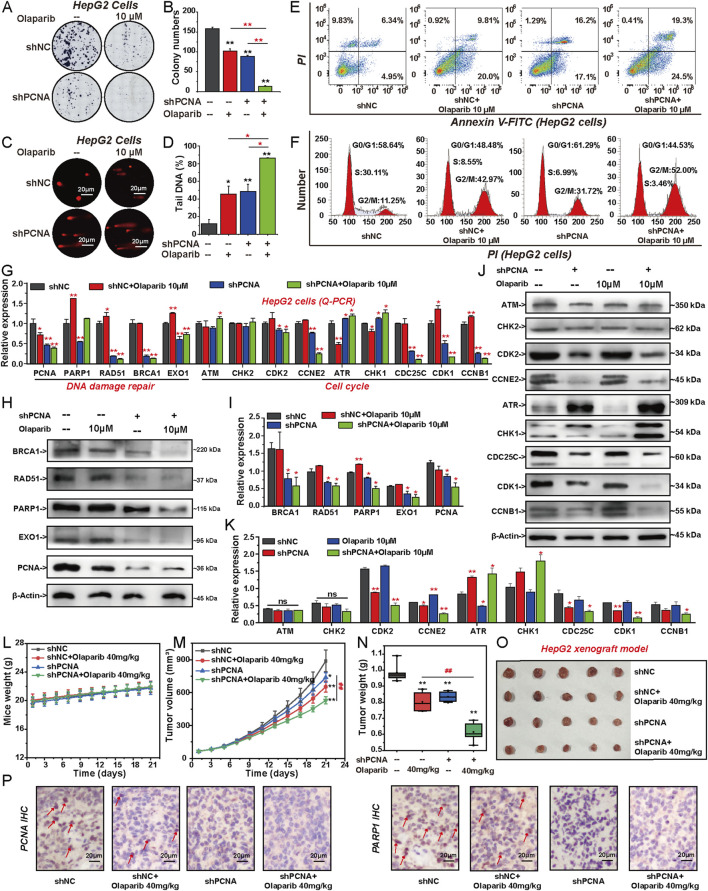
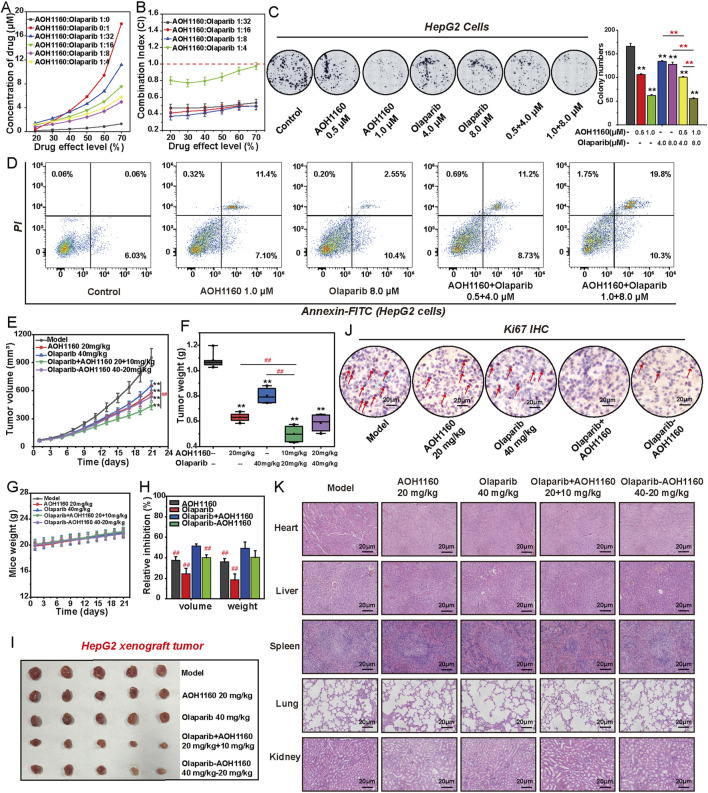
Targeting PCNA suppressed DNA damage repair and induced cell cycle arrest in HCC cells. Mechanistically, PARP1 was identified as a downstream target of PCNA and directly interacted with PCNA. Inhibiting the expression or activity of PCNA increased the sensitivity of HCC cells to the PARP1 inhibitor, Olaparib. In addition, AOH1160 and Olaparib synergistically inhibited the proliferation, DNA damage repair and cell cycle progression of HCC cells. Elevated PCNA levels correlated with unfavorable HCC prognosis, supporting its role as a therapeutic biomarker. In vivo experiments also confirmed that repression of the PCNA/PARP1 axis significantly reduced HCC tumor growth.
This study elucidates the relationship between PCNA and PARP1 in regulating the malignant progression of HCC, and highlight the pivotal role of PCNA/PARP1 axis in DNA damage repair and cell cycle progression. The correlation between elevated PCNA levels and unfavorable prognosis underscores its potential as a therapeutic biomarker. Repression of PCNA/PARP1 axis significantly inhibits the malignant proliferation of HCC cells both in vitro and in vivo. Collectively, the study provides a mechanistic foundation for therapies targeting PCNA/PARP1 axis.
增殖细胞核抗原(PCNA)与多种癌症的增殖和复发相关,其高表达与肝细胞癌(HCC)患者的不良预后相关。然而,PCNA在HCC进展中的机制作用仍知之甚少。本研究旨在探讨PCNA如何调节HCC中的DNA损伤修复和细胞周期进程,重点关注其与聚(ADP-核糖)聚合酶1(PARP1)的相互作用及其治疗意义。
在HCC细胞中对PCNA进行基因和药理学靶向,以评估其对DNA损伤修复和细胞周期停滞的影响。通过免疫共沉淀和功能测定验证PCNA与PARP1之间的蛋白质-蛋白质相互作用。在PCNA抑制下评估HCC细胞对PARP1抑制剂奥拉帕利的敏感性。使用增殖测定、DNA损伤定量和细胞周期分析在体外和体内测试AOH1160(一种PCNA抑制剂)和奥拉帕利的协同作用。使用TCGA数据集分析PCNA表达的预后相关性。
靶向PCNA可抑制HCC细胞中的DNA损伤修复并诱导细胞周期停滞。机制上,PARP1被确定为PCNA的下游靶点并直接与PCNA相互作用。抑制PCNA的表达或活性可增加HCC细胞对PARP1抑制剂奥拉帕利的敏感性。此外,AOH1160和奥拉帕利协同抑制HCC细胞的增殖、DNA损伤修复和细胞周期进程。PCNA水平升高与不良的HCC预后相关,支持其作为治疗生物标志物的作用。体内实验还证实,抑制PCNA/PARP1轴可显著降低HCC肿瘤生长。
本研究阐明了PCNA与PARP1在调节HCC恶性进展中的关系,并强调了PCNA/PARP1轴在DNA损伤修复和细胞周期进程中的关键作用。PCNA水平升高与不良预后之间的相关性强调了其作为治疗生物标志物的潜力。抑制PCNA/PARP1轴在体外和体内均显著抑制HCC细胞的恶性增殖。总体而言,该研究为靶向PCNA/PARP1轴的治疗提供了机制基础。