
微针辅助纳米治疗递送与纳米传感器在高级组织再生中的干预
Microneedle-aided nanotherapeutics delivery and nanosensor intervention in advanced tissue regeneration.
作者信息
Xu Churong, Wu Fei, Duan Zhouyi, Rajbanshi Bhavana, Qi Yuxin, Qin Jiaming, Dai Liming, Liu Chaozong, Jin Tuo, Zhang Bingjun, Zhang Xiaoling
机构信息
Department of Orthopaedics, Xinhua Hospital Affiliated to Shanghai Jiao Tong University School of Medicine, Shanghai, 200092, China.
School of Pharmacy, Shanghai Jiao Tong University, Shanghai, 200240, China.
出版信息
J Nanobiotechnology. 2025 May 3;23(1):330. doi: 10.1186/s12951-025-03383-1.
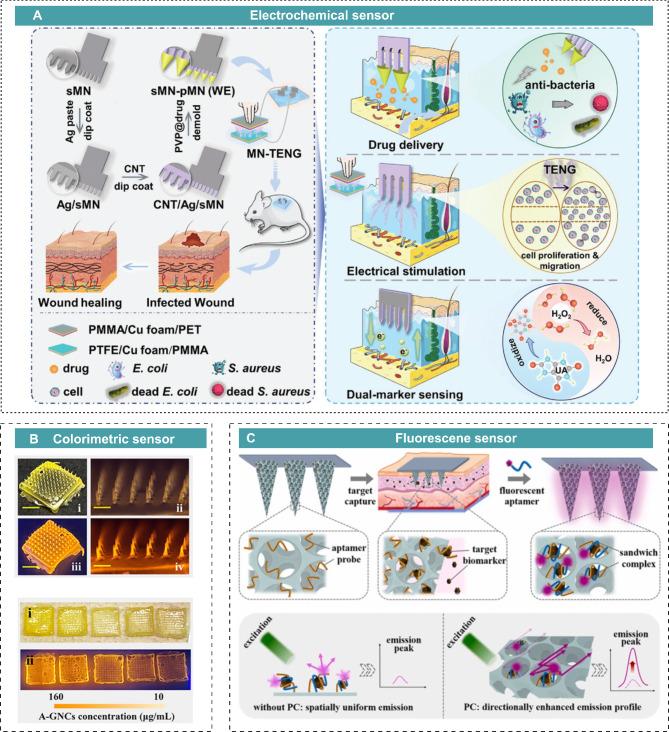
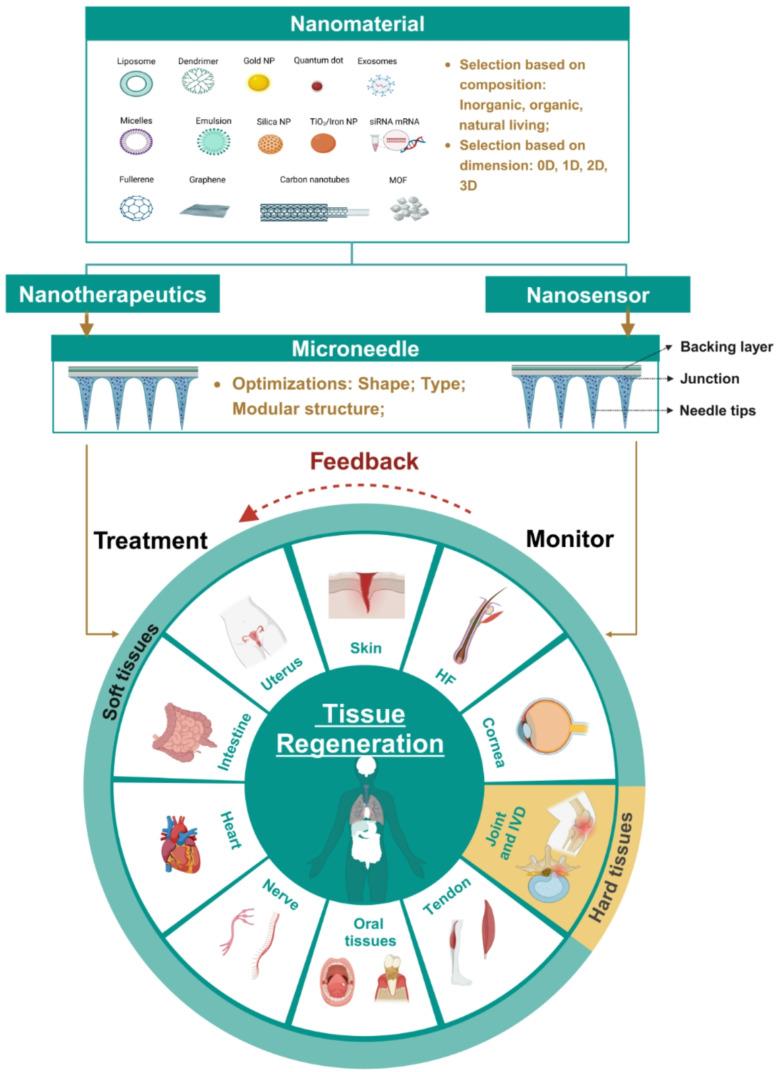
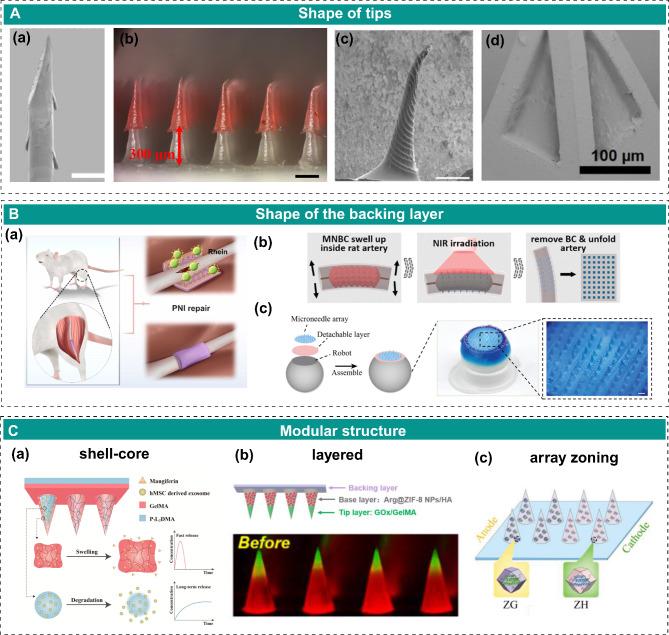
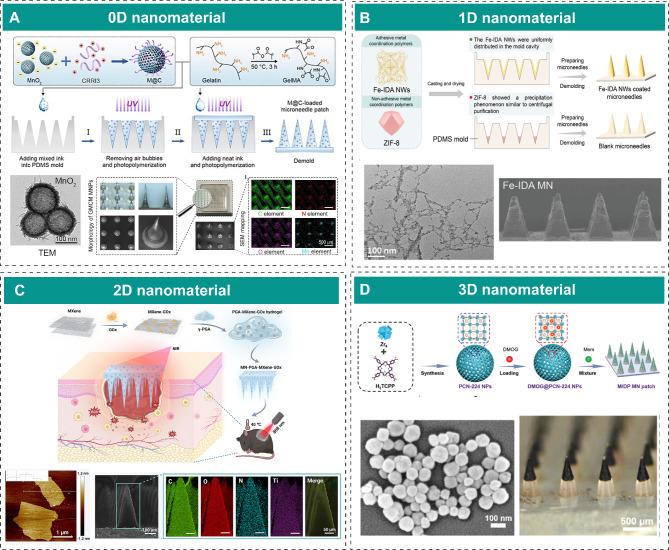
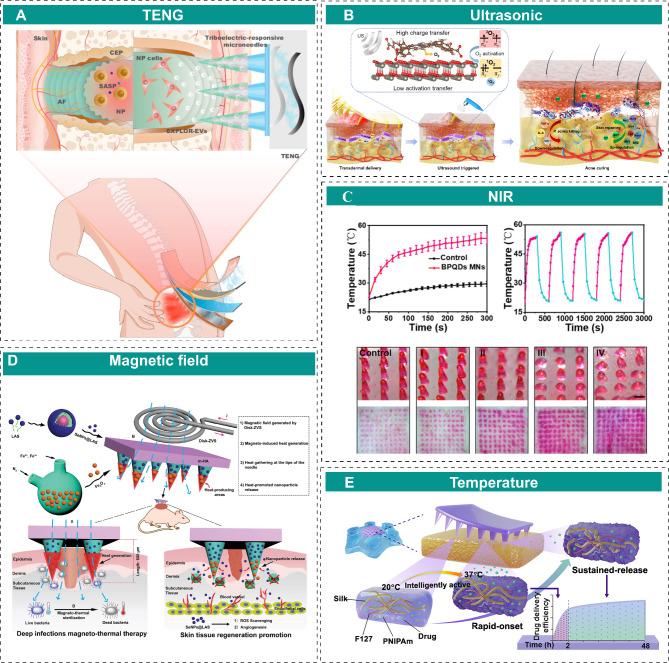
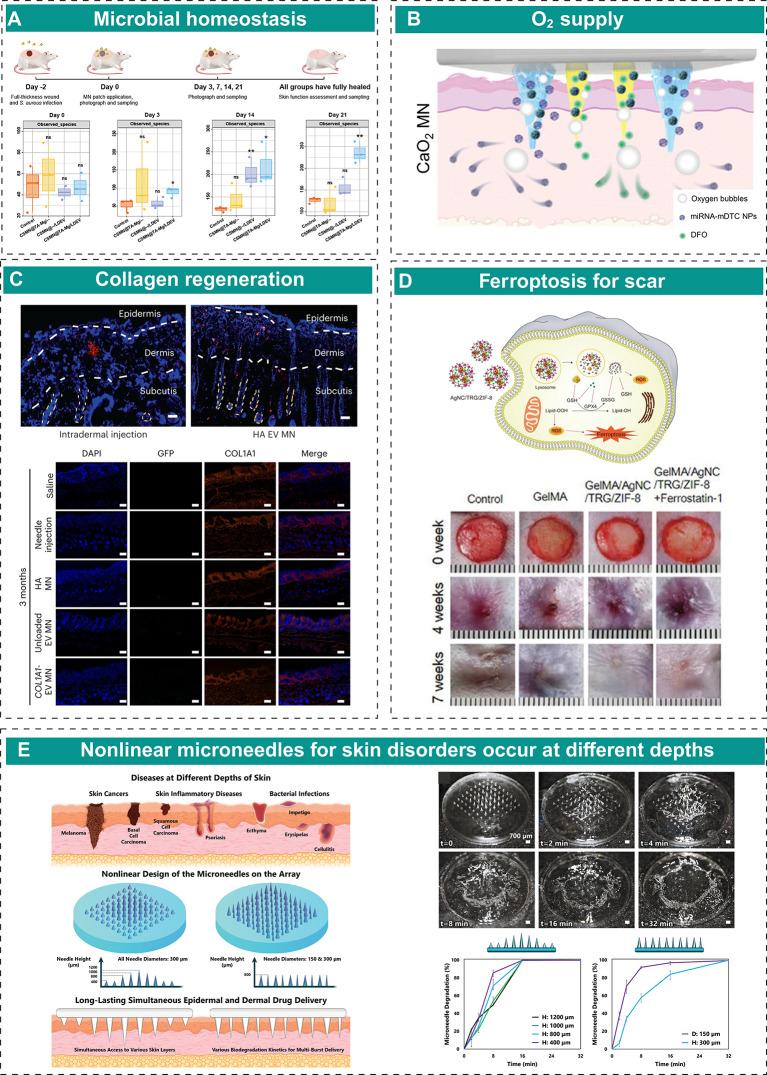
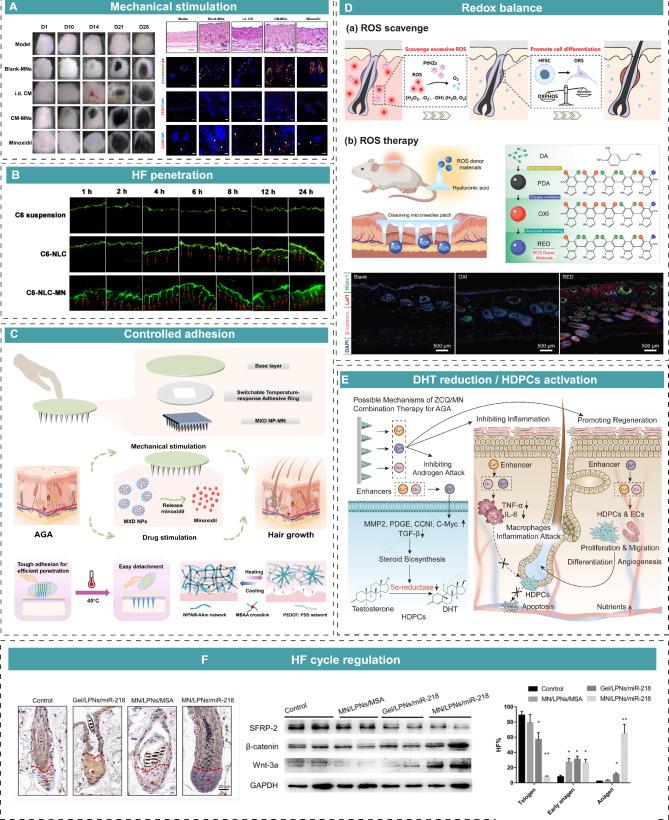
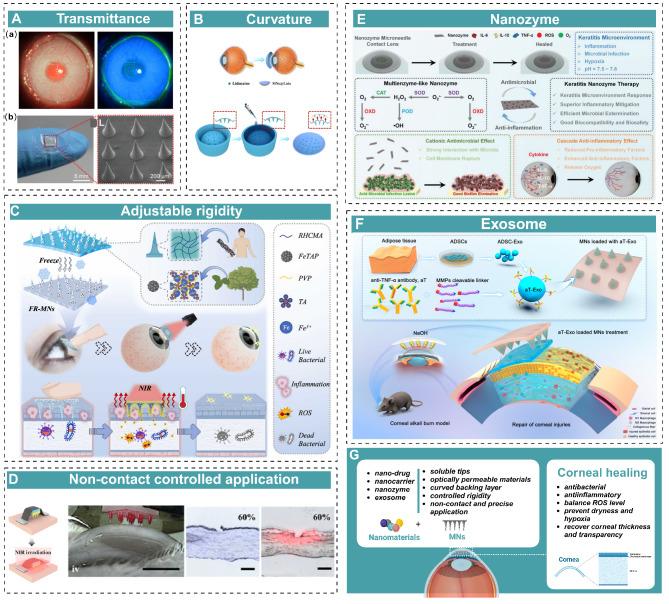
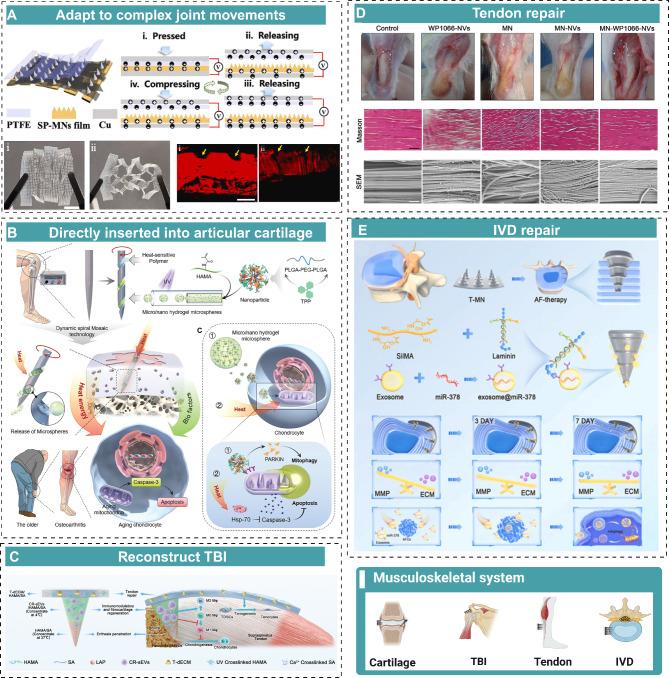
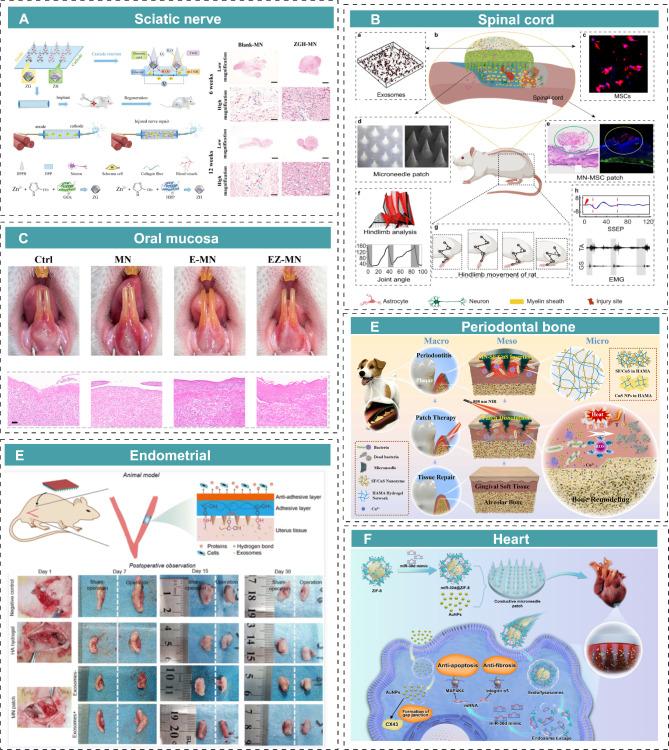
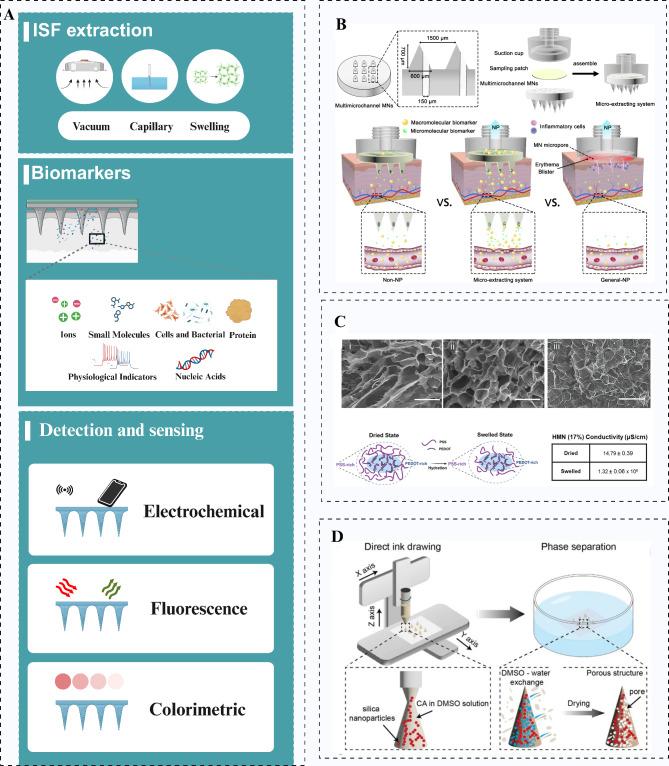
Microneedles (MNs) have been extensively used as transdermal therapeutics delivery devices since 1998 due to their capacity to penetrate physiological barriers with minimal invasiveness. Recent advances demonstrate the potential of MNs in improving diverse tissue regeneration when integrated with nanometer-sized therapeutics or sensors. This synergistic strategy can enhance drug delivery efficiency and therapeutic outcomes, and enable precise and personalized therapies through real-time monitoring of the repair process. In this review, we discuss how optimized MNs (through adjustments in geometry, material properties, and modular structure), when combined with dimension- and composition-specific nanomaterials, enhance tissue regeneration efficiency. Moreover, integrating stimuli-responsive nanotherapeutics or nanosensors into MNs for spatiotemporal-controlled and targeted drug release, physiotherapy effects, and intelligent monitoring is systematically outlined. Furthermore, we summarize therapeutic applications of nanotherapeutics-MN platforms in various soft and hard tissues, including skin, hair follicles (HF), cornea, joint, tendons, sciatic nerves, spinal cord, periodontium, oral mucosa, myocardium, endometrium, bone and intervertebral discs (IVD). Notably, recent attempts using nanosensor-MN platforms as smart wearable devices for monitoring damaged tissues via interstitial fluid (ISF) extraction and biomarker sensing are analyzed. This review potentially provides tissue regeneration practitioners/researchers with a cross-disciplinary perspective and inspiration.
自1998年以来,微针(MNs)因其能够以最小的侵入性穿透生理屏障而被广泛用作经皮治疗给药装置。最近的进展表明,当与纳米级治疗剂或传感器集成时,微针在促进多种组织再生方面具有潜力。这种协同策略可以提高药物递送效率和治疗效果,并通过对修复过程的实时监测实现精确和个性化治疗。在这篇综述中,我们讨论了优化的微针(通过调整几何形状、材料特性和模块化结构)与特定尺寸和组成的纳米材料结合时,如何提高组织再生效率。此外,还系统地概述了将刺激响应性纳米治疗剂或纳米传感器集成到微针中以实现时空控制和靶向药物释放、物理治疗效果以及智能监测。此外,我们总结了纳米治疗剂-微针平台在各种软组织和硬组织中的治疗应用,包括皮肤、毛囊(HF)、角膜、关节、肌腱、坐骨神经、脊髓、牙周组织、口腔黏膜、心肌、子宫内膜、骨骼和椎间盘(IVD)。值得注意的是,分析了最近使用纳米传感器-微针平台作为智能可穿戴设备,通过间质液(ISF)提取和生物标志物传感来监测受损组织的尝试。这篇综述可能为组织再生从业者/研究人员提供跨学科的视角和灵感。
 Zotero 插件