Cucu Corina Ioana, Giurcăneanu Călin, Poenaru Elena, Popa Liliana Gabriela, Popa Mircea Ioan, Chifiriuc Mariana Carmen, Lazăr Veronica, Holban Alina Maria, Gheorghe-Barbu Irina, Muntean Andrei-Alexandru, Caracoti Costin Ștefan, Mihai Mara Mădălina
Department of Oncologic Dermatology, "Elias" Emergency University Hospital, "Carol Davila" University of Medicine and Pharmacy, 020021 Bucharest, Romania.
Department of Medical Informatics and Biostatistics, "Carol Davila" University of Medicine and Pharmacy, 020021 Bucharest, Romania.
Int J Mol Sci. 2025 Apr 9;26(8):3502. doi: 10.3390/ijms26083502.
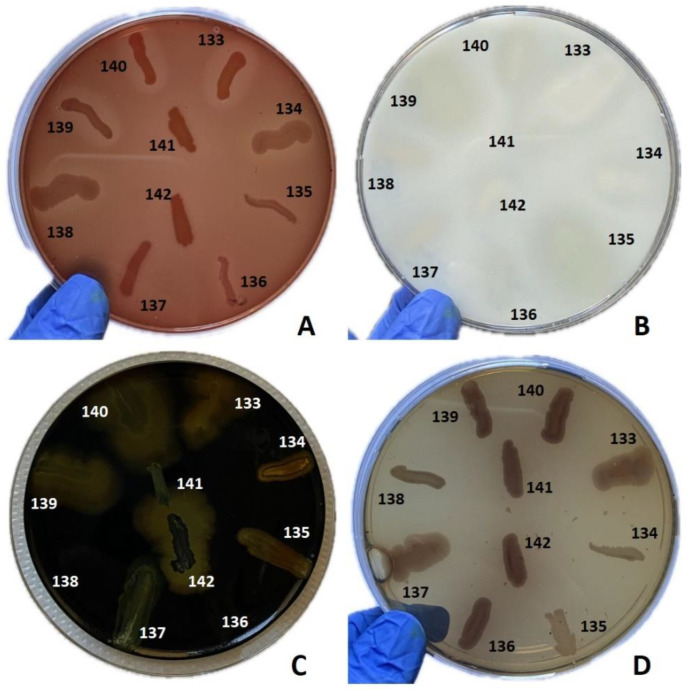
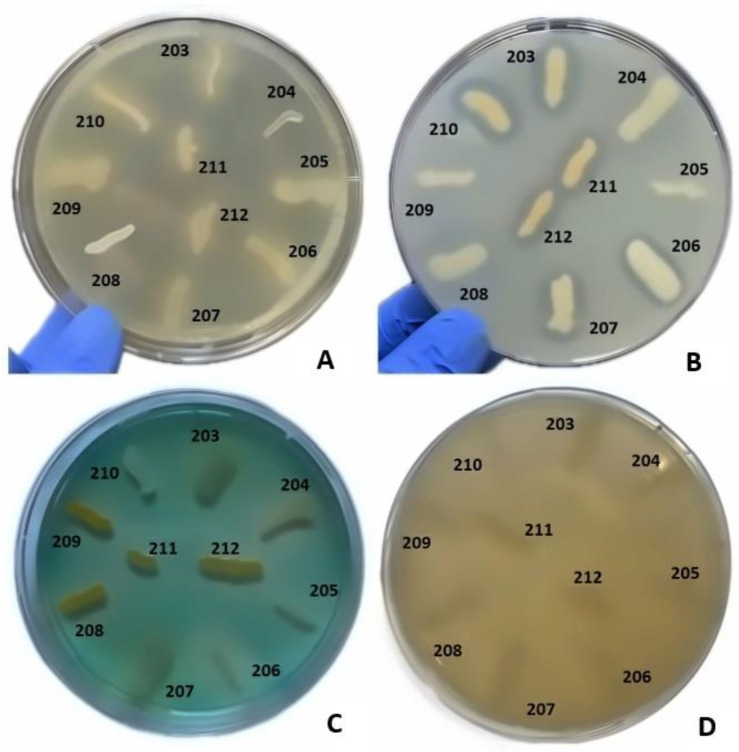
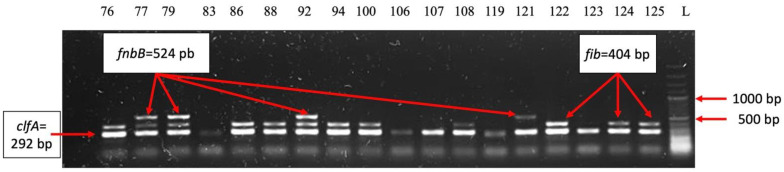
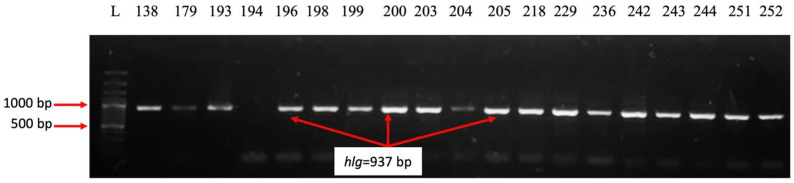
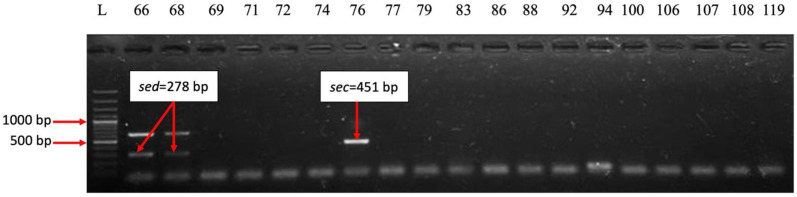
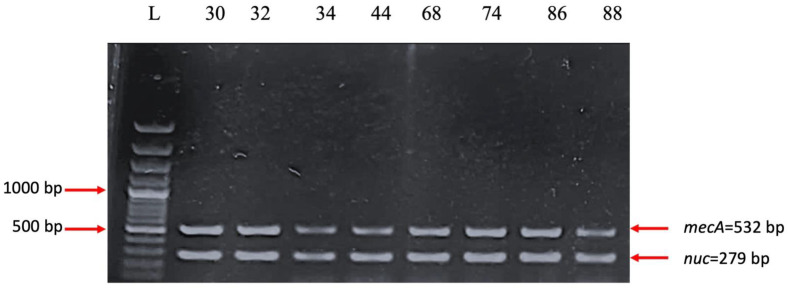
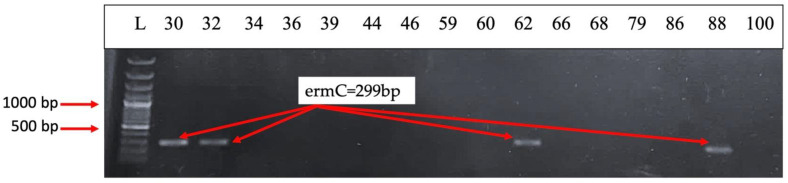
Hidradenitis suppurativa (HS) is a chronic inflammatory skin condition, primarily affecting young individuals, with a significant impact on their quality of life due to recurrent, painful nodules, abscesses, and oozing sinus tracts, primarily affecting intertriginous areas. The pathogenesis of HS is multifactorial, involving a complex interplay between genetic predisposition, immune dysregulation, microbial, and environmental factors. While it is known that cutaneous and gut microbiome contribute to innate immune dysregulation in HS, their precise involvement in disease pathogenesis remains unclear. Despite several studies investigating the microbiome of HS lesions, either by culture-dependent or independent methods, there is no data available on the interplay between bacterial virulence profiles, clinical manifestations, and the host immune response. This study aimed to explore the phenotypic and genotypic resistance and virulence profiles of microorganisms isolated from HS lesions (including the expression of soluble virulence factors and the ability to develop biofilms), with a special focus on (), one of the most frequent infectious agents of HS. A total of 92 bacterial strains, belonging to 20 different bacterial species, were isolated from the HS lesions of 23 patients. The strains of , , and expressed the highest levels of soluble virulence factors, such as hemolysins, lecithinase, and lipase, which are involved in bacterial persistence, local invasivity, and tissue damage. Moreover, a significant variation among bacterial species was noted regarding the capacity to develop biofilms, with a potential impact on disease chronicization, bacterial tolerance to antibiotics, and immune defense mechanisms. The genetic characterization of methicillin-resistant staphylococci revealed the presence of adhesins, hemolysin and enterotoxin genes as well as methicillin and macrolides resistance genes. Our findings highlight the critical role of virulence determinants, including bacterial biofilms, in HS pathogenesis, emphasizing the need for targeted therapeutic strategies to disrupt biofilms and mitigate infection severity.
化脓性汗腺炎(HS)是一种慢性炎症性皮肤病,主要影响年轻人,由于反复出现疼痛性结节、脓肿和渗出性窦道,主要累及皮肤褶皱部位,对患者的生活质量有重大影响。HS的发病机制是多因素的,涉及遗传易感性、免疫失调、微生物和环境因素之间的复杂相互作用。虽然已知皮肤和肠道微生物群在HS中导致先天性免疫失调,但其在疾病发病机制中的具体作用仍不清楚。尽管有几项研究通过依赖培养或不依赖培养的方法调查了HS病变的微生物群,但关于细菌毒力谱、临床表现和宿主免疫反应之间的相互作用尚无可用数据。本研究旨在探讨从HS病变中分离出的微生物的表型和基因型抗性及毒力谱(包括可溶性毒力因子的表达和形成生物膜的能力),特别关注HS最常见的感染病原体之一()。从23例患者的HS病变中总共分离出92株细菌菌株,属于20种不同的细菌物种。()、()和()菌株表达的可溶性毒力因子水平最高,如溶血素、卵磷脂酶和脂肪酶,这些因子参与细菌的持续存在、局部侵袭和组织损伤。此外,在形成生物膜的能力方面,不同细菌物种之间存在显著差异,这可能对疾病的慢性化、细菌对抗生素的耐受性和免疫防御机制产生影响。耐甲氧西林葡萄球菌的基因特征显示存在黏附素、溶血素和肠毒素基因以及甲氧西林和大环内酯类抗性基因。我们的研究结果强调了毒力决定因素,包括细菌生物膜,在HS发病机制中的关键作用,强调需要有针对性的治疗策略来破坏生物膜并减轻感染严重程度。