Zhang Tao, Meng Zongwu, Yu Haoyu, Ding Ping, Kai Tianhan
Xiangya School of Public Health, Central South University, Changsha, Hunan, 410013, China.
Hunan Provincial Key Laboratory of Clinical Epidemiology, Central South University, Changsha, Hunan, 410078, China.
Adv Sci (Weinh). 2025 Jun;12(23):e2500696. doi: 10.1002/advs.202500696. Epub 2025 May 8.
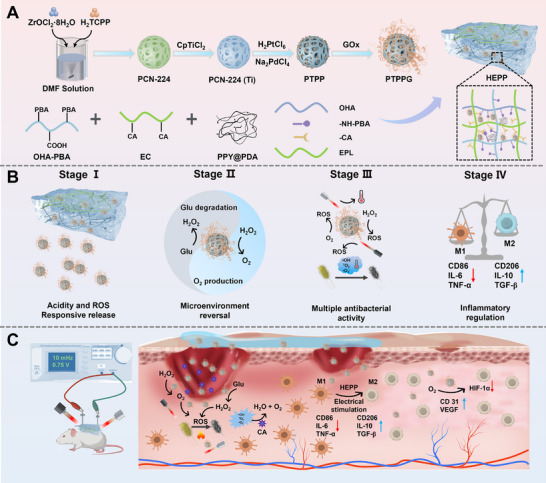
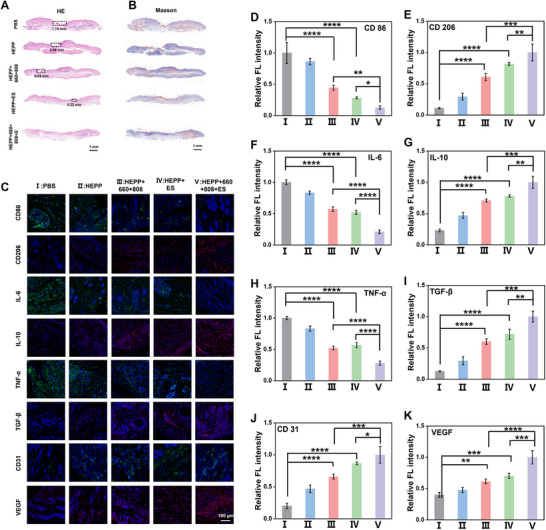
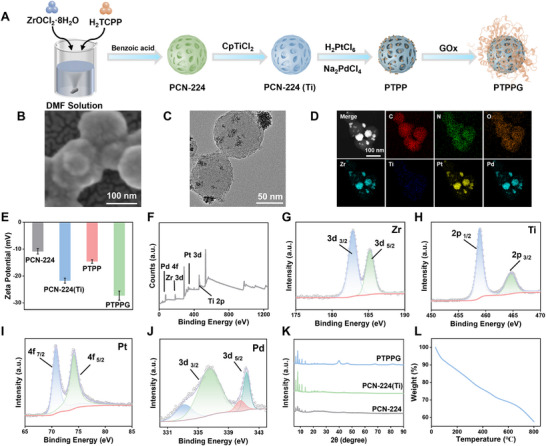
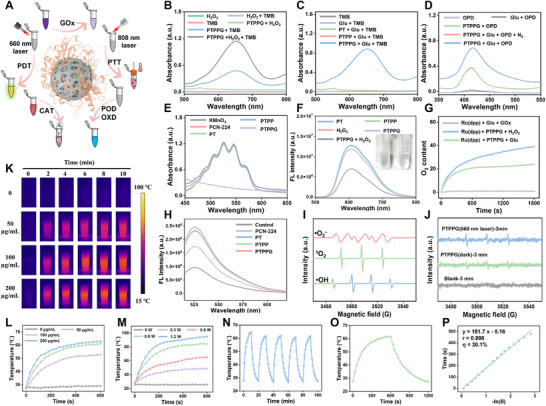
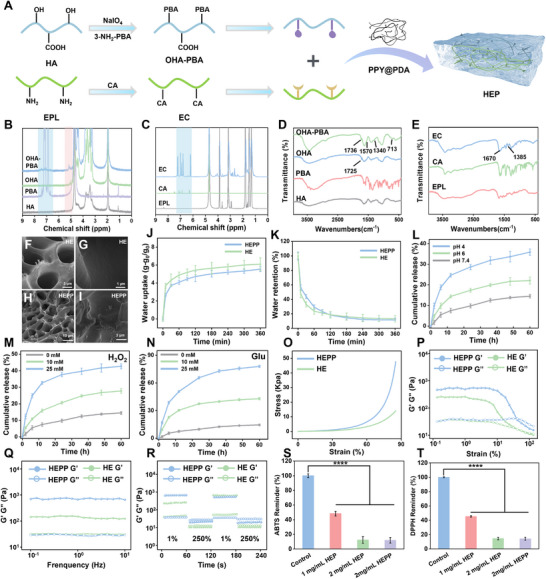
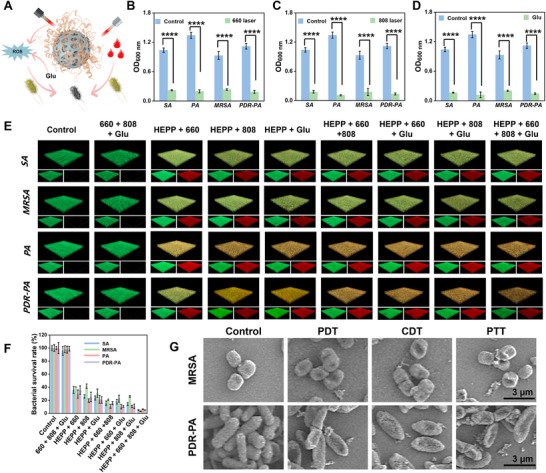
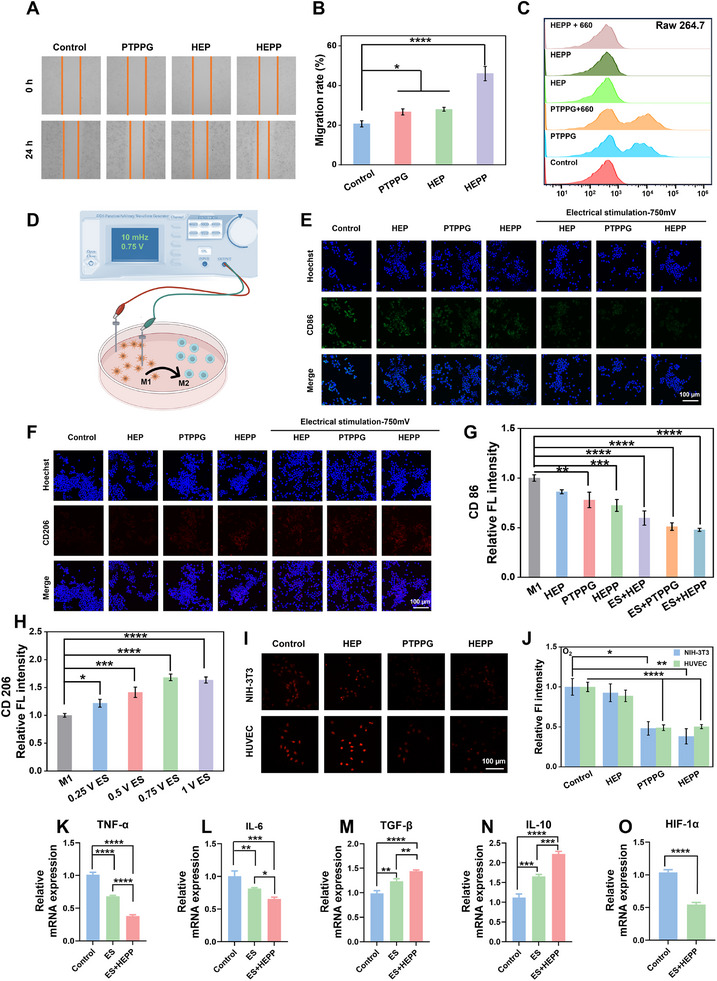
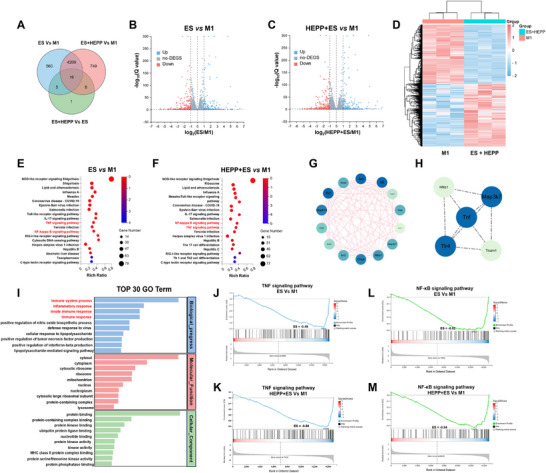
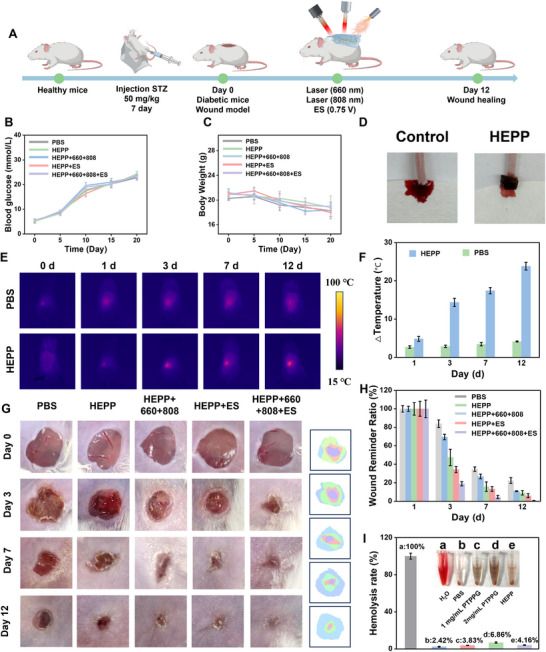
Diabetic wounds experience a hyperglycemic, hypoxic environment, combined with ongoing oxidative stress and inflammatory imbalances, significantly disrupts normal healing process. Advanced hydrogels have been considered one of the most exciting medical biomaterials for the potential in wounds healing. Herein, a novel conductive hydrogel (HEPP), designed to release nanozyme (PTPPG) in response to its microenvironment, was created to facilitate glucose (Glu) catabolism. Furthermore, the HEPP integrates photodynamic therapy (PDT), photothermal therapy (PTT), and self-cascading reactive oxygen species (ROS) to prevent bacterial infections while ensuring a continuous supply of oxygen (O) to the wound. The HEPP not only adeptly controls high ROS levels, but also enhances the regulation of inflammation in the wound area via electrical stimulation (ES), thereby promoting healing that is supported by the immune response. Studies conducted in vitro, along with transcriptomic analyses, indicate that ES primarily mitigates inflammation by regulating Interleukin-6 (IL-6) and tumor necrosis factor-α (TNF-α). The effects of HEPP combined with ES are primarily connected to their impact on TNF signaling pathways. By reducing the formation of ROS and employing ES to effectively lessen inflammation, this approach offers an innovative method to manage complicated diabetic wounds, ulcers, and a range of inflammatory conditions linked to infections.
糖尿病伤口处于高血糖、低氧环境,再加上持续的氧化应激和炎症失衡,会严重破坏正常的愈合过程。先进的水凝胶因其在伤口愈合方面的潜力,被认为是最令人兴奋的医用生物材料之一。在此,我们制备了一种新型导电水凝胶(HEPP),它能根据微环境释放纳米酶(PTPPG),以促进葡萄糖(Glu)分解代谢。此外,HEPP整合了光动力疗法(PDT)、光热疗法(PTT)和自级联活性氧(ROS),以预防细菌感染,同时确保向伤口持续供应氧气(O)。HEPP不仅能巧妙地控制高ROS水平,还能通过电刺激(ES)增强对伤口区域炎症的调节,从而促进由免疫反应支持的愈合。体外研究以及转录组分析表明,ES主要通过调节白细胞介素-6(IL-6)和肿瘤坏死因子-α(TNF-α)来减轻炎症。HEPP与ES联合使用的效果主要与其对TNF信号通路的影响有关。通过减少ROS的形成并利用ES有效减轻炎症,这种方法为处理复杂的糖尿病伤口、溃疡以及一系列与感染相关的炎症性疾病提供了一种创新方法。