Ferrufino Jaqueline, Taylor Symone A, Campos Karla, Sprung Keri, Segar Matthew W, Coulter Stephanie A
Center for Women's Heart & Vascular Health, The Texas Heart Institute, Houston, Texas.
Department of Cardiology, The Texas Heart Institute, Houston, Texas.
Tex Heart Inst J. 2025 May 9;52(1):e248447. doi: 10.14503/THIJ-24-8447. eCollection 2025 Jan-Jun.
Although Houston, Texas, is a diverse city with opportunities for economic prosperity, many Houston residents have low socioeconomic status and poor access to health care. Cardiovascular disease rates in Houston differ by ethnicity. It is therefore crucial to understand how the risk of cardiovascular disease differs among diverse ethnic and sexual minority populations.
This study assessed the recruitment methods and demographic composition of the Houston HeartReach Registry, a database repository of cardiovascular disease trends and risk factors in Houston's population. The self-reported demographics of the participants recruited to date were analyzed with descriptive statistics. The primary end point of this interim study was the number of women recruited from each location by year, ethnicity, socioeconomic status, health care status, and sexual orientation. The number of women of each ethnicity recruited from each location was also examined.
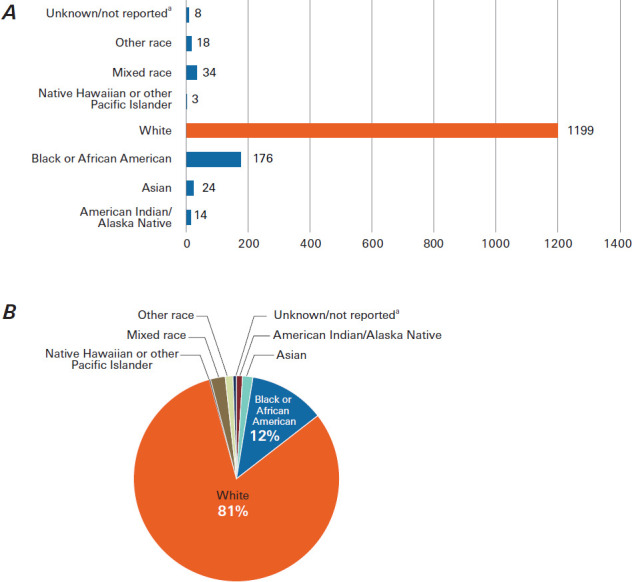
Currently, 1,476 women are enrolled in the registry, including 996 (67.48%) Hispanic women, 233 (15.79%) non-Hispanic White women, 190 (12.87%) Black women, 24 (1.63%) Asian women, and 29 (1.97%) women from other races and ethnicities. Of these 1,476 women, 352 (23.85%) had an annual income of $10,000 to $24,000, 375 (25.41%) had private health insurance, and 342 (23.17%) were heterosexual. Most women enrolled in the registry (1,082 [73.31%]), including most of the Hispanic participants, were recruited at BakerRipley events.
To date, 1,476 of a planned 5,000 participants have been enrolled in the Houston HeartReach Registry. At present, Hispanic women make up the majority of participants, indicating an underrepresentation of other ethnic demographics. The enrollment of individuals from sexual minority groups, from varied socioeconomic backgrounds, and with diverse health care statuses aligns proportionally with the total count of recruited women to date. The application of deliberate, culturally nuanced, and demographic-specific recruitment strategies should facilitate the inclusion of desired participants in a comprehensive manner.
尽管得克萨斯州休斯敦是一个多元化的城市,拥有经济繁荣的机会,但许多休斯敦居民社会经济地位较低,获得医疗保健的机会有限。休斯敦的心血管疾病发病率因种族而异。因此,了解不同种族和性少数群体中心血管疾病风险的差异至关重要。
本研究评估了休斯敦心脏健康登记处的招募方法和人口构成,该登记处是休斯敦人群心血管疾病趋势和风险因素的数据库。对迄今招募的参与者的自我报告人口统计学数据进行描述性统计分析。这项中期研究的主要终点是按年份、种族、社会经济地位、医疗保健状况和性取向从每个地点招募的女性人数。还检查了从每个地点招募的每个种族的女性人数。
目前,登记处有1476名女性,其中包括996名(67.48%)西班牙裔女性、233名(15.79%)非西班牙裔白人女性、190名(12.87%)黑人女性、24名(1.63%)亚洲女性以及29名(1.97%)其他种族和族裔的女性。在这1476名女性中,352名(23.85%)年收入为10,000美元至24,000美元,375名(25.41%)拥有私人医疗保险,342名(23.17%)为异性恋。登记处登记的大多数女性(1082名[73.31%])包括大多数西班牙裔参与者,是在贝克瑞普利活动中招募的。
迄今为止,计划招募的5000名参与者中有1476名已登记加入休斯敦心脏健康登记处。目前,西班牙裔女性占参与者的大多数,这表明其他种族人口的代表性不足。来自性少数群体、社会经济背景各异以及医疗保健状况不同的个体的登记人数与迄今招募的女性总数成比例。应用深思熟虑、具有文化细微差别和针对特定人口统计学的招募策略应有助于全面纳入所需的参与者。