Li Bing, Xiao Ming, Zeng Rong, Zhang Le
College of Computer Science, Sichuan University, Chengdu, 610065, China.
CAS Key Laboratory of Systems Biology, Shanghai Institute of Biochemistry and Cell Biology, Center for Excellence in Molecular Cell Science, Chinese Academy of Sciences, Shanghai, 200031, China.
BMC Med Inform Decis Mak. 2025 May 15;25(Suppl 2):188. doi: 10.1186/s12911-025-03012-9.
Colorectal cancer is the fourth most deadly cancer, with a high mortality rate and a high probability of recurrence and metastasis. Since continuous examinations and disease monitoring for patients after surgery are currently difficult to perform, it is necessary for us to develop a predictive model for colorectal cancer metastasis and recurrence to improve the survival rate of patients.
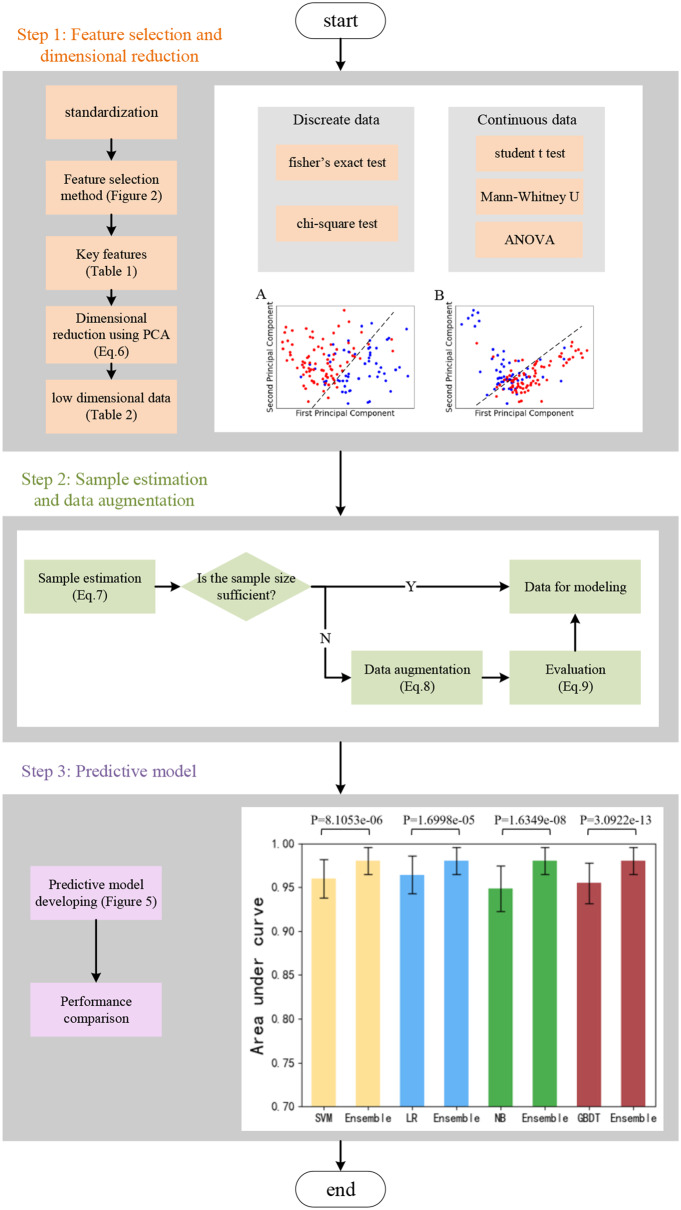
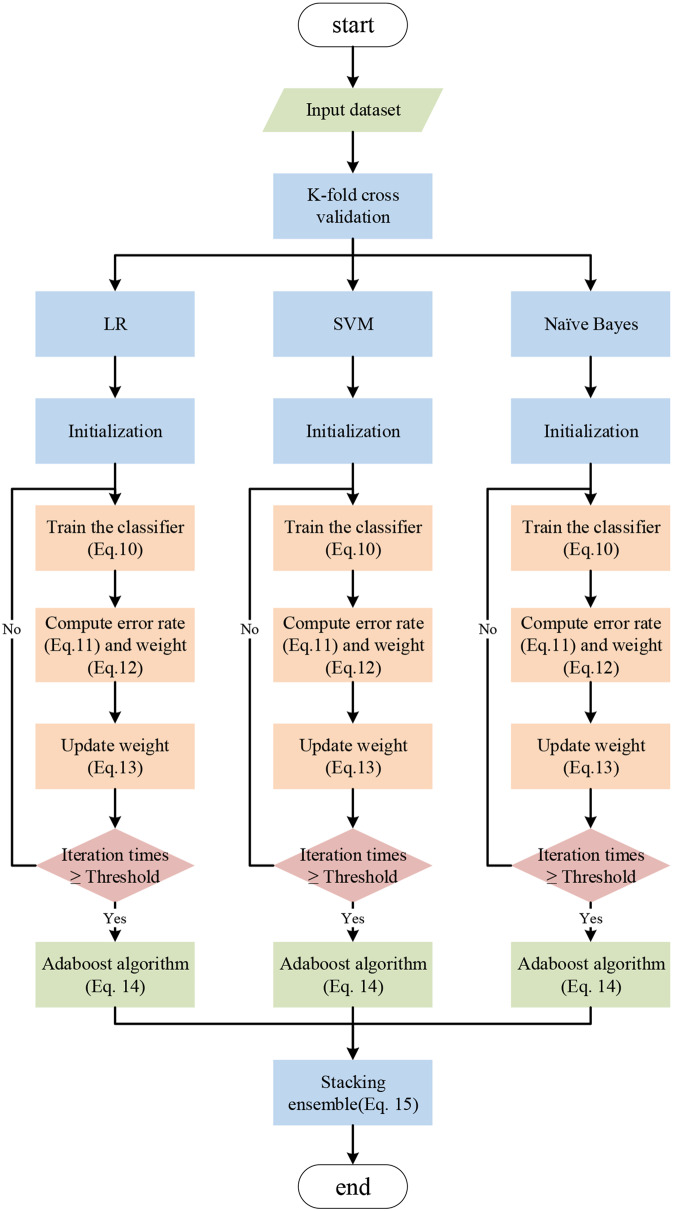
Previous studies mostly used only clinical or radiological data, which are not sufficient to explain the in-depth mechanism of colorectal cancer recurrence and metastasis. Therefore, this study proposes such a multiomics data-based predictive model for the recurrence and metastasis of colorectal cancer. LR, SVM, Naïve-bayes and ensemble learning models are used to build this predictive model.
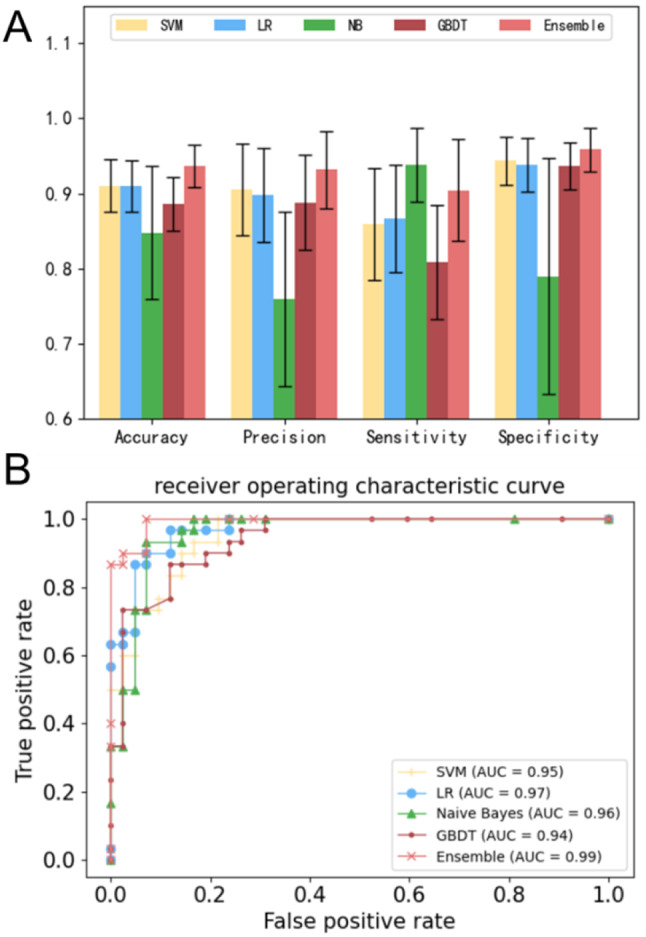
The experimental results indicate that our proposed multiomics data-based ensemble learning model effectively predicts the recurrence and metastasis of colorectal cancer.
结直肠癌是第四大致命癌症,死亡率高,复发和转移概率大。由于目前难以对术后患者进行持续检查和疾病监测,因此我们有必要开发一种结直肠癌转移和复发的预测模型,以提高患者的生存率。
以往的研究大多仅使用临床或放射学数据,这些数据不足以解释结直肠癌复发和转移的深入机制。因此,本研究提出了这样一种基于多组学数据的结直肠癌复发和转移预测模型。使用逻辑回归(LR)、支持向量机(SVM)、朴素贝叶斯和集成学习模型来构建此预测模型。
实验结果表明,我们提出的基于多组学数据的集成学习模型能够有效预测结直肠癌的复发和转移。