Tanure Yuri Castelo Branco, Mafra Ana Clara Morais, Guimarães Bruna Luiza Motta, Magalhães Rafael Coelho, Fagundez Catherine, Nascimento Israel Júnior Borges do, Brito Julio Cesar Moreira
Fundação Ezequiel Dias (FUNED), Belo Horizonte, MG, Brazil.
Universidade Federal de Minas Gerais (UFMG), Belo Horizonte, MG, Brazil.
Brain Behav Immun Integr. 2025 Apr;10:100115. doi: 10.1016/j.bbii.2025.100115.
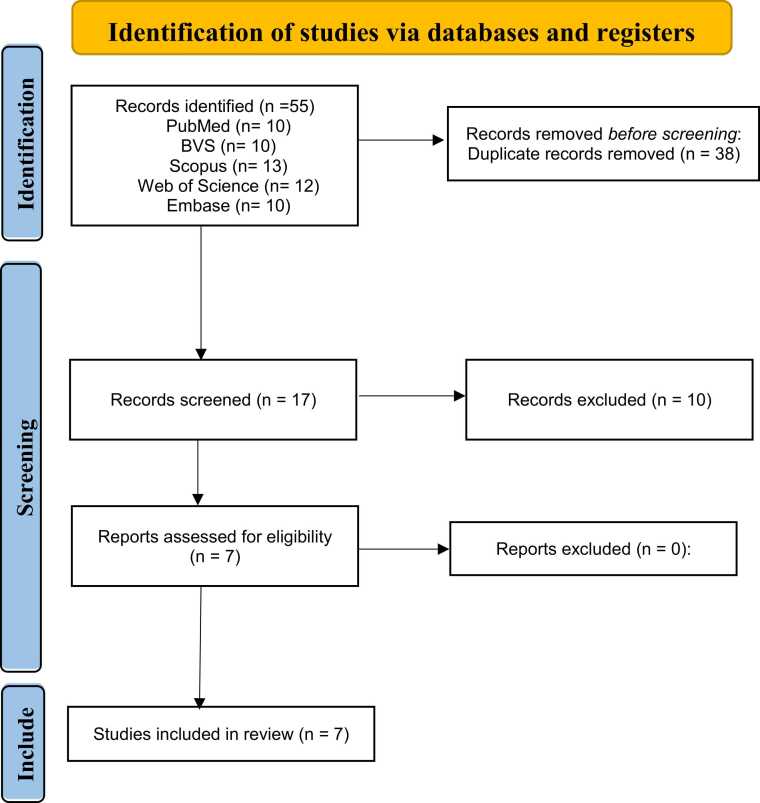
Alzheimer's disease, characterized by the progressive loss of cognitive functions of the brain, is still an incurable pathology. Current treatments primarily aim to alleviate symptoms, acting mainly on behavioral changes, having a modest impact in the disease course. Recently, potential role of probiotics in managing Alzheimer's has been explored. Kefir, a fermented food teeming with live microorganisms, is thought to influence the gut microbiota, potentially reducing inflammation and the accumulation of toxic proteins in the brain. Additionally, kefir contains bioactive compounds, such as B vitamins, choline, and folic acid, which are essential for neuronal health and cognitive function. Thus, kefir could emerge as a promising complementary treatment for Alzheimer's disease. This systematic review, conducted in January 2024, examined the effects of kefir in both in vivo animal models and human patients with neurodegenerative conditions. The review was based on studies retrieved from BVS, Embase, PubMed/MEDLINE, Scopus, and Web of Science databases. Seven studies were included, involving invertebrates, murine models, and human participants. In animal models, the primary outcomes were antioxidant effects, reduced beta-amyloid deposition, and attenuation of vascular damage and neurodegeneration. In human studies, kefir supplementation resulted in decreased levels of inflammatory cytokines, reactive oxygen species (ROS), and oxidative proteins, and was associated with improvements in memory. Given its potential benefits, kefir could serve as a valuable adjunct to conventional treatments for Alzheimer's disease, warranting further investigation in clinical settings.
阿尔茨海默病以大脑认知功能的逐渐丧失为特征,仍然是一种无法治愈的病症。目前的治疗主要旨在缓解症状,主要作用于行为变化,对疾病进程的影响不大。最近,人们探索了益生菌在管理阿尔茨海默病方面的潜在作用。开菲尔是一种富含活微生物的发酵食品,被认为会影响肠道微生物群,可能减少炎症和大脑中有毒蛋白质的积累。此外,开菲尔含有生物活性化合物,如B族维生素、胆碱和叶酸,这些对神经元健康和认知功能至关重要。因此,开菲尔可能成为阿尔茨海默病一种有前景的辅助治疗方法。这项于2024年1月进行的系统评价,研究了开菲尔在体内动物模型和患有神经退行性疾病的人类患者中的作用。该评价基于从BVS、Embase、PubMed/MEDLINE、Scopus和科学网数据库中检索到的研究。纳入了七项研究,涉及无脊椎动物、小鼠模型和人类参与者。在动物模型中,主要结果是抗氧化作用、减少β-淀粉样蛋白沉积以及减轻血管损伤和神经退行性变。在人体研究中,补充开菲尔导致炎症细胞因子、活性氧(ROS)和氧化蛋白水平降低,并与记忆力改善有关。鉴于其潜在益处,开菲尔可作为阿尔茨海默病传统治疗的有价值辅助手段,值得在临床环境中进一步研究。