Marquand Andre F, Bučková Barbora Rehák, Cattaranusi Giulia, Flaaten Camilla, Busch Cecilie, Lemvigh Cecilie K, Gupta Veenu, Fraza Charlotte, Westlye Lars T, Andreassen Ole A, Hlinka Jaroslav, Ebdrup Bjørn H, Shiers David, Ueland Torill, Dazzan Paola
Donders Institute for Brain, Cognition and Behaviour, Radboud University Medical Centre, Nijmegen 6525EN, The Netherlands.
Department of Psychological Medicine, Institute of Psychiatry, Psychology and Neuroscience, King's College London, London SE5 8AF, United Kingdom.
Schizophr Bull Open. 2025 Apr 9;6(1):sgaf007. doi: 10.1093/schizbullopen/sgaf007. eCollection 2025 Jan.
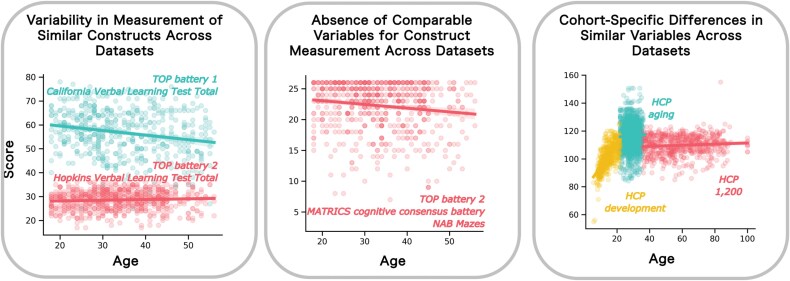
Cognitive impairments are a core feature of psychosis that are often evident before illness onset and have substantial impact on both clinical and real-world functional outcomes. Therefore, these are an excellent target for stratification and early detection in order to facilitate early intervention. While many studies have aimed to characterize the effects of cognition at the group level and others have aimed to detect individual differences by referencing subjects against existing norms, these studies have limited generalizability across clinical populations, demographic backgrounds, and instruments and do not fully account for the interindividual heterogeneity inherent in psychosis.
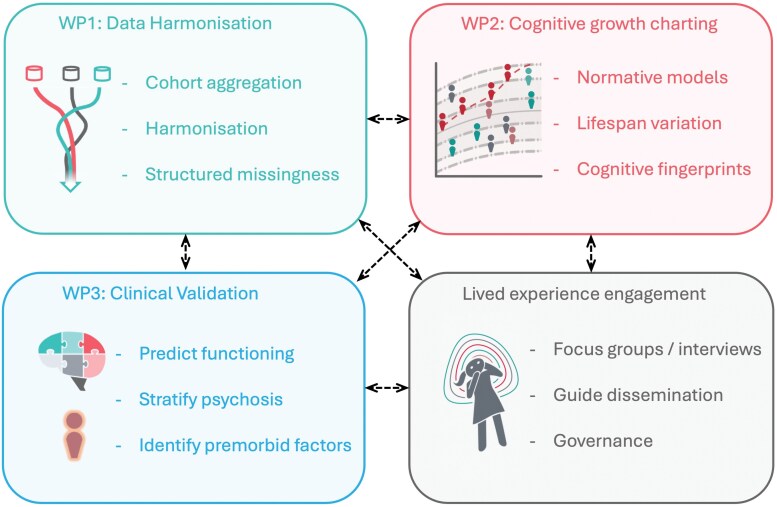
Here, we outline the rationale, design, and analysis plan for the PRECOGNITION project, which aims to address these challenges.
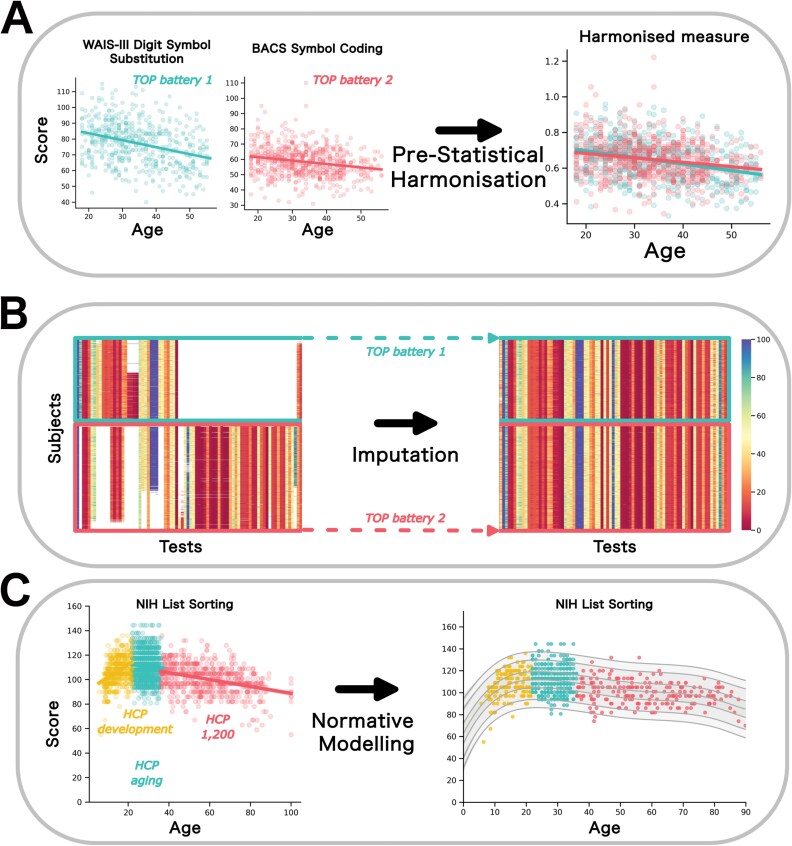
This project is a collaboration between partners in 5 European countries. The project will not generate any primary data, but by leveraging existing datasets and combining these with novel analytic methods, it will produce multiple contributions including: (i) translating normative modeling approaches pioneered in brain imaging to psychosis data, to yield "cognitive growth charts" for longitudinal tracking and individual prediction; (ii) developing machine learning models for harmonizing and stratifying cohorts on the basis of these models; and (iii) providing integrated next-generation norms, having broad sociodemographic coverage including different languages and distinct norms for individuals with psychosis and unaffected individuals.
This study will enable precision stratification of psychosis cohorts and furnish predictions for a broad range of functional outcome measures. It will be guided throughout by lived experience experts.
认知障碍是精神病的核心特征,常在发病前就很明显,对临床和现实世界的功能结局都有重大影响。因此,这些是分层和早期检测的理想目标,以便于早期干预。虽然许多研究旨在描述认知在群体水平上的影响,其他研究旨在通过将受试者与现有规范进行对照来检测个体差异,但这些研究在临床人群、人口背景和工具方面的可推广性有限,并且没有充分考虑精神病中固有的个体间异质性。
在此,我们概述了PRECOGNITION项目的基本原理、设计和分析计划,该项目旨在应对这些挑战。
该项目是5个欧洲国家的合作伙伴之间的合作。该项目不会产生任何原始数据,但通过利用现有数据集并将其与新颖的分析方法相结合,它将产生多项成果,包括:(i)将脑成像中首创的规范建模方法应用于精神病数据,以生成用于纵向跟踪和个体预测的“认知生长图表”;(ii)基于这些模型开发用于协调和分层队列的机器学习模型;(iii)提供具有广泛社会人口统计学覆盖范围的综合下一代规范,包括不同语言以及针对患有精神病的个体和未受影响个体的不同规范。
这项研究将实现精神病队列的精准分层,并为广泛的功能结局指标提供预测。整个研究过程将由有实际生活经验的专家指导。