Chang Yu-Hsiu, Wang Ying-Chuan, Liu Yun-Chen, Chiu Chun-Hsiang
Institute of Preventive Medicine, National Defense Medical Center, New Taipei City, Taiwan.
Department and Graduate Institute of Microbiology and Immunology, National Defense Medical Center, Taipei City, Taiwan.
Virulence. 2025 Dec;16(1):2508815. doi: 10.1080/21505594.2025.2508815. Epub 2025 May 26.
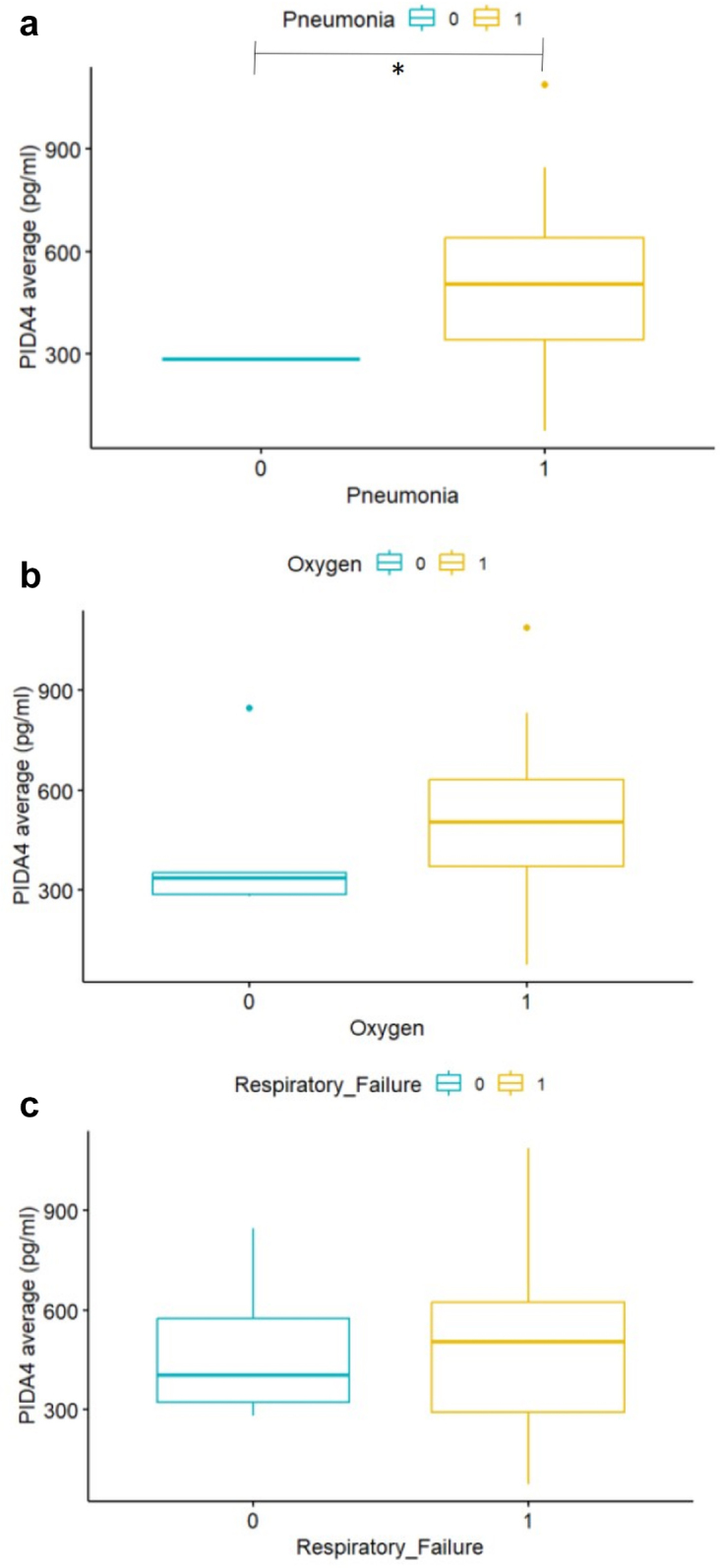
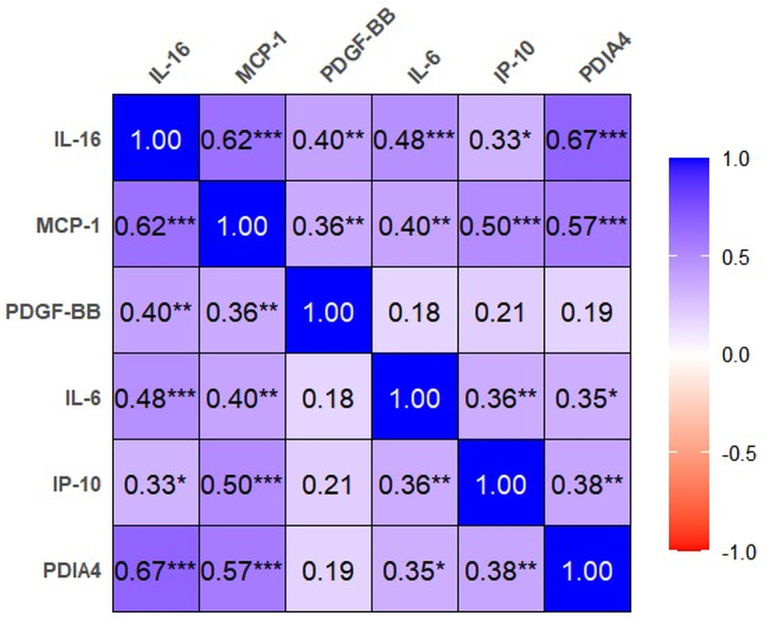
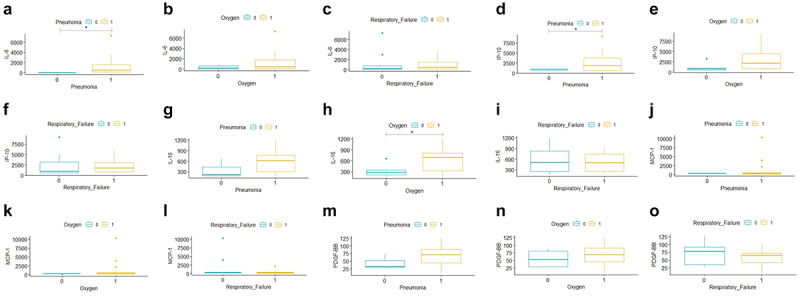
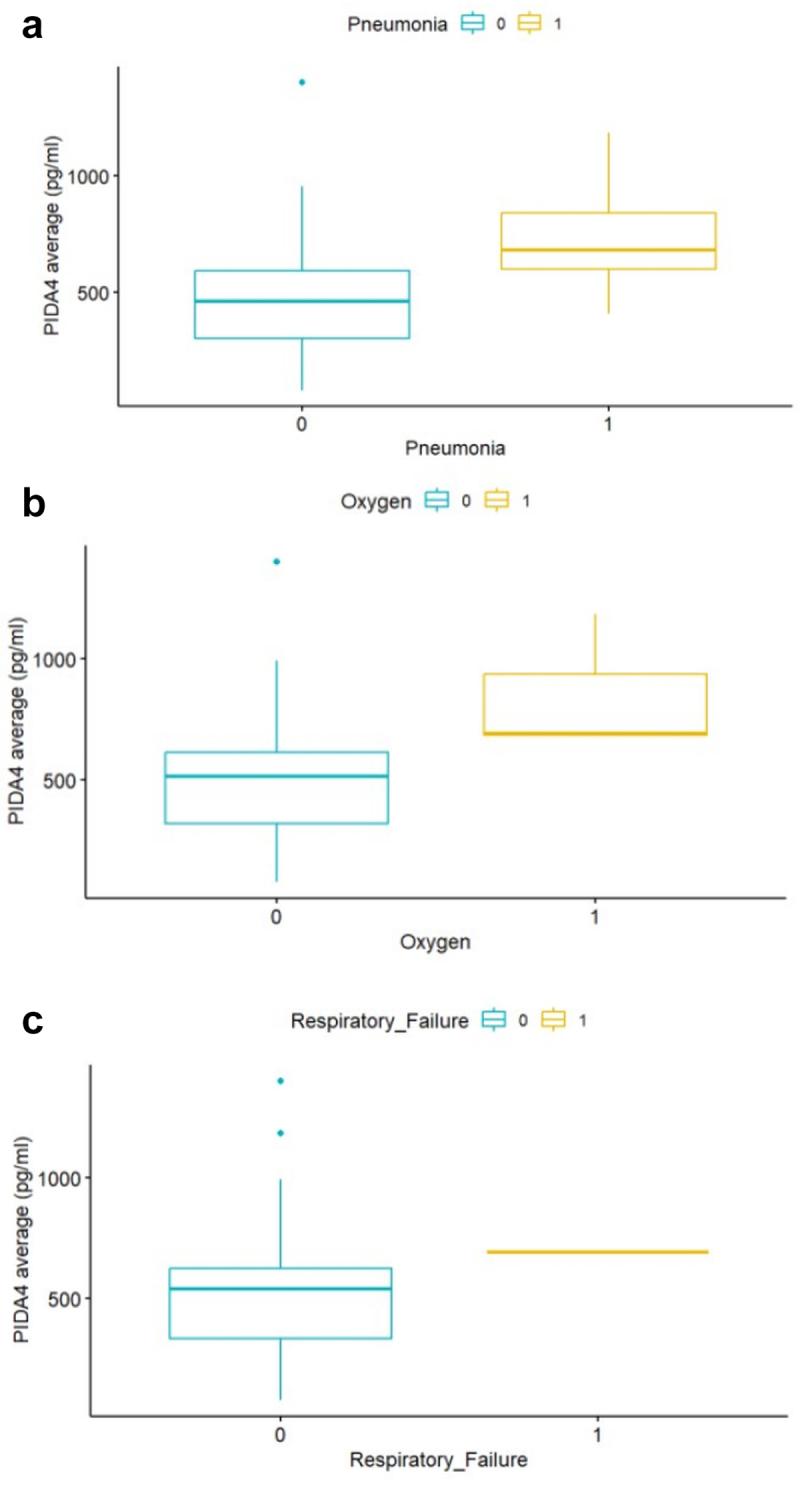
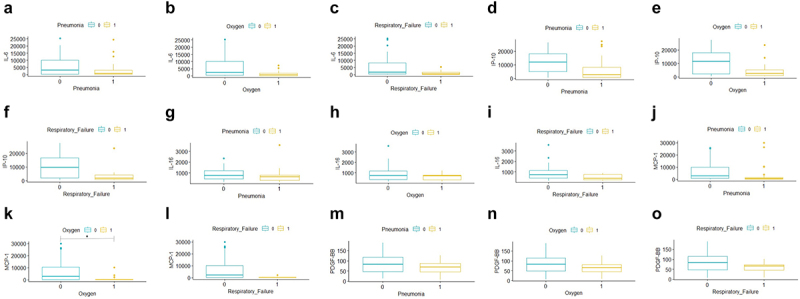
This study investigated the role of protein disulphide isomerase A4 (PDIA4) in the pathogenesis of coronavirus disease 2019 (COVID-19), focusing on its relationship with disease severity and potential as a biomarker. We analysed a cohort of adult COVID-19 patients with varying disease severity, grouped by vaccination status. Serum levels of PDIA4 and cytokines (interleukin [IL]-6, interferon gamma inducible protein-10 [IP-10], IL-16, monocyte chemoattractant protein-1 [MCP-1], and platelet-derived growth factor-BB [PDGF-BB]) were measured using enzyme-linked immunosorbent assay and compared among patients with different disease severities. Statistical analyses were performed to assess the correlation between PDIA4 levels, disease severity, and inflammatory markers. Unvaccinated COVID-19 patients with pneumonia had significantly higher PDIA4 levels than those without pneumonia (517.94 ± 264 vs. 284.86 ± 2.24; = 0.0022). Although unvaccinated patients requiring oxygen support exhibited higher PDIA4 levels than those not requiring oxygen (519.30 ± 269.67 vs. 420.89 ± 240.49; = 0.4825), the difference was not statistically significant. No significant difference was observed in the PDIA4 levels between unvaccinated patients with and without respiratory failure. Levels of PDIA4 were positively correlated with the levels of IL-16, MCP-1, IP-10, and IL-6 (correlation coefficients: 0.28-0.62), although this correlation was weaker or absent in vaccinated patients. Our findings suggest that PDIA4 is associated with COVID-19 severity and may serve as a potential biomarker of disease progression. Further studies are needed to elucidate the mechanisms by which PDIA4 influences the immune response and assess its potential for therapeutic exploration in COVID-19.
本研究调查了蛋白质二硫键异构酶A4(PDIA4)在2019冠状病毒病(COVID-19)发病机制中的作用,重点关注其与疾病严重程度的关系以及作为生物标志物的潜力。我们分析了一组不同疾病严重程度的成年COVID-19患者队列,按疫苗接种状况分组。使用酶联免疫吸附测定法测量血清中PDIA4和细胞因子(白细胞介素[IL]-6、干扰素γ诱导蛋白-10[IP-10]、IL-16、单核细胞趋化蛋白-1[MCP-1]和血小板衍生生长因子-BB[PDGF-BB])的水平,并在不同疾病严重程度的患者之间进行比较。进行统计分析以评估PDIA4水平、疾病严重程度和炎症标志物之间的相关性。未接种疫苗的COVID-19肺炎患者的PDIA4水平显著高于无肺炎患者(517.94±264 vs. 284.86±2.24;P = 0.0022)。尽管需要氧气支持的未接种疫苗患者的PDIA4水平高于不需要氧气的患者(519.30±269.67 vs. 420.89±240.49;P = 0.4825),但差异无统计学意义。未接种疫苗的有呼吸衰竭和无呼吸衰竭患者的PDIA4水平未观察到显著差异。PDIA4水平与IL-16、MCP-1、IP-10和IL-6水平呈正相关(相关系数:0.28 - 0.62),尽管在接种疫苗的患者中这种相关性较弱或不存在。我们的研究结果表明,PDIA4与COVID-19的严重程度相关,可能作为疾病进展的潜在生物标志物。需要进一步研究以阐明PDIA4影响免疫反应的机制,并评估其在COVID-19治疗探索中的潜力。