Hassan Ahmed Anwar, Ali Mohamed Eid M, Abdel-Latif Samir A, Hasani Ibrahim W, Fahim Yosri A
Egyptian Mineral Resources Authority (EMRA) and ISK Gold Lab, Cairo, Egypt.
Water Pollution Research Department, National Research Centre, Dokki, Cairo, 12622, Egypt.
Sci Rep. 2025 May 20;15(1):17527. doi: 10.1038/s41598-025-98478-y.
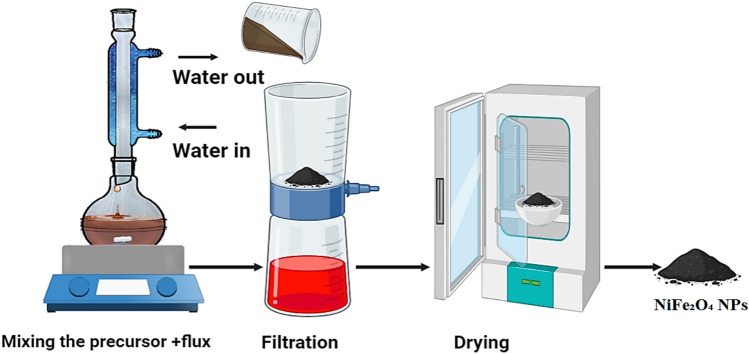
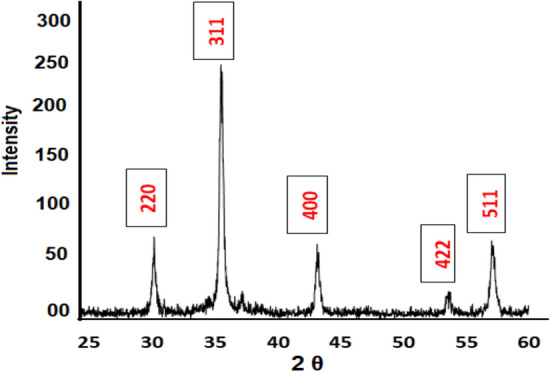
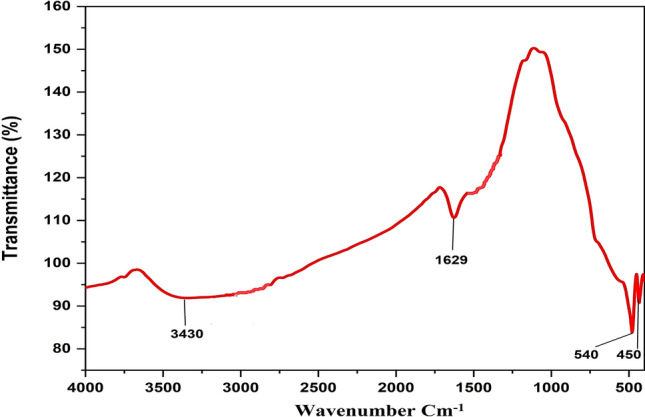
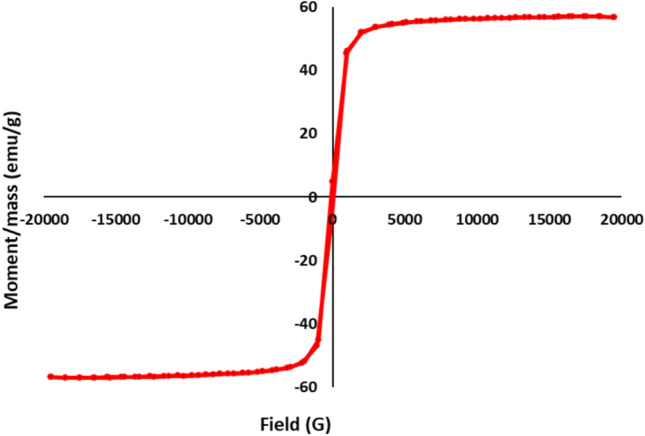
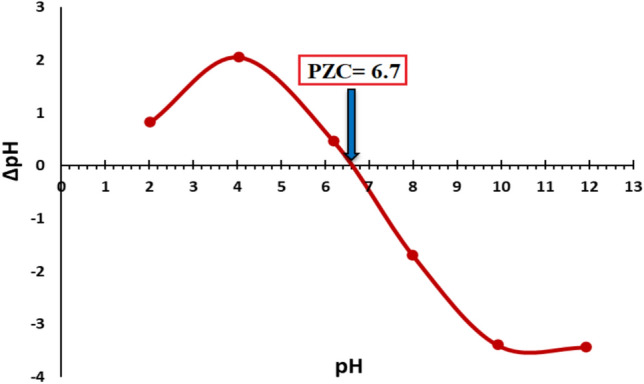
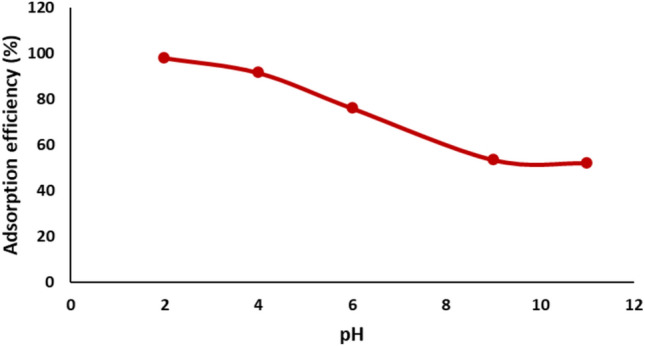
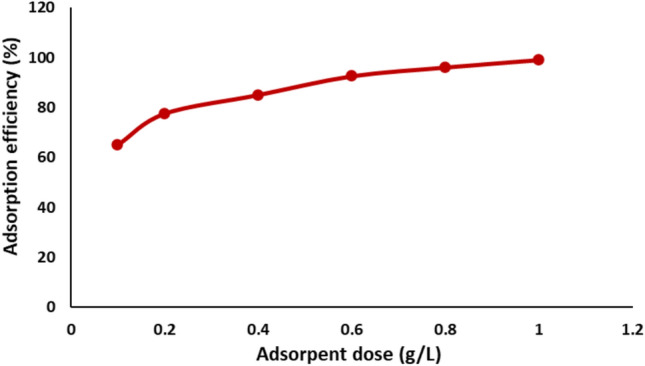
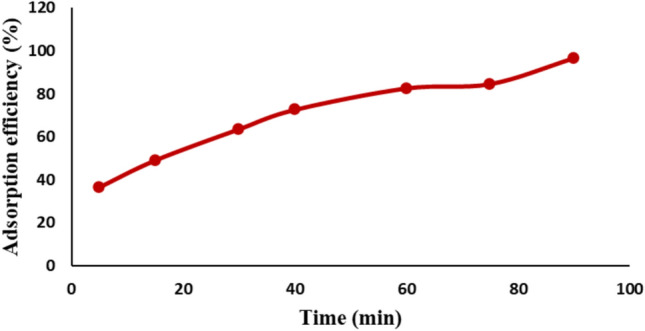
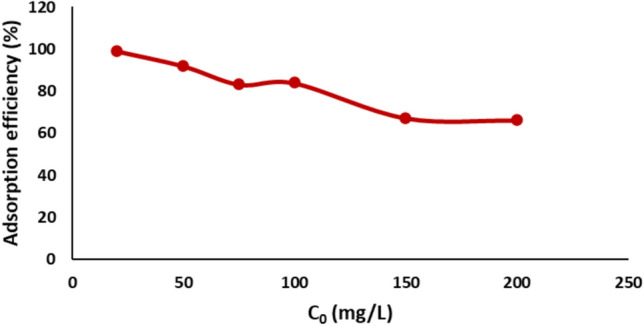
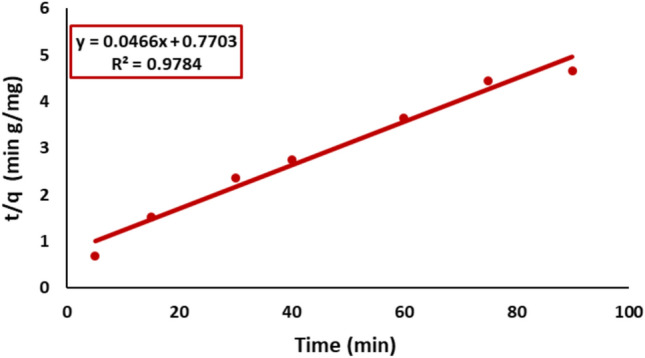
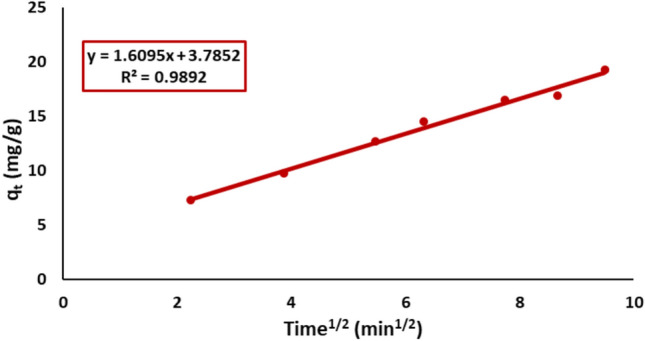
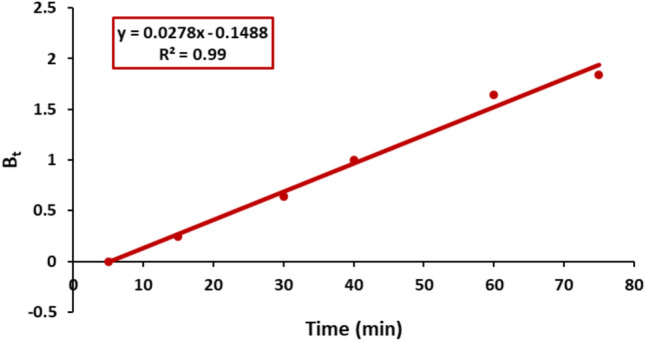
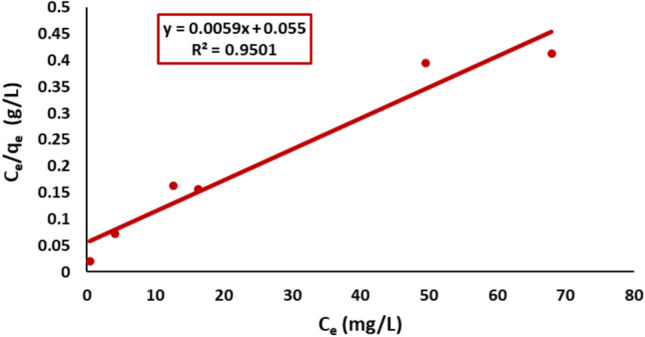
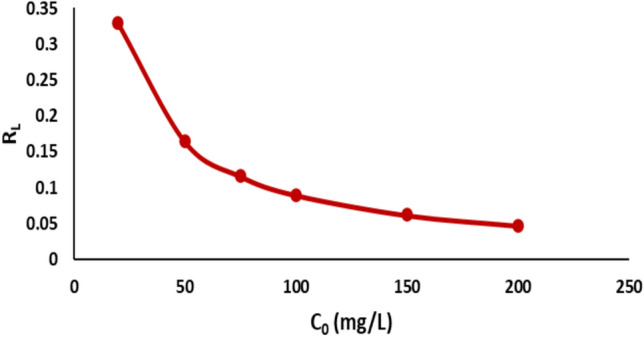
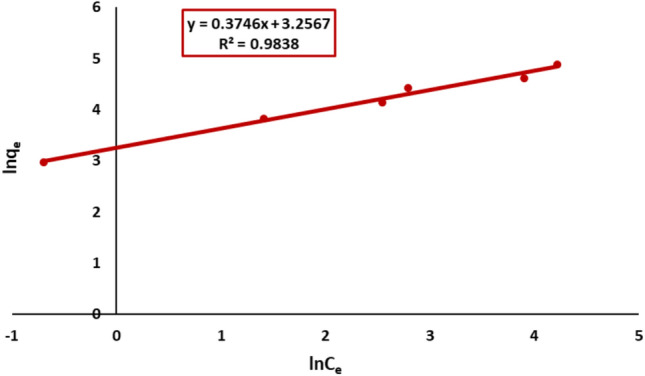
Rapid growth of the textile industry, along with the excessive use of water and dyes, has led to significant environmental concerns. This study introduces a straightforward, low-temperature aqueous reflux method for the fabrication of magnetic nickel ferrite (NiFeO) nanoparticles. The synthesized nanoparticles, characterized by X-ray diffraction (XRD), Fourier-transform infrared (FTIR) spectroscopy, scanning electron microscopy (SEM), and vibrating sample magnetometry (VSM), exhibited a cubic spinel structure, an average particle size of 23 ± 2.3 nm (range: 18-29.8 nm), and a magnetization of 56.96 ± 0.9 emu/g, enhancing their surface area and magnetic separability. These NiFeO nanoparticles achieved a 96.5 ± 0.4% removal efficiency of Remazol Red dye from aqueous solutions after 90 min, with an adsorption capacity (q) of 169.5 ± 0.8 mg/g, as tested across pH 2-12, contact times of 10-120 min, and initial dye concentrations of 20-200 mg/L. Optimal removal occurred at pH 2, with a dye concentration of 20 mg/L and a 1 g/L dose, yielding 99 ± 0.5% efficiency, while adsorption decreased at high pH due to surface charge effects (PZC = 6.7). The results indicated that dye adsorption increased with decreasing pH and higher nickel ferrite dosage. Kinetic studies over 10-120 min followed pseudo-first-order (R = 0.96), Boyd, and Weber-Morris models, while isotherms across 20-200 mg/L conformed to the Freundlich model (R = 0.98), reflecting multilayer adsorption. These properties high crystallinity, nanoscale size, and strong magnetic responsiveness enhance the material's surface area, adsorption capacity, and ease of separation, contributing to its efficiency as an adsorbent. Reusability tests confirmed the stability of the nanoparticles and their consistent performance across multiple cycles. These results establish NiFeO as an economical, magnetically separable, and ecologically sustainable adsorbent for wastewater treatment purposes.
纺织工业的快速发展,加上水和染料的过度使用,引发了重大的环境问题。本研究介绍了一种用于制备磁性镍铁氧体(NiFeO)纳米颗粒的简单低温水相回流法。通过X射线衍射(XRD)、傅里叶变换红外(FTIR)光谱、扫描电子显微镜(SEM)和振动样品磁强计(VSM)对合成的纳米颗粒进行表征,结果表明其具有立方尖晶石结构,平均粒径为23±2.3nm(范围:18 - 29.8nm),磁化强度为56.96±0.9emu/g,增加了其表面积和磁分离性。在pH值为2 - 12、接触时间为10 - 120分钟以及初始染料浓度为20 - 200mg/L的条件下进行测试,这些NiFeO纳米颗粒在90分钟后对Remazol Red染料的去除效率达到96.5±0.4%,吸附容量(q)为169.5±0.8mg/g。在pH值为2、染料浓度为20mg/L且剂量为1g/L时去除效果最佳,效率达到99±0.5%,而在高pH值下由于表面电荷效应(零电荷点PZC = 6.7)吸附量下降。结果表明,染料吸附量随pH值降低和镍铁氧体用量增加而增加。在10 - 120分钟内的动力学研究符合准一级动力学模型(R = 0.96)、Boyd模型和Weber - Morris模型,而在20 - 200mg/L范围内的等温线符合Freundlich模型(R = 0.98),反映了多层吸附。这些特性——高结晶度、纳米级尺寸和强磁响应性——提高了材料的表面积、吸附容量和分离的便利性,有助于其作为吸附剂的效率。可重复使用性测试证实了纳米颗粒的稳定性及其在多个循环中的一致性能。这些结果表明,NiFeO是一种经济、可磁分离且生态可持续的用于废水处理的吸附剂。