Pin Viso Natalia, Redondo Enzo, Redondo Leandro, Díaz Carrasco Juan, Farber Marisa, Fernández Miyakawa Mariano
Instituto Nacional de Tecnología Agropecuaria (INTA), Instituto de Microbiología y Zoología Agrícola (IMyZA), Laboratorio de Transformación de Residuos, Las Cabañas y Los Reseros s/n, 1686, Hurlingham, Buenos Aires, Argentina.
Instituto Nacional de Tecnología Agropecuaria (INTA), Instituto de Patobiología Veterinaria (IPVET), Las Cabañas y Los Reseros s/n, 1686, Hurlingham, Buenos Aires, Argentina.
Poult Sci. 2025 May 3;104(8):105260. doi: 10.1016/j.psj.2025.105260.
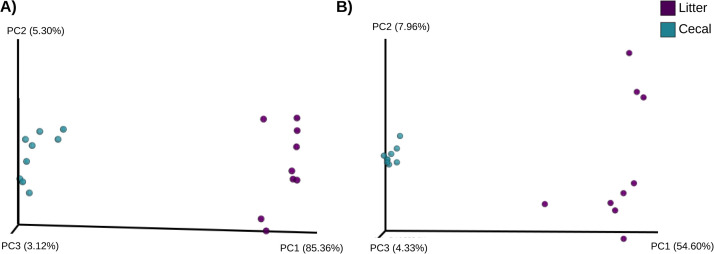
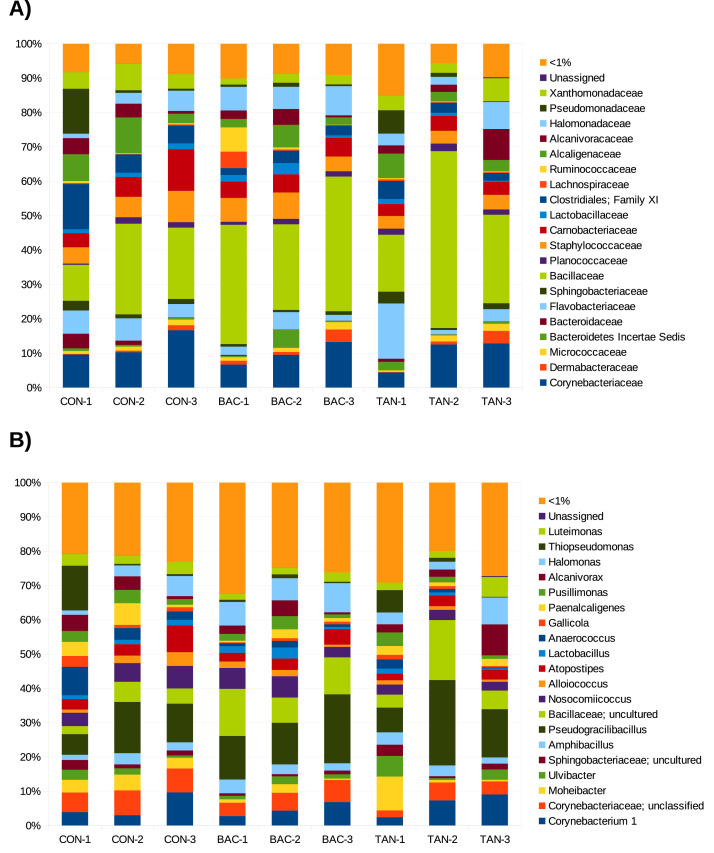
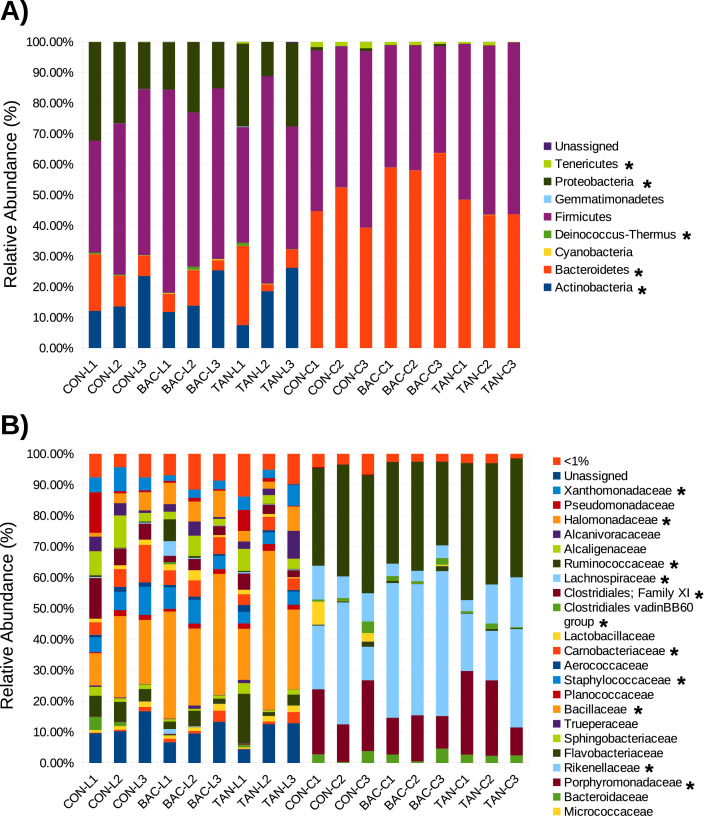
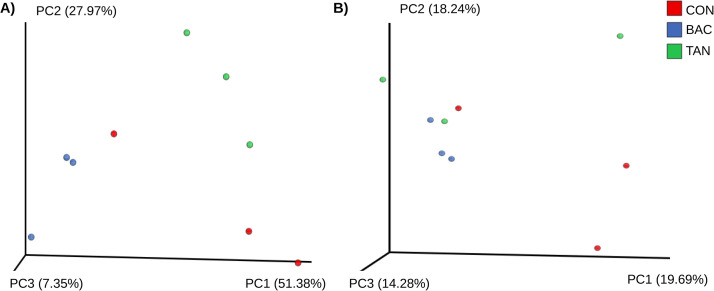
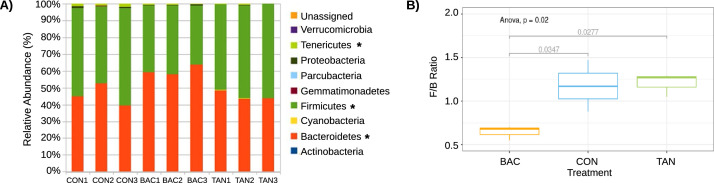
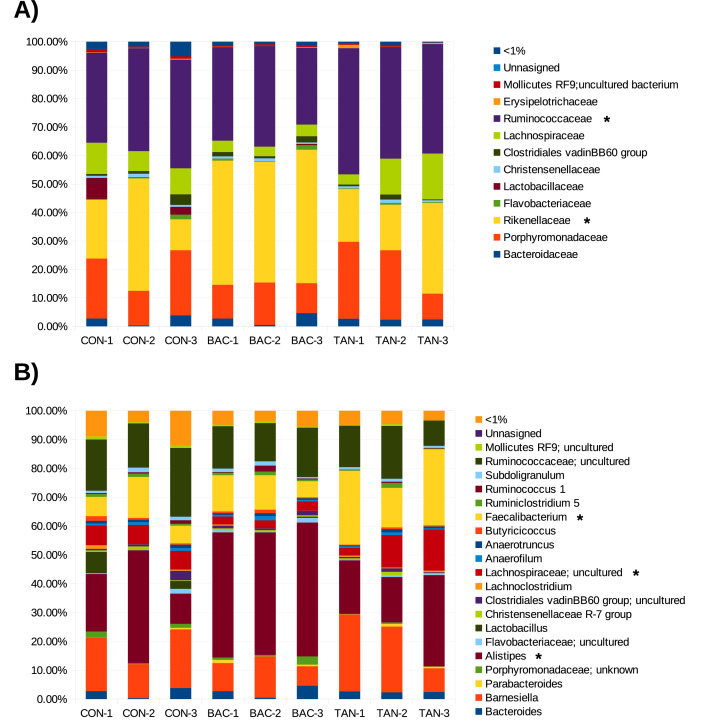
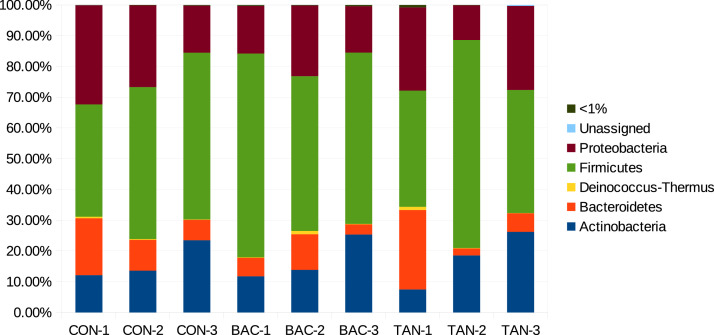
One of the main global issues in animal production is the antimicrobial use (AMU) as prophylactic additives in diet. Despite the availability of a variety of antibiotic alternative additives, their use is not widespread. In this study, we analyzed samples from a trial conducted on a commercial farm, evaluating cecal and litter microbiota with the inclusion of antibiotics or tannins (as AMU-free alternative) in the diet. We observed differential modulation depending on the additive used. Specifically, tannins treatment led to an increased Firmicutes/Bacteroidetes ratio, due to a rise in Clostridiales order, which is associated with improved gut health and better energy efficiency in birds. Poultry litter microbiota contained typical gastrointestinal tract bacteria, along with pathogenic and environmental species. This information becomes relevant for litter reuse in poultry sheds, acting as an inoculum for new birds in the next cycle, determining their microbiota; or when litter is used as organic fertilizer, and these bacteria potentially spread to the environment. This study highlights the potential of tannins as a promising AMU-free alternative in food-producing animals, contributing to new productive paradigms that consider human health, animal welfare, environmental impact, and production efficiency.
动物生产中的一个主要全球性问题是在日粮中使用抗菌剂作为预防性添加剂。尽管有多种抗生素替代添加剂可供使用,但它们的使用并不广泛。在本研究中,我们分析了在一个商业养殖场进行的试验中的样本,评估了日粮中添加抗生素或单宁(作为无抗菌剂替代品)时盲肠和垫料微生物群的情况。我们观察到根据所使用的添加剂不同会有不同的调节作用。具体而言,单宁处理导致厚壁菌门/拟杆菌门的比例增加,这是由于梭菌目数量的增加,而梭菌目与禽类肠道健康改善和能量利用效率提高有关。家禽垫料微生物群包含典型的胃肠道细菌,以及致病和环境物种。这些信息对于家禽舍中垫料的再利用具有重要意义,垫料在下一个周期可作为新禽鸟的接种物,决定其微生物群;或者当垫料用作有机肥料时,这些细菌可能会传播到环境中。本研究强调了单宁作为一种有前景的无抗菌剂替代品在食用动物中的潜力,有助于形成兼顾人类健康、动物福利、环境影响和生产效率的新生产模式。