Parisien Marc, Fillingim Matthew, Tanguay-Sabourin Christophe, Roy Mathieu, Vachon-Presseau Etienne, Diatchenko Luda
Alan Edwards Centre for Research on Pain, McGill University, Montreal, QC, Canada; Department of Anesthesia, Faculty of Medicine and Health Sciences, McGill University, Montreal, QC, Canada; Faculty of Dental Medicine and Oral Health Sciences, McGill University, Montreal, QC, Canada.
Alan Edwards Centre for Research on Pain, McGill University, Montreal, QC, Canada; Department of Anesthesia, Faculty of Medicine and Health Sciences, McGill University, Montreal, QC, Canada.
Br J Anaesth. 2025 Aug;135(2):401-415. doi: 10.1016/j.bja.2025.04.013. Epub 2025 May 22.
Chronic pain disproportionately affects women, but the reasons for this disparity are unclear.
We investigated this disparity from a genetic perspective using data from the UK Biobank, focusing on multisite chronic pain, which is highly heritable and manifests a sex bias.
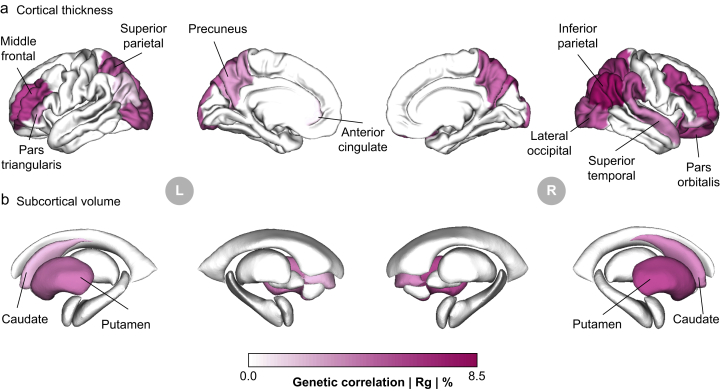
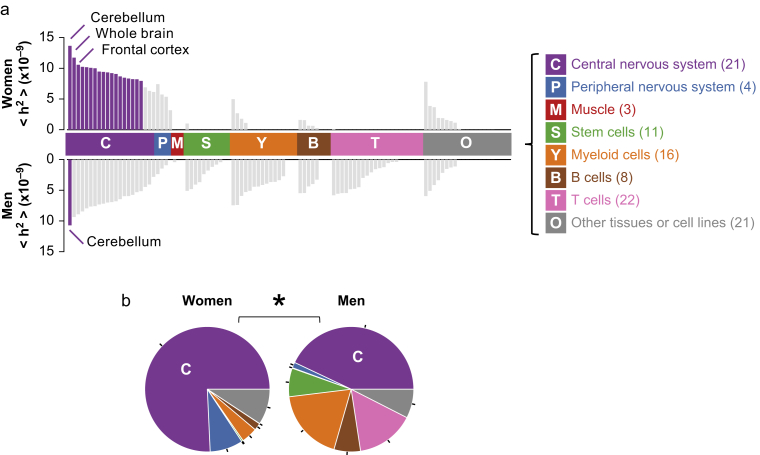
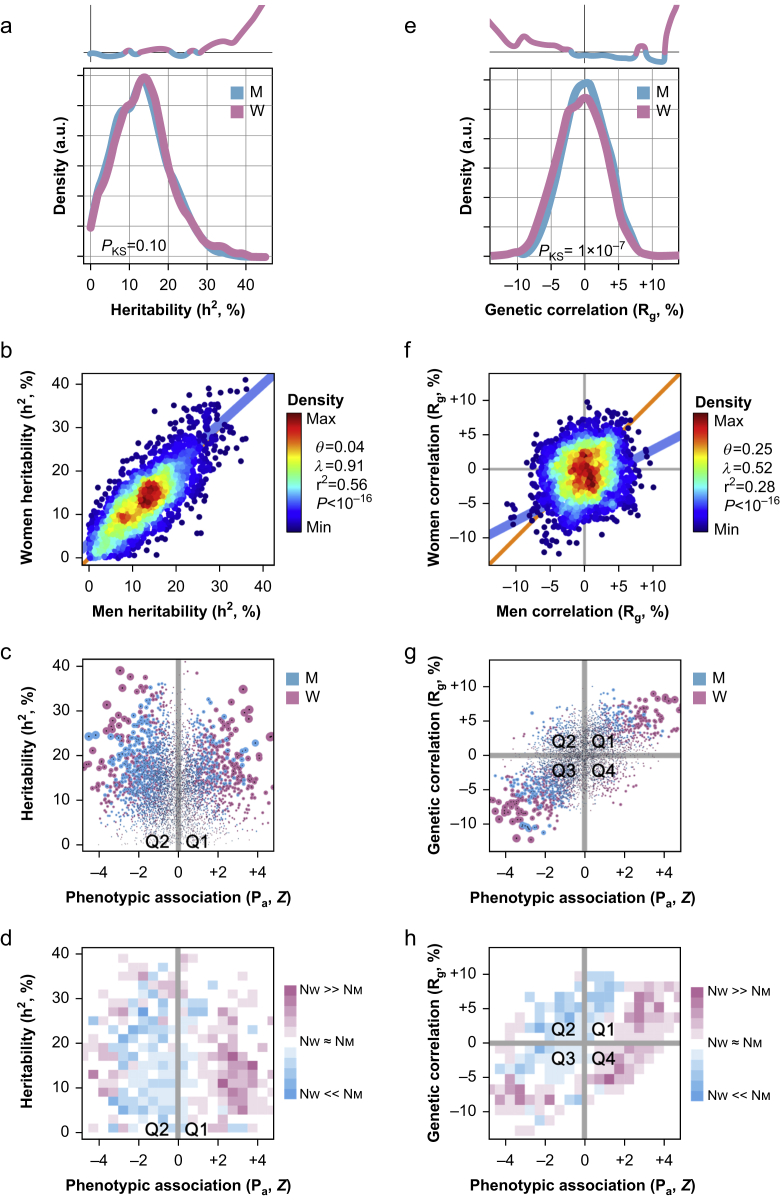
Genome-wide association studies (GWAS) revealed that women have approximately 4500 sex-specific causal loci for overlapping pains, four times more than men, accounting for their higher heritability. Heritability partitioning indicated that pain-related loci are primarily enriched in specific brain regions, but only in women. Additionally, 200 imaging-derived brain phenotypes were significantly associated with pain in women, compared with only six in men. GWAS of these brain phenotypes showed stronger genetic correlations with pain in women, particularly regarding cortical thickness and striatal volume. When disentangling pleiotropy from causation in genetically correlated pairs of brain- and pain-related traits, we found that the genetics of brain phenotypes are more often causally implicated with the presence of chronic pain in women.
Our findings suggest that genetics play a crucial role in the increased risk of chronic pain observed in women.
慢性疼痛对女性的影响尤为严重,但其差异的原因尚不清楚。
我们利用英国生物银行的数据,从基因角度研究了这种差异,重点关注多部位慢性疼痛,这种疼痛具有高度遗传性且存在性别偏差。
全基因组关联研究(GWAS)显示,女性有大约4500个与重叠性疼痛相关的性别特异性因果位点,是男性的四倍,这解释了她们更高的遗传率。遗传率划分表明,与疼痛相关的位点主要富集在特定脑区,但仅在女性中如此。此外,200种源自影像学的脑表型与女性疼痛显著相关,而男性只有6种。对这些脑表型的GWAS显示,它们与女性疼痛的遗传相关性更强,尤其是在皮质厚度和纹状体体积方面。当在基因相关的脑和疼痛相关性状对中区分多效性和因果关系时,我们发现脑表型的遗传学在女性慢性疼痛的存在中更常具有因果关系。
我们的研究结果表明,基因在女性慢性疼痛风险增加中起关键作用。