Koo Thai Hau, Leong Xue Bin, Lee Yi Lin, Zakaria Mohd Hazeman, Zakaria Andee Dzulkarnaen
Department of Surgery, Hospital Pakar Universiti Sains Malaysia, Kelantan, Malaysia.
School of Medical Sciences, Universiti Sains Malaysia, Health Campus, Kelantan, Malaysia.
Malays J Med Sci. 2025 Feb;32(1):56-68. doi: 10.21315/mjms-11-2024-884. Epub 2025 Feb 28.
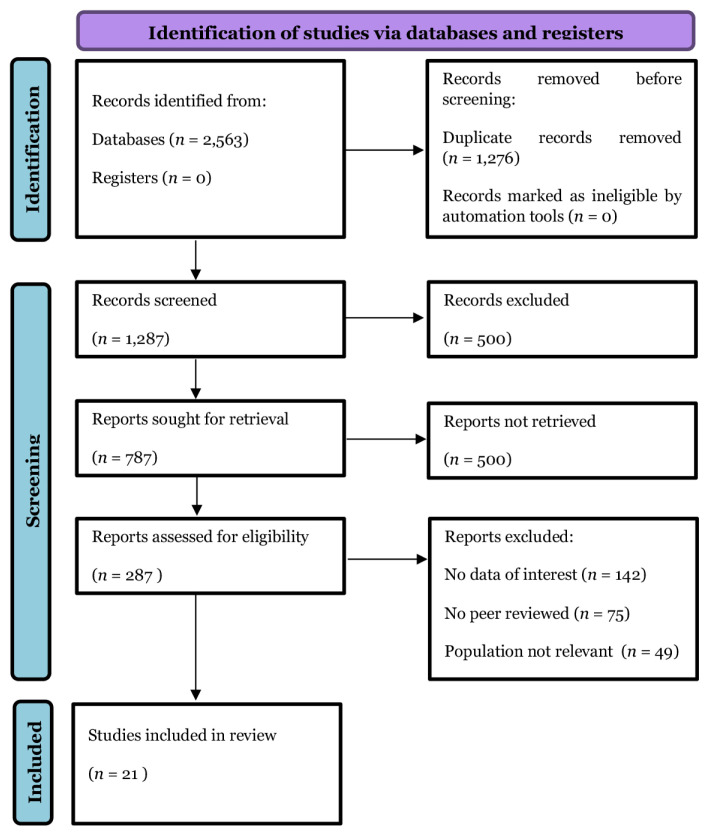
Healthcare systems, particularly operating theatres (OTs), are among the leading causes of pollution due to energy-intensive procedures, anaesthetic gases, and single-use surgical instruments. This perspective review provides actionable, evidence-based recommendations that not only minimise the environmental impact but also offer quality patient care. A wide literature search of available studies on green surgery was conducted. Searches were conducted in databases, including PubMed, Science Direct, Scopus, ProQuest, and Web of Science, from January 2013 to the present. A review of global practices highlighted the effectiveness of green surgical initiatives. Some initiatives related to the health sector report reductions in carbon emissions by reusable surgical instrument implementation in hospitals of up to 97%, energy savings of up to 50% with modifications to heating, ventilation, and air-conditioning (HVAC) systems, and waste management programmes, including the recycling and reprocessing of single-use devices, reporting waste reductions from 40% to 66%. Key strategies include shifting to renewable energy sources by promoting reusable instruments, optimising HVAC systems, and promoting comprehensive staff training for sustainability. All these factors are important for decreasing the environmental burden without compromising operational efficiency. The integration of sustainable practices in Malaysian OTs can significantly reduce carbon emissions and waste generated by hospitals while maintaining patient safety. These measures support the national goals of achieving Sustainable Development Goals (SDGs) and advancing Universal Health Coverage (UHC). Aligning with global sustainability efforts, Malaysia's health care system can reduce its carbon footprint.
医疗保健系统,尤其是手术室,因其能源密集型手术、麻醉气体和一次性手术器械,成为主要污染源头之一。这篇观点性综述提供了可行的、基于证据的建议,不仅能将环境影响降至最低,还能提供高质量的患者护理。我们对现有的关于绿色手术的研究进行了广泛的文献检索。检索在包括PubMed、Science Direct、Scopus、ProQuest和Web of Science在内的数据库中进行,时间跨度从2013年1月至今。对全球实践的回顾突出了绿色手术倡议的有效性。一些与卫生部门相关的倡议报告称,通过在医院实施可重复使用的手术器械,碳排放减少了高达97%;通过对供暖、通风和空调(HVAC)系统进行改造,能源节约了高达50%;还有废物管理计划,包括对一次性设备的回收和再处理,报告显示废物减少了40%至66%。关键策略包括通过推广可重复使用的器械转向可再生能源、优化HVAC系统以及推动全面的员工可持续发展培训。所有这些因素对于在不影响运营效率的情况下减轻环境负担都很重要。在马来西亚手术室整合可持续实践可以显著减少医院产生的碳排放和废物,同时保障患者安全。这些措施支持实现可持续发展目标(SDGs)和推进全民健康覆盖(UHC)的国家目标。与全球可持续发展努力保持一致,马来西亚的医疗保健系统可以减少其碳足迹。