Tritsch Sarah R, Mendoza-Torres Evelyn, Gómez-Pulido Mónica, Castellar-López Jairo, Lynch Rebecca, Gomez Carlos Herrera, Akselrod Hana, Poon Adrienne, Simmens Sam, Mores Christopher N, Simon Gary, Ray Lauren C, Conway Sarah, Chang Aileen Y
George Washington University, Washington, D.C., 20037, USA.
Faculty of Health, Exacts and Natural Sciences, Universidad Libre, Barranquilla, Colombia.
J Cell Immunol. 2024;6(6):255-265. doi: 10.33696/immunology.6.213.
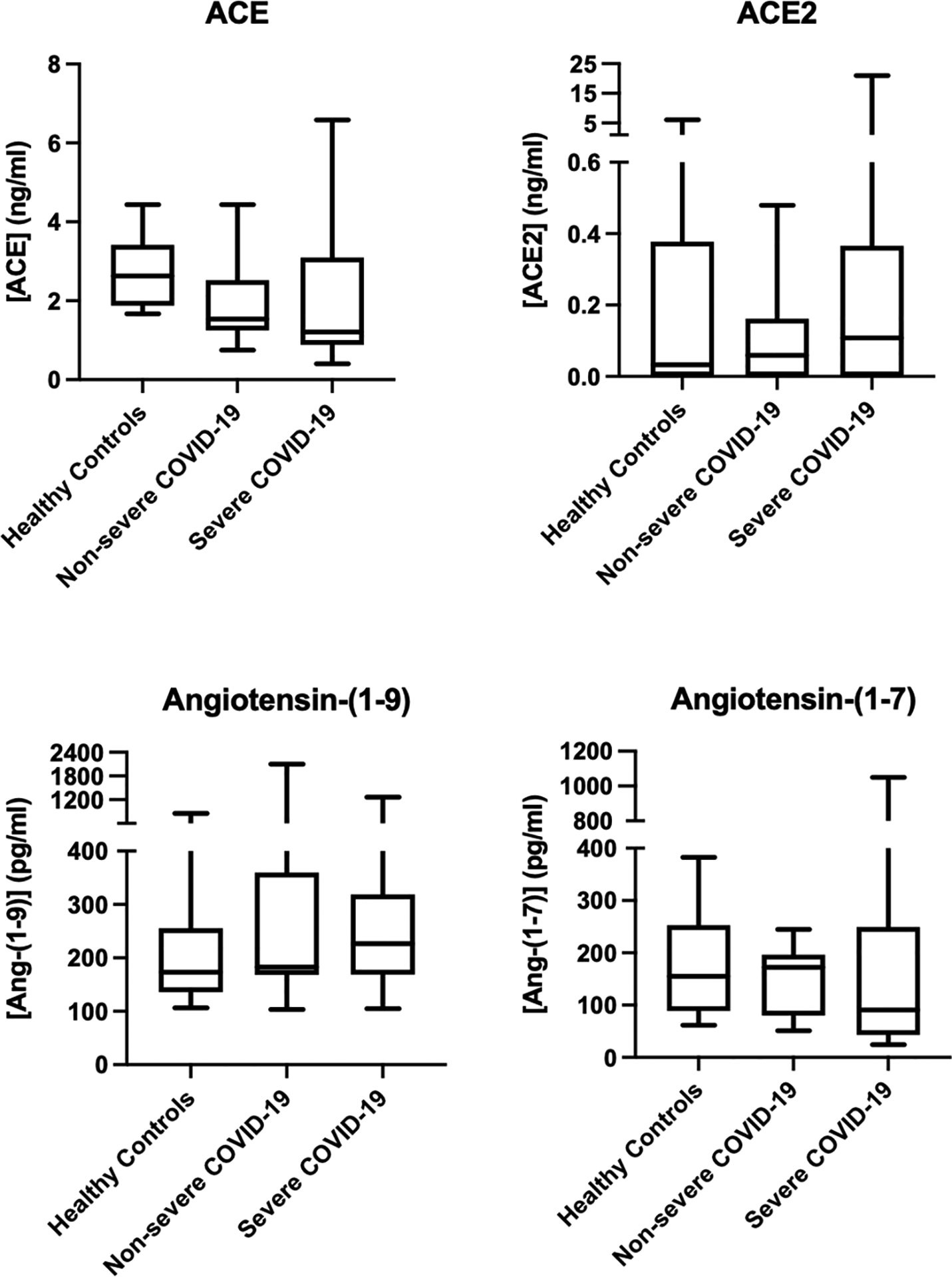
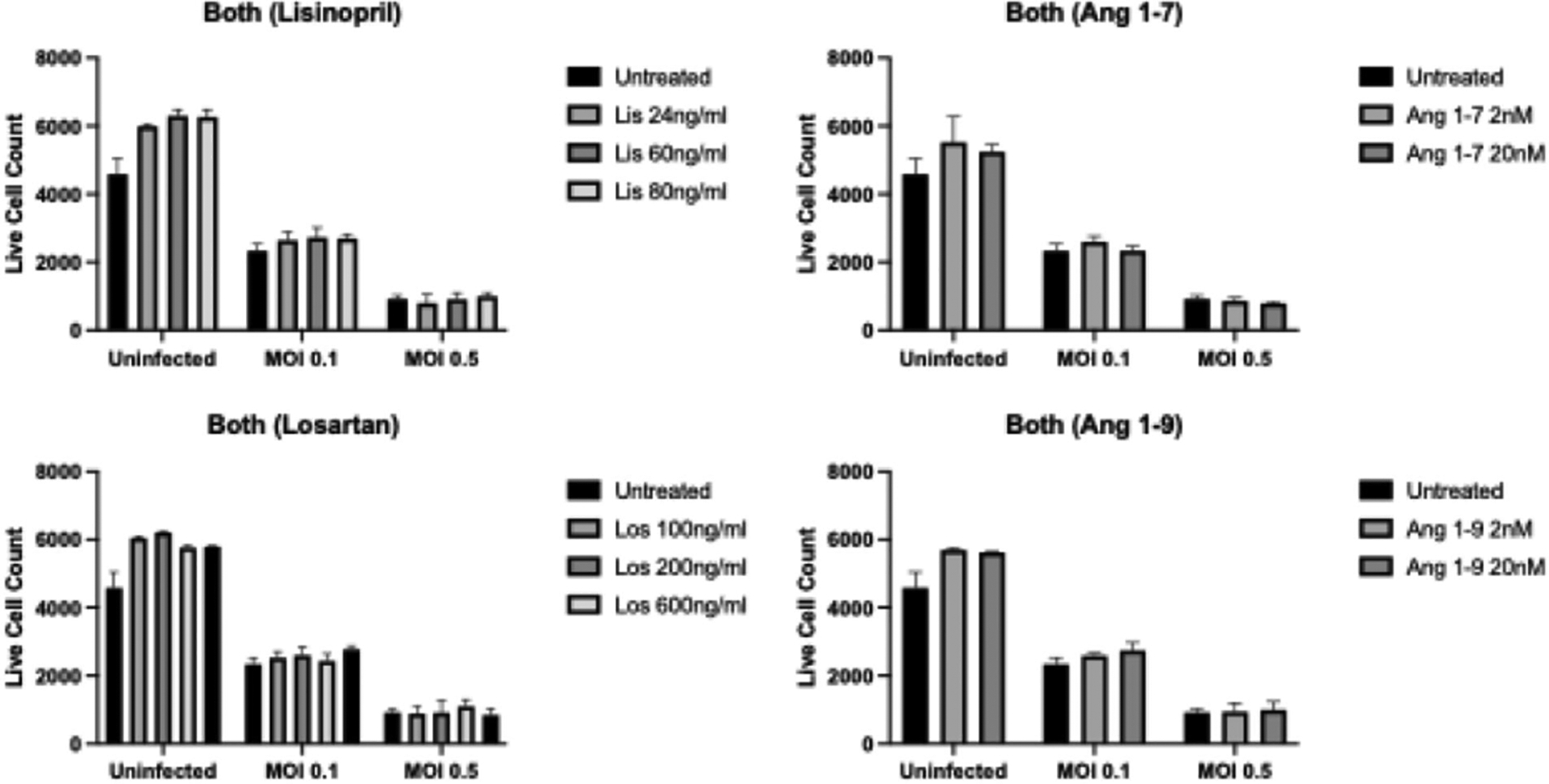
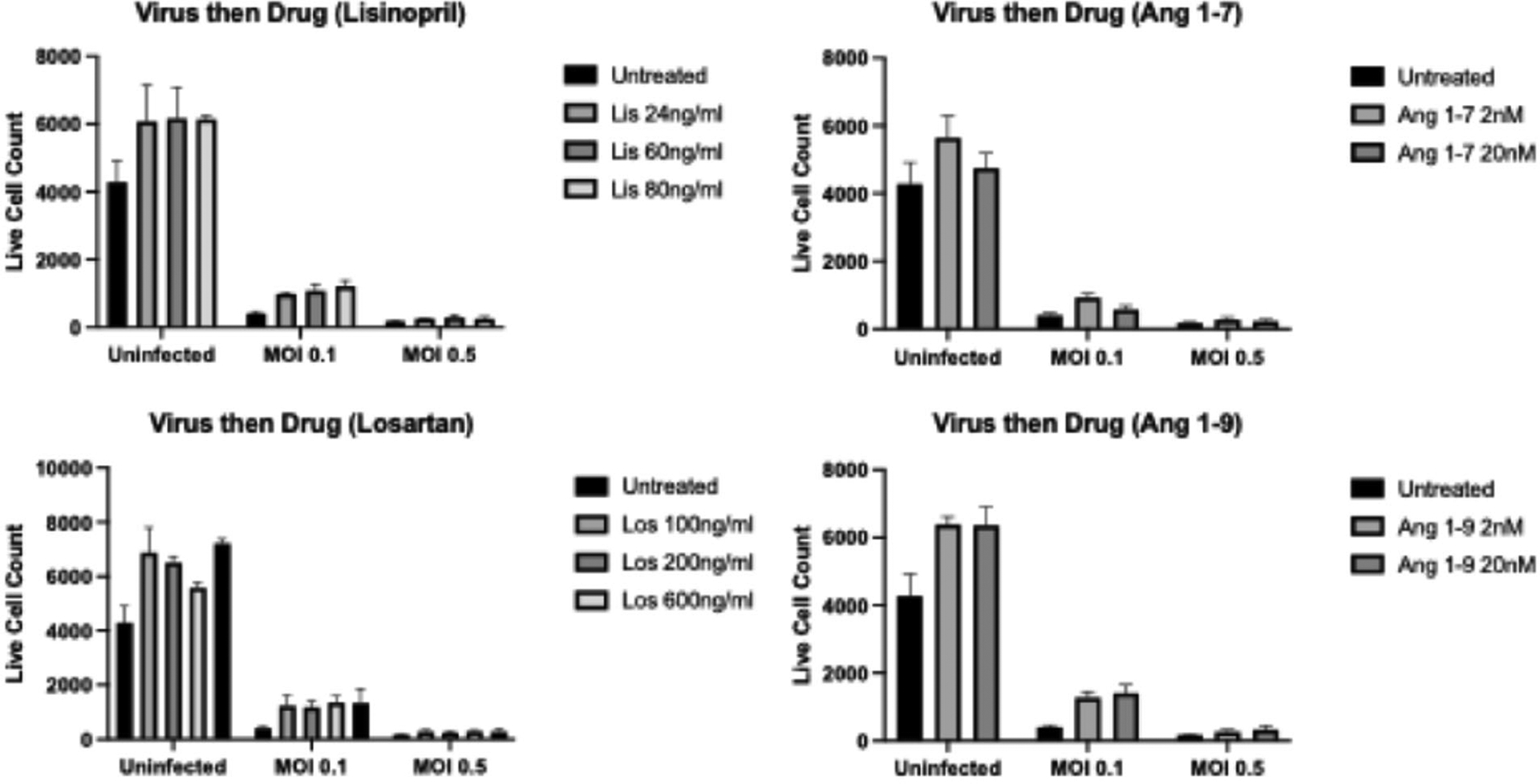
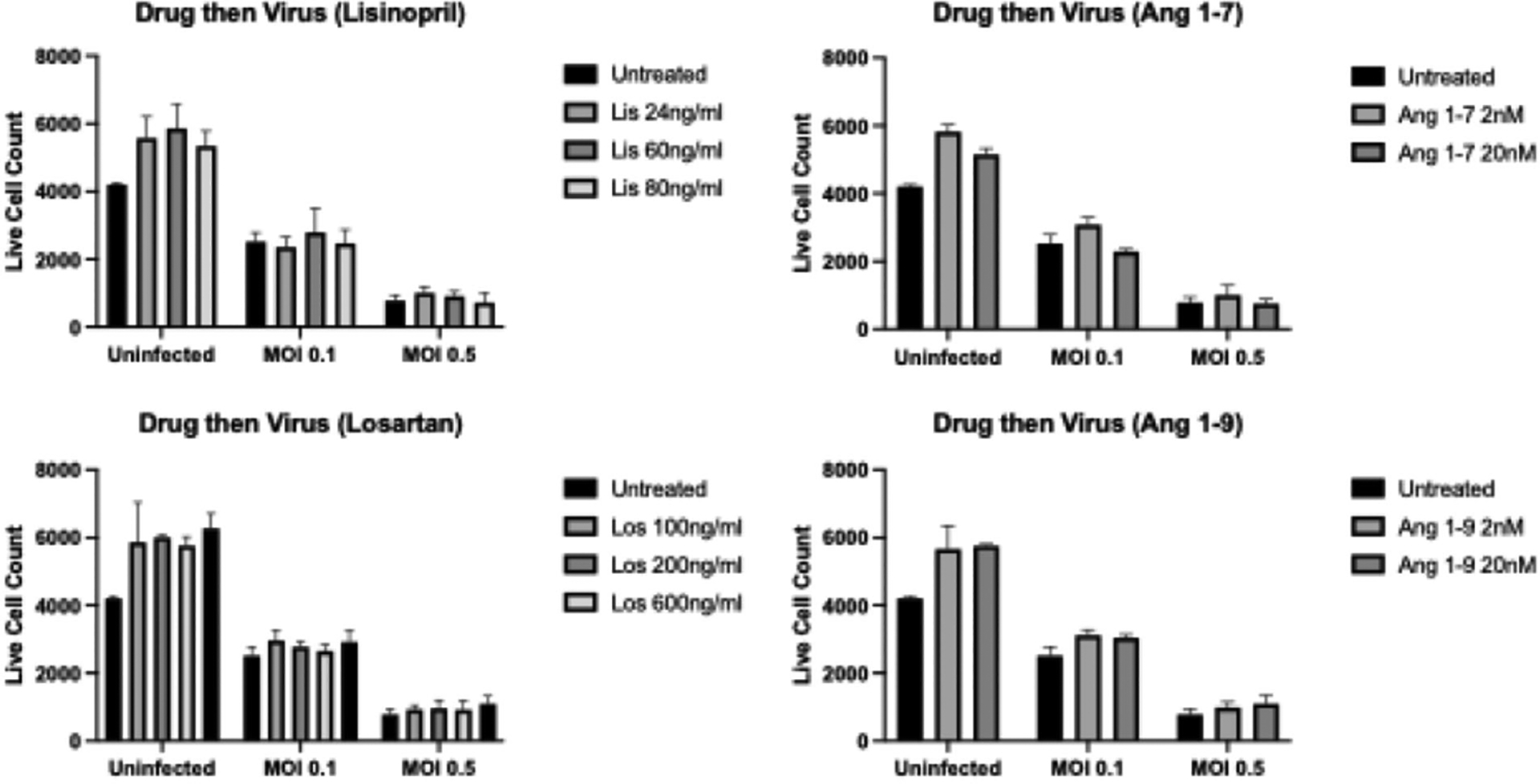
This study aimed to investigate the role of the renin-angiotensin system (RAS) in COVID-19, particularly focusing on key components such as ACE, ACE2, and their related peptides, angiotensin-(1-7) and angiotensin-(1-9). Using serum samples from healthy controls and both non-severe and severe COVID-19 patients, ELISA assays revealed no significant differences in these RAS components between the groups. In addition, studies showed no impact of ACE inhibitors or Angiotensin Receptor Blockers (ARB) on cell viability during SARS-CoV-2 infection. These clinical findings suggest that RAS alterations may not be a major factor in COVID-19 severity and the data support current guidelines, indicating the safety of continuing ACE inhibitors and ARBs in COVID-19 patients without evidence of increased SARS-CoV-2 infectivity in the presence of these compounds. This study highlights the lack of significant changes in key RAS components during COVID-19 in a clinical cohort and provides critical evidence supporting the continued use of ACE inhibitors and ARBs in treating patients.
本研究旨在探讨肾素-血管紧张素系统(RAS)在2019冠状病毒病(COVID-19)中的作用,尤其关注血管紧张素转换酶(ACE)、血管紧张素转换酶2(ACE2)及其相关肽段血管紧张素-(1-7)和血管紧张素-(1-9)等关键成分。通过对健康对照者以及非重症和重症COVID-19患者的血清样本进行酶联免疫吸附测定(ELISA)分析,结果显示这些RAS成分在各组之间无显著差异。此外,研究表明,在严重急性呼吸综合征冠状病毒2(SARS-CoV-2)感染期间,ACE抑制剂或血管紧张素受体阻滞剂(ARB)对细胞活力没有影响。这些临床研究结果表明,RAS改变可能不是导致COVID-19严重程度的主要因素,并且这些数据支持当前指南,即在没有证据表明这些化合物会增加SARS-CoV-2感染性的情况下,COVID-19患者继续使用ACE抑制剂和ARB是安全的。本研究强调了在临床队列中,COVID-19期间关键RAS成分缺乏显著变化,并为继续使用ACE抑制剂和ARB治疗患者提供了关键证据。