• 文献检索
  • 文档翻译
  • 深度研究
  • 学术资讯
  • Suppr Zotero 插件Zotero 插件
  • 邀请有礼
  • 套餐&价格
  • 历史记录
应用&插件
Suppr Zotero 插件Zotero 插件浏览器插件Mac 客户端Windows 客户端微信小程序
定价
高级版会员购买积分包购买API积分包
服务
文献检索文档翻译深度研究API 文档MCP 服务
关于我们
关于 Suppr公司介绍联系我们用户协议隐私条款
关注我们

Suppr 超能文献

核心技术专利:CN118964589B侵权必究
粤ICP备2023148730 号-1Suppr @ 2026

文献检索

告别复杂PubMed语法,用中文像聊天一样搜索,搜遍4000万医学文献。AI智能推荐,让科研检索更轻松。

立即免费搜索

文件翻译

保留排版,准确专业,支持PDF/Word/PPT等文件格式,支持 12+语言互译。

免费翻译文档

深度研究

AI帮你快速写综述,25分钟生成高质量综述,智能提取关键信息,辅助科研写作。

立即免费体验

人参皂苷Compound K的抗癌机制:综述

Anticancer Mechanisms of Ginsenoside Compound K: A Review.

作者信息

Lee Yu-Po, Chan Hui-Ting, Li Tzu-Hsuan, Chu Lichieh Julie, Lee Sheau-Long, Chang Yu-Quan, Wang Robert Yl

机构信息

Biotechnology Industry Master and Ph.D. Program, Chang Gung University, Taoyuan 333323, Taiwan.

Wellhead Biological Technology Corp., Taoyuan 325019, Taiwan.

出版信息

Diseases. 2025 May 5;13(5):143. doi: 10.3390/diseases13050143.

DOI:10.3390/diseases13050143
PMID:40422575
原文链接:https://pmc.ncbi.nlm.nih.gov/articles/PMC12110123/
Abstract

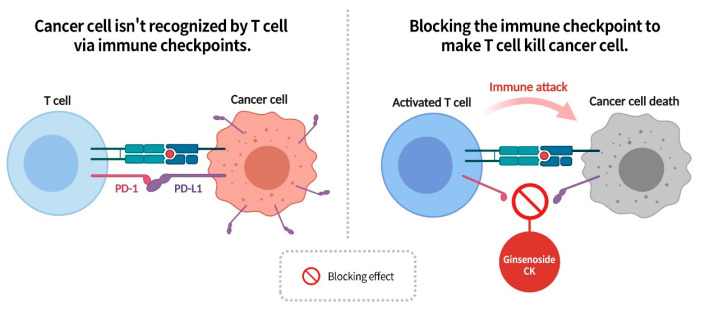
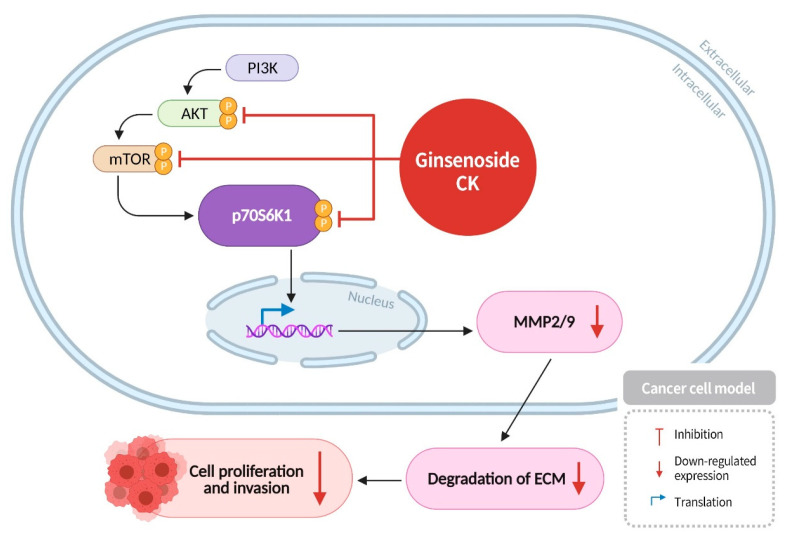
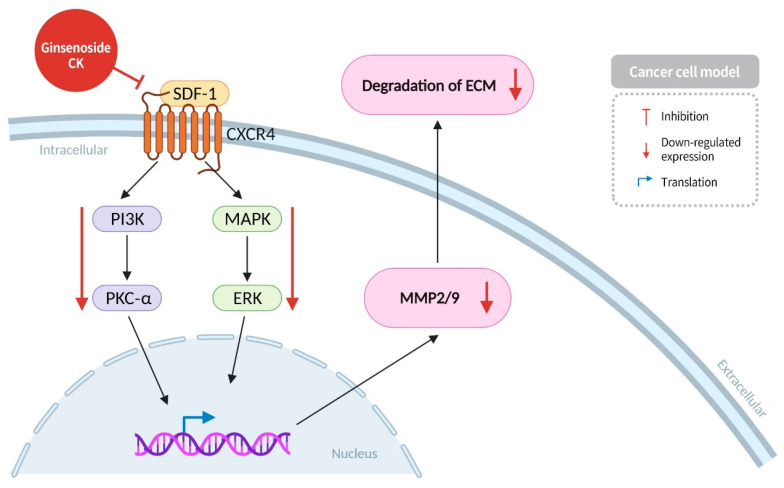
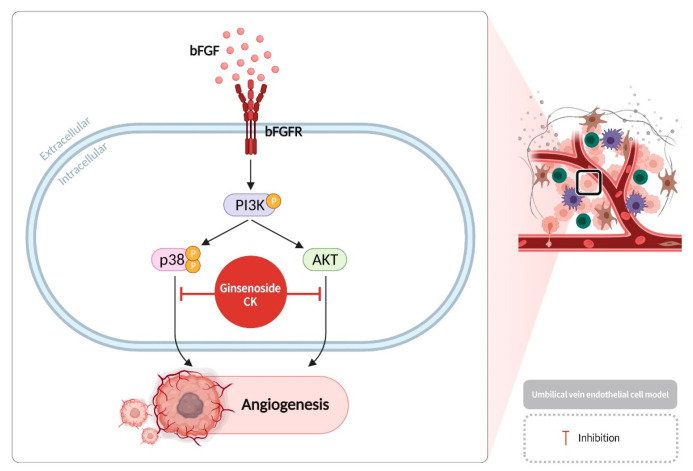
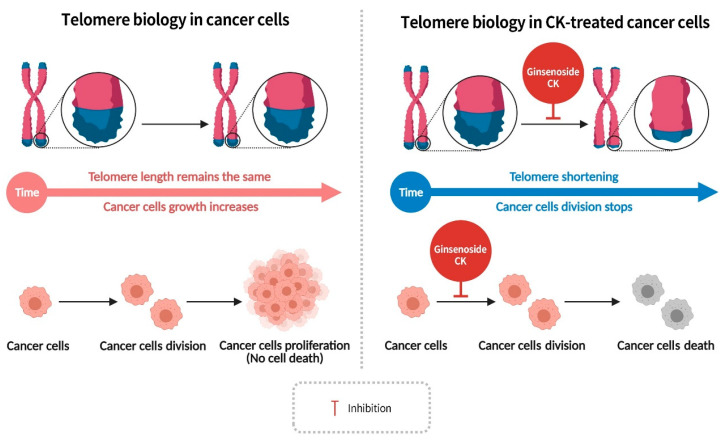
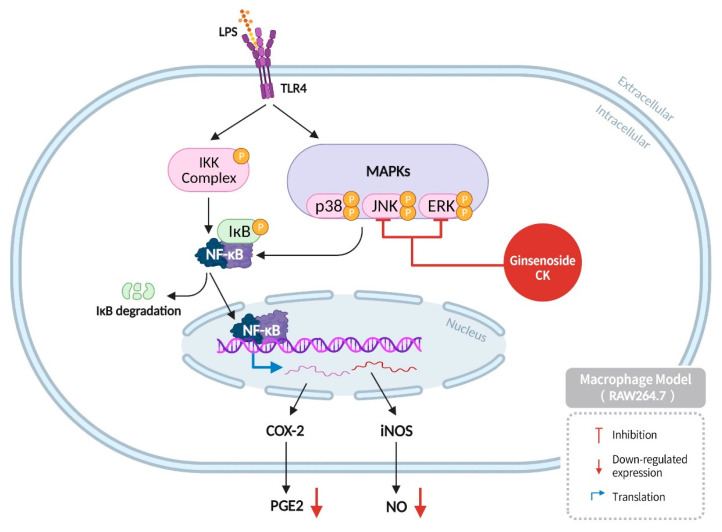
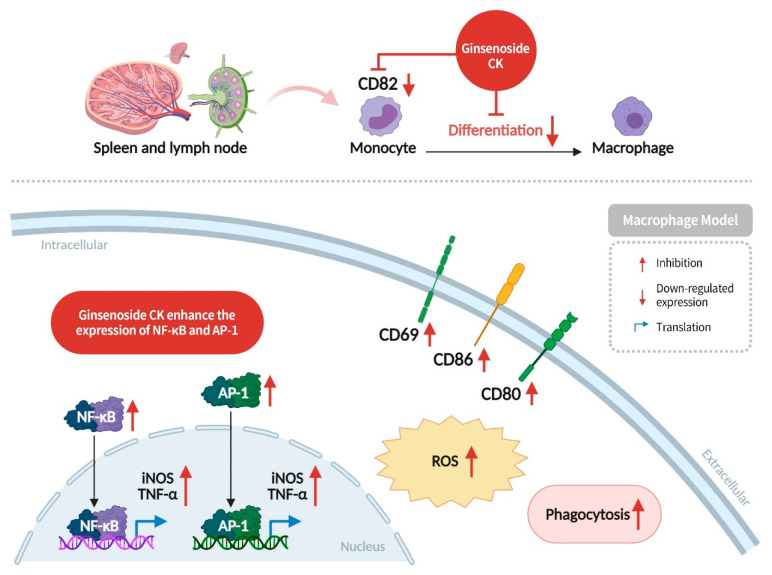
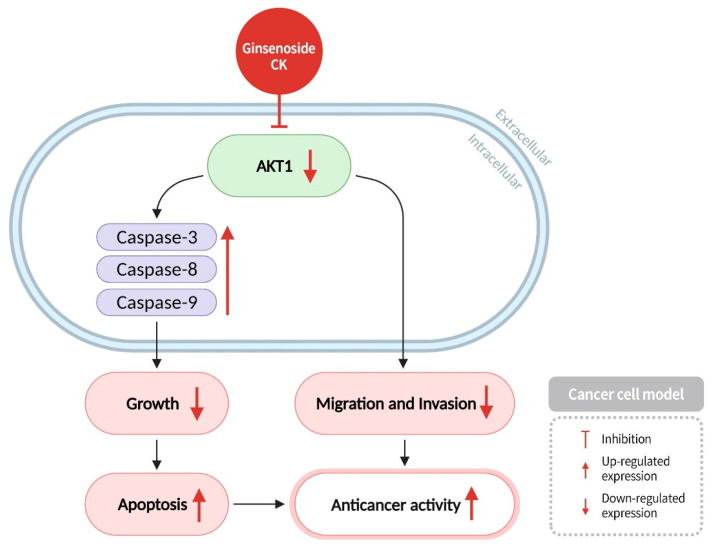
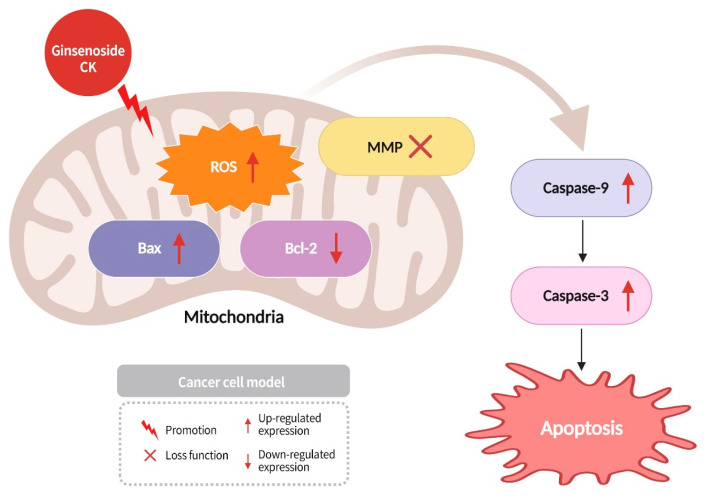
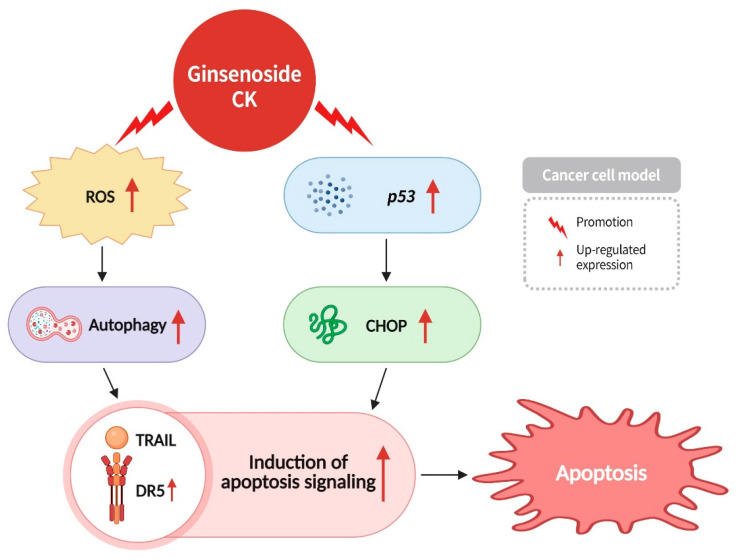
Cancer, also known as malignant tumors, is formed due to abnormal mutations and the proliferation of human cells. Cancer cells not only demonstrate accelerated proliferation but also show robust invasive and metastatic potential, disseminating from a primary affected region of the body to multiple areas and potentially culminating in organ dysfunction or failure, thereby jeopardizing the individual's life. The rapid growth of the biopharmaceutical market has given rise to numerous novel medicines, thereby precipitating a paradigm shift in contemporary drug development methodologies. This modification is focused on identifying methodologies that can effectively target cancerous cells while minimizing damage to normal cells. There is an increasing societal movement that supports the utilization of natural ingredients derived from plants. In recent years, traditional herbal medicine has experienced a surge in popularity within the global cancer market. In comparison with the use of more toxic chemotherapy methods, there has been an increasing focus on advanced therapies that exhibit reduced side effects. Ginsenoside compound K (CK) is derived from the natural components in ginseng through biotransformation. The utilization of CK in cancer research is a practice engaged in by numerous scientists. The underlying rationale is that CK exhibits a multitude of effects within the realm of cancer research, including but not limited to the mitigation of inflammation, the suppression of cancerous cell proliferation, and the safeguarding of cardiovascular, hepatic, and renal functions. This review methodically identifies and organizes CK-related journals according to the following key points of cancer treatment: the effects on cancer cells themselves, angiogenesis inhibition, modulation of immune response to identify cancer cells, and inflammation regulation. The intricate interplay between ginsenoside CK and cells is elucidated through a graphical representation. The present review focuses on the results of CK in in vitro tests. It is our hope that the present article will aid future studies on the results of CK in vivo tests, clarify the correlation between cellular mechanisms in vivo and in vitro tests, and assist in the development of drugs.

摘要

癌症,也被称为恶性肿瘤,是由于人体细胞的异常突变和增殖而形成的。癌细胞不仅表现出加速增殖,还具有强大的侵袭和转移潜力,从身体的原发性受累区域扩散到多个部位,并可能最终导致器官功能障碍或衰竭,从而危及个体生命。生物制药市场的快速增长催生了众多新型药物,从而引发了当代药物开发方法的范式转变。这种转变侧重于寻找能够有效靶向癌细胞同时将对正常细胞的损害降至最低的方法。社会上越来越多的人支持使用植物来源的天然成分。近年来,传统草药在全球癌症市场中越来越受欢迎。与使用毒性更大的化疗方法相比,人们越来越关注副作用较小的先进疗法。人参皂苷Compound K(CK)是通过生物转化从人参中的天然成分衍生而来的。众多科学家都在癌症研究中使用CK。其基本原理是CK在癌症研究领域表现出多种作用,包括但不限于减轻炎症、抑制癌细胞增殖以及保护心血管、肝脏和肾脏功能。本综述根据癌症治疗的以下关键点系统地识别和整理与CK相关的期刊:对癌细胞本身的影响、抑制血管生成、调节对癌细胞的免疫反应以及炎症调节。通过图形表示阐明了人参皂苷CK与细胞之间的复杂相互作用。本综述重点关注CK在体外试验中的结果。我们希望本文将有助于未来关于CK体内试验结果的研究,阐明体内和体外试验中细胞机制之间的相关性,并协助药物开发。
https://cdn.ncbi.nlm.nih.gov/pmc/blobs/e681/12110123/b47a55ee9a8a/diseases-13-00143-g013.jpg
https://cdn.ncbi.nlm.nih.gov/pmc/blobs/e681/12110123/b8e7195ca7b4/diseases-13-00143-g001.jpg
https://cdn.ncbi.nlm.nih.gov/pmc/blobs/e681/12110123/aed1db882047/diseases-13-00143-g002.jpg
https://cdn.ncbi.nlm.nih.gov/pmc/blobs/e681/12110123/c6e4720c6ecf/diseases-13-00143-g003.jpg
https://cdn.ncbi.nlm.nih.gov/pmc/blobs/e681/12110123/841c068a8677/diseases-13-00143-g004.jpg
https://cdn.ncbi.nlm.nih.gov/pmc/blobs/e681/12110123/d31a822c30a4/diseases-13-00143-g005.jpg
https://cdn.ncbi.nlm.nih.gov/pmc/blobs/e681/12110123/8d7b06d6d14d/diseases-13-00143-g006.jpg
https://cdn.ncbi.nlm.nih.gov/pmc/blobs/e681/12110123/a1752456c580/diseases-13-00143-g007.jpg
https://cdn.ncbi.nlm.nih.gov/pmc/blobs/e681/12110123/4190a72310df/diseases-13-00143-g008.jpg
https://cdn.ncbi.nlm.nih.gov/pmc/blobs/e681/12110123/1ca2abc86dba/diseases-13-00143-g009.jpg
https://cdn.ncbi.nlm.nih.gov/pmc/blobs/e681/12110123/92e022c0c8b2/diseases-13-00143-g010.jpg
https://cdn.ncbi.nlm.nih.gov/pmc/blobs/e681/12110123/a2ee2d04bc82/diseases-13-00143-g011.jpg
https://cdn.ncbi.nlm.nih.gov/pmc/blobs/e681/12110123/6b0067fac741/diseases-13-00143-g012.jpg
https://cdn.ncbi.nlm.nih.gov/pmc/blobs/e681/12110123/b47a55ee9a8a/diseases-13-00143-g013.jpg
https://cdn.ncbi.nlm.nih.gov/pmc/blobs/e681/12110123/b8e7195ca7b4/diseases-13-00143-g001.jpg
https://cdn.ncbi.nlm.nih.gov/pmc/blobs/e681/12110123/aed1db882047/diseases-13-00143-g002.jpg
https://cdn.ncbi.nlm.nih.gov/pmc/blobs/e681/12110123/c6e4720c6ecf/diseases-13-00143-g003.jpg
https://cdn.ncbi.nlm.nih.gov/pmc/blobs/e681/12110123/841c068a8677/diseases-13-00143-g004.jpg
https://cdn.ncbi.nlm.nih.gov/pmc/blobs/e681/12110123/d31a822c30a4/diseases-13-00143-g005.jpg
https://cdn.ncbi.nlm.nih.gov/pmc/blobs/e681/12110123/8d7b06d6d14d/diseases-13-00143-g006.jpg
https://cdn.ncbi.nlm.nih.gov/pmc/blobs/e681/12110123/a1752456c580/diseases-13-00143-g007.jpg
https://cdn.ncbi.nlm.nih.gov/pmc/blobs/e681/12110123/4190a72310df/diseases-13-00143-g008.jpg
https://cdn.ncbi.nlm.nih.gov/pmc/blobs/e681/12110123/1ca2abc86dba/diseases-13-00143-g009.jpg
https://cdn.ncbi.nlm.nih.gov/pmc/blobs/e681/12110123/92e022c0c8b2/diseases-13-00143-g010.jpg
https://cdn.ncbi.nlm.nih.gov/pmc/blobs/e681/12110123/a2ee2d04bc82/diseases-13-00143-g011.jpg
https://cdn.ncbi.nlm.nih.gov/pmc/blobs/e681/12110123/6b0067fac741/diseases-13-00143-g012.jpg
https://cdn.ncbi.nlm.nih.gov/pmc/blobs/e681/12110123/b47a55ee9a8a/diseases-13-00143-g013.jpg

相似文献

1
Anticancer Mechanisms of Ginsenoside Compound K: A Review.人参皂苷Compound K的抗癌机制:综述
Diseases. 2025 May 5;13(5):143. doi: 10.3390/diseases13050143.
2
A narrative review of the pharmacology of ginsenoside compound K.人参皂苷Compound K的药理学叙述性综述。
Ann Transl Med. 2022 Feb;10(4):234. doi: 10.21037/atm-22-501.
3
Dietary glycation compounds - implications for human health.饮食糖化化合物 - 对人类健康的影响。
Crit Rev Toxicol. 2024 Sep;54(8):485-617. doi: 10.1080/10408444.2024.2362985. Epub 2024 Aug 16.
4
The potential of natural herbal plants in the treatment and prevention of non-small cell lung cancer: An encounter between ferroptosis and mitophagy.天然草本植物在非小细胞肺癌治疗和预防中的潜力:铁死亡与线粒体自噬的交汇
J Ethnopharmacol. 2025 Apr 25;346:119555. doi: 10.1016/j.jep.2025.119555. Epub 2025 Feb 25.
5
Ginsenoside Compound K Enhances Fracture Healing Promoting Osteogenesis and Angiogenesis.人参皂苷Compound K通过促进成骨作用和血管生成增强骨折愈合。
Front Pharmacol. 2022 Apr 1;13:855393. doi: 10.3389/fphar.2022.855393. eCollection 2022.
6
Pharmacokinetics of Ginsenoside Compound K From a Compound K Fermentation Product, CK-30, and From Red Ginseng Extract in Healthy Korean Subjects. Ginsenoside Compound K 的药代动力学:来自 Compound K 发酵产品 CK-30 和红参提取物在健康韩国受试者中的研究。
Clin Pharmacol Drug Dev. 2021 Nov;10(11):1358-1364. doi: 10.1002/cpdd.949. Epub 2021 Apr 21.
7
Ginsenoside compound K alleviates brain aging by inhibiting ferroptosis through modulation of the ASK1-MKK7-JNK signaling pathway.人参皂苷化合物 K 通过调节 ASK1-MKK7-JNK 信号通路抑制铁死亡来缓解大脑衰老。
Phytomedicine. 2024 Dec;135:156239. doi: 10.1016/j.phymed.2024.156239. Epub 2024 Nov 10.
8
Functional Mechanism of Ginsenoside Compound K on Tumor Growth and Metastasis.人参皂苷Compound K 对肿瘤生长和转移的作用机制。
Integr Cancer Ther. 2022 Jan-Dec;21:15347354221101203. doi: 10.1177/15347354221101203.
9
Ginsenoside compound K inhibits the proliferation, migration and invasion of Eca109 cell via VEGF-A/Pi3k/Akt pathway.人参皂苷化合物 K 通过 VEGF-A/Pi3k/Akt 通路抑制 Eca109 细胞的增殖、迁移和侵袭。
J Cardiothorac Surg. 2022 May 3;17(1):99. doi: 10.1186/s13019-022-01846-2.
10
Anticancer properties and pharmaceutical applications of ginsenoside compound K: A review.人参皂苷Compound K 的抗癌特性和药物应用:综述。
Chem Biol Drug Des. 2022 Feb;99(2):286-300. doi: 10.1111/cbdd.13983. Epub 2021 Nov 25.

本文引用的文献

1
p38 MAPK signaling in chronic obstructive pulmonary disease pathogenesis and inhibitor therapeutics.p38 MAPK 信号通路在慢性阻塞性肺疾病发病机制及抑制剂治疗中的作用
Cell Commun Signal. 2023 Nov 2;21(1):314. doi: 10.1186/s12964-023-01337-4.
2
Compound K Production: Achievements and Perspectives.化合物K的生产:成就与展望
Life (Basel). 2023 Jul 14;13(7):1565. doi: 10.3390/life13071565.
3
Preparation and bioactivity of the rare ginsenosides Rg3 and Rh2: An updated review.稀有人参皂苷 Rg3 和 Rh2 的制备及生物活性:最新研究进展。
Fitoterapia. 2023 Jun;167:105514. doi: 10.1016/j.fitote.2023.105514. Epub 2023 Apr 20.
4
Anti-cancer effects of ginsenoside CK on acute myeloid leukemia in vitro and in vivo.人参皂苷CK对急性髓系白血病的体内外抗癌作用
Heliyon. 2022 Dec 7;8(12):e12106. doi: 10.1016/j.heliyon.2022.e12106. eCollection 2022 Dec.
5
Tetraspanin CD82 restrains phagocyte migration but supports macrophage activation.四跨膜蛋白CD82抑制吞噬细胞迁移,但支持巨噬细胞活化。
iScience. 2022 Jun 3;25(7):104520. doi: 10.1016/j.isci.2022.104520. eCollection 2022 Jul 15.
6
Functional Mechanism of Ginsenoside Compound K on Tumor Growth and Metastasis.人参皂苷Compound K 对肿瘤生长和转移的作用机制。
Integr Cancer Ther. 2022 Jan-Dec;21:15347354221101203. doi: 10.1177/15347354221101203.
7
Tumor-Associated Macrophages Regulate PD-1/PD-L1 Immunosuppression.肿瘤相关巨噬细胞调节 PD-1/PD-L1 免疫抑制。
Front Immunol. 2022 May 3;13:874589. doi: 10.3389/fimmu.2022.874589. eCollection 2022.
8
Effects of ginsenoside compound K on colitis-associated colorectal cancer and gut microbiota profiles in mice.人参皂苷Compound K对小鼠结肠炎相关结直肠癌及肠道微生物群谱的影响。
Ann Transl Med. 2022 Apr;10(7):408. doi: 10.21037/atm-22-793.
9
A narrative review of the pharmacology of ginsenoside compound K.人参皂苷Compound K的药理学叙述性综述。
Ann Transl Med. 2022 Feb;10(4):234. doi: 10.21037/atm-22-501.
10
Targeting Protein Kinase C for Cancer Therapy.靶向蛋白激酶C用于癌症治疗
Cancers (Basel). 2022 Feb 22;14(5):1104. doi: 10.3390/cancers14051104.