Popescu Marius Nicolae, Căpeț Claudiu, Beiu Cristina, Berteanu Mihai
Department of Physical and Rehabilitation Medicine, Elias Emergency University Hospital, Carol Davila University of Medicine and Pharmacy, 020021 Bucharest, Romania.
Clinic of Physical and Rehabilitation Medicine, Elias Emergency University Hospital, 011461 Bucharest, Romania.
Toxins (Basel). 2025 May 13;17(5):240. doi: 10.3390/toxins17050240.
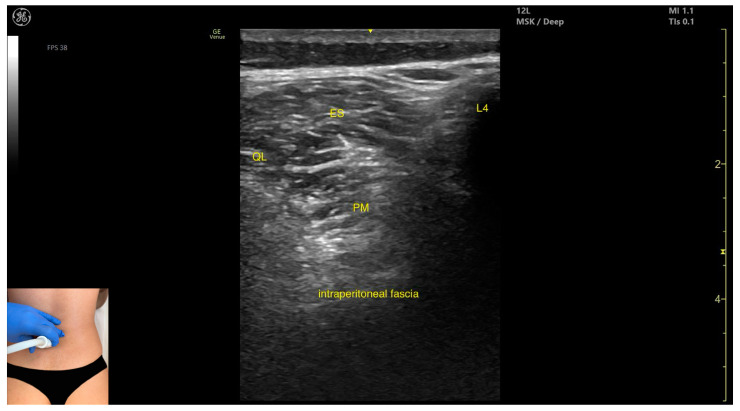
Ultrasound-guided botulinum toxin type A (BoNT-A) injections have become an essential tool in the management of lower limb spasticity. Following our previous work, which focused on upper limb muscles, this third part provides a detailed visual guide to the identification and injection of proximal lower limb muscles frequently involved in spastic gait and posture disorders. This guide presents the ultrasound anatomy, clinical relevance, and injection strategies for eleven key muscles: , , , , , , , , , , and . For each muscle, the Elias University Hospital (EUH) model is applied, highlighting the zones of maximum thickness and motor point density to ensure precise and effective BoNT-A delivery. Enhanced with high-resolution ultrasound images and dynamic scanning techniques, this visual guide supports clinicians in performing safe, targeted injections. It serves as both an educational and practical reference for the ultrasound-guided treatment of spasticity in the proximal lower limb, completing the series and offering a standardized framework for comprehensive BoNT-A management. By promoting accurate toxin delivery, this approach is expected to improve functional mobility, reduce spasticity-related complications, and optimize patient-centered outcomes in rehabilitation settings.
超声引导下A型肉毒毒素(BoNT-A)注射已成为治疗下肢痉挛的重要手段。继我们之前专注于上肢肌肉的工作之后,本第三部分提供了一份详细的可视化指南,用于识别和注射经常参与痉挛性步态和姿势障碍的下肢近端肌肉。本指南介绍了11块关键肌肉的超声解剖结构、临床相关性和注射策略:[此处原文缺失肌肉名称]。对于每块肌肉,均应用了埃利亚斯大学医院(EUH)模型,突出显示最大厚度区域和运动点密度,以确保BoNT-A的精确有效注射。借助高分辨率超声图像和动态扫描技术,本可视化指南支持临床医生进行安全、有针对性的注射。它既是近端下肢痉挛超声引导治疗的教育参考,也是实用参考,完善了该系列内容,并为全面的BoNT-A管理提供了标准化框架。通过促进毒素的准确注射,预计这种方法将改善功能活动能力,减少与痉挛相关的并发症,并在康复环境中优化以患者为中心的治疗效果。