Chen Hong, Fu Liyu, Liu Liying, He Yunyan
Department of Pediatrics, The First Affiliated Hospital of Guangxi Medical University, Nanning, China.
Graduate School, Guangxi Medical University, Nanning, China.
Front Immunol. 2025 May 13;16:1574904. doi: 10.3389/fimmu.2025.1574904. eCollection 2025.
Acute intestinal graft-versus-host disease (AIGVHD) is a common complication of allogeneic hematopoietic stem cell transplantation (allo HSCT) with a high mortality rate. The primary aim of the present study is to identify tissue-based gene biomarkers pertinent to AIGVHD, thereby facilitating early diagnosis and exploration of potential therapeutic targets.
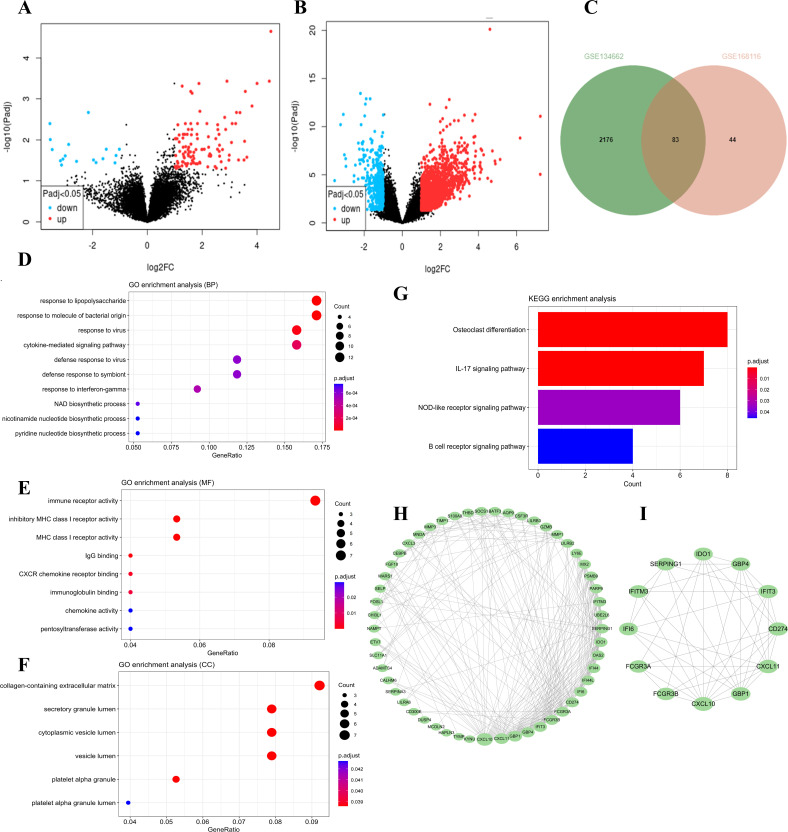
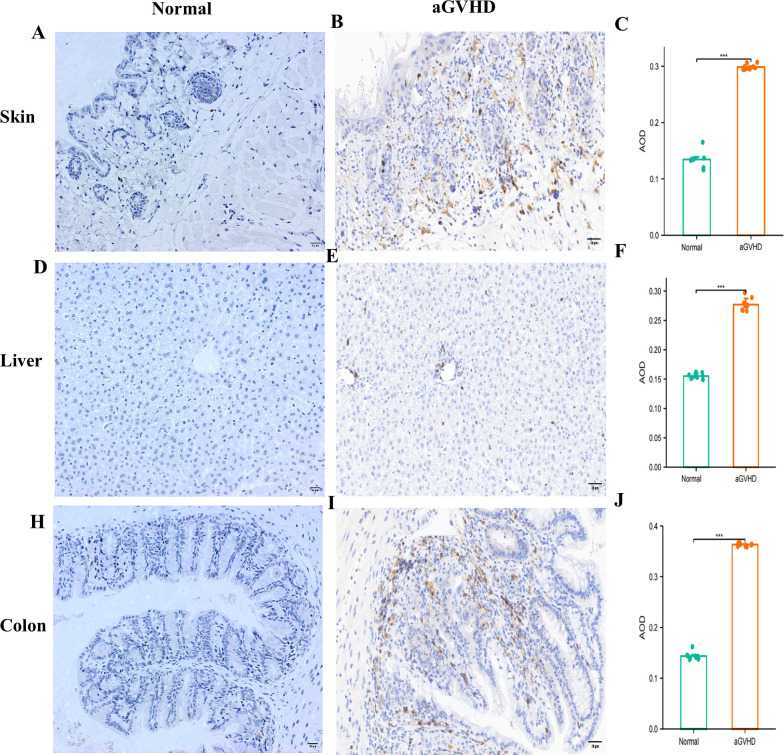
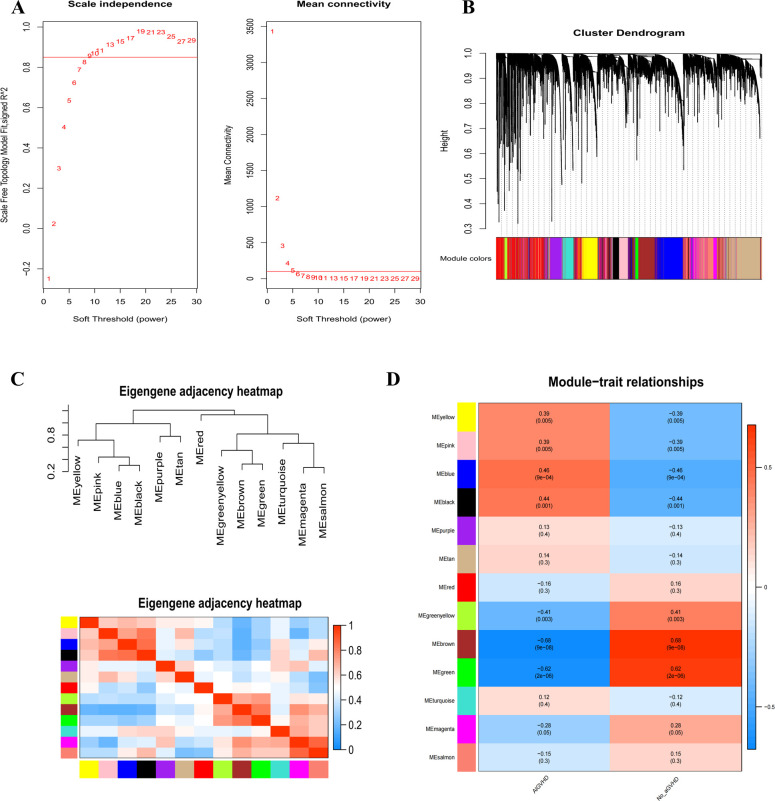
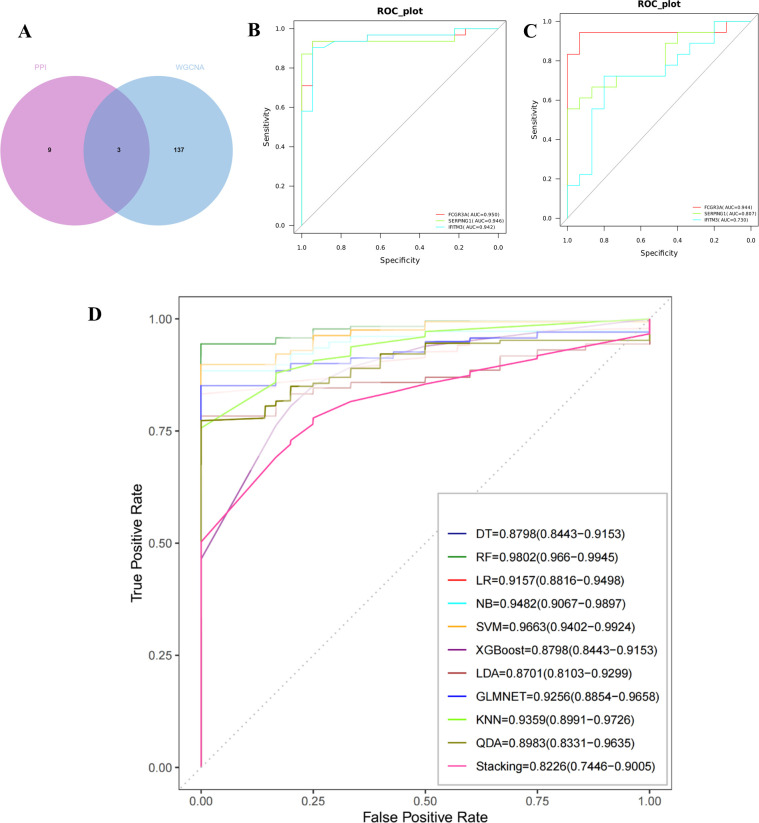
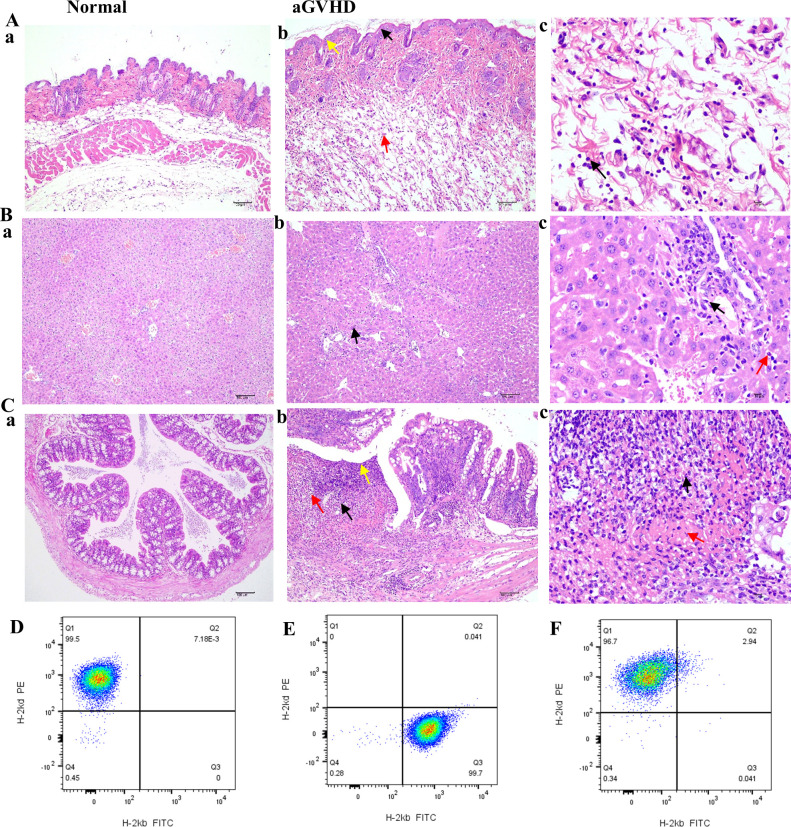
The dataset was obtained from the GEO database. DEGs were identified, followed by GO and KEGG pathways analysis for the common DEGs. PPI networks and WGCNA analysis were used to identify essential genes, and correlations between critical genes and immune cell infiltration were also examined. The diagnostic efficacy of these essential genes was evaluated using ROC curves, leading to the development of 11 machine learning models based on this gene set. Furthermore, we established a mouse model of aGVHD, which was identified by clinical score, pathological analysis, flow cytometry detection of implantation rate, and immunohistochemical detection of CD4 expression. Finally, we measured the mRNA expression levels of the key genes in the mice's intestinal tissue using real-time PCR.
DEGs showed a marked enrichment in immune and inflammatory response pathways. Our analysis identified three key genes, FCGR3A, SERPING1, and IFITM3, which were positively associated with M1 macrophage and neutrophil infiltration. Subsequently, we developed machine learning models utilizing these three genes and found that the RF model exhibited a robust predictive capacity for AIGVHD occurrence, achieving an AUC of 0.9802 (95% CI: 0.966-0.9945). An aGVHD mouse model was also successfully created, and we discovered that the aGVHD group's mRNA expression levels of three key genes were noticeably higher than the control group's.
In this study, we identified FCGR3A, SERPING1, and IFITM3 as tissue-based gene biomarkers for AIGVHD, highlighting their diagnostic efficacy. Furthermore, we confirmed the association of these genes with AIGVHD through investigations conducted in aGVHD mouse models.
急性肠道移植物抗宿主病(AIGVHD)是异基因造血干细胞移植(allo HSCT)的常见并发症,死亡率高。本研究的主要目的是确定与AIGVHD相关的基于组织的基因生物标志物,从而促进早期诊断并探索潜在的治疗靶点。
数据集来自GEO数据库。鉴定差异表达基因(DEGs),随后对常见的DEGs进行基因本体(GO)和京都基因与基因组百科全书(KEGG)通路分析。使用蛋白质-蛋白质相互作用(PPI)网络和加权基因共表达网络分析(WGCNA)来鉴定关键基因,并检查关键基因与免疫细胞浸润之间的相关性。使用ROC曲线评估这些关键基因的诊断效能,基于该基因集开发了11种机器学习模型。此外,我们建立了急性移植物抗宿主病(aGVHD)小鼠模型,通过临床评分、病理分析、流式细胞术检测植入率以及免疫组化检测CD4表达来进行鉴定。最后,我们使用实时聚合酶链反应(PCR)测量小鼠肠道组织中关键基因的mRNA表达水平。
DEGs在免疫和炎症反应通路中表现出明显富集。我们的分析确定了三个关键基因,即Fc段γ受体ⅢA(FCGR3A)、丝氨酸蛋白酶抑制剂C1(SERPING1)和干扰素诱导跨膜蛋白3(IFITM3),它们与M1巨噬细胞和中性粒细胞浸润呈正相关。随后,我们利用这三个基因开发了机器学习模型,发现随机森林(RF)模型对AIGVHD的发生具有强大的预测能力,曲线下面积(AUC)为0.9802(95%可信区间:0.966 - 0.9945)。还成功创建了aGVHD小鼠模型,我们发现aGVHD组三个关键基因的mRNA表达水平明显高于对照组。
在本研究中,我们确定FCGR3A、SERPING1和IFITM3为AIGVHD基于组织的基因生物标志物,突出了它们的诊断效能。此外,我们通过在aGVHD小鼠模型中进行的研究证实了这些基因与AIGVHD的关联。