Tavares Nuno Tiago, Lourenço Catarina, Constâncio Vera, Fernandes-Pontes Fernanda, Fonseca Diana, Silva-Santos Rui, Braga Isaac, Maurício Joaquina, Henrique Rui, Liu Michelle, Weiss Robert S, Bagrodia Aditya, Jerónimo Carmen, Lobo João
Cancer Biology and Epigenetics Group, Research Center of IPO Porto (CI-IPOP) / CI-IPOP@RISE Health Research Network - Portuguese Oncology Institute of Porto (IPO Porto) / Porto Comprehensive Cancer Center Raquel Seruca (Porto.CCC Raquel Seruca), Porto, 4200-072, Portugal.
Doctoral Programme in Biomedical Sciences, School of Medicine and Biomedical Sciences, University of Porto (ICBAS-UP), Porto, 4050-313, Portugal.
Cell Commun Signal. 2025 May 30;23(1):252. doi: 10.1186/s12964-025-02250-8.
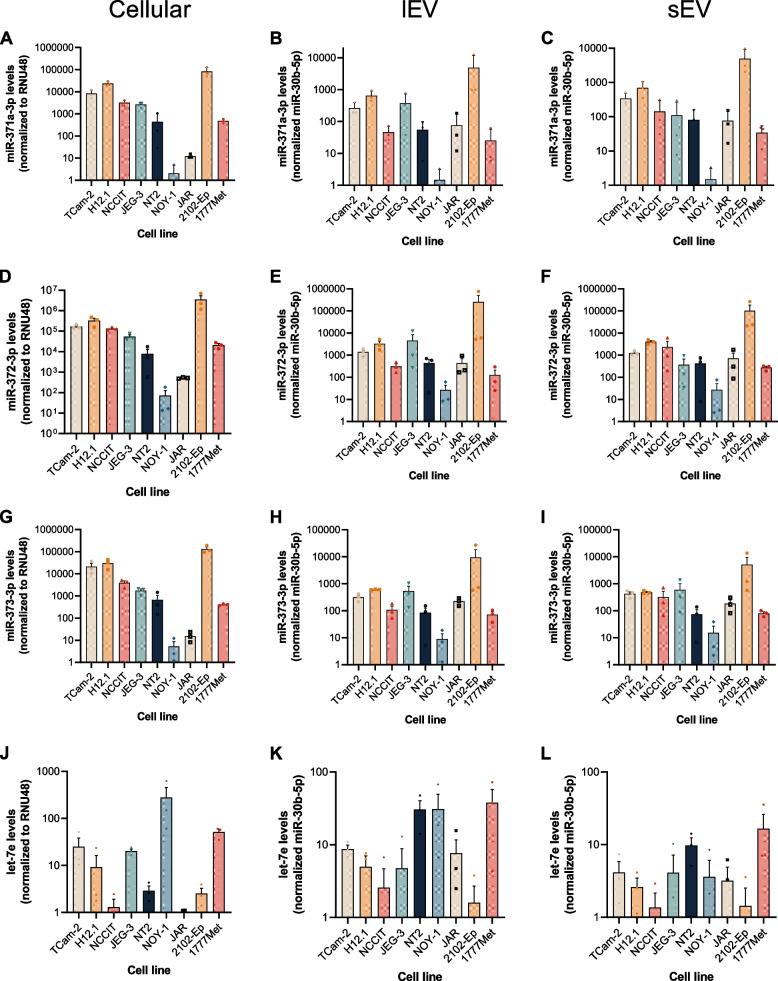
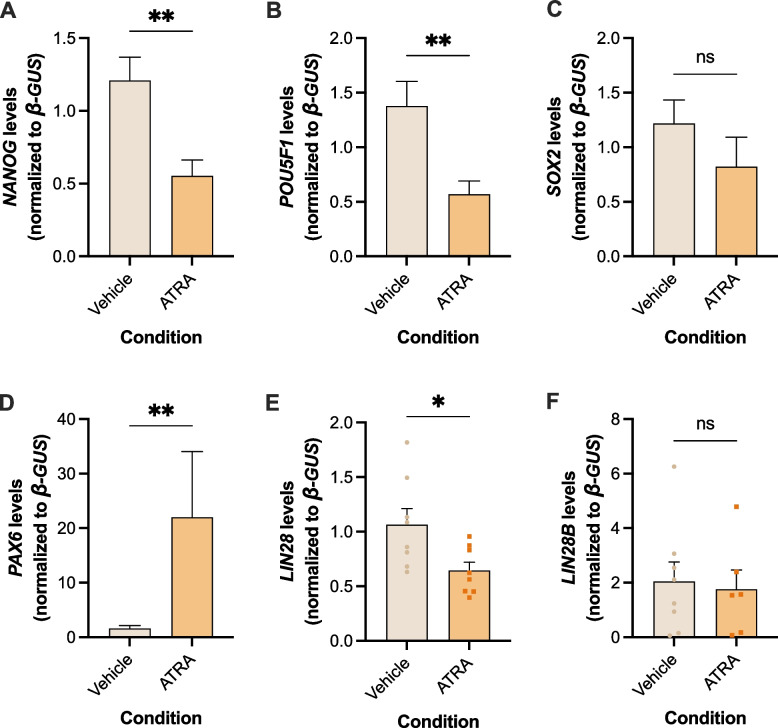
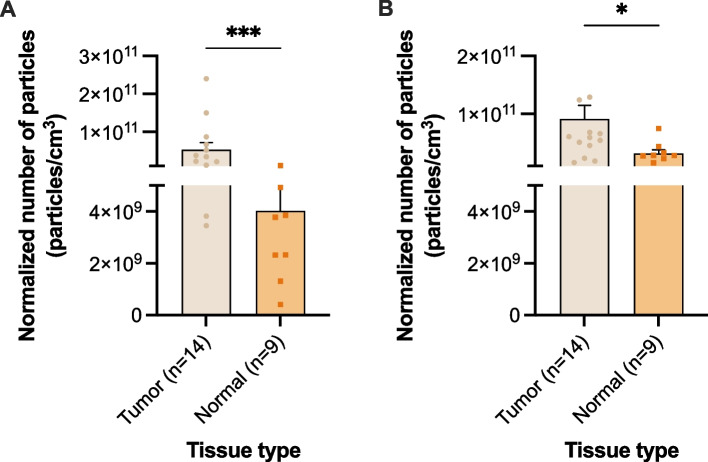
Testicular germ cell tumors (TGCTs) represent the most common type of cancer in young adults. The cluster of microRNAs 371-373 is highly upregulated in TGCTs, and detection of miR-371a-3p specifically is currently being developed for clinical implementation as a sensitive and specific biomarker for TGCT, except for teratoma. Extracellular vesicles (EVs) are nano-sized particles used for cell communication, being increasingly regarded as potential sources of cancer biomarkers. Thus, the aim of this study was to characterize EVs from a wide range of TGCT samples, including cell lines, tissue explants and matched plasma samples from patients and healthy donors, and then use these samples to assess microRNA expression (miR-371-373 cluster and let-7e). TGCT-derived EVs were successfully isolated and characterized according to MISEV guidelines. TGCT cell lines showed different levels of EV-derived miR-371-373 cluster and let-7e. Upon differentiation of NT2 cells with ATRA, both cellular and EV-derived miR-371-373 cluster were downregulated, whereas let-7e was upregulated. TGCT patient samples presented high levels of EV-derived miR-371-373, except for the teratoma samples. We conclude that a significant portion of the circulating miR-371-373 cluster used as a TGCT biomarker in the clinic is secreted into EVs, and that this cluster and the let-7 family of microRNAs may be related with TGCT intercellular communication and differentiation.
睾丸生殖细胞肿瘤(TGCTs)是年轻成年人中最常见的癌症类型。微小RNA 371 - 373簇在TGCTs中高度上调,目前正在开发特异性检测miR - 371a - 3p的方法,以便作为TGCT(除畸胎瘤外)敏感且特异的生物标志物用于临床。细胞外囊泡(EVs)是用于细胞通讯的纳米级颗粒,越来越被视为癌症生物标志物的潜在来源。因此,本研究的目的是对来自广泛TGCT样本(包括细胞系、组织外植体以及患者和健康供体的匹配血浆样本)的EVs进行表征,然后使用这些样本评估微小RNA表达(miR - 371 - 373簇和let - 7e)。根据MISEV指南成功分离并表征了TGCT衍生的EVs。TGCT细胞系显示出不同水平的EV衍生的miR - 371 - 373簇和let - 7e。用全反式维甲酸(ATRA)诱导NT2细胞分化后,细胞和EV衍生的miR - 371 - 373簇均下调,而let - 7e上调。除畸胎瘤样本外,TGCT患者样本呈现高水平的EV衍生的miR - 371 - 3