Xu Pan, Li Jinghui, Chen Cuiting, Chen Jing, Yang Meiping, Deng Huimin, Jiang Xuechun, Lou Kelang, Wu Xiaojun, Chen Rubing, Hu Yijuan, Liang Weiqing, Pu Jinbao
Zhejiang Academy of Traditional Chinese Medicine, 132 Tianmushan Road, Hangzhou, 310007, People's Republic of China.
Zhejiang Engineering Research Center for Quality Assessmentand, Development of Dao-Di Herbs , 132 Tianmushan Road, Hangzhou, 310007, People's Republic of China.
BMC Genomics. 2025 Jun 4;26(1):561. doi: 10.1186/s12864-025-11750-3.
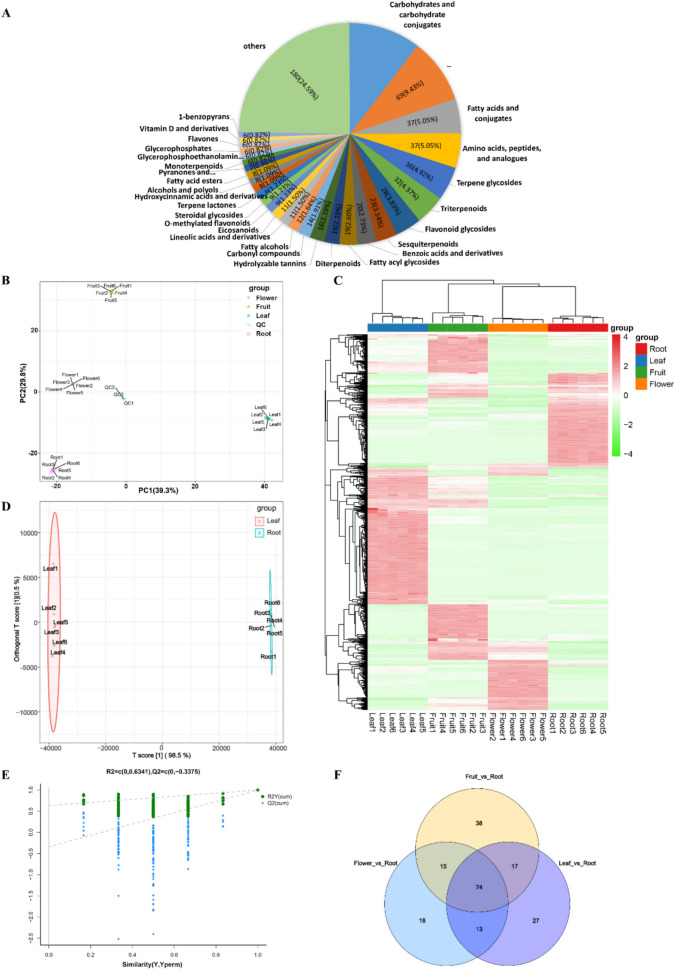
Paeonia lactiflora Pall. (PL) is widely recognized for its ornamental, edible, and medicinal properties. Its principle bioactive constituents include monoterpene glycosides (MGs), gallaglycosides (GGs), and flavonoids. However, the metabolic and molecular basis underlying their biosynthesis in PL remain poorly understood. In this study, an integrated non-targeted metabolomics and transcriptomics approach was employed to investigate the metabolic profiles and gene expression patterns in four distinct PL tissues.
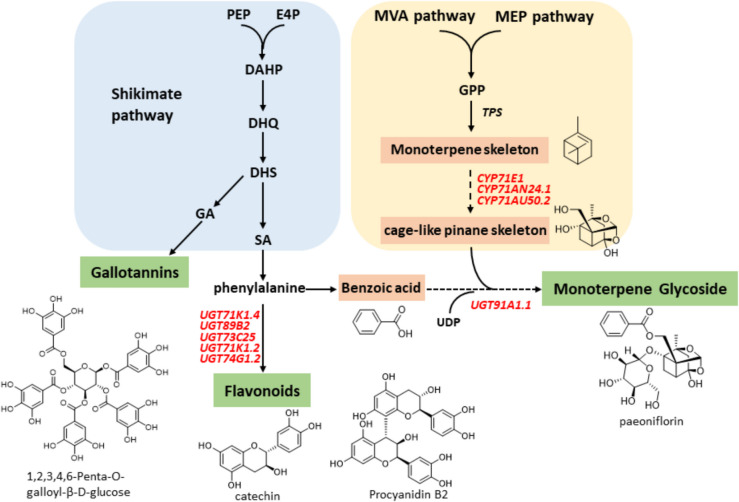
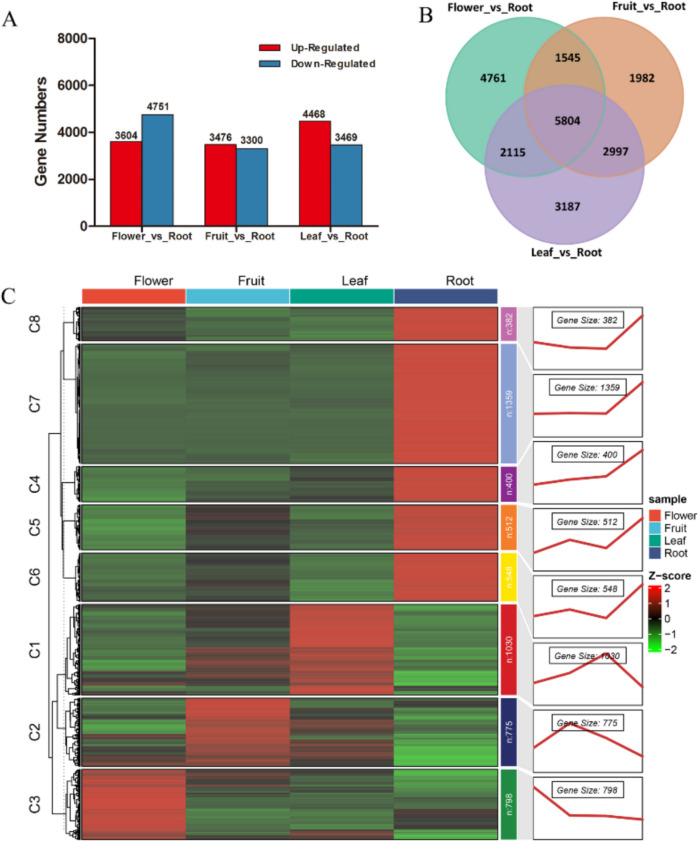
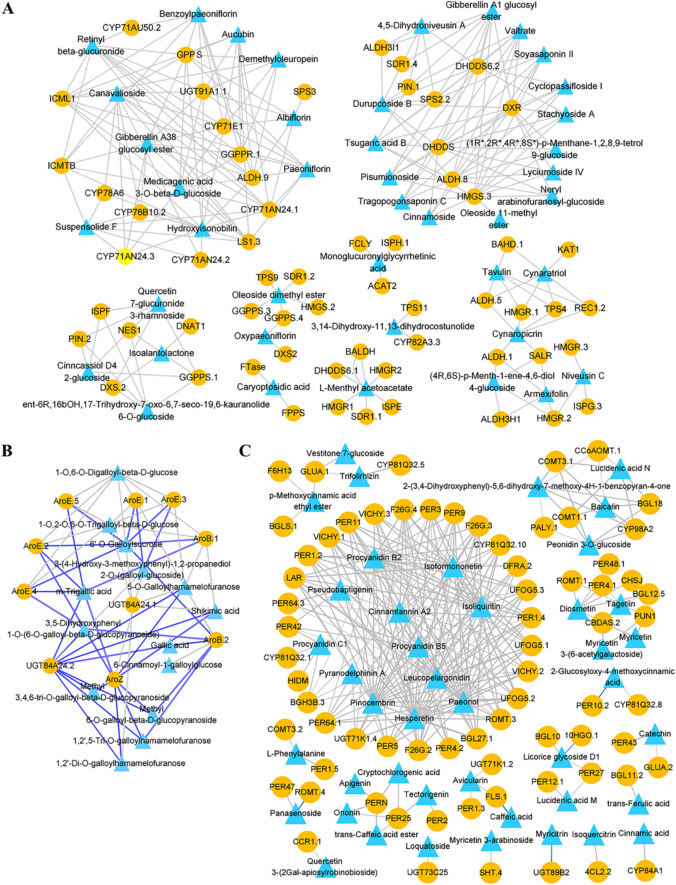
Metabolomic and transcriptome profiling revealed tissue-specific patterns of metabolite accumulation and gene expression. KEGG enrichment analysis of differentially expressed metabolites (DEMs) showed that secondary metabolites biosynthesis and transport processes play vital roles in the tissue-specific accumulation of bioactive constituents. A total of 19 DEMs and 90 differentially expressed genes (DEGs) associated with MGs, 10 DEMs and 14 DEGs associated with GGs, and 205 DEMs and 67 DEGs associated with flavonoids were identified. Roots, the primary medicinal tissue, exhibited substantial accumulation of eight MGs, two GGs, and 18 flavonoids, as well as elevated expression levels of 16, two and nine structural genes, respectively. Nine CYP450 s and two UGTs associated with MGs, and 14 UGTs associated with flavonoids, were identified as new candidate genes through phylogenetic and expression analyses. CYP71E1, CYP71 AN24.1, CYP71 AU50.2, and UGT91 A1.1 for MGs biosynthesis, and UGT71 K1.4, UGT89B2, UGT73 C25, and UGT71 K1.2 for flavonoids biosynthesis were prioritized through correlation analysis. WGCNA revealed that turquoise, green, and blue modules were significantly correlated with MGs and flavonoids biosynthesis, identifying 24 hub genes for MGs and 18 for flavonoids. The overlap of phylogenetic, expression, correlation and WGCNA analyses identified CYP71 AN24.1 and UGT91 A1.1 as putative MGs biosynthetic genes, and UGT89B2 as a flavonoid-related gene. Protein structure prediction and similarity analysis further supported their functional conservation with known terpenoid-modifying enzymes and flavonoid-specific glycosyltransferases, respectively.
These findings identified CYP71 AN24.1, UGT91 A1.1, and UGT89B2 as novel genes involved in MGs and flavonoids biosynthesis. The study provides a valuable theoretical foundation for future metabolic engineering aimed at optimizing the biosynthetic pathways of these primary active constituents in PL.
芍药(Paeonia lactiflora Pall.,PL)因其观赏、食用和药用价值而广为人知。其主要生物活性成分包括单萜苷(MGs)、没食子酰苷(GGs)和黄酮类化合物。然而,芍药中这些成分生物合成的代谢和分子基础仍知之甚少。在本研究中,采用综合非靶向代谢组学和转录组学方法,研究了芍药四个不同组织中的代谢谱和基因表达模式。
代谢组学和转录组分析揭示了代谢物积累和基因表达的组织特异性模式。对差异表达代谢物(DEMs)的KEGG富集分析表明,次生代谢物生物合成和转运过程在生物活性成分的组织特异性积累中起着至关重要的作用。共鉴定出19种与MGs相关的DEMs和90个差异表达基因(DEGs)、10种与GGs相关的DEMs和14个DEGs,以及205种与黄酮类化合物相关的DEMs和67个DEGs。根作为主要药用组织,积累了8种MGs、2种GGs和18种黄酮类化合物,同时分别有16个、2个和9个结构基因的表达水平升高。通过系统发育和表达分析,鉴定出9个与MGs相关的CYP450和2个UGT,以及14个与黄酮类化合物相关的UGT作为新的候选基因。通过相关性分析,确定了参与MGs生物合成的CYP71E1、CYP71AN24.1、CYP71AU50.2和UGT91A1.1,以及参与黄酮类化合物生物合成的UGT71K1.4、UGT89B2、UGT73C2(5)和UGT7(1)K1.2。加权基因共表达网络分析(WGCNA)表明,绿松石色、绿色和蓝色模块与MGs和黄酮类化合物的生物合成显著相关,分别鉴定出24个MGs的枢纽基因和1(8)个黄酮类化合物的枢纽基因。系统发育、表达、相关性分析和WGCNA分析的重叠结果确定CYP71AN24.1和UGT91A1.1为假定的MGs生物合成基因,UGT89B2为黄酮类化合物相关基因。蛋白质结构预测和相似性分析进一步分别支持了它们与已知萜类修饰酶和黄酮类特异性糖基转移酶的功能保守性。
这些发现确定CYP71AN24.1、UGT91A1.1和UGT89B2为参与MGs和黄酮类化合物生物合成的新基因。该研究为未来旨在优化芍药中这些主要活性成分生物合成途径的代谢工程提供了有价值的理论基础。