Gebremariam Abrehaley Teklemariam, Abreha Girmatsion Fisseha, Gebre-Egziabher Kinfe Abraha, Weldu Awtachew Berhe
Institute of Population Studies, Mekelle University, Mekelle City, Tigray Region, Ethiopia.
College of Health Sciences, School of Public Health, Mekelle University, Mekelle City, Ethiopia.
BMC Public Health. 2025 Jun 5;25(1):2108. doi: 10.1186/s12889-025-23334-7.
Abortion is the termination of a pregnancy, with safe abortions adhering to World Health Organization standards. Comprehensive abortion care (CAC) includes safe services and post-abortion care, including modern techniques, medications, contraceptive counseling, emotional support, and community connections. Globally, 257 million women lack access to safe contraception, and nearly a quarter face barriers to refusing sex. Systemic pressures on women and girls to become mothers highlight their autonomy and undervaluation. This study aims to evaluate abortion prevalence and factors among married women in rural and urban Tigray, Ethiopia, in 2024. It aims to fill existing gaps and inform policy decisions, particularly in the war-affected region.
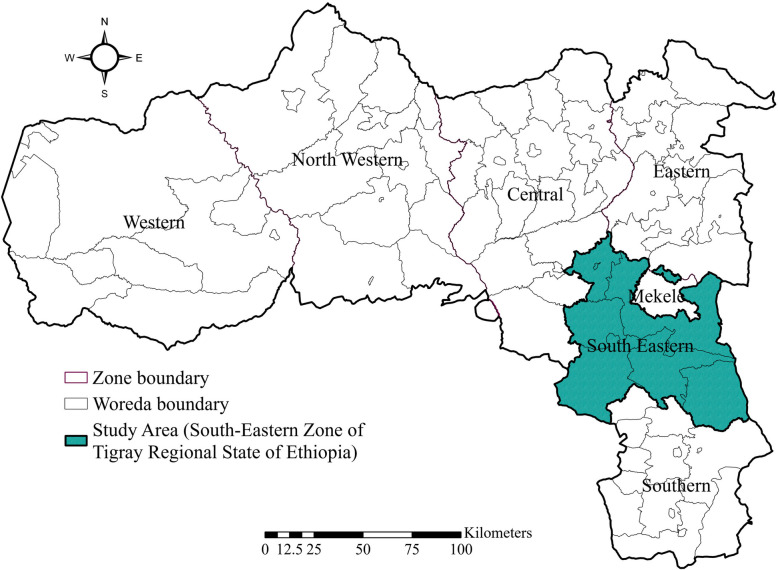
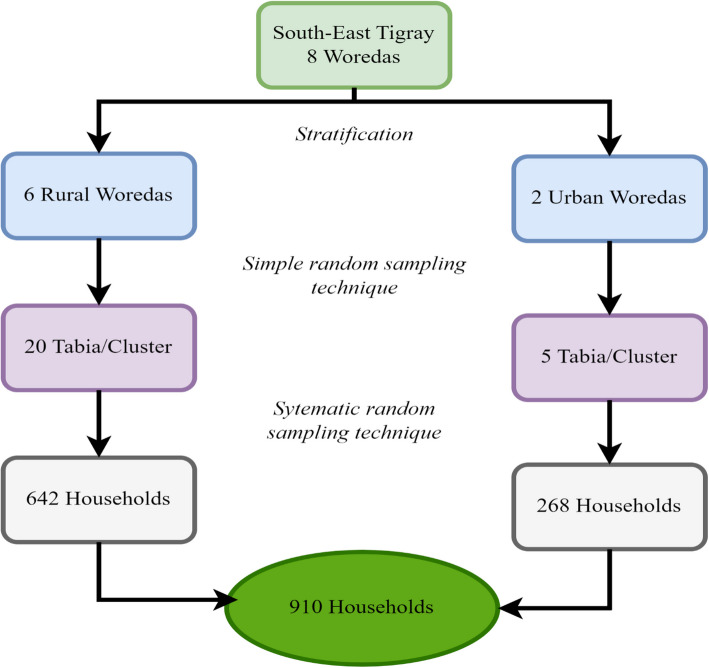
A community based cross-sectional study was conducted in the South Eastern Zone of Tigray, Northern Ethiopia, targeting married reproductive-age women (15-49 years). A multistage sampling technique was used to select 910 participants from 80 tabiyas across the zone. Data were collected through structured questionnaires. Quantitative data were analyzed using STATA version 17, employing descriptive statistics and logistic regression to identify factors associated with abortion. Ethical approval was obtained from Mekelle University IRB, and verbal informed consent was secured from all participants.
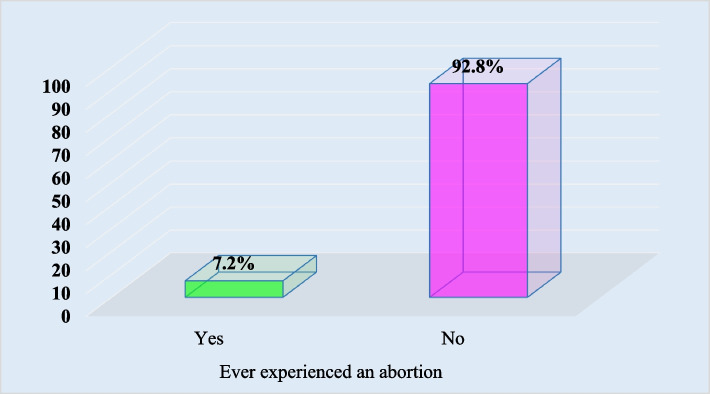
The overall prevalence of abortion among the study participants was 7.2%. The majority of participants were aged 30-39 years (41.2%), and over half resided in rural areas (57.5%). Most respondents identified as Orthodox Christians (98.8%). Joint decision-making is predominant in family planning, child number, techniques, service accessibility, birth timing, and location, with only 1.8% to 2% of decisions made by the husband. Women aged 20-29 are 4.8 times more likely to have an abortion compared to those aged 15-19, 5.2 times more likely to have an abortion if they experienced an unwanted pregnancy, and 60% less likely to have an abortion using modern family planning methods.
The study found a high prevalence of abortion among married women of reproductive age in postwar South Eastern Tigray. Abortion was more likely among women aged 20-29 and those with unwanted pregnancies, while modern contraceptive use was linked to a lower risk of abortion.
Improving access to modern contraception, family planning education, and reproductive health services is vital, requiring coordinated efforts from government, NGOs, and healthcare providers to ensure sustainable and equitable care.
堕胎是指终止妊娠,安全堕胎需符合世界卫生组织标准。全面堕胎护理(CAC)包括安全服务和堕胎后护理,涵盖现代技术、药物、避孕咨询、情感支持及社区联系。全球有2.57亿女性无法获得安全避孕措施,近四分之一的女性在拒绝性行为方面面临障碍。女性和女孩面临的成为母亲的系统性压力凸显了她们的自主权及价值被低估的情况。本研究旨在评估2024年埃塞俄比亚提格雷农村和城市已婚女性的堕胎率及相关因素。旨在填补现有空白并为政策决策提供信息,尤其是在受战争影响的地区。
在埃塞俄比亚北部提格雷东南部地区开展了一项基于社区的横断面研究,目标人群为已婚育龄女性(15 - 49岁)。采用多阶段抽样技术从该地区80个塔比耶斯中选取910名参与者。通过结构化问卷收集数据。定量数据使用STATA 17版本进行分析,采用描述性统计和逻辑回归来确定与堕胎相关的因素。获得了梅凯勒大学伦理审查委员会的伦理批准,并征得所有参与者的口头知情同意。
研究参与者中堕胎的总体发生率为7.2%。大多数参与者年龄在30 - 39岁之间(41.2%),超过一半居住在农村地区(57.5%)。大多数受访者为东正教基督徒(98.8%)。在计划生育、子女数量、技术、服务可及性、生育时间和地点等方面,共同决策占主导,丈夫做出的决策仅占1.8%至2%。20 - 29岁的女性堕胎的可能性是15 - 19岁女性的4.8倍,如果经历意外怀孕,堕胎的可能性是其5.2倍,而使用现代计划生育方法堕胎的可能性则低60%。
研究发现战后提格雷东南部已婚育龄女性的堕胎率较高。20 - 29岁的女性以及意外怀孕的女性堕胎的可能性更大,而使用现代避孕方法与较低的堕胎风险相关。
改善现代避孕措施的可及性、计划生育教育和生殖健康服务至关重要,需要政府、非政府组织和医疗服务提供者共同努力,以确保可持续和公平的护理。