Rahmati Masoud, Udeh Raphael, Kang Jiseung, Dolja-Gore Xenia, McEvoy Mark, Kazemi Abdolreza, Soysal Pinar, Smith Lee, Kenna Tony, Fond Guillaume, Boussat Bastien, Nguyen Duy Cao, Do Huyen, Tran Bach X, Veronese Nicola, Yon Dong Keon, Boyer Laurent
CEReSS-Health Service Research and Quality of Life Center, Assistance Publique-Hopitaux de Marseille, Aix-Marseille University, Marseille, France.
Department of Physical Education and Sport Sciences, Faculty of Literature and Humanities, Vali-E-Asr University of Rafsanjan, Rafsanjan, Iran.
J Med Virol. 2025 Jun;97(6):e70429. doi: 10.1002/jmv.70429.
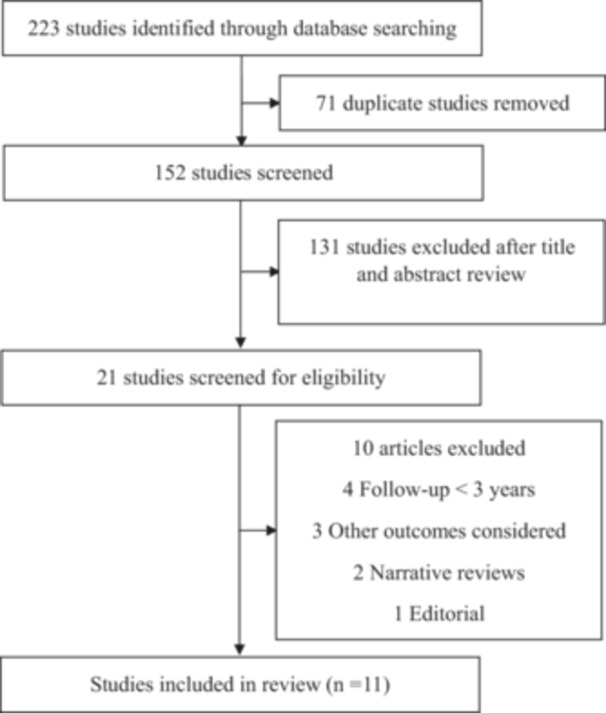
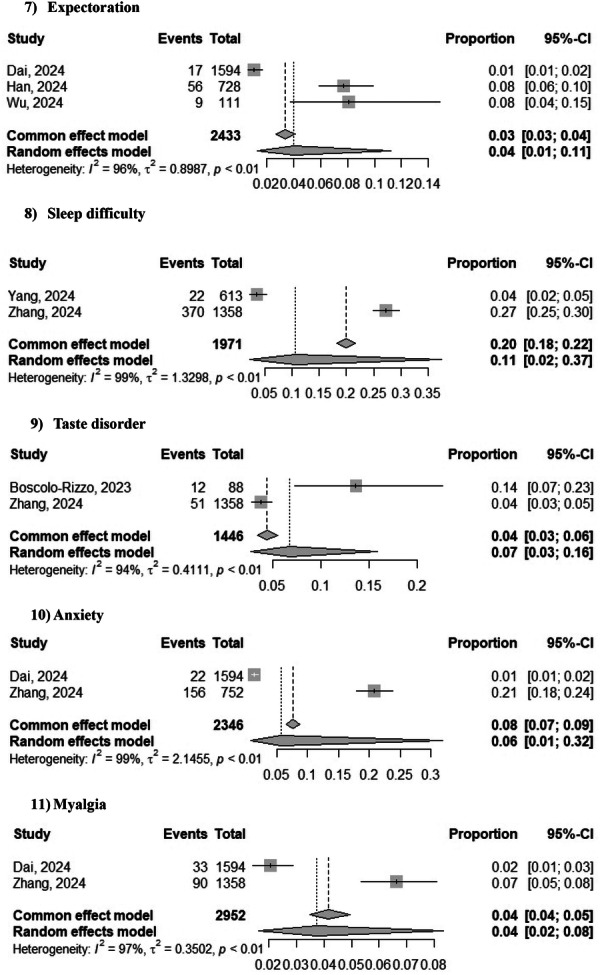
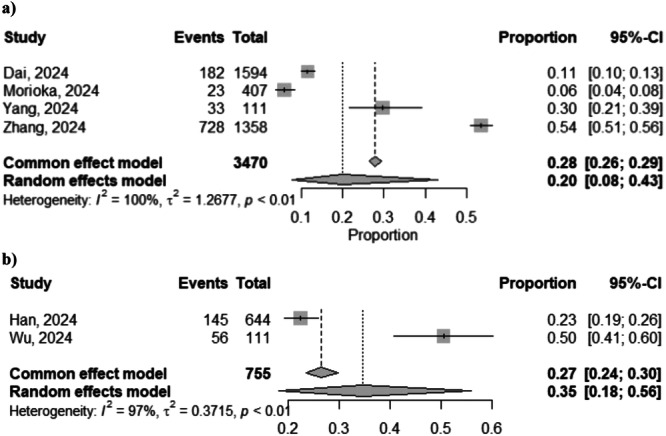
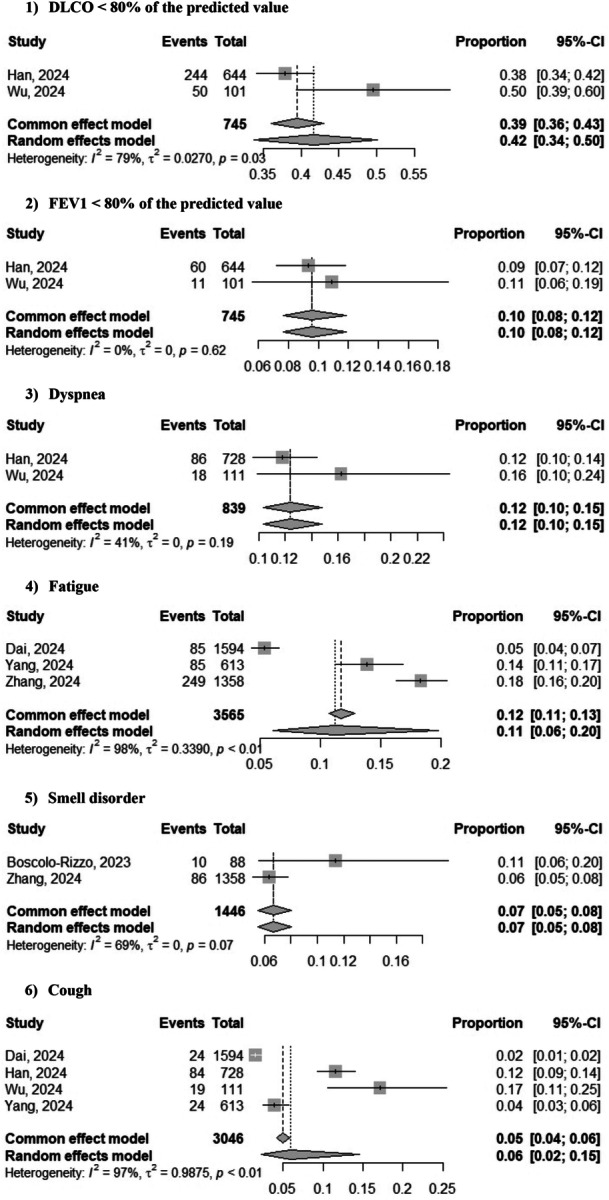
The symptoms of long COVID are well-documented. However, the long-term effects beyond 2 years remain poorly understood due to a lack of data. This systematic review and meta-analysis examined the prevalence of persistent symptoms in COVID-19 survivors 3 years following initial SARS-CoV-2 infection. PubMed, MEDLINE (Ovid), CENTRAL, Web of Science, Scopus, and Embase were searched from inception of the databases up to July 20, 2024, by two independent researchers for articles reporting on the prevalence of persistent symptoms 3 years' post-infection of people who survived COVID-19 infection. We employed a random-effect model for the pooled analysis, and the meta-analytical effect size was prevalence for the applicable end-points, I statistics, and quality assessment of included studies using the Newcastle-Ottawa Scale. Eleven articles were included after the literature search yielded 223 potentially relevant articles. We found that among patients with long COVID, fatigue, sleep disturbances, and dyspnea were the most common symptoms. Pooled analysis showed that the proportion of individuals experiencing at least one persistent symptom 3 years post-COVID-19 is 20% (95% confidence interval [CI]: 8-43). The prevalence of persistent symptoms was dyspnea (12%; 95% CI: 10-15), fatigue (11%; 95% CI: 6-20), insomnia (11%; 95% CI: 2-37), loss of smell (7%; 95% CI: 5-8), loss of taste (7%; 95% CI: 3-16), and anxiety (6%; 95% CI: 1-32). Prevalence of other findings include impaired diffusion capacity (42%; 95% CI: 34-50) and impaired forced expiratory volume in 1 s (10%; 95% CI: 8-12). Our findings confirm the persistence of unresolved symptoms 3 years post-COVID-19 infection, with implications for future research, healthcare policy, and patient care.
新冠长期症状已有充分记录。然而,由于缺乏数据,超过2年的长期影响仍知之甚少。本系统评价和荟萃分析研究了初次感染严重急性呼吸综合征冠状病毒2(SARS-CoV-2)3年后新冠病毒感染者持续症状的患病率。两名独立研究人员从数据库建立至2024年7月20日,在PubMed、MEDLINE(Ovid)、CENTRAL、科学网、Scopus和Embase中检索了关于新冠病毒感染者感染3年后持续症状患病率的报道文章。我们采用随机效应模型进行汇总分析,荟萃分析效应大小为适用终点的患病率、I统计量,并使用纽卡斯尔-渥太华量表对纳入研究进行质量评估。文献检索得到223篇潜在相关文章后,纳入了11篇文章。我们发现,在新冠长期症状患者中,疲劳、睡眠障碍和呼吸困难是最常见的症状。汇总分析显示,新冠病毒感染3年后至少出现一种持续症状的个体比例为20%(95%置信区间[CI]:8-43)。持续症状的患病率为呼吸困难(12%;95%CI:10-15)、疲劳(11%;95%CI:6-20)、失眠(11%;95%CI:2-37)、嗅觉丧失(7%;95%CI:5-8)、味觉丧失(7%;95%CI:3-16)和焦虑(6%;95%CI:1-32)。其他研究结果的患病率包括弥散功能受损(42%;95%CI:34-50)和1秒用力呼气容积受损(10%;95%CI:8-12)。我们的研究结果证实了新冠病毒感染3年后未解决症状的持续性,对未来研究、医疗政策和患者护理具有重要意义。