Babini Giovanni, Cucino Alberto, Stirparo Giuseppe, Ristagno Giuseppe, Agostoni Carlo, Cvetkovic Mirjana
Department of Anesthesia, Intensive Care and Emergency, Fondazione IRCCS Ca' Granda - Ospedale Maggiore Policlinico, Milan, Italy.
Italian Resuscitation Council Scientific Committee, Bologna, Italy.
Resusc Plus. 2025 May 1;24:100970. doi: 10.1016/j.resplu.2025.100970. eCollection 2025 Jul.
Pediatric post-cardiac arrest care (PCAC) is an evolving science with many uncertainties leading to many variations in practice. This study aimed to investigate the current practice in PCAC care across Italian paediatric intensive care units (PICUs), interviewing a cohort of pediatric intensivists.
An electronic survey with 69 questions was distributed to 54 physicians from 23 PICUs in Italy. The survey covered various domains of PCAC care, including hemodynamics, oxygenation and ventilation, sedation, seizure and temperature control, infection treatment, glycemic control, transfusion practice, neuroprognostication, post-CA recovery and rehabilitation, organisation and local protocols.
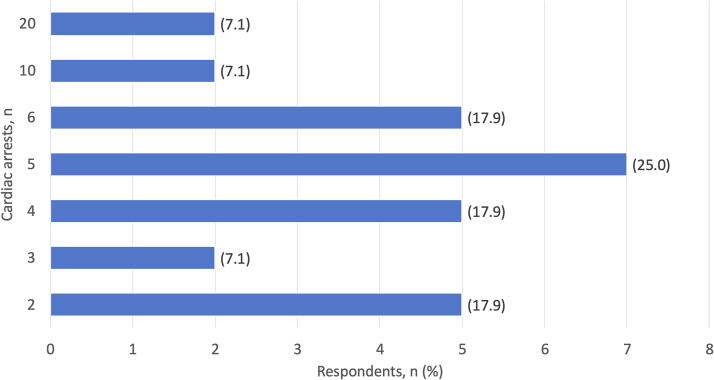
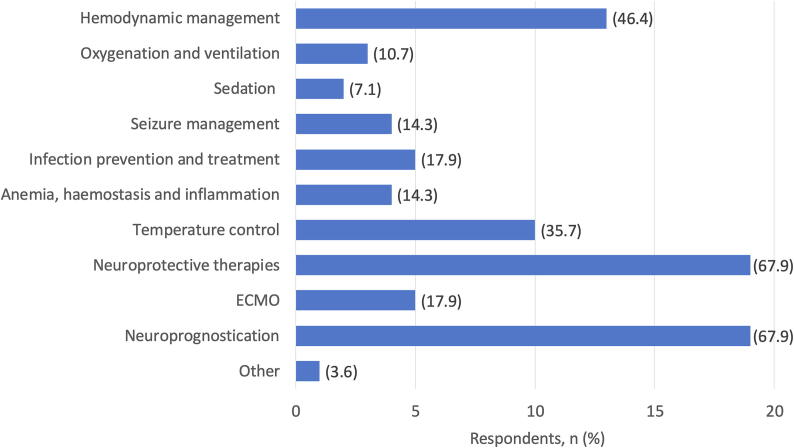
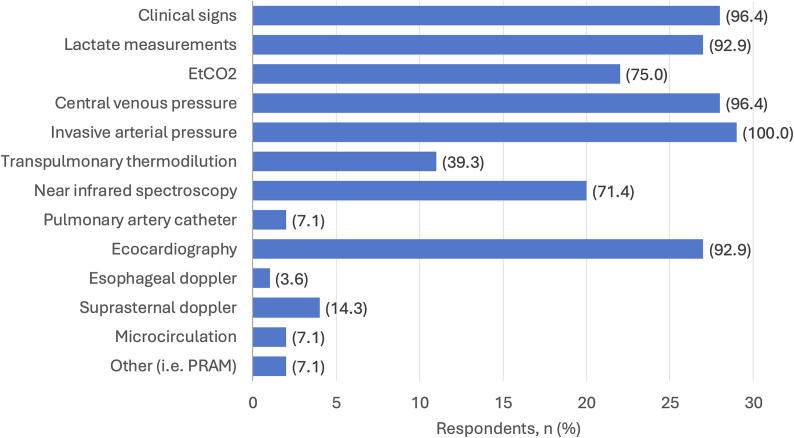
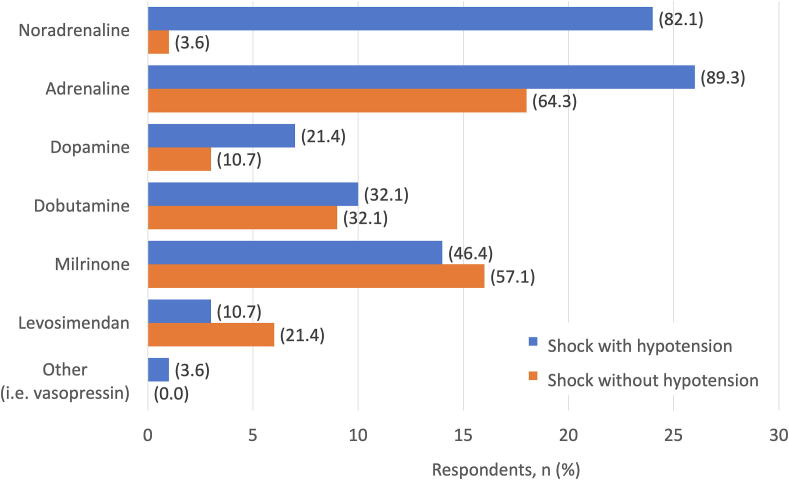
Twenty-eight out of 54 invited physicians (51%) completed the survey, accounting for 82% of the participating PICUs. Up to 80% reported no specific PCAC protocol in their PICU. Half of the respondents suggested specific recommendations for patients of lower ages, particularly infants. Significant variability was observed in hemodynamic monitoring and support; 45% did not have a specific hemodynamic target, while 41% aimed for a systolic arterial pressure above the 50th age-specific percentile. Seventy-one percent lacked a protocol for target temperature management (TTM), with significant variability in practice. Sixty-four percent did not have a scheduled follow-up program for survivors after hospital discharge. A rehabilitation program for survivors and psychological support for patients and their families were available in half of the instances. Neuroprotective strategies, prognostication, and hemodynamic management were the top PCAC research priorities reported.
The study revealed significant variability in PCAC care practices among pediatric intensivists. The majority of surveyed practitioners evidenced the limits of current PCAC evidence, potentially advocating the need for further research. The top three areas recognised as PCAC research priorities include hemodynamic optimisation, neuroprotective therapies and neuroprognostication.
儿童心脏骤停后护理(PCAC)是一门不断发展的科学,存在诸多不确定性,导致实践中存在许多差异。本研究旨在通过对一组儿科重症监护医生进行访谈,调查意大利儿科重症监护病房(PICUs)中PCAC护理的当前实践情况。
向来自意大利23个PICUs的54名医生发放了一份包含69个问题的电子调查问卷。该问卷涵盖了PCAC护理的各个领域,包括血流动力学、氧合与通气、镇静、癫痫与体温控制、感染治疗、血糖控制、输血实践、神经预后评估、心脏骤停后恢复与康复、组织与当地方案。
54名受邀医生中有28名(51%)完成了调查,占参与调查的PICUs的82%。高达80%的受访者表示其所在的PICU没有特定的PCAC方案。一半的受访者针对低龄患者,尤其是婴儿提出了具体建议。在血流动力学监测与支持方面观察到显著差异;45%的受访者没有特定的血流动力学目标,而41%的受访者目标是使收缩压高于特定年龄的第50百分位数。71%的受访者缺乏目标温度管理(TTM)方案,实践中差异显著。64%的受访者没有为出院后的幸存者制定定期随访计划。半数情况下有为幸存者提供康复计划以及为患者及其家属提供心理支持。神经保护策略、预后评估和血流动力学管理是报告的PCAC研究的首要重点。
该研究揭示了儿科重症监护医生在PCAC护理实践中的显著差异。大多数接受调查的从业者证明了当前PCAC证据的局限性,可能主张需要进一步研究。被认为是PCAC研究首要重点的前三个领域包括血流动力学优化、神经保护疗法和神经预后评估。