Rohita Dipesh Kumar, Bhattarai Karun, Adhikari Jigyanshu, Usama Ali, Cheema Anees, Poudel Anubhav, Poudel Prakash, Hinn Phyu Zin, Rabbani Abeera W, Thet Zeyar
Department of Internal Medicine, Wyckoff Heights Medical Center, Brooklyn, New York, USA.
Department of Internal Medicine, B. P. Koirala Institute of Health Sciences, Dharan, Nepal.
Ann Med Surg (Lond). 2025 May 12;87(6):3988-3993. doi: 10.1097/MS9.0000000000003350. eCollection 2025 Jun.
Hemophagocytic lymphohistiocytosis (HLH) is a life-threatening disorder marked by immune system dysregulation, leading to a severe inflammatory response that can affect multiple organs. It can be triggered by infections, and HLH secondary to disseminated histoplasmosis remains poorly understood, with uncertain guidelines on immunosuppressive therapy. Early diagnosis and prompt treatment are critical in preventing fatal outcomes, but challenges in diagnosis complicate this process, particularly in immunocompromised patients.
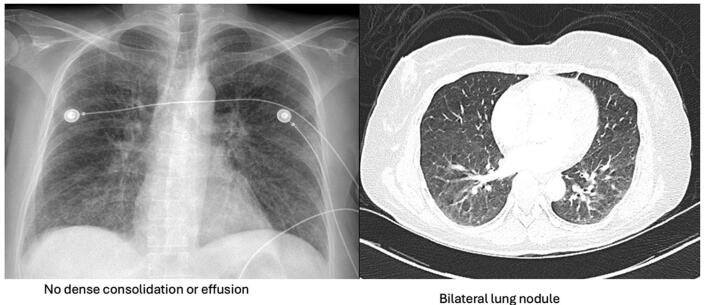
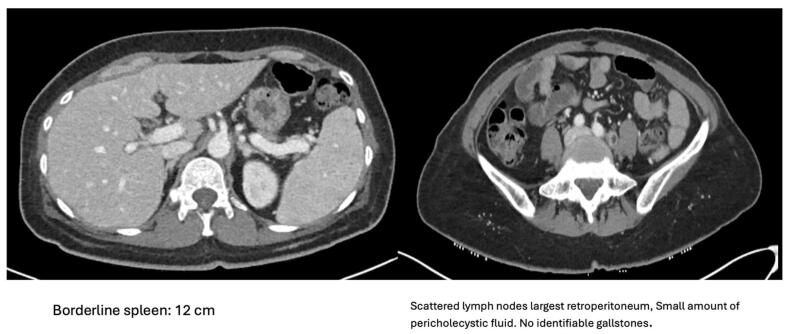
A 51-year-old immunocompromised woman with asthma, gastritis, and anemia presented with fever, malaise, weight loss, and respiratory symptoms. Initial workup revealed pancytopenia, elevated ferritin levels, and an HIV diagnosis with a low CD4 count. Suspecting HLH, she was treated with antiretrovirals, antifungals, and steroids. Her condition worsened, and she developed MRSA sepsis, metabolic acidosis, and multiorgan failure. Histoplasmosis was confirmed, and treatment with liposomal amphotericin B was initiated. Unfortunately, she suffered a cardiac arrest and died on day 11. Postmortem findings confirmed disseminated histoplasmosis-induced HLH.
HLH is a rare but severe immune activation disorder causing systemic inflammation, multi-organ failure, and high mortality. It can be primary (genetic) or secondary. Diagnosis follows HLH-2004 criteria, and treatment includes immunosuppressive therapy and hematopoietic cell transplantation.
This case illustrates the complexities of diagnosing HLH in immunocompromised patients. Delays in obtaining critical lab results and initiating treatment contributed to the patient's rapid deterioration. Early intervention and careful monitoring are crucial in managing such complex cases, where timely diagnosis can significantly impact patient outcomes.
噬血细胞性淋巴组织细胞增生症(HLH)是一种危及生命的疾病,其特征为免疫系统失调,导致可影响多个器官的严重炎症反应。它可由感染引发,而播散性组织胞浆菌病继发的HLH仍了解不足,免疫抑制治疗指南也不明确。早期诊断和及时治疗对于预防致命后果至关重要,但诊断方面的挑战使这一过程复杂化,尤其是在免疫功能低下的患者中。
一名51岁免疫功能低下的女性,患有哮喘、胃炎和贫血,出现发热、乏力、体重减轻及呼吸道症状。初始检查发现全血细胞减少、铁蛋白水平升高,并诊断为HIV且CD4计数低。怀疑为HLH,给予抗逆转录病毒药物、抗真菌药物和类固醇治疗。她的病情恶化,并发耐甲氧西林金黄色葡萄球菌败血症、代谢性酸中毒和多器官功能衰竭。确诊为组织胞浆菌病,开始使用脂质体两性霉素B治疗。不幸的是,她在第11天心脏骤停死亡。尸检结果证实为播散性组织胞浆菌病诱发的HLH。
HLH是一种罕见但严重的免疫激活疾病,可导致全身炎症、多器官功能衰竭和高死亡率。它可以是原发性(遗传性)或继发性的。诊断遵循HLH - 2004标准,治疗包括免疫抑制治疗和造血细胞移植。
本病例说明了免疫功能低下患者诊断HLH的复杂性。获取关键实验室结果和开始治疗的延迟导致了患者的迅速恶化。在管理此类复杂病例时,早期干预和仔细监测至关重要,及时诊断可显著影响患者预后。