Shemtov Sarah J, McGann Eric, Carrillo Lucy, Lee Sangmin, Anson Herbert, Chung Claire S, Anagnostou Maria-Eleni, Lai Guan-Ju D, Verheijen Bert M, Wan Junxiang, Vorobyova Ivetta, Sanchez-Contreras Monica, Conover Cheryl A, Thorwald Max A, Cohen Pinchas, Kennedy Scott R, Gout Jean-François, Haroon Suraiya, Vermulst Marc
Leonard Davis School of Gerontology, University of Southern California, Los Angeles, CA, USA.
Department of Neurobiology and Behavior, Stony Brook University, Stony Brook, NY, USA.
bioRxiv. 2025 Jun 6:2025.06.03.656903. doi: 10.1101/2025.06.03.656903.
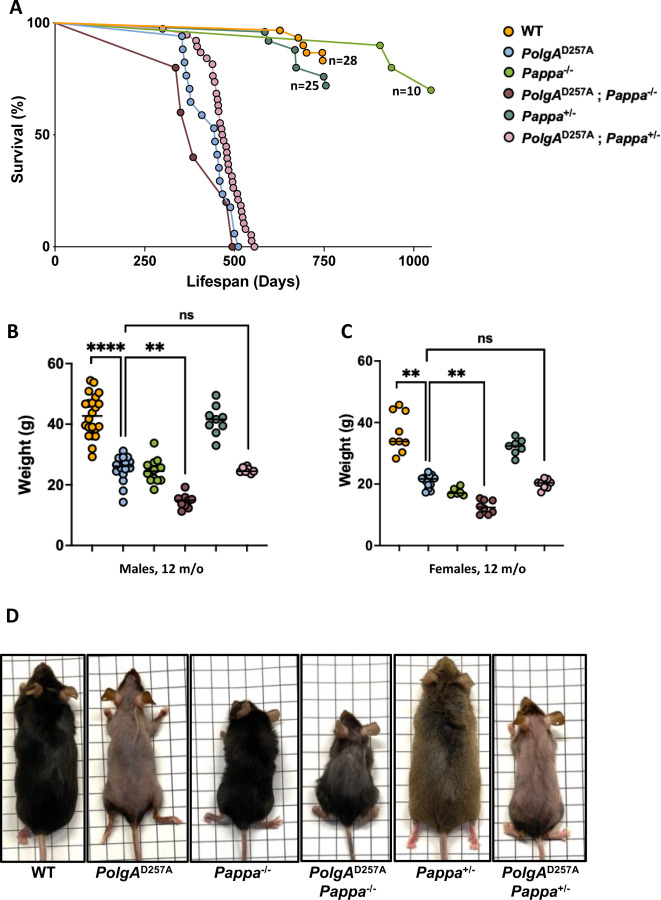
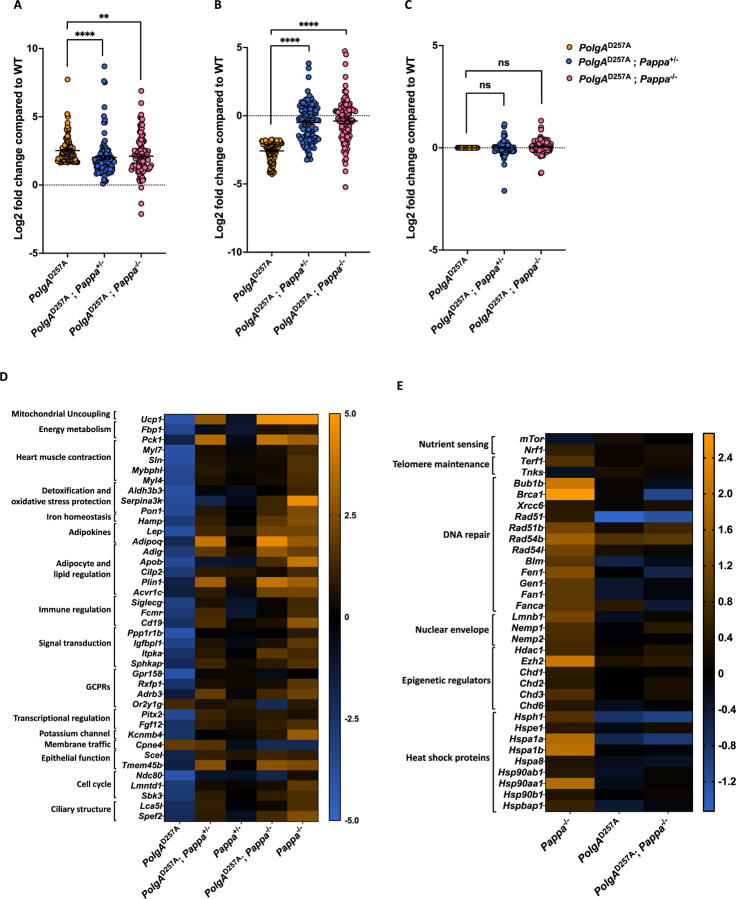
Suppression of insulin-like growth factor-1 (IGF-1) signaling extends mammalian lifespan and protects against a range of age-related diseases. Surprisingly though, we found that reduced IGF-1 signaling fails to extend the lifespan of mitochondrial mutator mice. Accordingly, most of the longevity pathways that are normally initiated by IGF-1 suppression were either blocked or blunted in the mutator mice. These observations suggest that the pro-longevity effects of IGF-1 suppression critically depend on the integrity of the mitochondrial genome and that mitochondrial mutations may impose a hard limit on mammalian lifespan. Together, these findings deepen our understanding of the interactions between the hallmarks of aging and underscore the need for interventions that preserve the integrity of the mitochondrial genome.
胰岛素样生长因子-1(IGF-1)信号通路的抑制可延长哺乳动物的寿命,并预防一系列与年龄相关的疾病。然而,令人惊讶的是,我们发现IGF-1信号通路的减弱并不能延长线粒体突变小鼠的寿命。相应地,大多数通常由IGF-1抑制引发的长寿途径在突变小鼠中要么被阻断,要么被削弱。这些观察结果表明,IGF-1抑制的长寿效应关键取决于线粒体基因组的完整性,并且线粒体突变可能对哺乳动物的寿命施加了严格限制。总之,这些发现加深了我们对衰老特征之间相互作用的理解,并强调了采取干预措施来维护线粒体基因组完整性的必要性。