Wu Sixuan, Pan Junfan, Zeng Lijun, Pan Qihong, Yu Yao, Lin Jincan, Zhang Jing, Jiang Yiling
Department of Oncology, The First Affiliated Hospital, Hengyang Medical School, University of South China, Hengyang, Hunan, China.
Clinical Oncology School of Fujian Medical University, Fujian Cancer Hospital, Fuzhou, China.
Front Immunol. 2025 May 29;16:1585505. doi: 10.3389/fimmu.2025.1585505. eCollection 2025.
Lung adenocarcinoma (LUAD) is a common and aggressive subtype of lung cancer associated with poor clinical outcomes. The role of mitochondrial dynamics (MD)-related genes in tumor progression and immune regulation remains poorly understood.
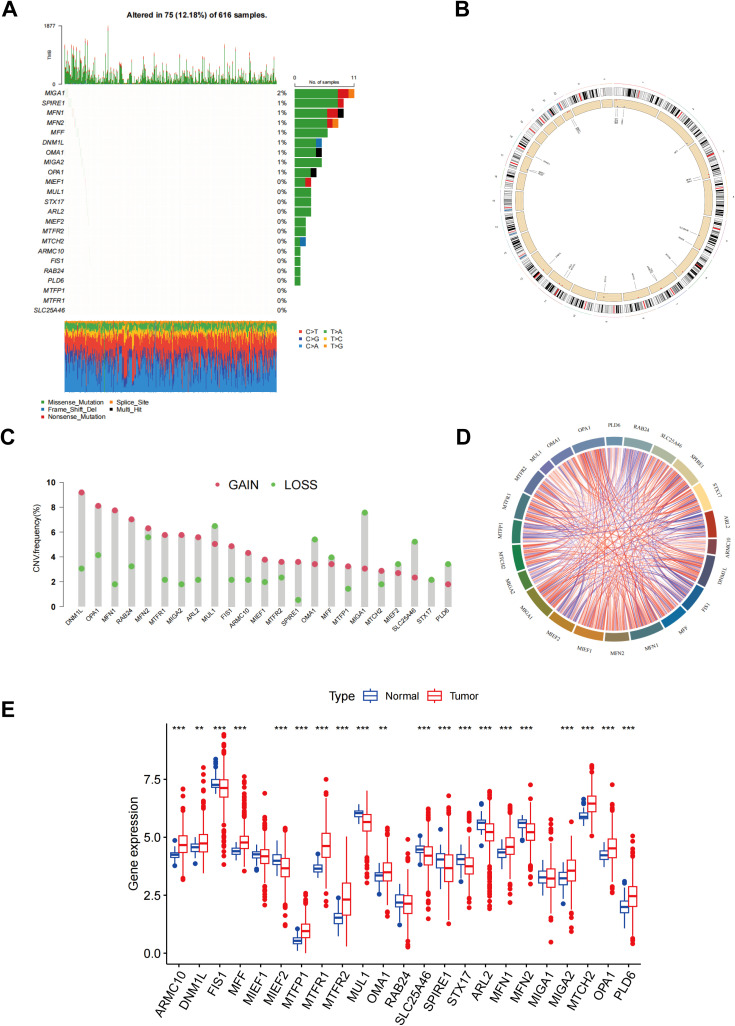
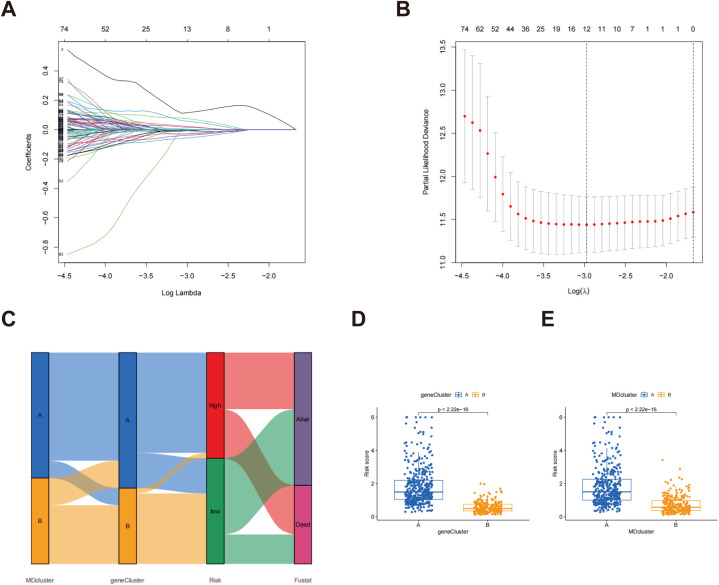
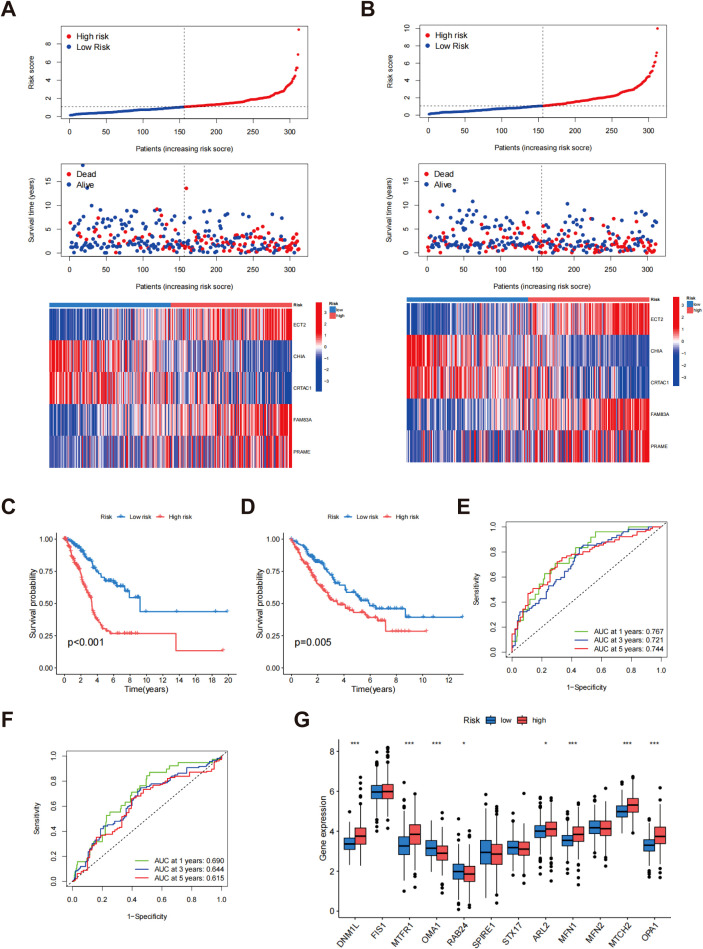
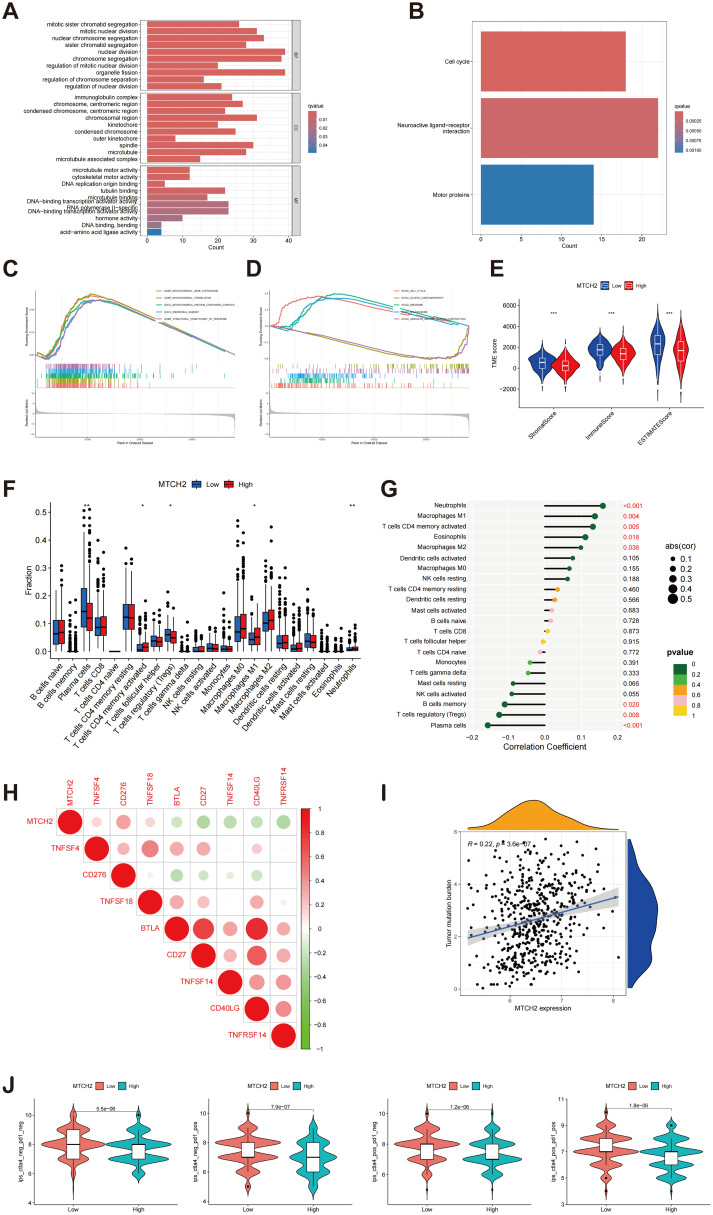
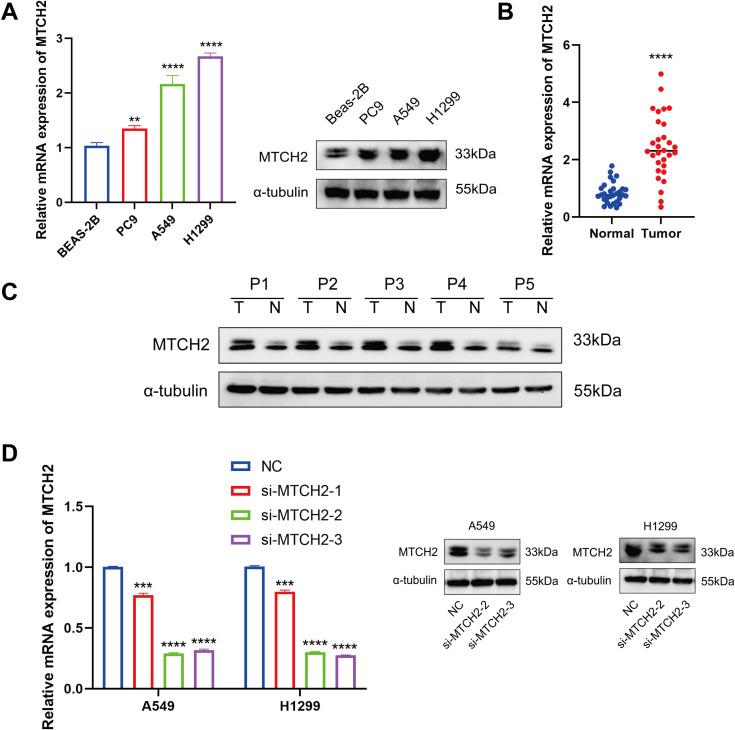
Data from public databases were integrated, and subtypes were classified based on 23 MD-related genes. A five-gene prognostic model was constructed. Associations between the model and immune infiltration, tumor mutational burden (TMB), tumor stemness, and drug sensitivity were analyzed. The function of the key gene MTCH2 was validated through experiments.
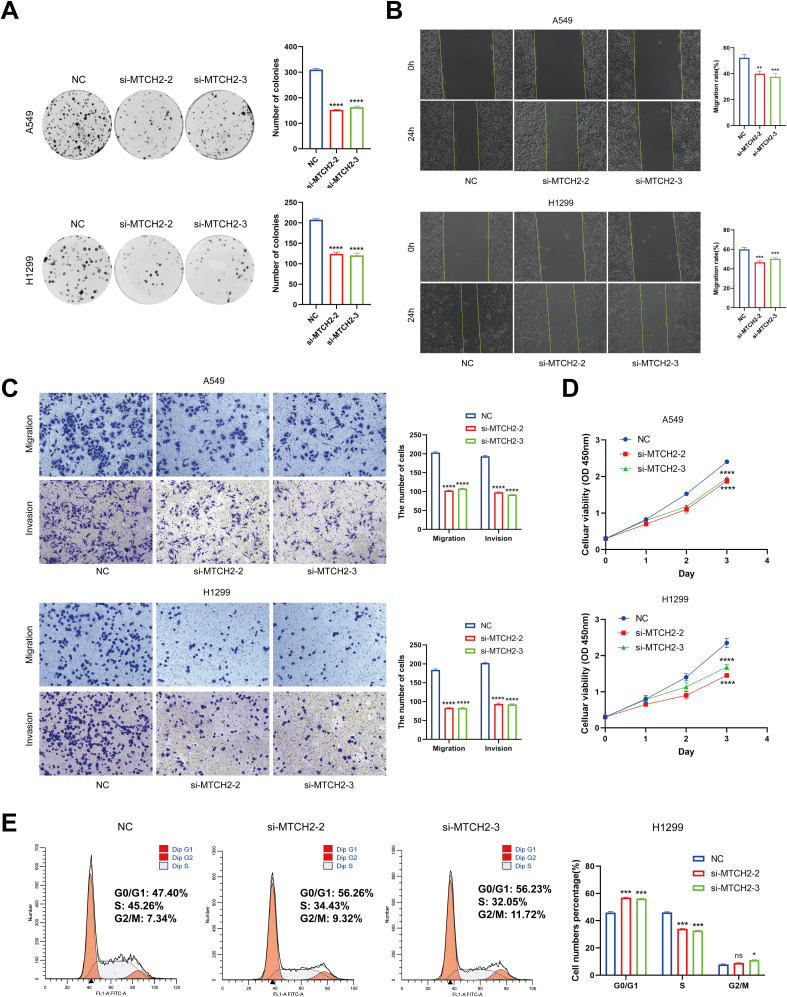
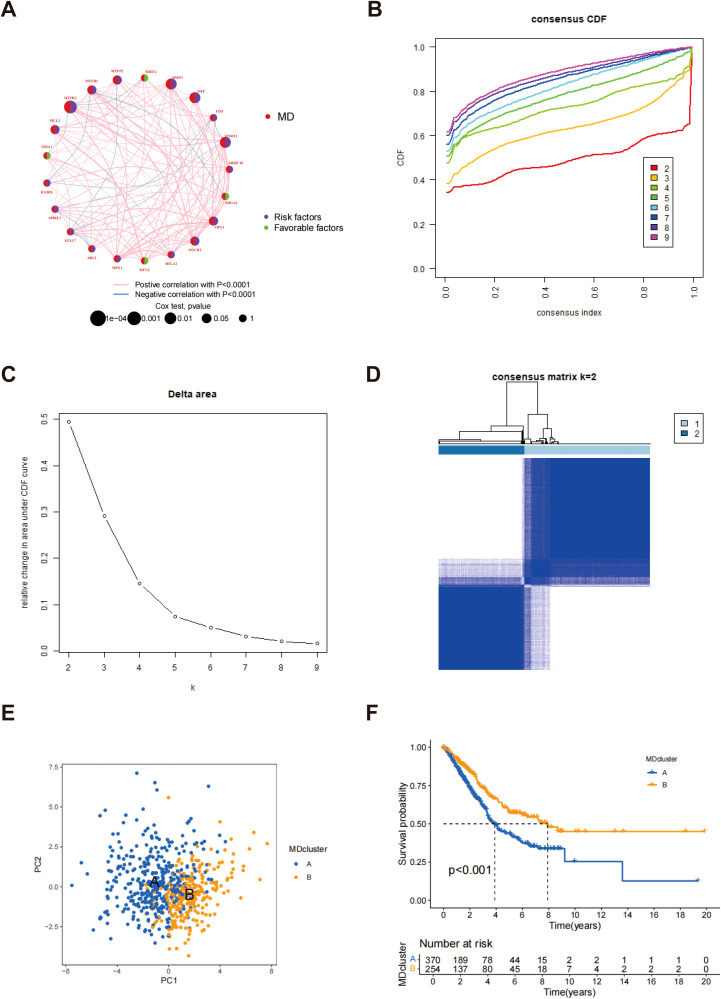
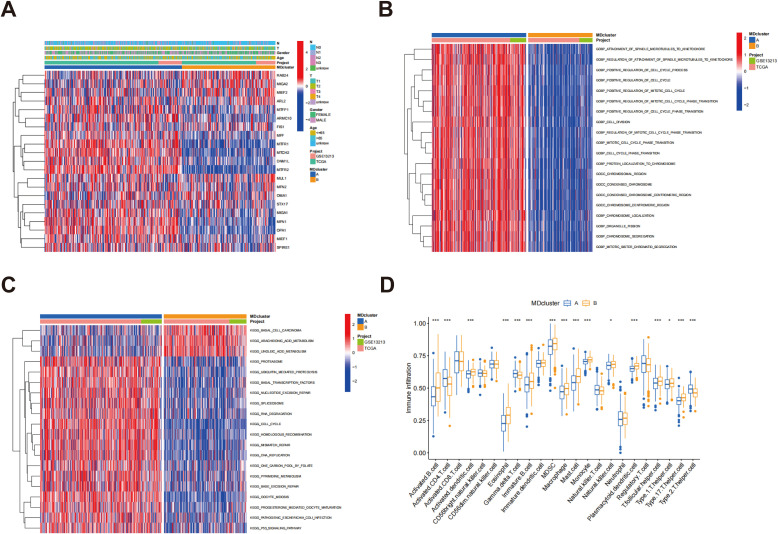
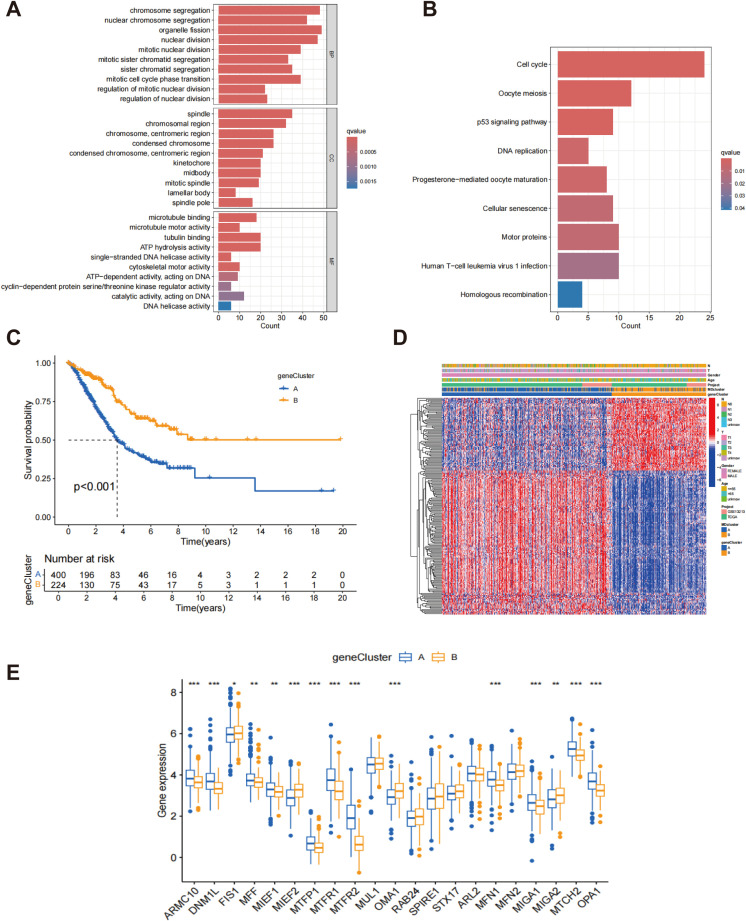
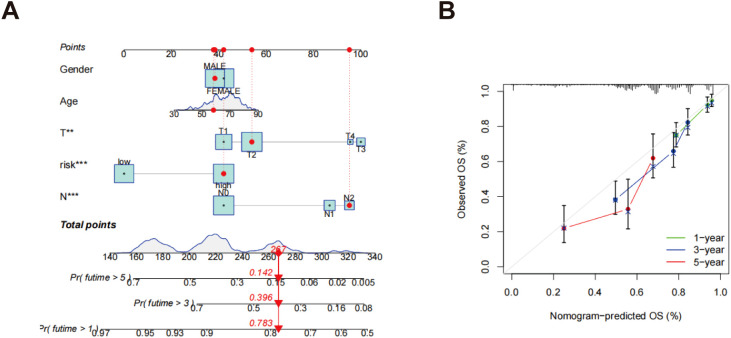
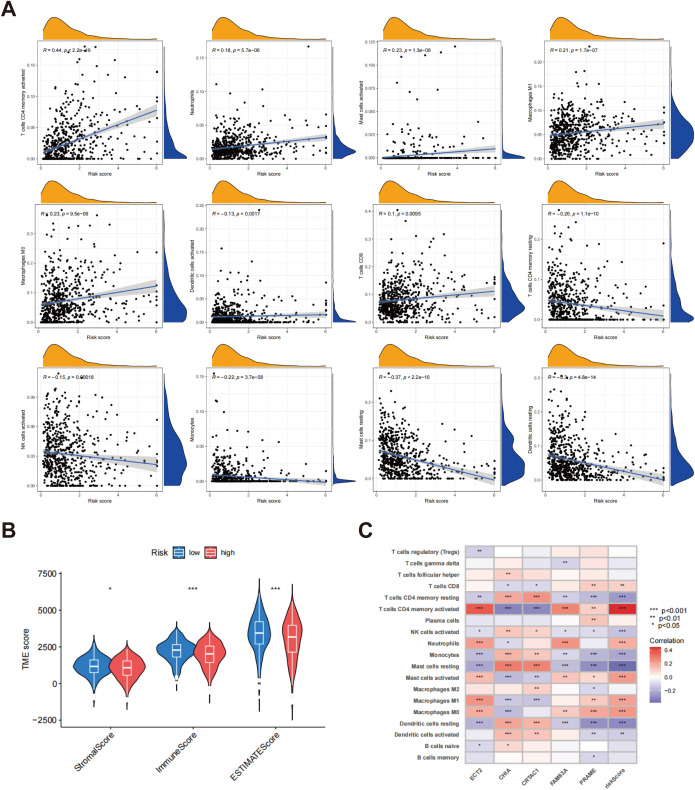
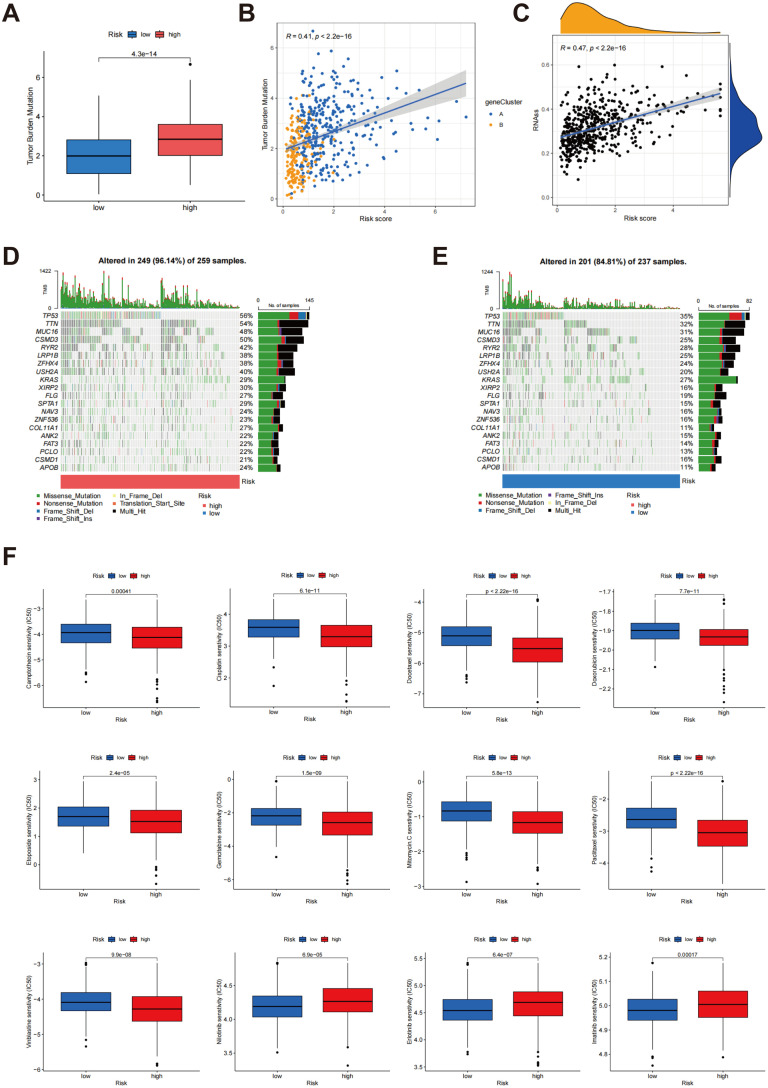
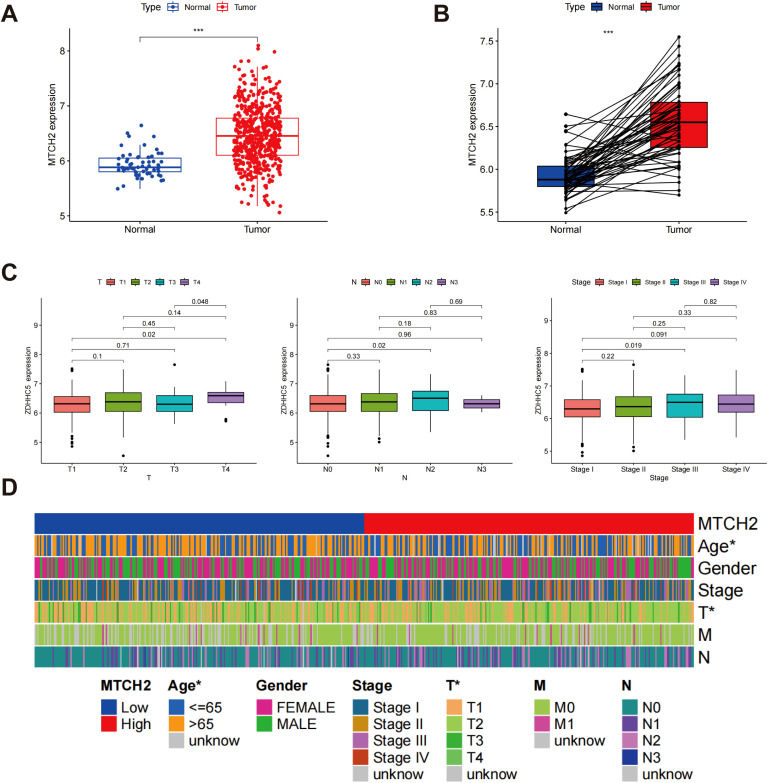
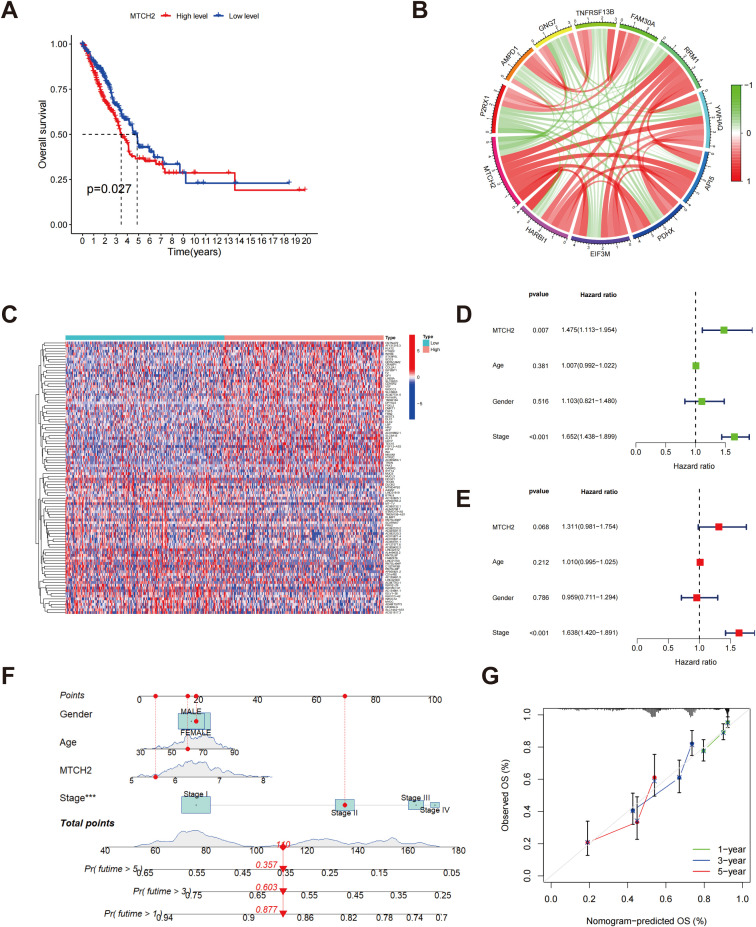
Two distinct MD molecular subtypes were identified, exhibiting significant differences in prognosis and immune characteristics. A corresponding risk score model was established. Patients in the low-risk group showed better prognosis and enhanced immune activity, whereas the high-risk group displayed higher TMB and stemness scores. Drug sensitivity analysis revealed distinct responses to chemotherapeutic agents such as cisplatin and docetaxel between risk groups. Functional assays demonstrated that MTCH2 knockout significantly inhibited LUAD cell proliferation, migration, and invasion, and induced G0/G1 phase arrest, suggesting that MTCH2 may act as a potential adverse prognostic marker.
MD-related genes exhibit strong prognostic and immune subtyping value. The proposed risk model holds clinical potential, and MTCH2 may serve as a promising target for precision therapy in LUAD.
肺腺癌(LUAD)是肺癌中常见且侵袭性强的亚型,临床预后较差。线粒体动力学(MD)相关基因在肿瘤进展和免疫调节中的作用仍知之甚少。
整合来自公共数据库的数据,并根据23个MD相关基因进行亚型分类。构建了一个五基因预后模型。分析了该模型与免疫浸润、肿瘤突变负荷(TMB)、肿瘤干性和药物敏感性之间的关联。通过实验验证了关键基因MTCH2的功能。
鉴定出两种不同的MD分子亚型,在预后和免疫特征方面表现出显著差异。建立了相应的风险评分模型。低风险组患者预后较好,免疫活性增强,而高风险组TMB和干性评分较高。药物敏感性分析显示,风险组之间对顺铂和多西他赛等化疗药物有不同反应。功能试验表明,MTCH2基因敲除显著抑制LUAD细胞增殖、迁移和侵袭,并诱导G0/G1期阻滞,提示MTCH2可能作为潜在的不良预后标志物。
MD相关基因具有很强的预后和免疫亚型分类价值。所提出的风险模型具有临床应用潜力,MTCH2可能成为LUAD精准治疗的有前景的靶点。