Zhang Liang, Zheng Han, Fu Yan, Li Wenbo, Lang Jianlong, Wang Yi, Ren Weibin
Department of Orthopedics, The Second Hospital of Tianjin Medical University, Tianjin, China.
Department of Radiology The Second Hospital of Tianjin Medical University, Tianjin, China.
Front Pharmacol. 2025 May 30;16:1593118. doi: 10.3389/fphar.2025.1593118. eCollection 2025.
UBE is used to treat most lumbar spine diseases, and it must rely on continuous infusion of saline to maintain a clear field of vision during the operation to ensure the smooth progress of the operation. Among many complications, the incidence of dural tear is the highest. Whether UBE can damage the dura and the effect of intraoperative perfusion pressure changes on respiratory function under different conditions are not clear.
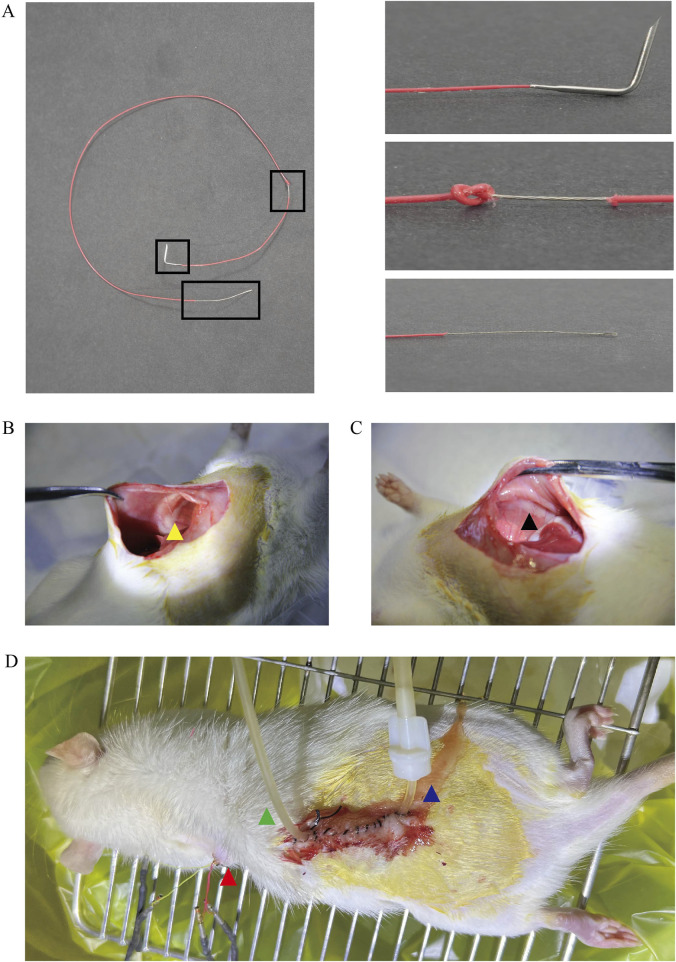
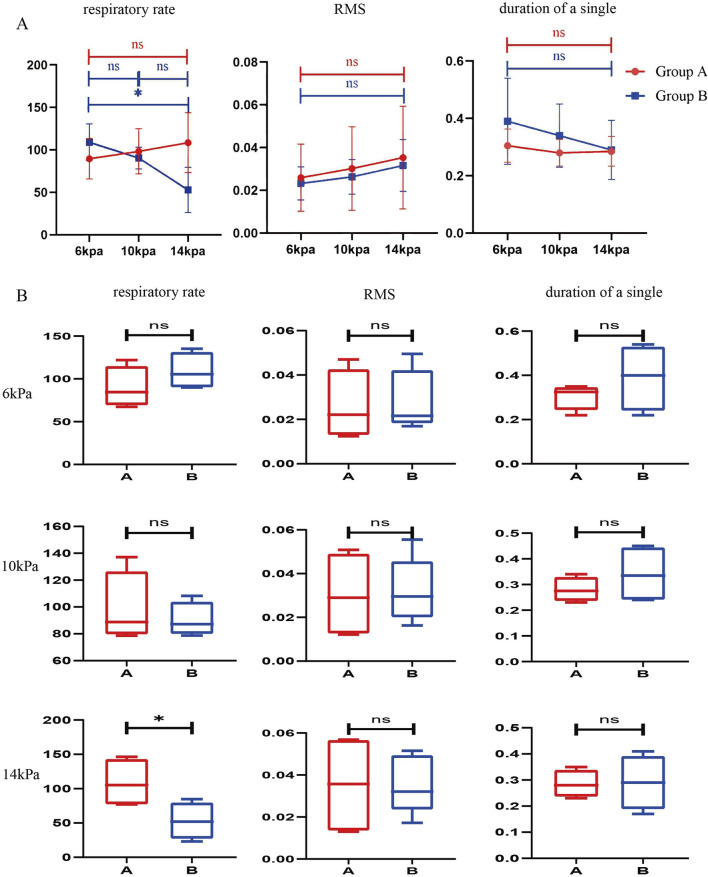
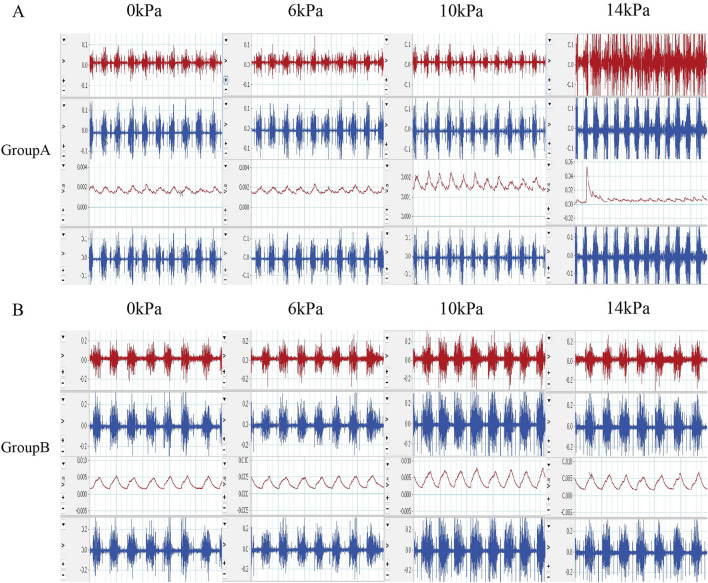
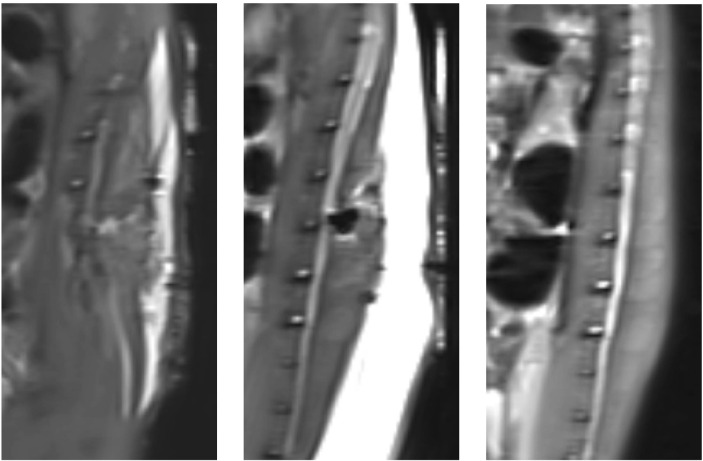
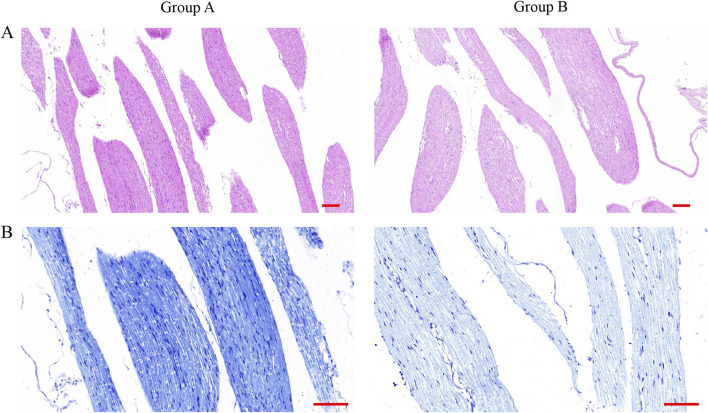
In the present experiment, Wistar rats were implanted with diaphragmatic electrodes and divided into two groups (dura mater with rupture group and dura mater without rupture group). In the experiment, the perfusion pressure was continuously increased, and the water pressure was 6KPa, 10KPa and 14Kpa for 2 min, respectively. The changes of respiratory movement were observed and analyzed. The preoperative and postoperative MRI scan results were compared. Pathological staining was used to observe the spinal cord injury.
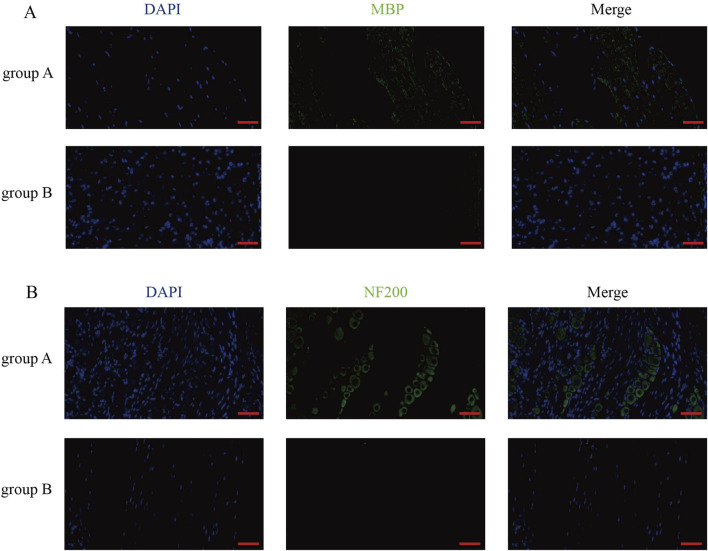
Finally, we found that high perfusion pressure impaired respiratory function in rats with dural rupture, mainly manifested as decreased respiratory rate, but had no significant effect on respiratory function in rats with intact dura mater. HE staining and toluidine blue staining showed more nishi in the cauda equina nerve of the rats in the dural rupture group. Immunofluorescence results showed that the degree of cauda equina nerve injury in the dural rupture group was more severe than that in the dural rupture group.
This study reveals the effects of perfusion pressure and dural injury on respiratory function in UBE, and avoiding dural sac rupture is an effective means to prevent and treat complications of UBE, which will provide a new perspective on UBE.
UBE用于治疗大多数腰椎疾病,手术过程中必须依靠持续输注生理盐水来保持视野清晰,以确保手术顺利进行。在众多并发症中,硬脊膜撕裂的发生率最高。UBE是否会损伤硬脊膜以及不同条件下术中灌注压力变化对呼吸功能的影响尚不清楚。
在本实验中,将Wistar大鼠植入膈肌电极并分为两组(硬脊膜破裂组和硬脊膜未破裂组)。实验中持续增加灌注压力,水压分别为6KPa、10KPa和14Kpa,持续2分钟。观察并分析呼吸运动的变化。比较术前和术后的MRI扫描结果。采用病理染色观察脊髓损伤情况。
最终,我们发现高灌注压力会损害硬脊膜破裂大鼠的呼吸功能,主要表现为呼吸频率降低,但对硬脊膜完整的大鼠呼吸功能无显著影响。HE染色和甲苯胺蓝染色显示硬脊膜破裂组大鼠马尾神经中的尼氏小体更多。免疫荧光结果显示硬脊膜破裂组马尾神经损伤程度比硬脊膜未破裂组更严重。
本研究揭示了灌注压力和硬脊膜损伤对UBE中呼吸功能的影响,避免硬脊膜囊破裂是防治UBE并发症的有效手段,这将为UBE提供新的视角。