Zhang Zhao, Zhang Yiwen, Wu Aihua, Xu Chengfang, Li Zhe
Department of Reproduction, Southern Medical University Affiliate Dongguan People's Hospital, Dongguan, Guangdong, China.
Department of Obstetrics, The Third Affiliated Hospital of Sun Yat-sen University, Guangzhou, Guangdong, China.
mBio. 2025 Jul 9;16(7):e0050925. doi: 10.1128/mbio.00509-25. Epub 2025 Jun 17.
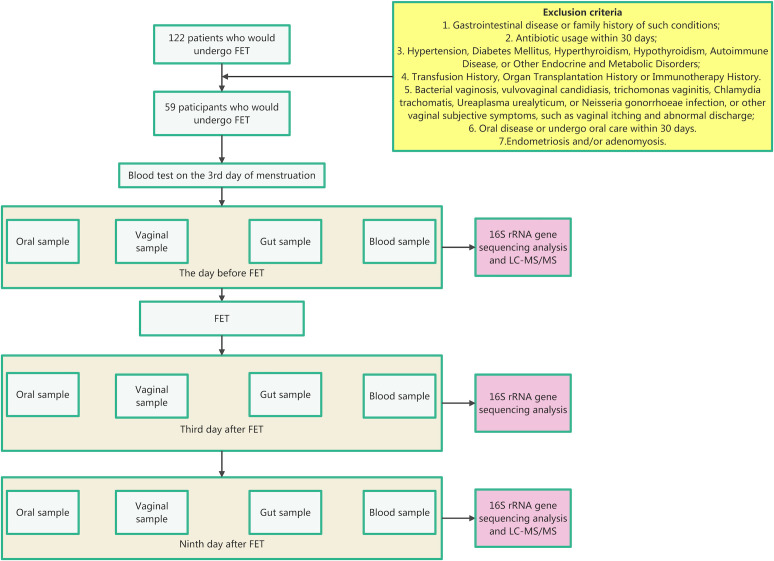
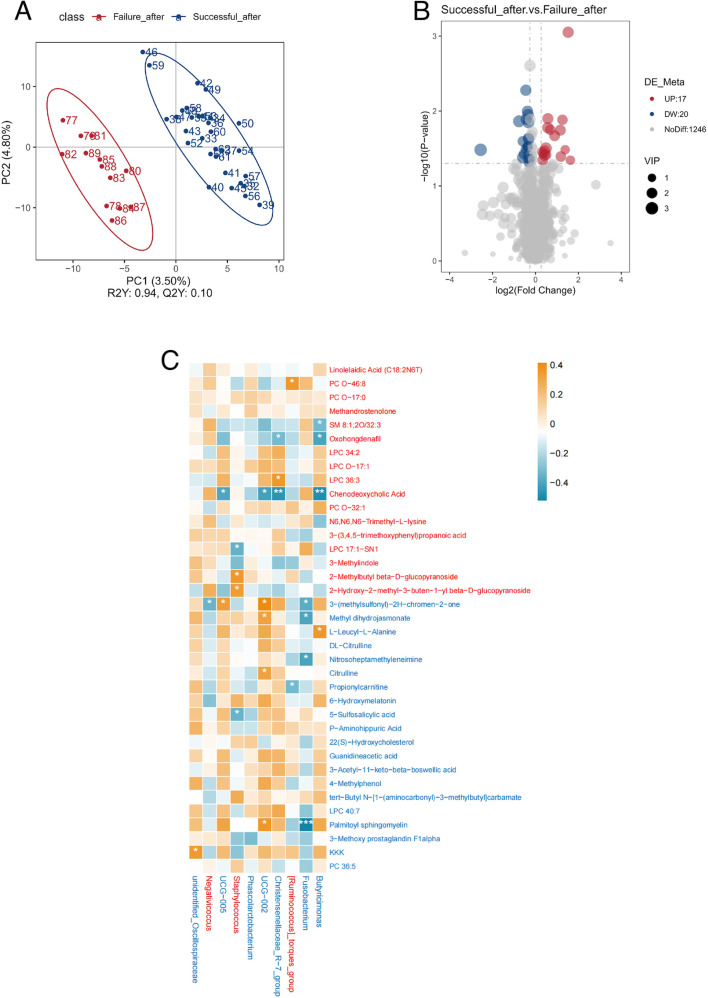
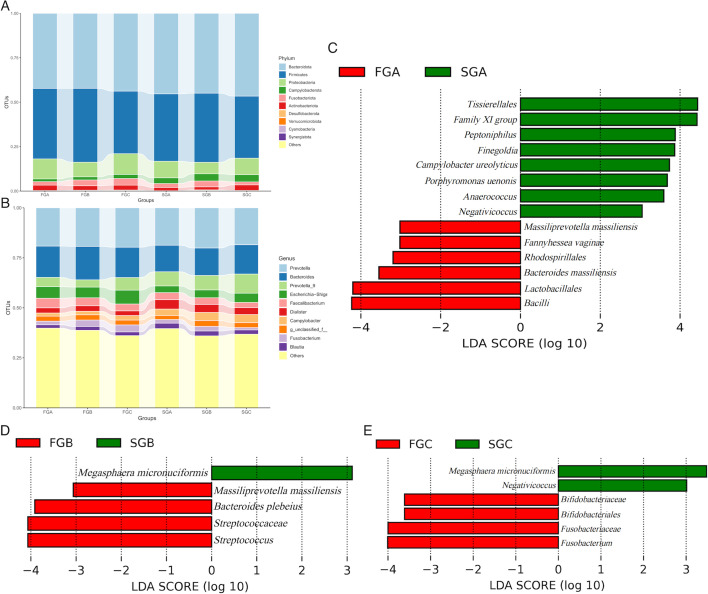
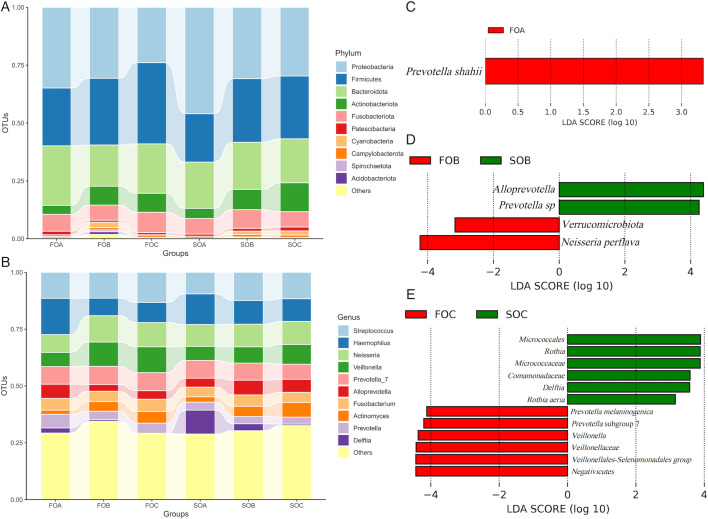
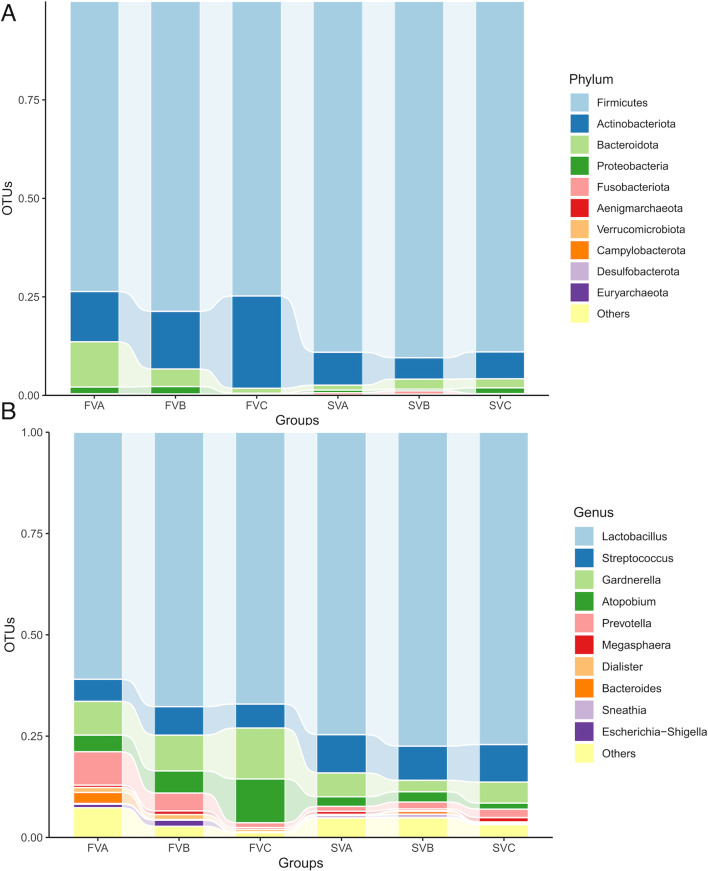
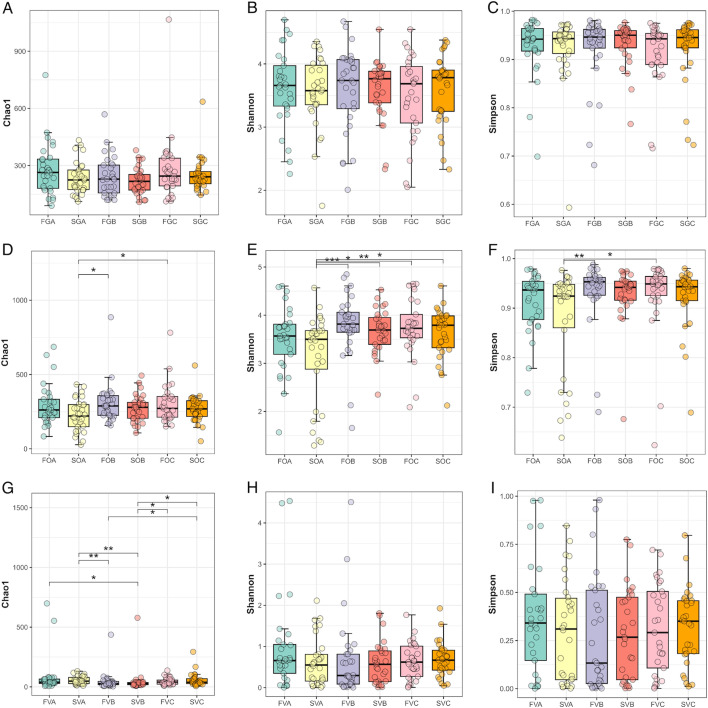
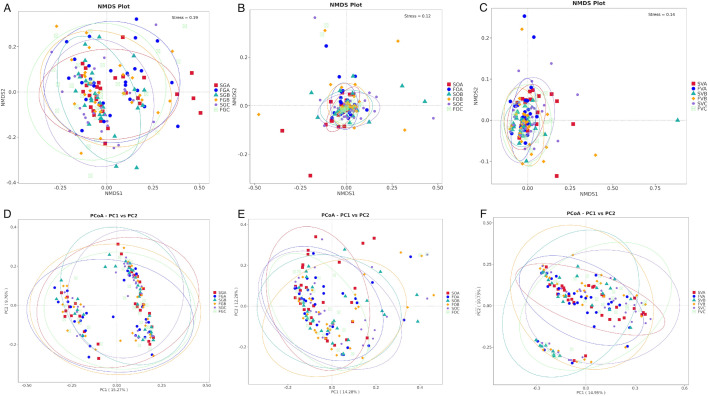
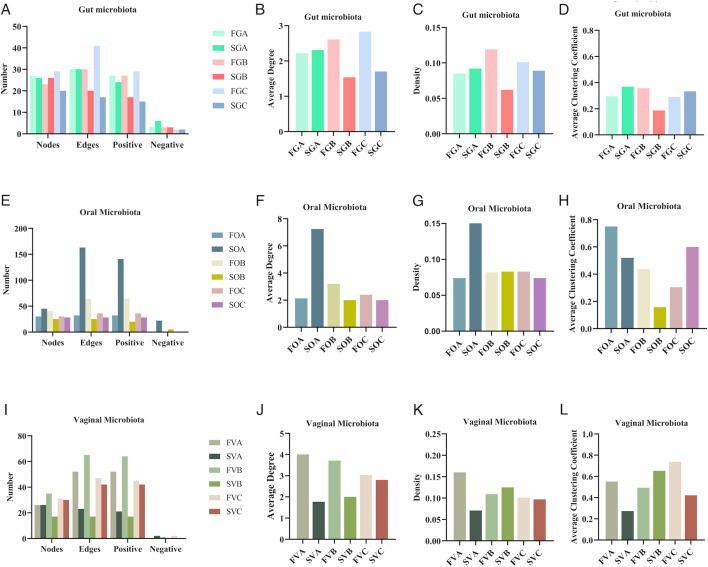
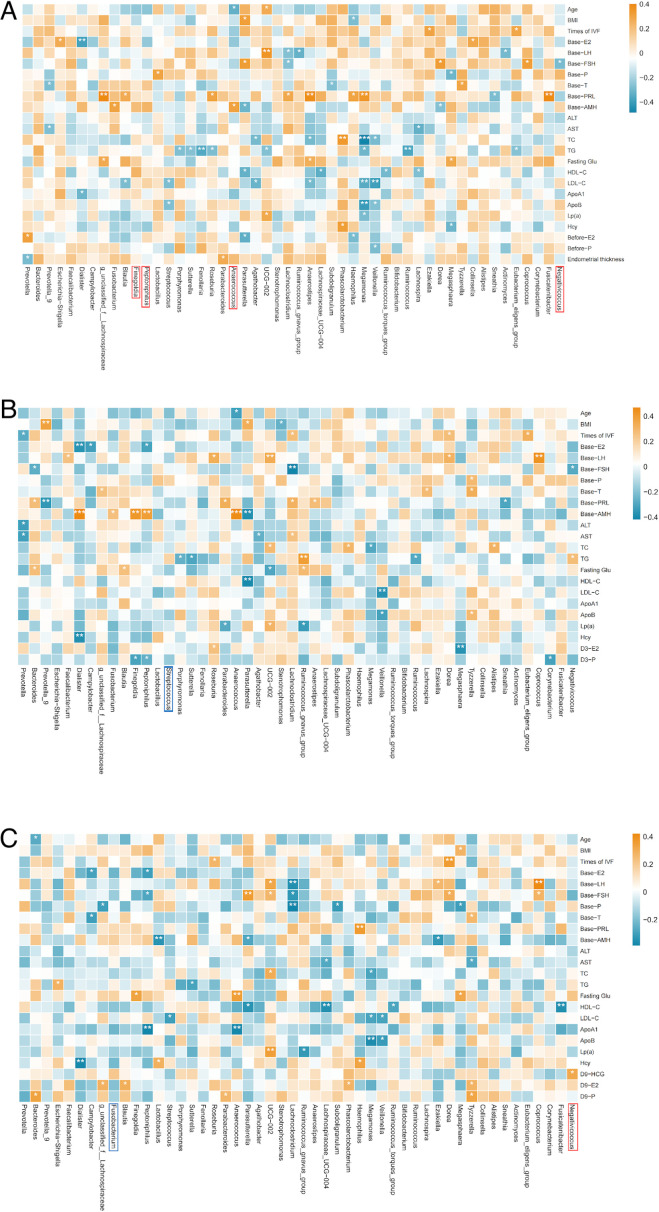
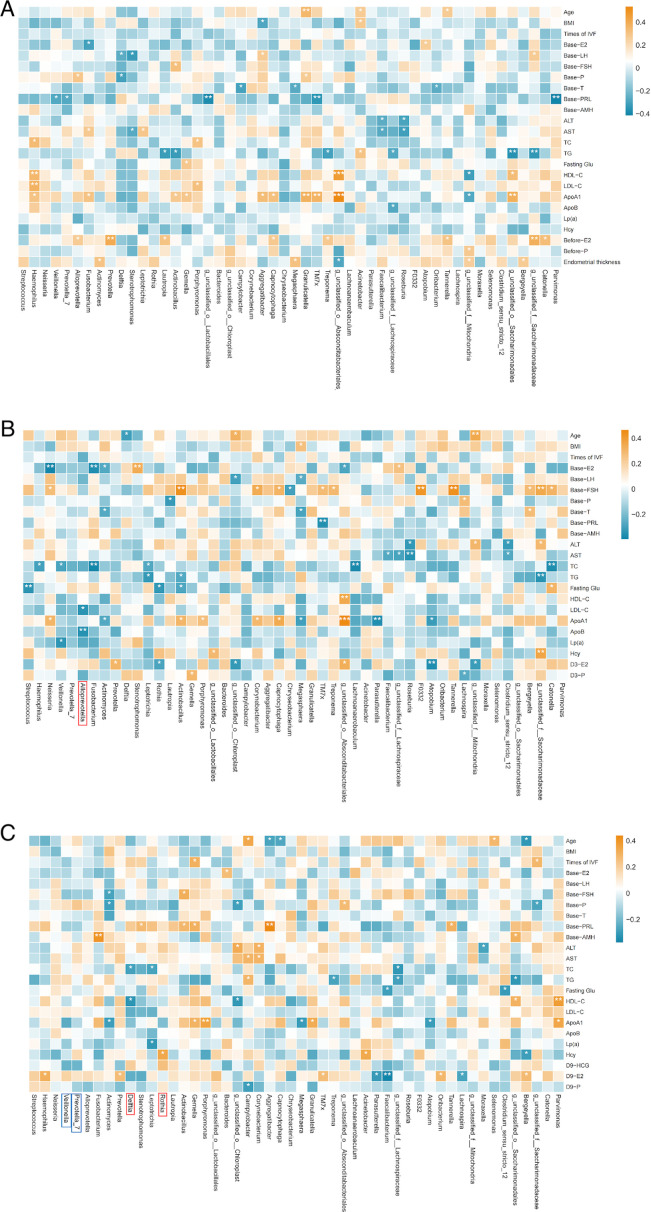
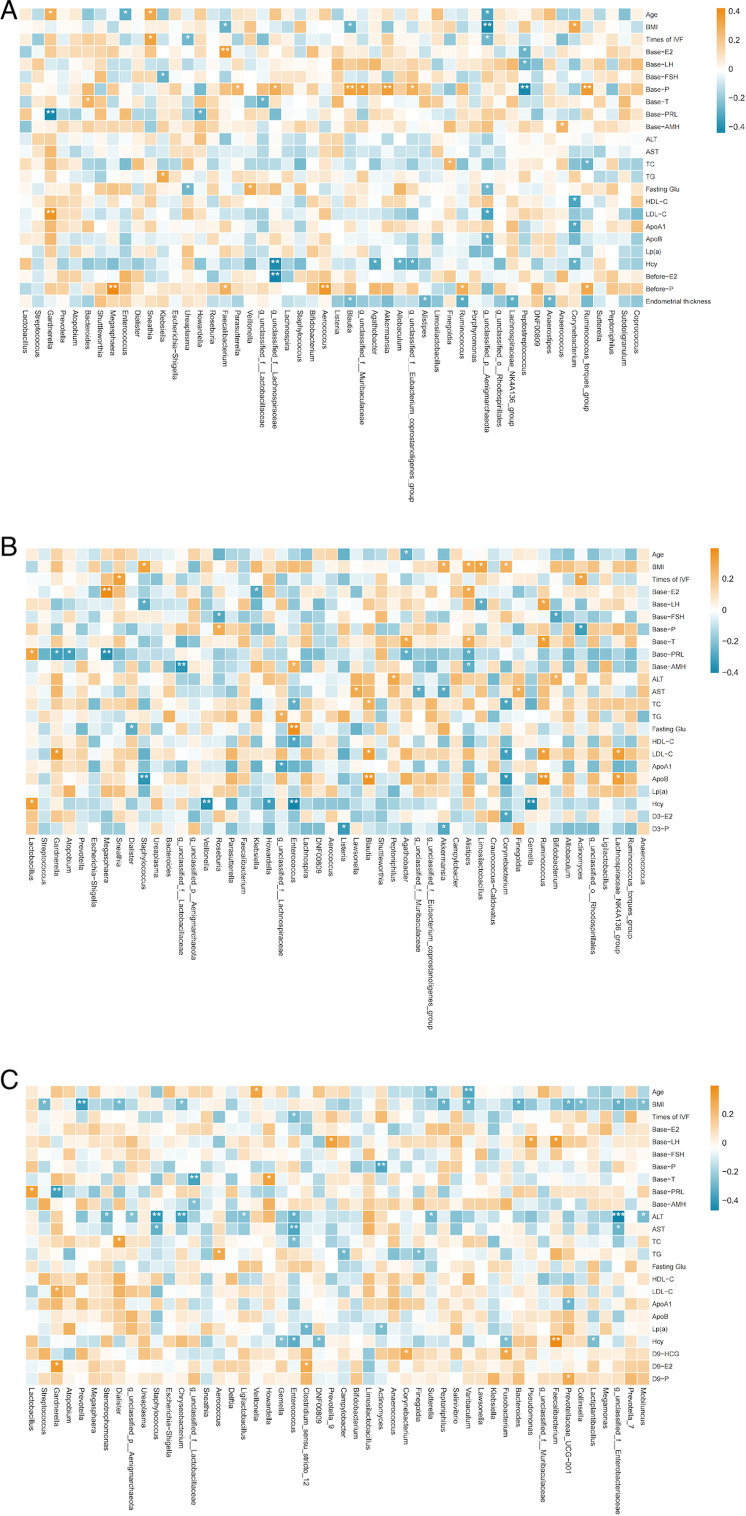
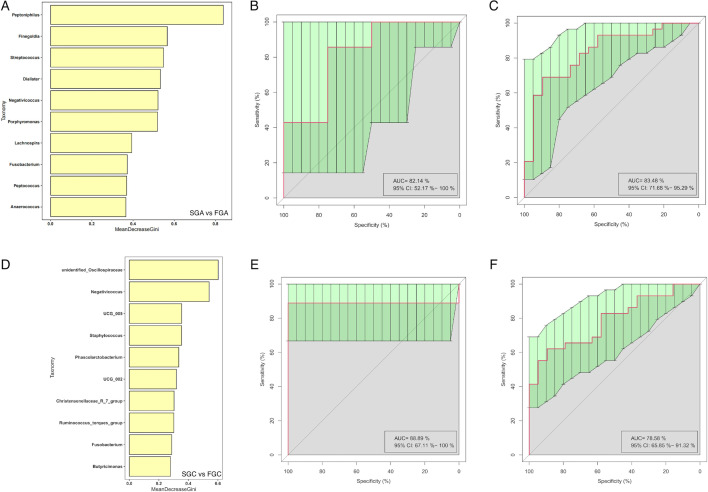
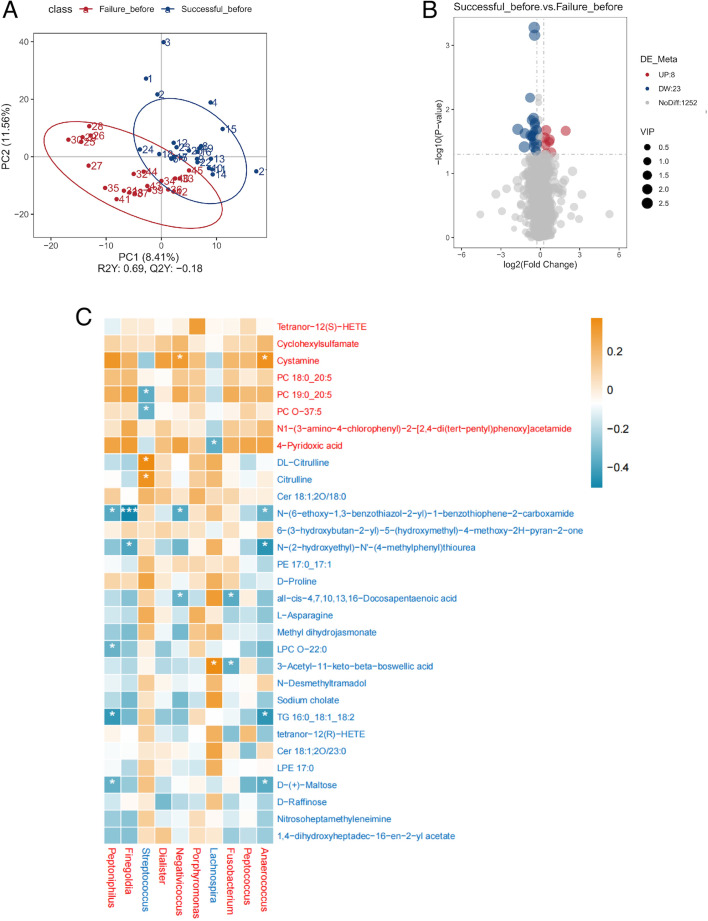
This study aims to examine the specific relationships between gut, oral, and vaginal microbiota and the frozen embryo transfer (FET) process. Patients undergoing fertility treatment who met the inclusion criteria were included in this study. After sampling at three time points, participants were then divided into two groups: the failure group and the success group, based on whether a viable intrauterine pregnancy was confirmed. In this pilot study, we systematically examined changes in the gut, oral, and vaginal microbiota at various stages of the FET process using 16S rDNA high-throughput sequencing and investigated their respective associations with FET outcomes. Metabolomics and random forest were used for evaluating the relationship between gut microbiota and metabolites during FET. Our findings indicate that while the gut microbiota underwent the least change throughout FET, it exhibited the greatest differences between success and failure groups. The oral and vaginal microbiota exhibited significant fluctuations. However, the differences in oral microbiota between the success and failure groups changed with the FET process, while the vaginal microbiota did not show any differences. Notably, two key gut genera, and , were identified as genera significantly associated with FET outcomes. Additionally, specific gut microbiota and metabolite profiles displayed significant correlations with FET success, particularly highlighting the potential relevance of cystamine before FET. These findings suggest that targeting microbiota-associated metabolic pathways may serve as a potential strategy to enhance FET success rates and provide new biomarkers for clinical prediction and intervention.IMPORTANCEThis study explores the potential role of microbiota in influencing FET outcomes. Through an analysis of gut, oral, and vaginal microbiota, we observed notable differences between success and failure groups, particularly in gut microbiota. Genera such as and , along with associated metabolic profiles, may offer insights into underlying mechanisms. These findings contribute to a growing understanding of the interplay between microbiota and reproductive outcomes and suggest that targeting microbiota-associated metabolic pathways could be a promising direction for enhancing FET success rates. This research highlights potential biomarkers and therapeutic avenues for further exploration in fertility treatments.
本研究旨在探讨肠道、口腔和阴道微生物群与冷冻胚胎移植(FET)过程之间的特定关系。符合纳入标准的接受生育治疗的患者被纳入本研究。在三个时间点采样后,参与者根据是否确认有存活的宫内妊娠被分为两组:失败组和成功组。在这项初步研究中,我们使用16S rDNA高通量测序系统地检查了FET过程各个阶段肠道、口腔和阴道微生物群的变化,并研究了它们各自与FET结果的关联。代谢组学和随机森林被用于评估FET期间肠道微生物群与代谢物之间的关系。我们的研究结果表明,虽然肠道微生物群在整个FET过程中变化最小,但在成功组和失败组之间表现出最大的差异。口腔和阴道微生物群表现出显著波动。然而,成功组和失败组之间口腔微生物群的差异随FET过程而变化,而阴道微生物群没有显示出任何差异。值得注意的是,两个关键的肠道属, 和 ,被确定为与FET结果显著相关的属。此外,特定的肠道微生物群和代谢物谱与FET成功显示出显著相关性,尤其突出了FET前胱胺的潜在相关性。这些发现表明,针对微生物群相关的代谢途径可能是提高FET成功率的潜在策略,并为临床预测和干预提供新的生物标志物。
重要性
本研究探讨了微生物群在影响FET结果方面的潜在作用。通过对肠道、口腔和阴道微生物群的分析,我们观察到成功组和失败组之间存在显著差异,特别是在肠道微生物群方面。诸如 和 等属以及相关的代谢谱可能有助于深入了解潜在机制。这些发现有助于人们对微生物群与生殖结果之间的相互作用有更深入的理解,并表明针对微生物群相关的代谢途径可能是提高FET成功率的一个有前景的方向。本研究突出了潜在的生物标志物和治疗途径,以供在生育治疗中进一步探索。