Diaodiao Wang, Miaotian Tang, Pengcheng Ren, Zhuang Tian, Gang Zhang, Yubo Liu, Yuyang Sun, Peng Ye, Wenqiang Sun, Qi Yao
Department of Joint Surgery, Peking University Ninth School of Clinical Medicine, Beijing Shijitan Hospital, Capital Medical University, Beijing, 100038, China.
Capital Medical University, Beijing, 100069, China.
J Orthop Translat. 2025 Jun 9;53:99-111. doi: 10.1016/j.jot.2025.05.003. eCollection 2025 Jul.
Osteoarthritis (OA) is a chronic disease characterized by degeneration of articular cartilage, affecting over 530 million patients worldwide. Current oral medications such as non-steroidal anti-inflammatory drugs (NSAIDs) can only alleviate symptoms and are associated with numerous adverse effects. Although teriparatide (PTH) exhibits dual functions of chondroprotection and osteogenic effects, its clinical application is significantly limited by its short biological half-life (30-60 min) and accelerated degradation within the inflammatory microenvironment of joint cavities.
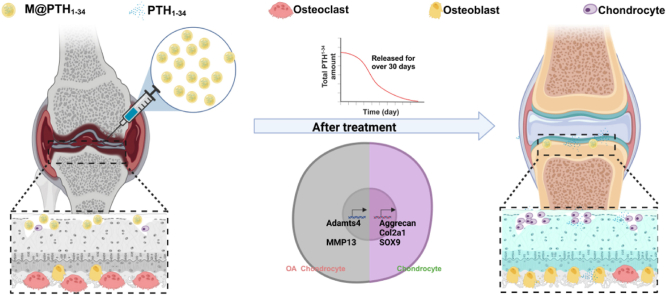
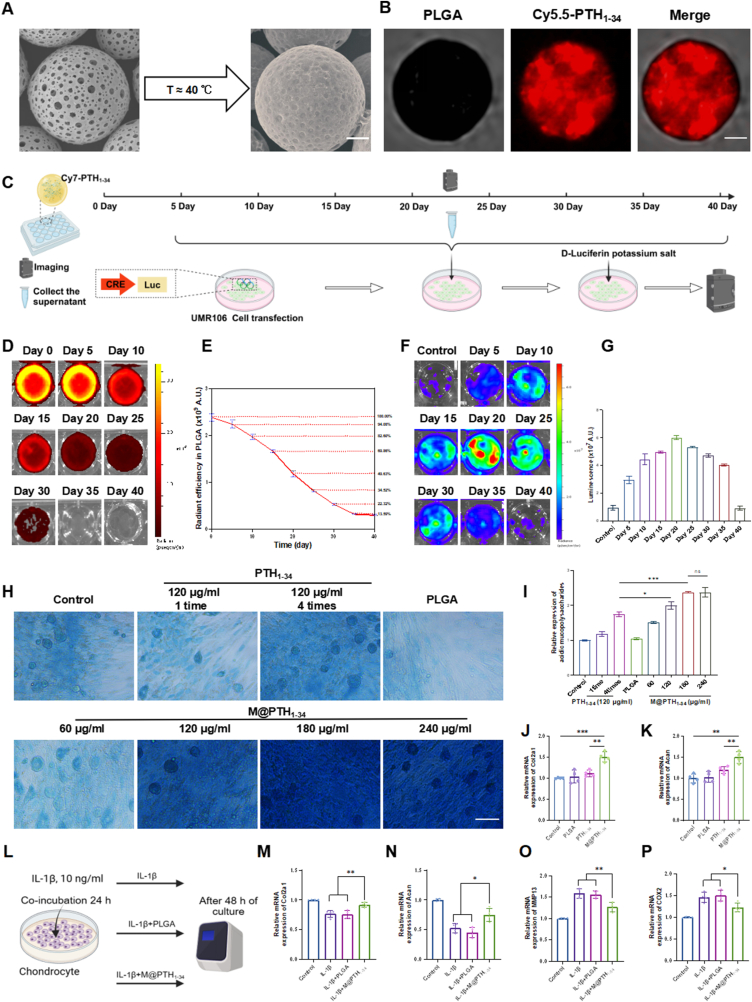
Porous sustained-release microspheres (M@PTH) were fabricated using FDA-approved poly (lactic-co-glycolic acid) (PLGA) as the matrix, encapsulating PTH within their multi-channel porous structure. Uniform microsphere preparation and high-efficiency drug loading were achieved through membrane emulsification and temperature-controlled embedding techniques. To systematically evaluate the sustained-release profile and therapeutic outcomes, both in vitro and in vivo OA models were established, enabling comprehensive analysis of cartilage repair efficacy, anti-inflammatory regulation, and immunomodulatory effects.
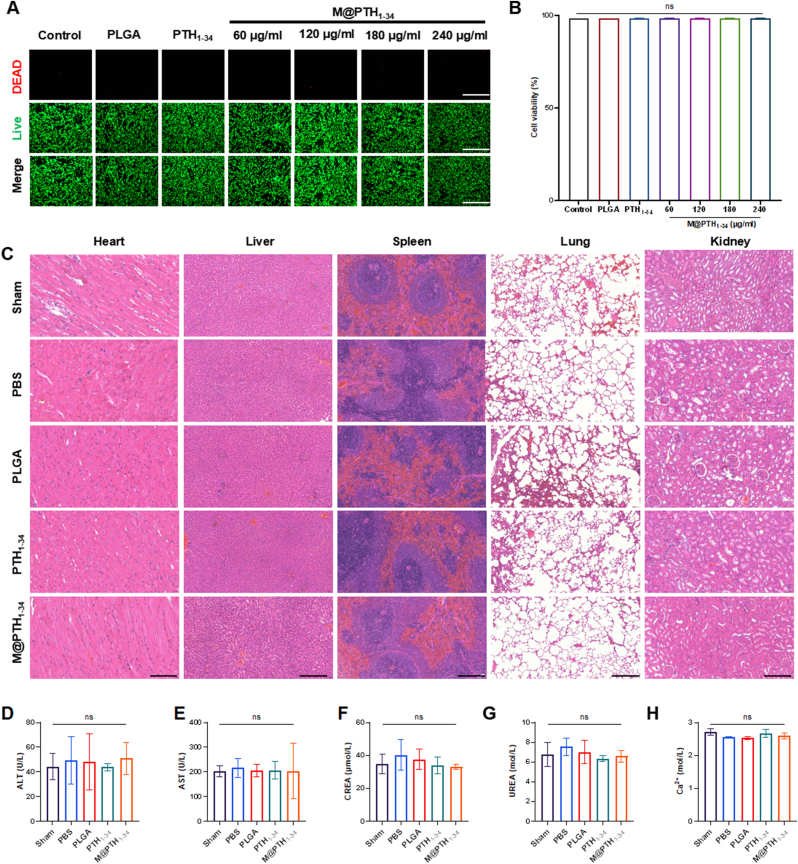
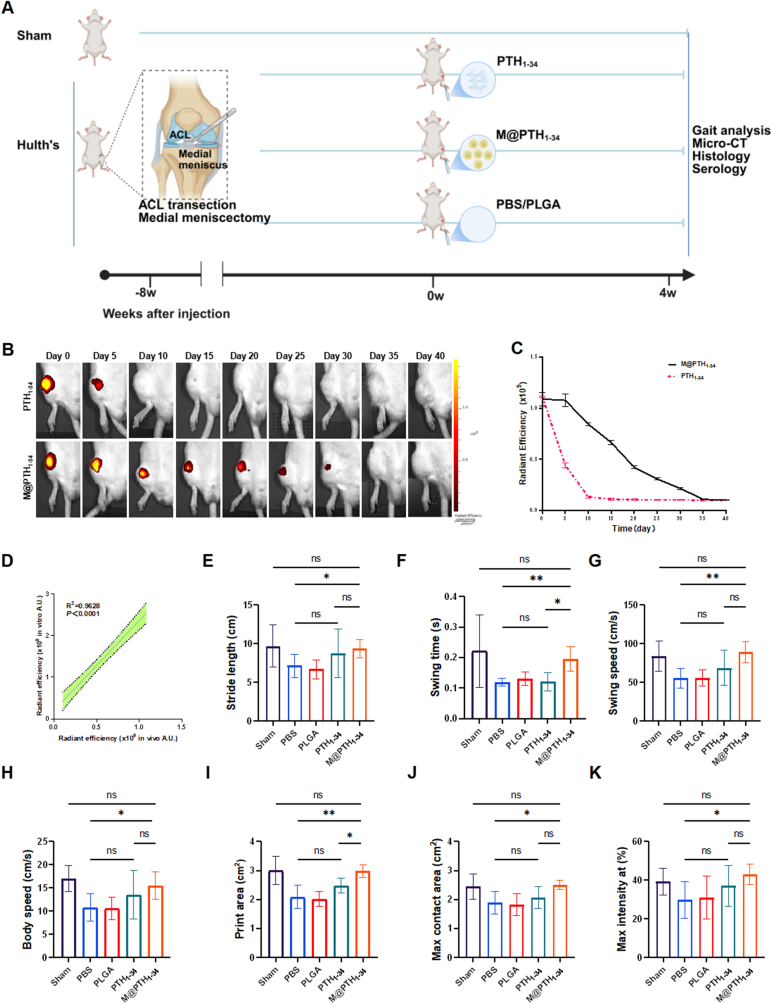
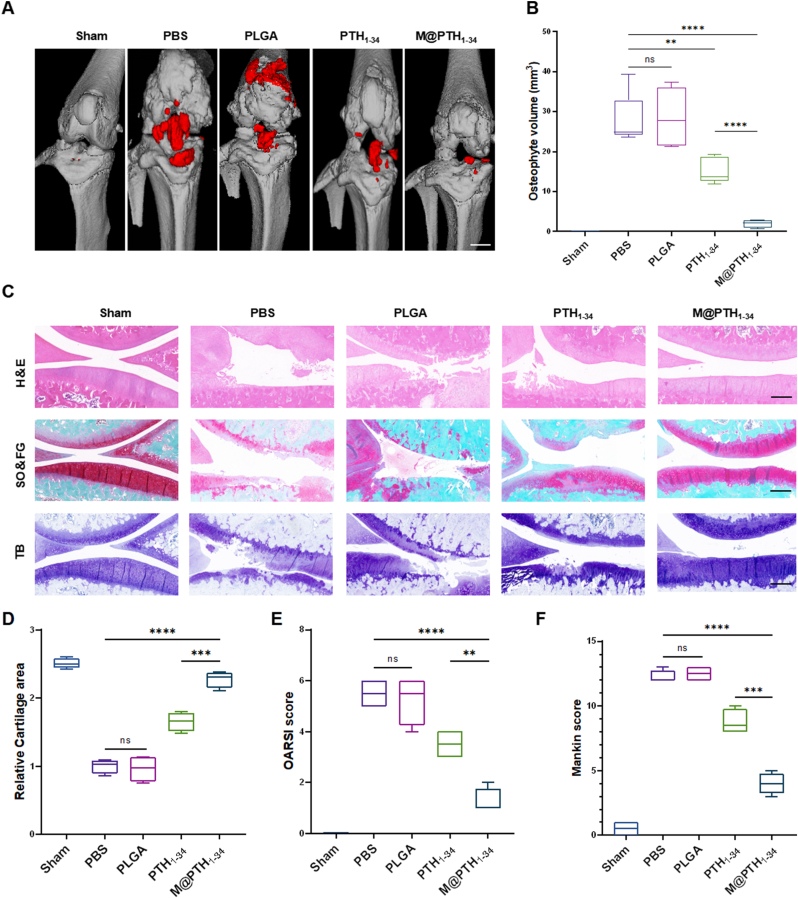
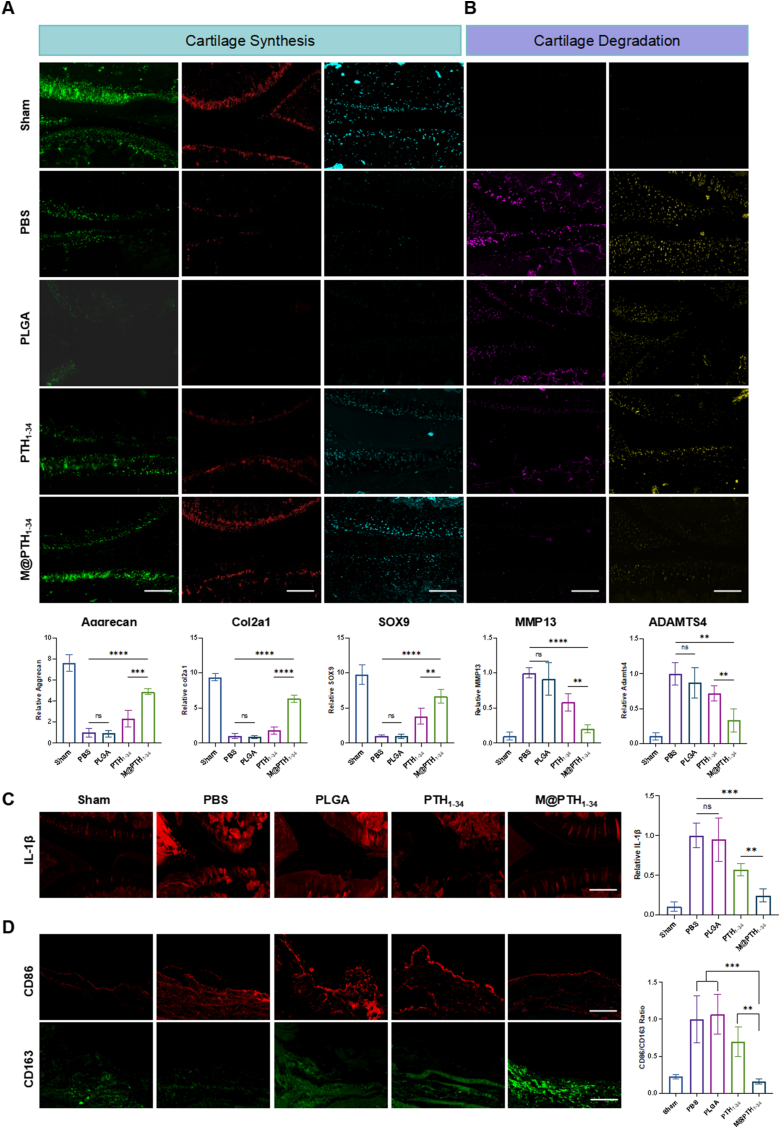
PTH could be efficiently loaded into microspheres after self-healing and achieve consistent release over 30 days with biological activity being maintained. In OA model rats, M@PTH significantly improved behavioral and radiological outcomes, increased cartilage smoothness and thickness, and increased the expression of chondrogenic markers. Additionally, in vitro and in vivo safety tests revealed no significant safety issues. These findings indicate that M@PTH holds promise as a long-lasting, cost-effective, and safe therapeutic approach for OA.
This study successfully developed a uniform-sized PLGA-based sustained-release microsphere system (M@PTH) that enables continuous drug release for over 30 days following single intra-articular administration. M@PTH exerts its therapeutic effects on osteoarthritis through the following two ways: (1) Promoting cartilage repair by enhancing the chondrogenic differentiation ability of bone marrow mesenchymal stem cells (BMSCs); (2) Improve the inflammatory microenvironment of joints by inhibiting the expression of inflammatory factors (such as IL-1β) and regulating the polarization state of M1/M2 macrophages.
The system demonstrates prominent clinical translation advantages: (1) Innovative utilization of FDA-approved PLGA carrier combined with membrane emulsification technique ensures precise size control and standardized production; (2) Localized delivery strategy achieves targeted retention within articular cavity, validated by animal studies showing no systemic exposure risks; (3) Standardized preparation process demonstrates the feasibility of industrial-scale production.
骨关节炎(OA)是一种以关节软骨退变为特征的慢性疾病,全球有超过5.3亿患者受其影响。目前的口服药物,如非甾体抗炎药(NSAIDs),只能缓解症状,且伴有众多不良反应。尽管特立帕肽(PTH)具有软骨保护和成骨双重作用,但其临床应用因生物半衰期短(30 - 60分钟)以及在关节腔炎症微环境中加速降解而受到显著限制。
使用美国食品药品监督管理局(FDA)批准的聚乳酸 - 羟基乙酸共聚物(PLGA)作为基质制备多孔缓释微球(M@PTH),将PTH包裹在其多通道多孔结构内。通过膜乳化和温控包埋技术实现了微球的均匀制备和高效载药。为了系统评估缓释特性和治疗效果,建立了体外和体内OA模型,以便全面分析软骨修复功效、抗炎调节和免疫调节作用。
PTH在自我修复后能有效载入微球,并在30天内持续释放,同时保持生物活性。在OA模型大鼠中,M@PTH显著改善了行为和影像学结果,增加了软骨的光滑度和厚度,并增加了软骨生成标志物的表达。此外,体外和体内安全性测试均未发现明显的安全问题。这些发现表明,M@PTH有望成为一种长效、经济高效且安全的OA治疗方法。
本研究成功开发了一种尺寸均匀的基于PLGA的缓释微球系统(M@PTH),单次关节腔内给药后可实现持续30多天的药物释放。M@PTH通过以下两种方式对骨关节炎发挥治疗作用:(1)通过增强骨髓间充质干细胞(BMSCs)的软骨分化能力促进软骨修复;(2)通过抑制炎症因子(如IL - 1β)的表达和调节M1/M2巨噬细胞的极化状态改善关节的炎症微环境。
该系统具有显著的临床转化优势:(1)创新性地利用FDA批准的PLGA载体并结合膜乳化技术,确保了精确的尺寸控制和标准化生产;(2)局部给药策略实现了在关节腔内的靶向滞留,动物研究验证无全身暴露风险;(3)标准化的制备工艺证明了工业规模生产的可行性。