Zhang Zhijiao, Jia Pengyan, Feng Chunqi, Xu Juan, Zhang Jingmin, Bai Niuniu, Chen Weihong, Gao Weiqi
Third Hospital of Shanxi Medical University, Shanxi Bethune Hospital, Shanxi Academy of Medical Sciences, Tongji Shanxi Hospital, Taiyuan, China.
School of Pharmacy, Shanxi Medical University, Taiyuan, China.
Front Pharmacol. 2025 Jun 9;16:1554987. doi: 10.3389/fphar.2025.1554987. eCollection 2025.
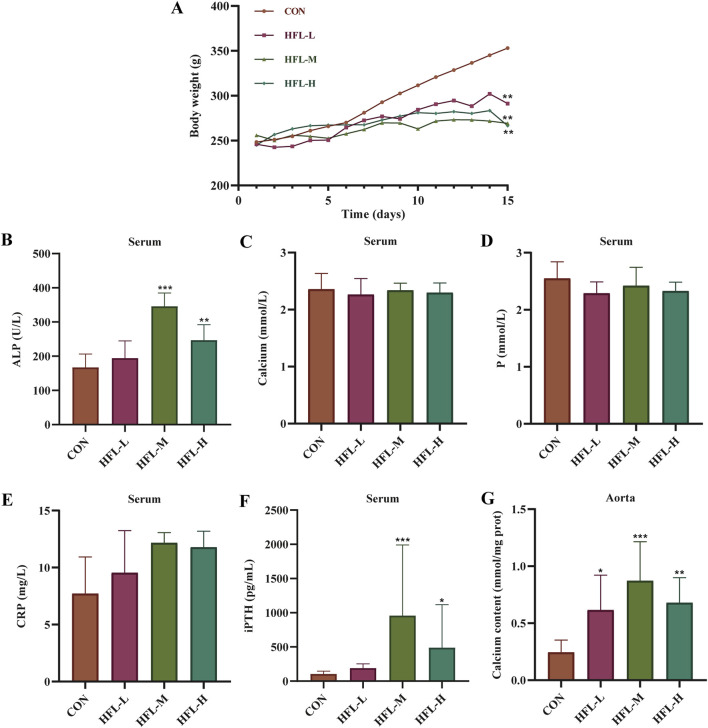
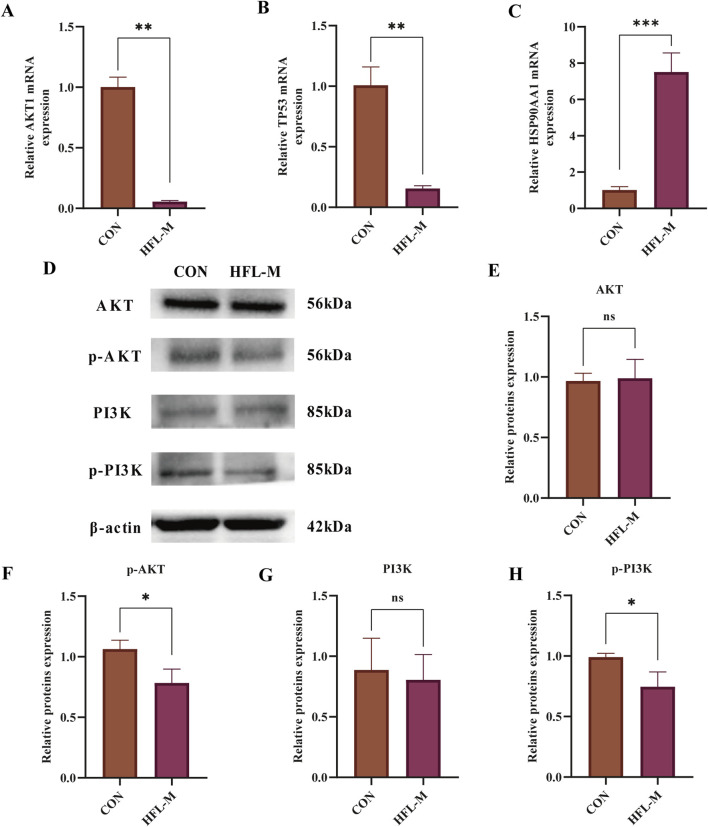
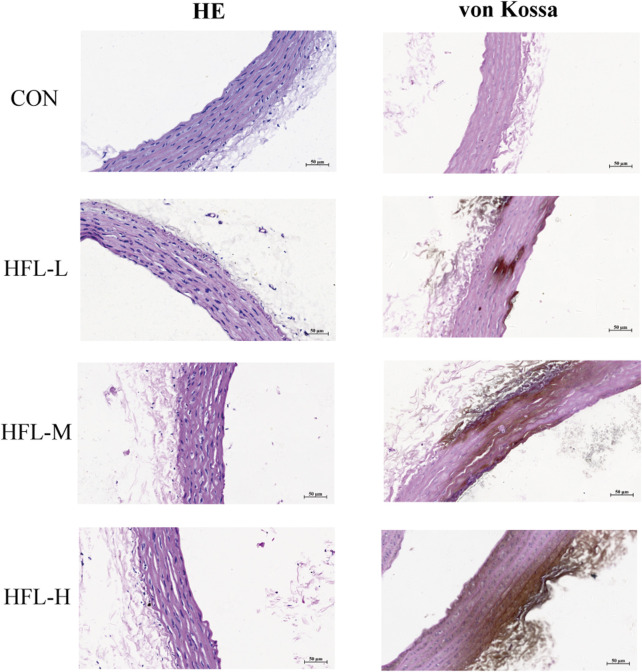
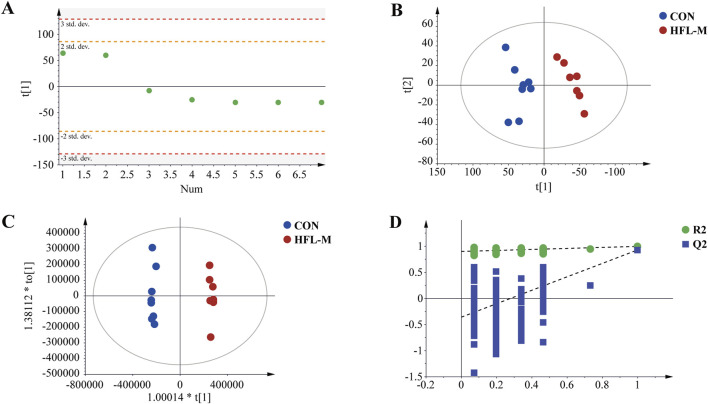
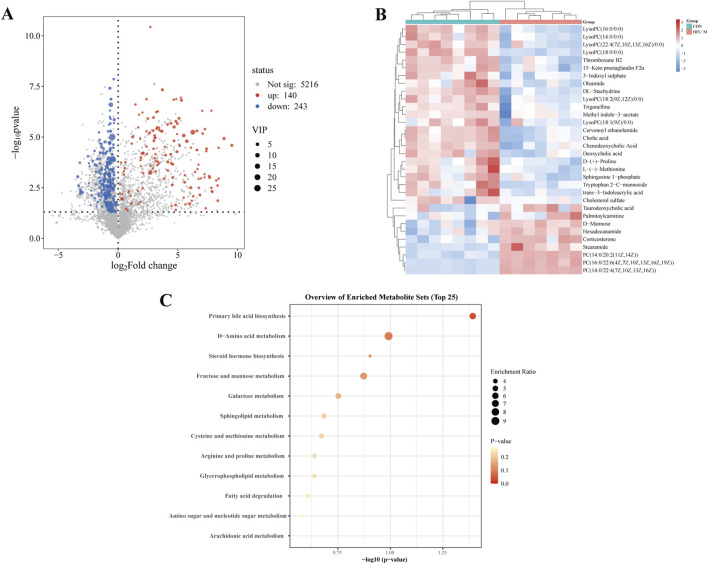
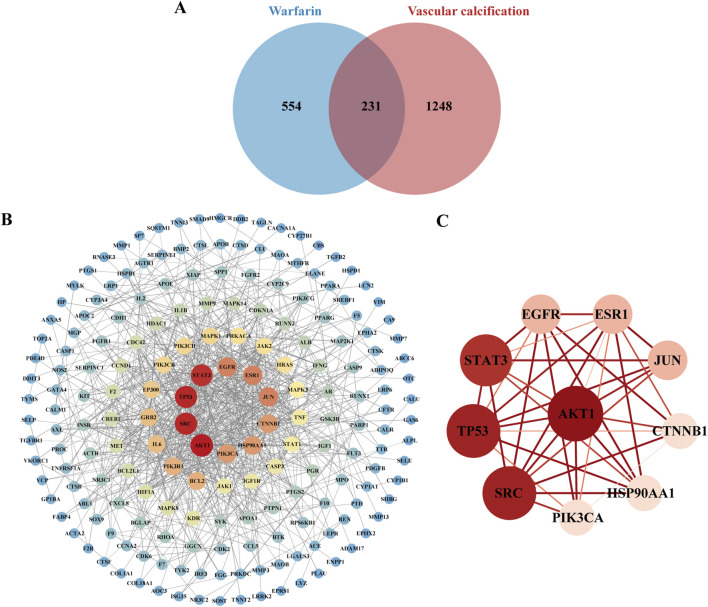
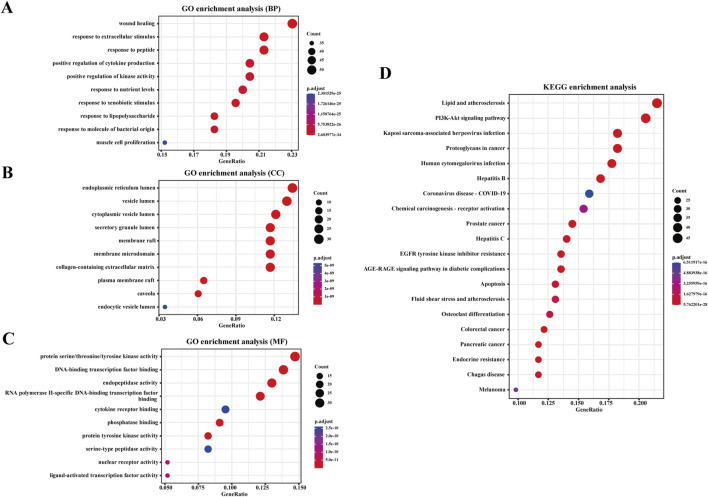
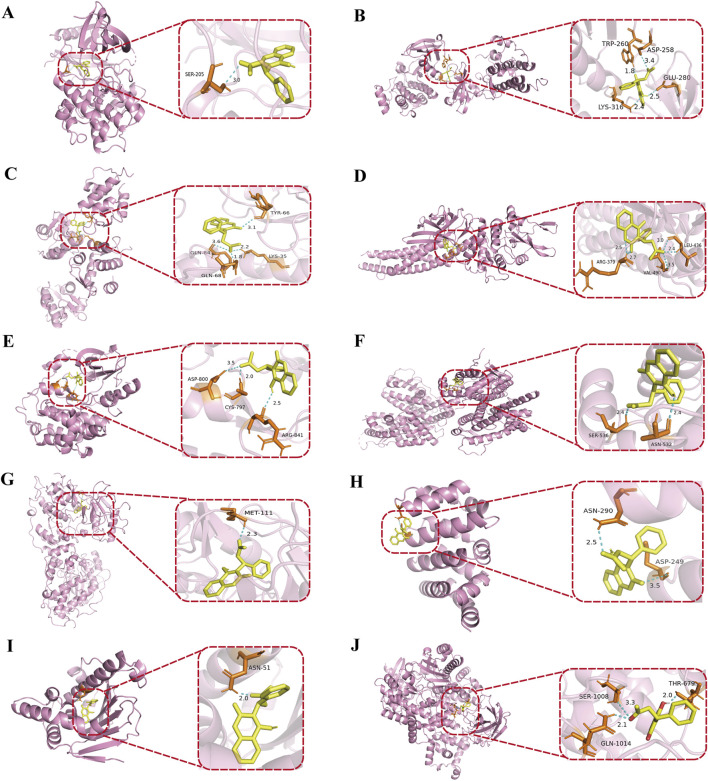
Warfarin is widely used in clinical anticoagulation therapy, but the exact mechanism by which it induces vascular calcification (VC) remains unclear. This study aimed to explore the mechanisms of warfarin-induced VC using metabolomics and network toxicology approaches. Initially, normal rats were orally administered warfarin for 2 weeks, and VC was then assessed by serum biochemistry and histopathology. Subsequently, non-targeted metabolomics was performed to analyze serum metabolite changes. Finally, network toxicology analysis was conducted to identify key targets and signaling pathways associated with warfarin-induced VC, which were further validated using molecular docking, qRT-PCR, and western blot analyses. The results indicated that warfarin induced aortic calcification in rats, and metabolomics identified 32 differential metabolites, mainly involved in pathways such as primary bile acid biosynthesis, steroid hormone biosynthesis, and amino acid metabolism. Network toxicology analysis, molecular docking, and experimental validation showed that warfarin may induce VC by modulating the targets AKT1, TP53, and HSP90AA1, thereby influencing the PI3K-AKT signaling pathway. This study reveals the potential molecular mechanisms underlying warfarin-induced VC, laying a foundation for further mechanistic investigations and providing important insights for the rational clinical application of warfarin.
华法林广泛应用于临床抗凝治疗,但其诱导血管钙化(VC)的确切机制尚不清楚。本研究旨在采用代谢组学和网络毒理学方法探讨华法林诱导VC的机制。首先,对正常大鼠口服华法林2周,然后通过血清生物化学和组织病理学评估VC情况。随后,进行非靶向代谢组学分析血清代谢物变化。最后,进行网络毒理学分析以确定与华法林诱导VC相关的关键靶点和信号通路,并使用分子对接、qRT-PCR和蛋白质印迹分析进一步验证。结果表明,华法林可诱导大鼠主动脉钙化,代谢组学鉴定出32种差异代谢物,主要涉及初级胆汁酸生物合成、类固醇激素生物合成和氨基酸代谢等途径。网络毒理学分析、分子对接和实验验证表明,华法林可能通过调节靶点AKT1、TP53和HSP90AA1诱导VC,从而影响PI3K-AKT信号通路。本研究揭示了华法林诱导VC的潜在分子机制,为进一步的机制研究奠定了基础,并为华法林的合理临床应用提供了重要见解。