Papageorgiou Dimitrios, Sapantzoglou Ioakeim, Zachariou Eleftherios, Antsaklis Panagiotis, Daskalakis Georgios, Pergialiotis Vasilios
Department of Gynecology, Athens Naval and Veterans Hospital, 11521 Athens, Greece.
1st Department of Obstetrics and Gynecology, National and Kapodistrian University of Athens, 11527 Athens, Greece.
J Clin Med. 2025 Jun 10;14(12):4112. doi: 10.3390/jcm14124112.
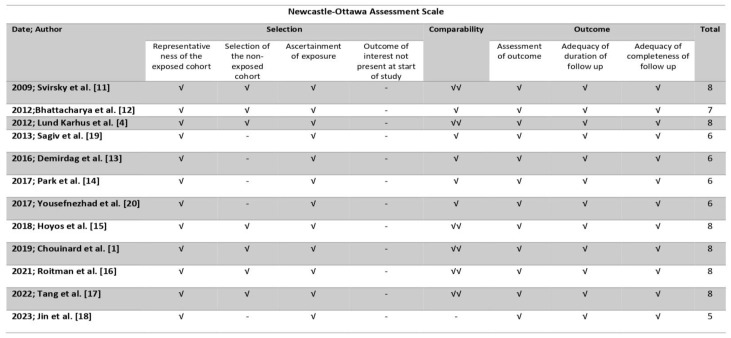
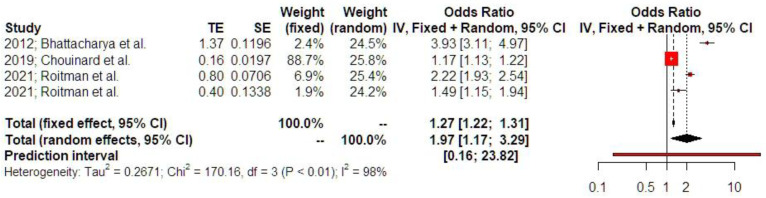
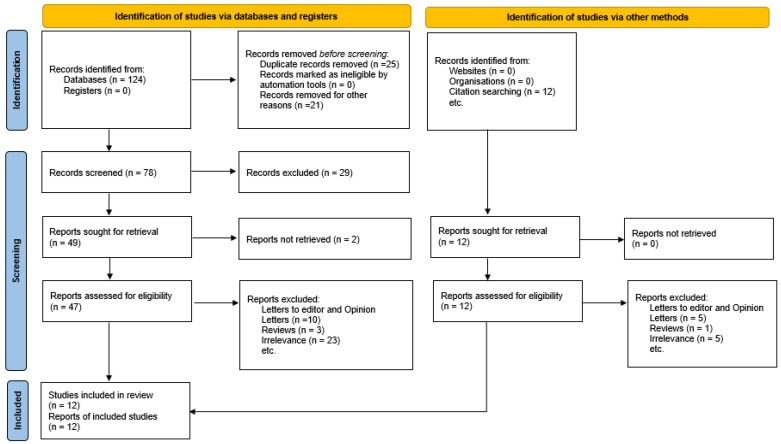
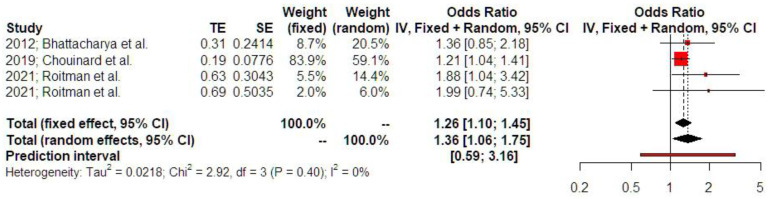
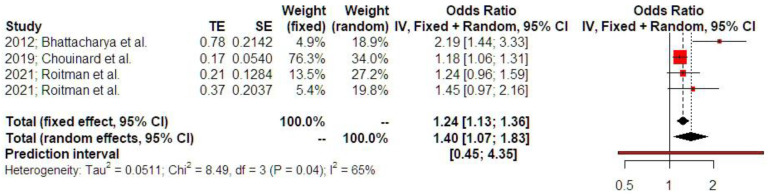
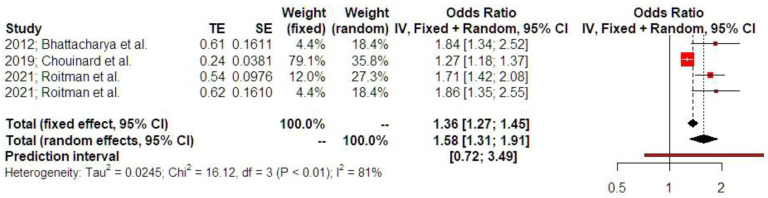
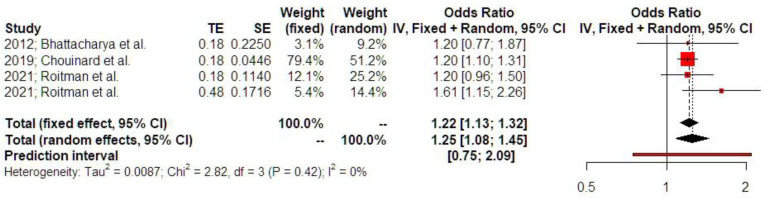
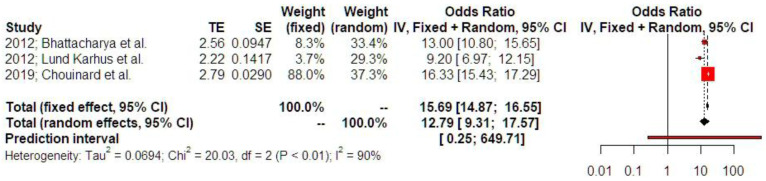
Although ectopic pregnancy has been extensively studied in terms of epidemiology, associated risk factors, diagnostic approaches, and treatment modalities, the data regarding its impact on the development of adverse outcomes in subsequent pregnancy remain scarce and conflicting. We aim to evaluate the adverse perinatal outcomes of women with a history of ectopic pregnancy : We used the Medline (1966-2024), Scopus (2004-2024), Clinicaltrials.gov (2008-2024), EMBASE (1980-2024), Cochrane Central Register of Controlled Trials CENTRAL (1999-2024), and Google Scholar (2004-2024) databases in our primary search. All studies that evaluated the impact of prior of ectopic pregnancy on the perinatal outcomes of the subsequent pregnancy and reported rates of adverse perinatal outcomes were considered eligible for inclusion. Twelve peer-reviewed papers were considered for inclusion in our study. We enrolled a total of 2,162,731 women. Of those, 23,823 (1.1%) had a history of prior ectopic pregnancy. A total of 4 out of 12 studies provided the necessary data to be included in the metanalysis. : Women with a history of treated ectopic pregnancy, either medically or surgically, demonstrated increased risk of developing placental abruption, hypertensive disorders of pregnancy, and preterm birth. History of ectopic pregnancy was also positively associated with low birth weight, subsequent ectopic pregnancy, and increased risk of a subsequent emergency cesarean section. : The meta-analysis reveals evidence that ectopic pregnancy is positively associated with adverse perinatal outcomes in subsequent pregnancy. Our findings should be considered preliminary and serve as a basis for future research as the retrieved data are scarce and cannot be deemed sufficient.
尽管异位妊娠在流行病学、相关危险因素、诊断方法和治疗方式等方面已得到广泛研究,但关于其对后续妊娠不良结局发展影响的数据仍然稀少且相互矛盾。我们旨在评估有异位妊娠史女性的不良围产期结局:在初步检索中,我们使用了Medline(1966 - 2024年)、Scopus(2004 - 2024年)、Clinicaltrials.gov(2008 - 2024年)、EMBASE(1980 - 2024年)、Cochrane对照试验中央注册库CENTRAL(1999 - 2024年)以及谷歌学术(2004 - 2024年)数据库。所有评估既往异位妊娠对后续妊娠围产期结局的影响并报告不良围产期结局发生率的研究均被视为符合纳入标准。有12篇同行评审论文被考虑纳入我们的研究。我们共纳入了2162731名女性。其中,23823名(1.1%)有既往异位妊娠史。12项研究中有4项提供了纳入荟萃分析所需的数据:接受过药物或手术治疗的异位妊娠史女性发生胎盘早剥、妊娠期高血压疾病和早产的风险增加。异位妊娠史还与低出生体重、后续异位妊娠以及后续急诊剖宫产风险增加呈正相关。荟萃分析表明,异位妊娠与后续妊娠的不良围产期结局呈正相关。由于检索到的数据稀少且不足,我们的研究结果应被视为初步结果,并作为未来研究的基础。